And when I came downstairs this morning (after a second night of being up half the night with a sick child), THIS is what I saw when I turned on the light.
December 31 – the last day of the year. Time to take a few moments to reflect on the highlights of 2013. Some technologically forced reflections have been available for weeks to help with this task. This, for example, appeared on my Facebook timeline:
Frankly, it looked suspiciously like 2012, but with more directives and a slightly larger font (and now in United Nations baby blue, I might add).
Year in Review
Jennifer Prestholdt
A look at your 20 biggest moments from the year including life events, highlighted posts and your popular stories.
But this Year in Review app most certainly does not accurately reflect my “20 biggest moments from the year”. Some of the pictures were not even from 2013! So, in what has become an annual tradition, I’m taking charge of my Year in Review and creating my own”Best of My Facebook Status Updates”of some of the funniest moments for me in 2013. (And if you like this post, you can also check out Best of My 2012 Facebook Status Updates and Best of My 2011 Status Updates.)
Best of My 2013 Facebook Status Updates
#25 The fifth graders are studying puberty, so the dinner conversation was interesting. It was a spectacularly unfortunate coincidence that we grilled tonight – and tubular meat products were on the menu.
#24 Some families set a place for Elijah. Our family apparently sets a place for Trouble.
#23:
Eliza (age 8): “Are you drinking barf?”
Me: “Yes. I threw up in the smoothie machine and added a banana. Now I’m drinking it.”
(Pause)
Eliza: “Is this called ‘sarcasm’?”
#22 I’m helping my 7th grader study for his Tom Sawyer test. So I showed him the classic Rush video. To which he responded, “Mom, this is not really helping.”
#21 In 5 minutes, I have to give a lecture on international human rights mechanisms to a class at the U of Iowa Law School. Unfortunately, I just figured out that since it is via Skype, they will all see how messy my office is. Gotta go stuff some documents in the closet and sweep some files under the rug…
#20 “When in doubt, add cheese.” This is the kind of advice I give to my daughter.
#19 Positive things about below zero weather: I stuck the tragically unchilled bottle of wine outside for 5 minutes. Now it is cold (and DE-licious!)
#18
Mom, when I grow up – if I’m a teacher – on the first day of school I’ll pull down a map of Europe and say “I see London. I see France.”And I’ll be wearing, like, really bright pink boxers or something and I’ll have my jeans low.
So then I’ll turn my back to the class and pull down another map and say, “Class, what else do you see?” And the kids that raise their hands and say, “Mr. ___, I see your…”
Well, that’s how I’ll know who the troublemakers are.
#17 Note to self: Be careful doing laundry this week. Very, VERY careful!
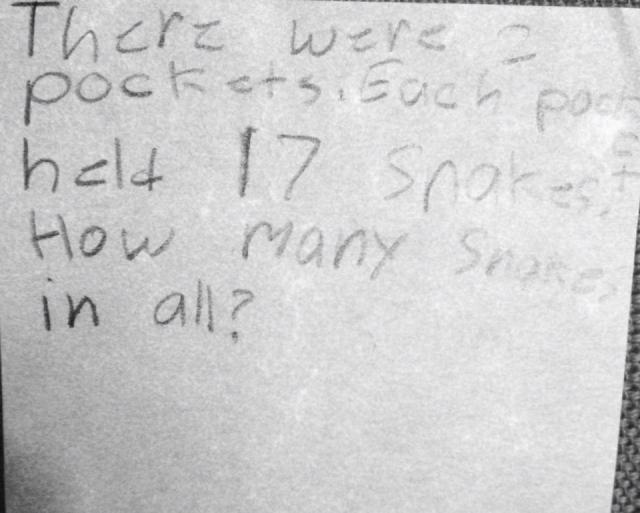
There were 2 pockets. Each pocket held 17 snakes. How many snakes in all?
#16 My flight out of Delhi was cancelled, so I was re-routed through Paris. Perhaps the only major airport in the world that smells of fresh-baked croissants at 6 am in the morning!
#15
“Simon, turn off the TV.”
“I can’t, Mom! Everything I need to know about life is on Dr. Who!”
#14 Home! And, as always when I return from the developing world, I am feeling so thankful for clean air, hot water, high-speed internet, urban planning and traffic control – and a democratic system of government that is not perfect, but which functions smoothly and provides us with services without corruption. Perspective is a valuable thing.
#13 Lady behind me at the grocery store: “Girl! You’ve either got a big family or you’re done shopping for 2013!
#12 First week back at school update:
Eliza (grade 3): “What’s the difference between fiction and non-fiction again?”
Simon (grade 6): “Non-fiction is real. Like Facebook.”
Eliza: “So what is fiction?”
Simon: “It’s fantasy, it’s not real. Like Facebook.”
#11 The Polly Pockets were willing to sacrifice their heads for the opportunity to skydive off our back balcony.
#10
“Mom, do you have a name for our toilet?”
“No.” (pause) “But something tells me you might.”
“Yeah. Our toilet is named Bob.”
#9 (The next day) I have been informed that the gender of our upstairs toilet “Bob” has been reassigned. Depending on who you ask, she is now either “Tina” or “Betsy”.
#8 Well, at the request of one of my sons, I bought ramen noodles for the first time in 25 years. Still the same price – 29 cents. The way I figure, it’s never too early to prepare them for college.
#7
Eliza: “Hannah says that when I grow up, I should be a doctor.”
Me: “I concur.”
Eliza: “An American Girl doctor.”
Me: “I retract my previous statement.”
#6 Still life with retainer.
#5 I could have done without these 6th grade boys and their dinner discussion. All you need to know about it is that their creation myth involves the planet “Poopiter” and explains why there is so much cosmic gas in the universe.
#4 I made the mistake of taking my 11-year-old son with me when I was shopping for bras. With having to yell so many times, “Don’t touch that!” and “Stop squishing it!”, I ended up accidentally buying a nursing bra.
#3 I sent my 13yo son to camp with two pairs of shoes. Somehow, he managed to come home with just one. One shoe, that is.
#2 I very much appreciated that the employees stocking shelves at the downtown Target let me participate in their “Churchill-off”. I only made it two rounds (they were still going when I went to check out) but I got to use the only two Churchill quotes that I can ever manage to remember:
1. We make a living by what we get, but we make a life by what we give.
2. Lady Astor: “Sir, if you were my husband, I would give you poison.”
Churchill: “If I were your husband, I would take it.”
#1 It’s just not a holiday in our family until someone gets a pie in the face.
Thanks for reading The Human Rights Warrior! See you in 2014!
Happy New Year from Sullivan’s Island, South Carolina!
Thirty years later, on November 20, 1989, the United Nations adopted the Convention on the Rights of the Child. The Convention on the Rights of the Child is the first legally binding international instrument to incorporate the full range of human rights—civil, cultural, economic, political and social rights. The Convention on the Rights of the Child has been acceded to or ratified by 193 countries – more countries than any other international treaty.
One of the objectives of Universal Children’s Day is to raise awareness about the Convention on the Rights of the Child. The Convention sets out the basic human rights that every child should have to develop to their fullest human potential, regardless of where they live in the world. The four core principles of the Convention are non-discrimination; promoting the best interests of the child; the right to life, survival and development; and respect for the views of the child. The Conventionalso protects children’s rights by setting standards that governments should provide in the areas of health care, education, and legal, civil and social services.
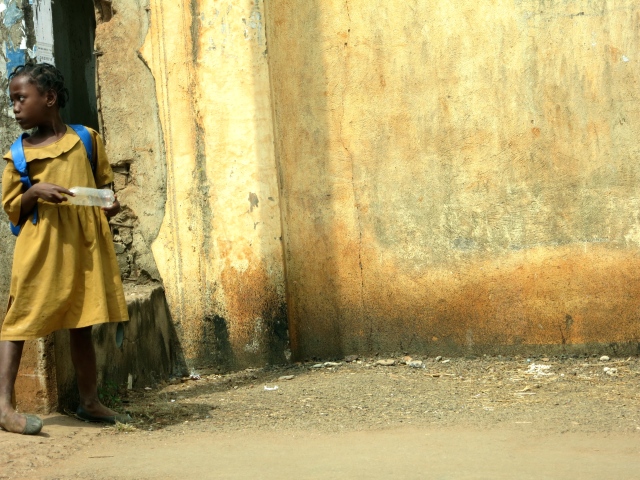
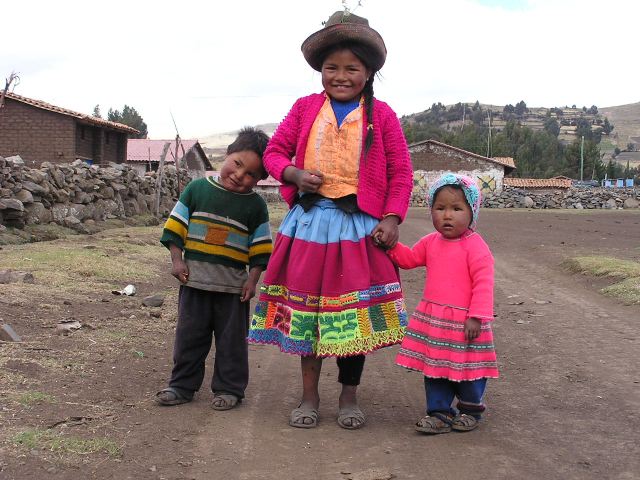
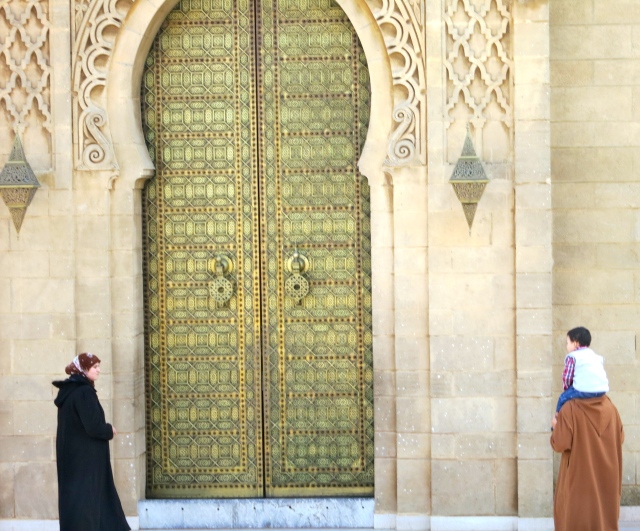
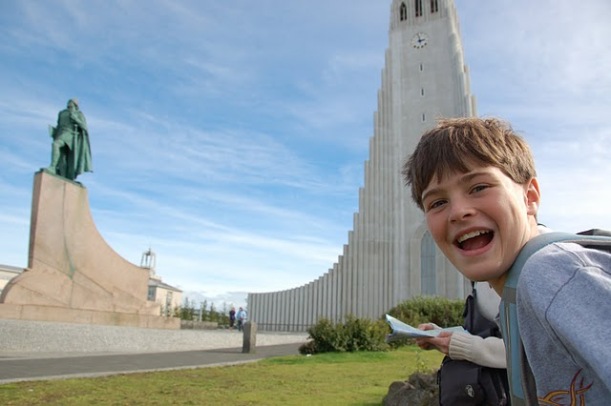
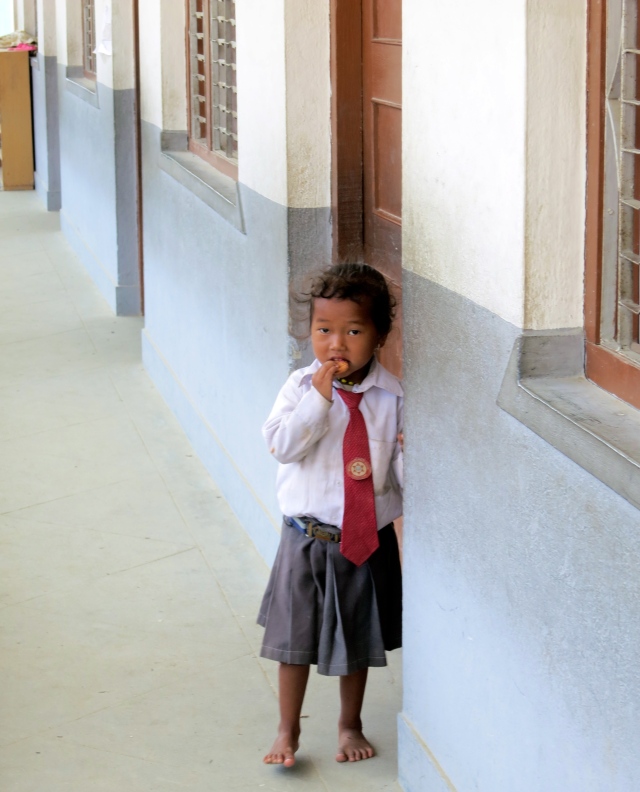
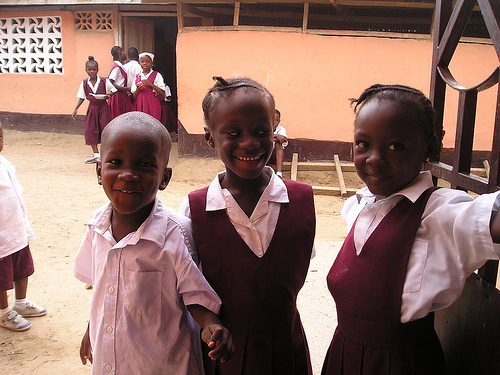
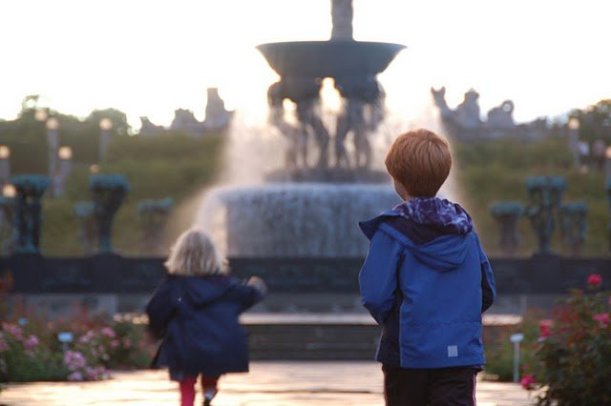
In honor of Universal Children’s Day 2013, I’m sharing a few of the rights guaranteed by the Convention along with photos of children I have taken around the world.
Article 1: “A child means every human being below the age of 18 years.”
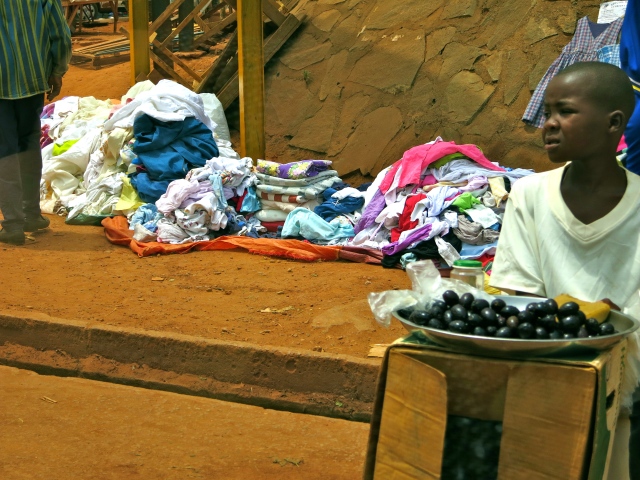
A child in Cameroon
Article 2: Children must be treated “ … without discrimination of any kind, irrespective of … race, colour, sex, language, religion, political or other opinion, national, ethnic or social origin, property, disability, birth or other status.”
A child in Zanzibar
Article 3: “In all actions concerning children … the best interests of the child shall be a primary consideration.”
Children in Peru
Articles 5 & 18: State signatories must “… respect the … rights and duties of parents … [and recognize that] both parents have common responsibilities for the upbringing … of the child.”
A family in Morocco
Articles 12-14: “… the child who is capable of forming his or her own views [has] the right to express those views [and] the right to freedom of … thought, conscience and religion.”
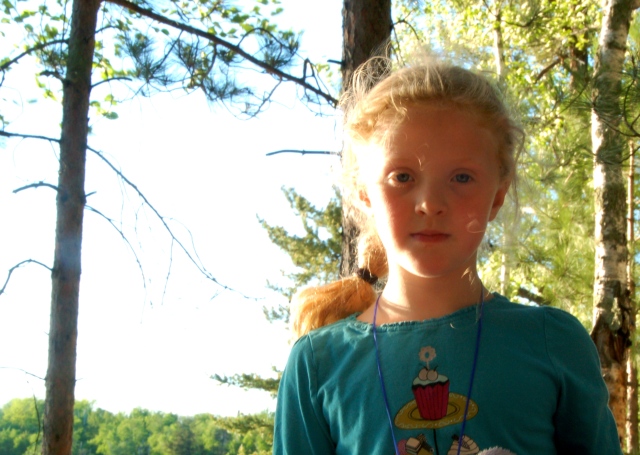
A child in Iceland
Article 19: Children must be protected from “… injury or abuse … including sexual abuse, while in the care of parents … or any other person….”
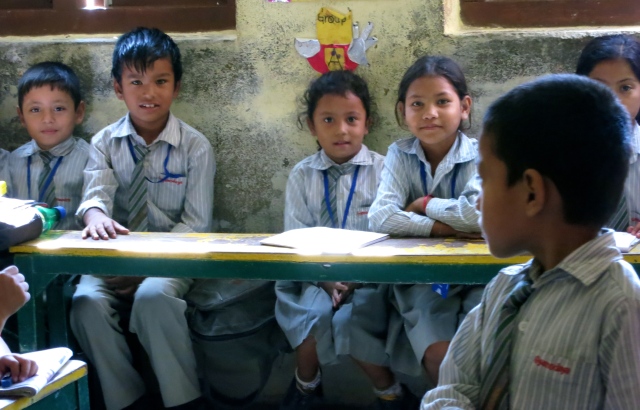
A child in Nepal
Article 22: “… a child who is seeking refugee status or who is … a refugee … [shall] receive appropriate protection and humanitarian assistance ….”
Children in Buduburam Refugee Settlement in Ghana
Article 23: The State recognizes “… the right of the disabled child to special care” and the right to “… enjoy a full and decent life in conditions which ensure dignity ….”
Article 24: All children have the right to “the highest attainable standard of health … [including access to] primary health care … nutritious foods and clean drinking-water.”
Children in Norway
Article 27: Every child has “the right to a standard of living adequate for [her/his] physical, mental, spiritual, moral and social development.”
A child in the USA
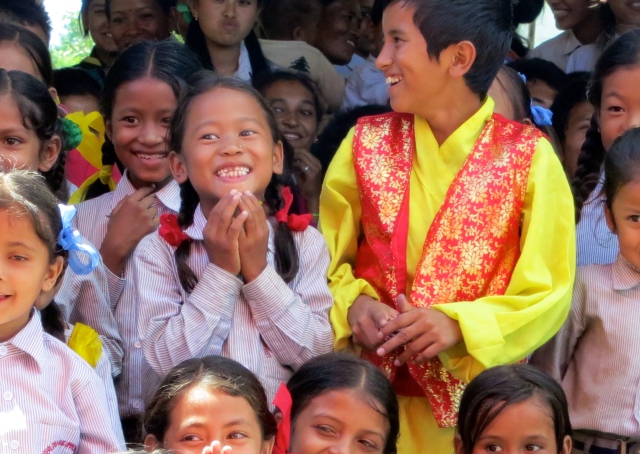
Articles 28 & 29: State signatories must “recognize the right of a child to education…[that develops] the child’s personality, talents, mental and physical abilities.”
Children in Nepal
Articles 32 & 36: Children must be “protected from economic exploitation … and from [hazardous] work [and] all other forms of exploitation.
She asked me this in the bathroom, as I was drying my hair. No matter what I am doing, my two youngest kids seem to hover around me, fluttering like moths to a flame. The lack of privacy – not to mention personal space – doesn’t really bother me anymore. And often, as on this particular morning, it provides the opportunity to talk about whatever is bubbling to the surface of their young minds.
I weighed my possible responses. My daughter just turned eight. What could a second-grader possibly know about regret? In the end, I answered that, in general, my regrets were not about things that I had done but rather about things that I had NOT done.
“Do YOU have any regrets?” I asked.
After a pause, she admitted, “Sometimes I’m not so nice to some kids at school.”
“But recognizing that you aren’t always nice means that you can do something about it,” I pointed out. “Right?”
She shrugged and wandered off with her American Girl doll. Maybe the message would sink in.
But for me, a question remained, left hanging in the humid, post-shower bathroom air.
What do you do when you have regrets but you know that there is not a thing in the world that you can do about them?
The truth is that my daughter’s question brought me back to a conversation that I had in a very different context. Several years ago, I spent some time in the Buduburam Refugee Settlement in Ghana. I was with a team taking statements from Liberian refugees for the Truth and Reconciliation Commission of Liberia. It was almost exactly six years ago – May 2007 – and it was grueling, emotional work. I interviewed more than 40 people that week and every single one of them had suffered multiple layers of trauma and unimaginably tragic loss. One after another, in family groups and as individuals, they sat before me in a small, cramped office. Sometimes there was power for the ceiling fan to move the hot, heavy air; sometimes there was not. Each one of them was a survivor of horror, a testifier to the nightmare of war. (I’ve written about some of them before in Talking To My Kids About Death.)
Even though they had left their homeland of Liberia, what they had experienced was still very much with them. Even if they could push it down deep during the day, the terrors they witnessed would return to haunt their dreams. Many people I interviewed told me of how the nightmares startled them awake at night, sweating and crying. Many more told me of hearing others screaming in the night, neighbors who were trapped in their own PTSD- induced nightmares. There is no privacy in a refugee camp.
There was one woman who has always stayed with me. She was middle-aged, calm and collected. She told me her story in detail, almost scientifically exact. Clearly, she had relived the events many times over. She told me of her life before the war, the fighting and chaos that separated her from her husband and some of her children, the desperate weeks when she, her youngest children, and their neighbors hid in the bush, the treacherous journey to the border. The years – more than a decade- of limbo in this refugee camp.
At the end of any interview, I always ask, “Is there anything else you would like to tell me?”
This woman told me of that the only true regret that she had, the only regret of her life, was about something that she had not been able to do. What she told me went something like this:
We were hiding in the bush and the rebels passed close by. They attacked a village there. They didn’t see us, but we saw them. They killed a lot of people. We were too afraid to move, so afraid they would hear us. There was a baby crying; they must have killed the mother. The baby kept crying and crying and crying. I wanted to go get that baby, but what could I do? I knew the baby’s crying would give us all away to the rebels. The baby kept crying and crying and crying, all night long. And then it stopped. I knew that the baby had died. In the morning, we saw that the rebels had moved on and we left our hiding place. Now I hear that poor baby crying every night in my dreams.
Most people will never be put in a position like this, this untenable Hobson’s Choice. Most of us will never be faced with having to make the choice between our own life -and that of our children and neighbors – and that of an innocent baby. Many of us would like to assume that we would find a way to not make the choice; that we would find a way to save that baby.
I knew I could not save that baby. I wanted to, so much, but I knew I could not. Even so, I have always felt bad about it. I have never told anyone – not one single person – about this before. Just telling you now – it makes me feel better.
I don’t have any answers here, just as I had nothing to say to this woman other than “I am so sorry.” I can’t change the world. I can’t promise my daughter that she won’t experience pain or sorrow or guilt or regret. I don’t even have an image to go along with this post.
But if there is one thing that I took away from that hot, cramped interview room in that refugee camp in Ghana, it is that there is a value in bearing witness. I had worked with refugees and torture survivors for years, but it took this one woman to bring that point home to me. There is a value in simply listening, and in confirming for someone who suffered injustice that, “It is not right and I’m sorry that this happened to you.”
It may seem insignificant, but it is not. And it is a reminder that when you come in contact with someone who is suffering, in either a big or a small way, there is always something that you can do. You can listen.
I picked up my seven-year old daughter early from school one day not too long ago. “How was your day?” I asked, as she buckled herself securely into her booster seat. The key was in the ignition, and my brain had already sent the signal to my hand to turn it, when she replied,
“OK. Except that X touched me inappropriately this morning.”
We were running late for the appointment, but I did not start the car. Instead, I turned around and looked at her. She sat placidly in the backseat, the afternoon sun backlighting her golden curls like an angel’s aura. She gazed at me innocently with her big blue eyes. She didn’t look at all upset.
“Tell me what happened,” I said.
My voice sounded much calmer than I expected. It certainly didn’t convey what I was feeling. When you are a parent, and your most important job in life is to protect your kid, it is terribly disconcerting – not to mention heartrending – to hear her say something like this. I wanted to scream, “Who in the world would have the audacity to touch MY CHILD inappropriately?!?!”
Somehow, I stayed calm and delved for facts. She answered each question fully and calmly. Here is a summary of what she told me and what I wrote in an email to her teacher later that night:
My daughter told me that X has been touching her a lot and making her feel uncomfortable. She said on Friday that he was rubbing her upper thighs and touched her briefly in the bathing suit area. She said that it is usually during circle time that this happens, so she tries not to sit near him. I told her to tell you immediately the next time it happened, but I would appreciate it if you could keep an eye out for this behavior and help her avoid it.
I did not include this in the email, but she also told me that she always asked her friends to sit around her at circle time, a perimeter of girlfriend protection.
Up until last year, I think my reaction might have been different – more anger than the deep sadness that I was feeling. But after I wrote (and Time published) the How to Raise Boys Not To Be Total Jerks piece about my reaction when my son told a sexist joke, I heard from dozens of women about their experiences with inappropriate touching, sexual harassment, and sexual abuse. Women of all ages, ethnicities and occupations, shared their experiences from all over the world. A couple of medical professionals even told me about patients who had touched them inappropriately during medical examinations. The sad truth is that these are experiences that are all too common for girls and women throughout the world. I realized, sitting there in the car with my key in the ignition, that this was only the beginning for my second grade daughter.
In those few seconds before normality returned and we drove on to the orthodontist, I saw an image of myself in the second grade. An image, like I was watching from above, of myself at the age of 7, pinned down in the dust on the playground at Magnolia Woods Elementary School by a boy who easily weighed twice as much as me. I had not thought of it in more than 30 years, but now I had a sudden, strong remembrance of the feeling of being panicked and trapped, as he sat heavily on my chest and held my wrists down on either side of my head.
I had thought that we were playing chase at recess; HE told me that we were playing kissing chase. He demanded that I hold still so he could kiss me – he caught me, so it was his right. A kiss was the price of my freedom. I remember thrashing, kicking, rolling my head and arching my back, all to no avail. A crowd of first and second graders gathered to watch. I think they were cheering him on.
The school may have taken its name from magnolia trees, but I frankly don’t remember any. There were crepe myrtle trees all along the walkway where we second graders lined up to enter our classrooms. Small tree frogs congregated there; they seemed to have no purpose in life other than to sing happily and spit down on us. A certain times in the year, the crepe myrtles’ strange, pink blossoms – which looked like something right out of Dr Seuss – covered the trees. Pink petals blanketed the sidewalk where we second graders lined up.
As I struggled to break free from this boy, oh how I longed for the crepe myrtle trees and the safety of my classroom door! I pictured myself running, as fast as I could, to that safe spot. Instead, I lay on my back, trapped, in the dust on the playground, trying not to see the boy’s face hovering inches above me. Looking instead for the freedom above me, in the bright blue of a Louisiana winter sky and a canopy of towering swamp oaks.
I have no complaints about the way my daughter’s school responded. The teacher replied within a few hours and forwarded the information on to the school principal and social worker. First thing on Monday morning, the social worker interviewed both students. By Monday afternoon, they had put place a six point plan of strategies to ensure the safety of all of the second graders. The school social worker laid it out for me:
1) I will speak to all of the 2nd grade classrooms about appropriate interactions.
2) All students will be reminded to tell an adult as soon as something happens so we will be able to address it.
3) Teachers will be vigilant and observant in the classrooms for appropriate student interactions.
4) The playground staff will closely monitor for concerning behavior.
5) Seating assignments will be made based on student needs.
6) Students who cannot follow the rules will be seated next to the teacher.
The school social worker also said, “Please acknowledge your daughter for telling you, so you could inform us.”
When my daughter got home from school the next day, she reported that all six points of this plan had already been implemented.
“I’m proud of you for telling me. It was the right thing to do,” I said.
“I know,” she sighed. “Everyone keeps telling me that! I’m getting kind of tired of hearing about it.”
But here’s the thing. Statistics on sexual abuse in children are hard to come by because the majority of cases are never reported to authorities (estimates on reporting range from between only 12% (see Hanson, 1999) and 30% of cases (Finkelhor, 2008)). Based on reporting percentages, the real number of cases of sexual abuse could be anywhere from 260,000-650,000 kids a year. To put it another way, as many as one in three girls and one in seven boys in the United States will be sexually abused at some point in their childhood.
I’m not suggesting that what my daughter (or I) experienced was sexual abuse. But it was an assault – and definitely a wake up call to my daughter’s vulnerability to the potential of something much worse. I don’t know the little boy who I call X here. I’ve also been around kids enough to know that second graders get squirrelly. Sometimes, especially in close quarters, they have trouble keeping their hands to themselves. I’m not willing to make any assumptions about this kid or speculate that his behavior is a sign that he will grow up to be a sexual predator. But research shows that 40 percent of child sex abuse is committed by other children or adolescents. In fact, as many as 50 percent of those who sexually abuse other children are under the age of 18. These are facts that I did not know before.
When the recess bell rang and that boy got off of me, I sprinted for my second grade classroom door. I got there before any of the other kids and put my face against the glass window to cool my cheeks, which were burning with shame and embarrassment. For the next week or so, I spent recess in different part of the playground, doing penny flips on the monkey bars. When I finally went back to playing chase, I made sure that I ran as fast as I could so I would never get caught. For the rest of my time at Magnolia Woods, I was careful to keep away from that boy. But I never told a single person – not my friends, not my teacher, not my parents – about him holding me down and trying to kiss me. Not even when I saw him do the same thing to other girls.
So I’m thankful that my daughter told me about what happened to her. And I’m thankful that the school took quick and decisive action, reinforcing the message for all of the kids and staff that school is a place where everyone has a right to feel safe. I’m especially thankful that something worse did not happen to my daughter, but also that this experience has left her better prepared for the future.
Child sexual abuse happens in all racial, religious, ethnic and age groups, and at all socio-economic levels. Talk to your daughters and your sons about appropriate v. inappropriate touching, as well as what to do if it happens to them – or if they see it happening to someone else. If you’ve talked to them about it once, then do it again. Kids need to hear it again as they move through their various developmental stages. If you feel uncomfortable, just remember that what you are doing is preparing your kids to protect themselves, something they will have to do for the rest of their lives.
Resources about identifying signs of and avoiding child sexual abuse can be found at Stop It Now. If you know of other good resources, please feel free to add them in the comments.
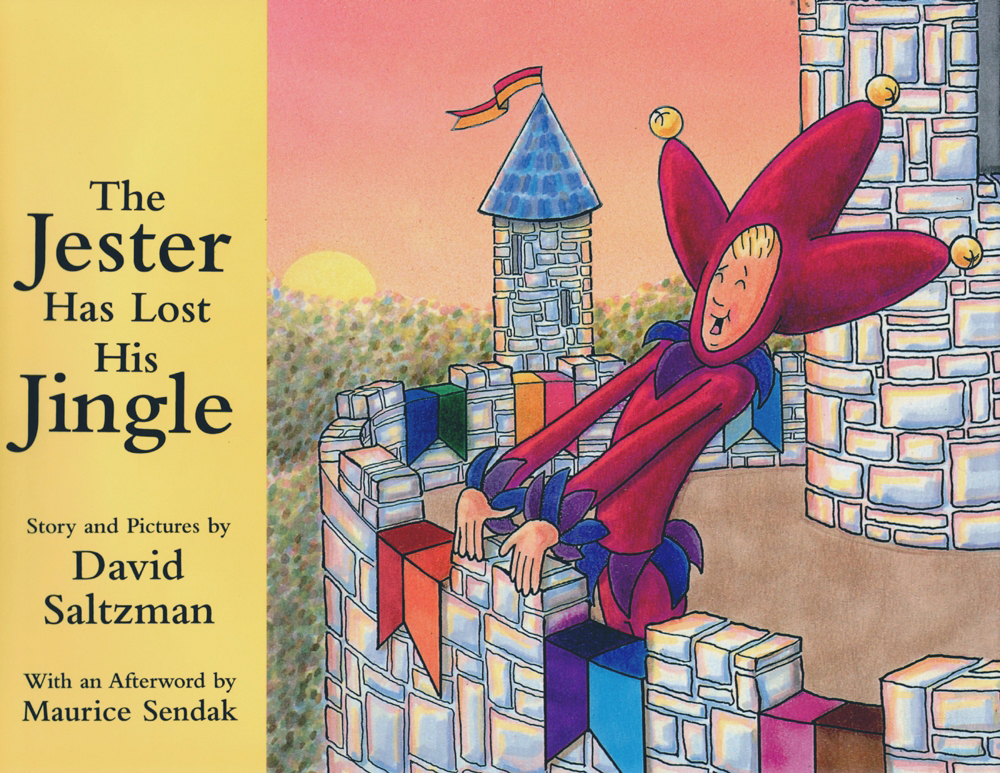
For his senior project, my talented college friend Dave Saltzman wrote and illustrated a children’s book. He did this during a time when he was being treated for cancer. Dave was diagnosed with Non-Hodgkin’s lymphoma during the fall of our senior year; he died a year and a half later, 11 days short of his 23rd birthday. Somehow, through it all, he managed to remain not just upbeat, but JOYFUL. He poured his energy, boundless even when his body was fighting cancer, into this book. The story didn’t really grab me – it seemed too facile – but the intricately detailed, jewel-toned illustrations certainly did. Later, I realized that Dave was hoping that other kids with cancer would read this story and feel hope. But at the time, it just never occurred to me that Dave would actually die.
I remember walking through the gallery at Dave’s senior art show, where the pages of his book were framed and displayed. The colorful illustrations seemed to refract off the white walls of the gallery, sparkling like an indoor rainbow. They were the sunlight of a bright young life, reflected through the jewel-toned pages of a children’s book.
Dave’s book The Jester Has Lost His Jinglewas later published with an afterword by Maurice Sendak. The two met only briefly, when Sendak came to Yale to give a presentation. Dave hung around afterwards to get his autograph. He told me about it later, but another friend, Jackie, was there. She described the meeting like this: “The two spoke and laughed and I was just thrilled to be in the presence of two such delightful and talented souls. I’ve long been a huge fan of Sendak’s work, but in my mind Dave always understood Sendak best.”
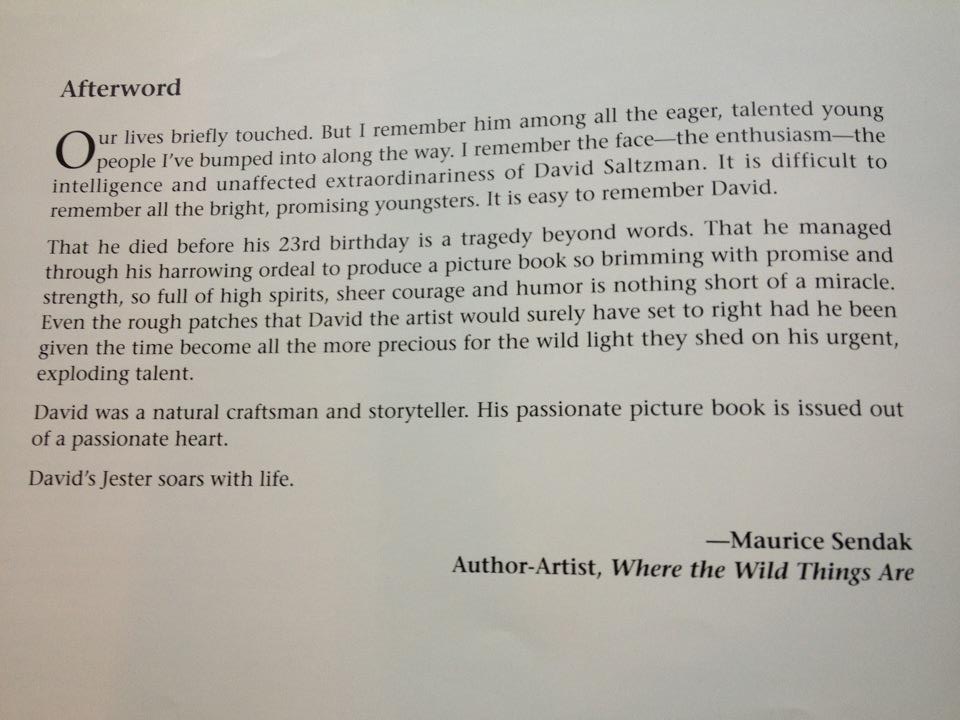
As important as Where The Wild Things Are was to my childhood – so important that it was one of the few books I brought to with me to college – Maurice Sendak was most important to me because of these words:
Afterword
Our lives briefly touched. But I remember him among all the eager,talented young people I’ve bumped into along the way. I remember the face – the enthusiasm- the intelligence and unaffected extraordinariness of David Salzman. It is difficult to remember all the bright, promising youngsters. It is easy to remember David.
That he died before his 23rd birthday is a tragedy beyond words. That he managed during his harrowing ordeal to produce a picture book so brimming with promise and strength, so full of high spirits, sheer courage and humor is nothing short of a miracle. Even the rough patches that David the artist would surely have set right had he been given the time become all the more precious for the wild light they shed on his urgent, exploding talent.
David was a natural craftsman and storyteller. His passionate picture book is issued out of a passionate heart.
David’s Jester soars with life.
– Maurice Sendak
Author-Artist, Where The Wild Things Are
When the news of Sendak’s death was announced this week, Deb (another college friend) had this to say, “I’ve been wondering what wonderful, amazing and wacko things we would have read in Dave’s obituary, had he reached the ripe old age that Sendak did.”
I’d like to think that these two talents are now together, not as the old and the young or the fame secured and the potential lost. I picture them both as equals, working together in the sunlight and collaborating on wonderful, amazing, wacko new projects.
So, in the spirit of the “Best of 2011” season, I decided to put together my very own top 25 list. The only problem is that these days there is precisely one thing in my life that is entirely within my control – my Facebook status updates. Welcome to “Best of My 2011 Status Updates”! I’m posting it now before Facebook – through random-number generator or Mark Zuckerberg’s pet rats in a Skinner box or whatever means they use to decide these things – tells me what my Best 2011 Status Updates are and then posts them in my friends’ News Feed. (Which I predict will happen on Monday, December 26 at 9:36 am EST.)
Best of My 2011 Status Upates
#25 It just seems like you shouldn’t have to start your day with the sentence, “Hey! Don’t pee on your sister!”
#24 It’s snowing. Both the front and the back doors are open. The refrigerator door, too. Come on! Work with me, people!
#23 I was looking for a wineglass but I found Darth Vader in HEAVEN!
#22 “Don’t throw up on the iPad!” And how is YOUR Friday night going?
#21 ”If you’re going to get out of bed, for God’s sake bring the throw up bowl with you!” And how is YOUR morning going?
#20 Taco Tuesday for those family members who did not throw up today. Everyone else gets pablum.
#19 ”Can you make us turkey waffles?” Happy Thanksgiving!
#18 Most of the time, I think I’m just a normal mom. And then I do things like yell, “You boys stop fighting or I’m going to get Nonviolent Peaceforce up in here!!!” Which makes me think I’m not so normal.
#17 A day that starts with threatening your sons with international non-governmental organizations could really only end with teaching your daughter the difference between flipping the bird and the Vulcan “Live long and prosper” sign.
#16 No Comment.
#15 Is it wrong that my first reaction to the Demi/Ashton split is, “Oh no! What will happen to their foundation that works to eliminate sex slavery?”
#14 Burnt the toast. Threw it out the door. Squirrel caught it and scampered away.
#13 I’m thankful for my (ZOMBIE!!!) family and friends.
#12 “No, honey, they are poppy seed muffins. Not hockey seed muffins.”
#11 Today is “World Toilet Day.” That is all.
#10 Better to be a friend hole than that other kind of hole.
#9 Had a brief, friendly chat with my boyz about what to do if a coach wants to bear hug you in the shower.
#8 Accidentally made a reservation for brunch tomorrow at a restaurant in Australia. Stupid World Wide Web!
#7 Apparently my “mom” pheromones are so strong that random German AND Greek children fall asleep on me on transatlantic flights.
#6 That’s right, sweetie. It’s a “coffee blender”, not a “margarita maker”.
#5 Now is as good a time as any to introduce the small fry to Spinal Tap.
#4 Sometimes, it is best just to remain silent. For example, when your 9 year old son says, “Mom, you are a brick house!”
#3 Daughter: “Can I get a Barack Obama Barbie for Christmas?”
Me: “Ummmm…I need to focus on making dinner right now.”
Daughter: “So, is that a YES?”
#2 My Friday night involved a 4th grader, a saxaphone, some sheet music, and two Youtube videos of Boil Them Cabbage Down.
#1. 9 yo son (critiquing little sister on the way she is carrying her babydoll): “You’re never gonna make a good mom.”
6 yo daughter: “Your shirt is on backwards.”
Oops! My Top 25 list is all filled up and I only got as far back as October in my Facebook “Older Posts”! Wait a minute – this is how these these “Best of” lists actually work, isn’t it? They are really just the highlights from the last quarter with maybe one or two standouts thrown in from earlier in the year?
Once Again, No Comment
Postscript: You may be wondering what any of this has to do with human rights. It doesn’t really. But I have learned from working in human rights the importance of humor as a coping mechanism for dealing with the tough things in life. I’ve done a couple of posts on this already: You Really Can’t Make This Stuff Up – Part I and You Really Can’t Make This Stuff Up – Part II. I consider this post to be You Really Can’t Make This Stuff Up – Part III.
“Where, after all, do universal human rights begin? In small places, close to home – so close and so small that they cannot be seen on any maps of the world.”
She knew what she was talking about. Eleanor Roosevelt was the chair of the UN Human Rights Commission and even wrote part of the text of the Universal Declaration of Human Rights (adopted by the UN General Assembly on December 10, 1948). Eleanor Roosevelt was also the mother of six children.
Mothers have an important role to play in making the world a better place for all children. This is not to minimize the roles of fathers or grandparents or guardians or anyone charged with the responsibility of raising children. But I do believe wholeheartedly that mothers have a special role. It is our job to change the world, one kid at a time.
Often mothers are the most vocal advocates for the rights of their children. This is true whether you are a mom trying to get your special needs child the services she deserves or trying to get your child out of arbitrary detention in Iran (like Shane Bauer’s mom). There are many examples of mom/human rights advocates- Mothers of the Disappeared in Argentina, Mothers of Soldiers in Russia .
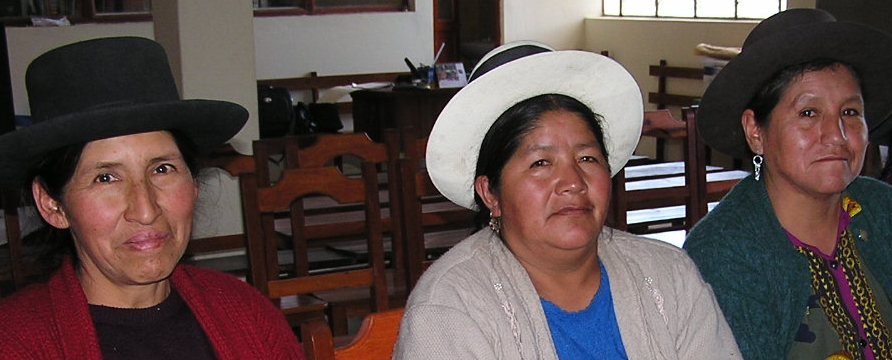
I personally have had the chance to meet and interview mothers involved with the organization ANFASEP in Ayacucho, Peru. These are mothers whose sons were disappeared during the long, violent conflict in Peru. For nearly 30 years, these women have been trying to find out what happened to their family members and where their remains are. One of the women we talked to had four family members who were disappeared. She wants to know where they are and who killed them. “We’re looking for justice,” she said, “and we want to know the truth.” As Mama Angelica Mendoza, President of ANFASEP, told us, “We’ll never forget about all the killings. We’ll fight to the end.”
Mothers of the disappeared (ANFASEP) in Peru.As Eleanor Roosevelt implied more than 50 years ago, the most important place for human rights to begin is at home.
Human rights are the standards that allow all people – each and every one of the 7 billion of us on this planet- to live with dignity, freedom, equality, justice and peace.
Aren’t these the principles that govern the way we want our children to be treated? And, in a nutshell, aren’t these also the core values that every parent wants to instill in their children?
The secret to a better world is not only protecting our children from human rights abuses inflicted on them by others, but also by making them better citizens of the world. Caring about others, judging right from wrong, standing up against bullying or racist comments or sexist jokes. These are the human rights that are essential to the full development of each child as an individual, as well as to the community in which they live. This is the human rights work that changes the world.
Here are my three reasons to work for human rights. I’d love to see and hear about yours!
You must be logged in to post a comment.