Weekly Photo Challenge: The Sign Says

The WordPress Weekly Photo Challenge: The Sign Says this week hit right smack dab on one of my favorite hobbies.  Wherever I go in the world, I take pictures of interesting signs that I see. Here is a sampling of my collection:

Some are hilarious signs I have spotted in bathrooms.  (And it’s worth noting that I have been accidentally locked in a bathroom on every continent but Australia and Antarctica.)

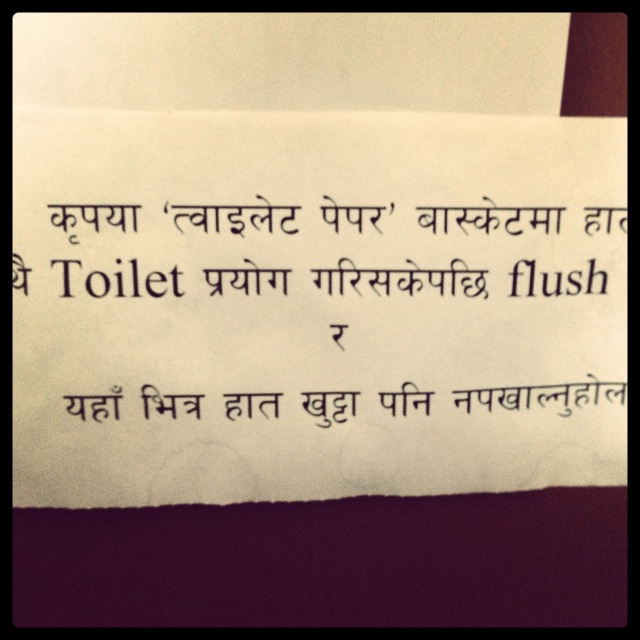
Question:  To flush or not to flush?

To flush or not to flush?  That is the question.
To flush or not to flush? That is the question.
Kathmandu, Nepal

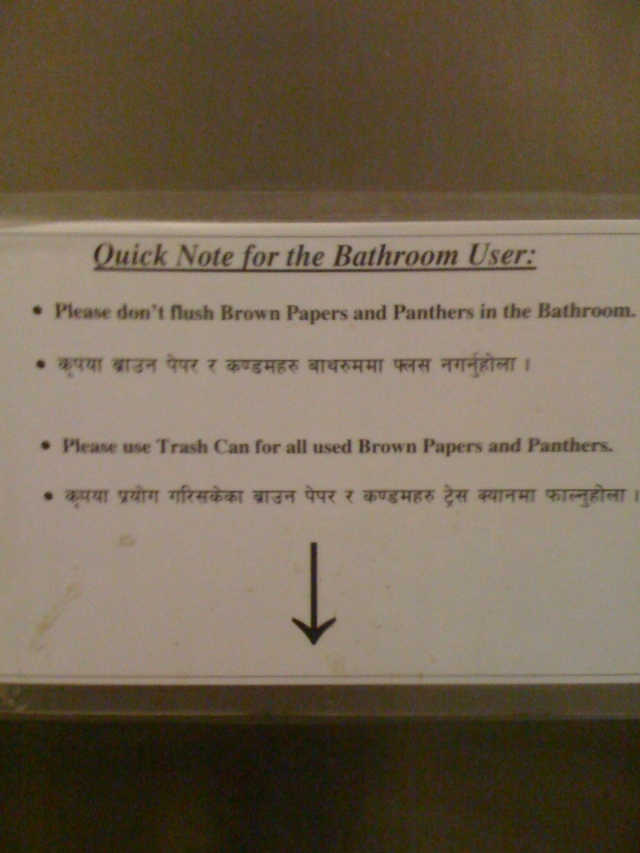
Answer:  DO NOT FLUSH!  DO NOT FLUSH! PANTHERS IN THE BATHROOM!

IMG_0207
Kathmandu, Nepal

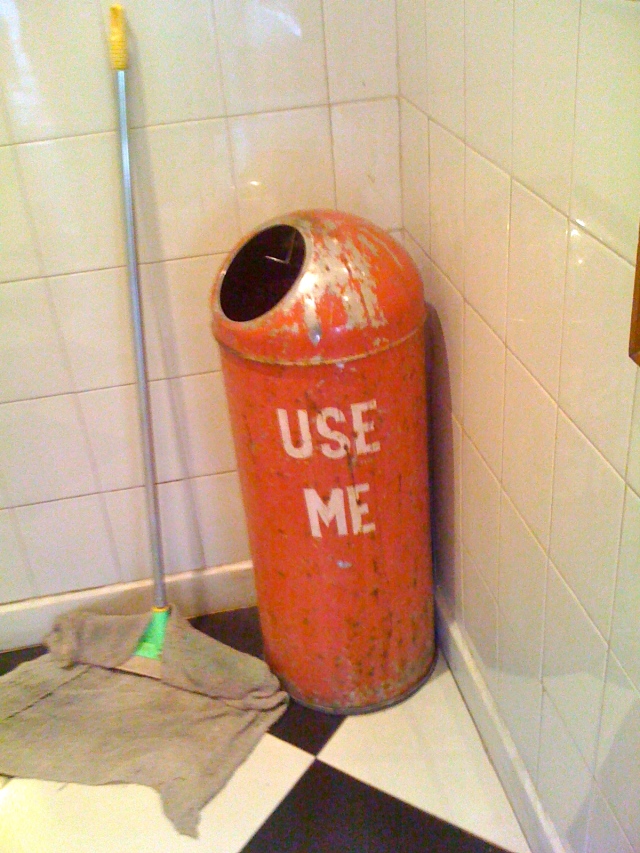
USE THE TRASH CAN FOR ALL PANTHERS! I REPEAT:

Taj Mahal, India (the less glamorous part of the Taj Mahal, that is)

At times, signs can be very clear and direct.

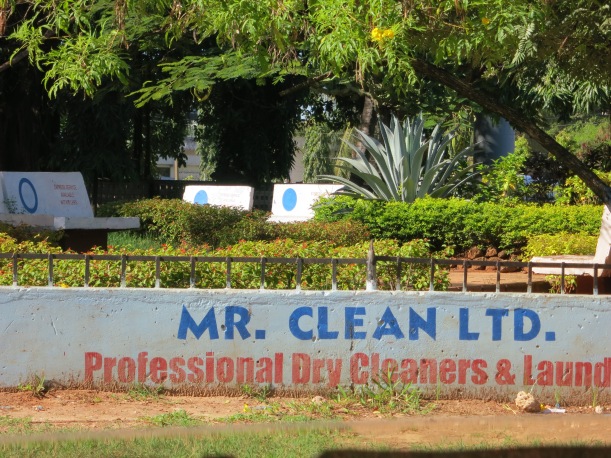
Dar es Salaam, Tanzania
You do want your clothes to be CLEAN, right?
Dar es Salaam, Tanzania

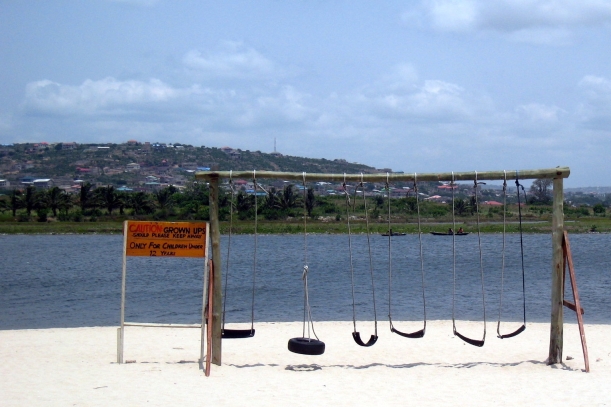
No Grown Ups! Accra, Ghana

CAUTION!  GROWN UPS!

Accra, Ghana

IMG_0404

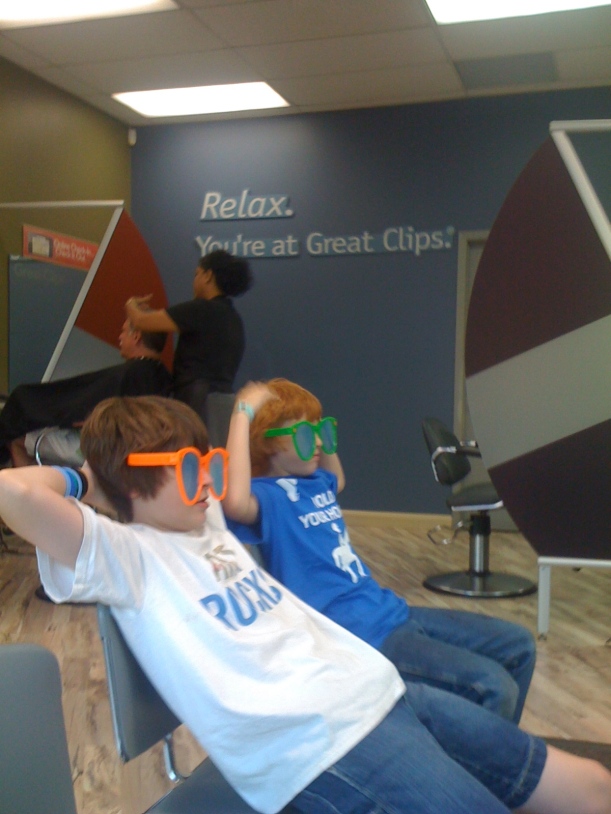
Relax.

Minneapolis, MN USA

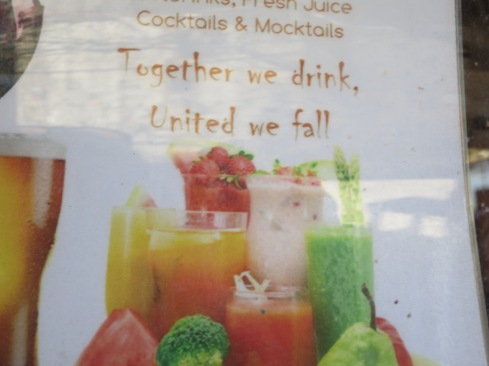
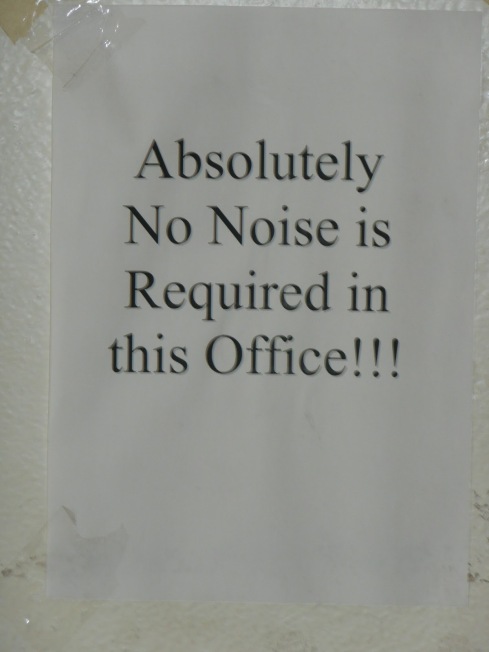
 Other times?  Well, everyone could use a good editor.

What does this even mean? Zanzibar, Tanzania
What does that even mean?
Zanzibar, Tanzania
Monrovia, Liberia
Monrovia, Liberia
Indira Ghandi Airport Delhi, India
Indira Ghandi Airport
Delhi, India

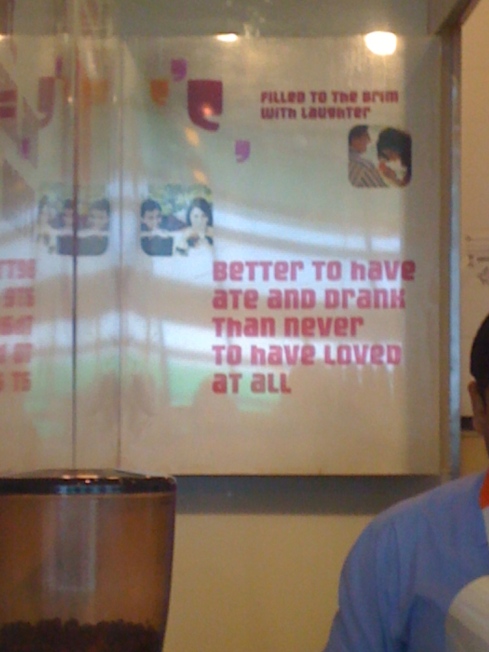
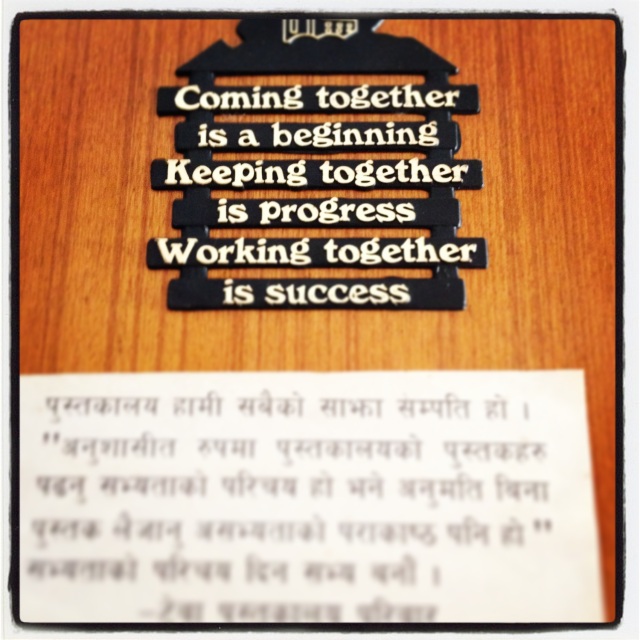
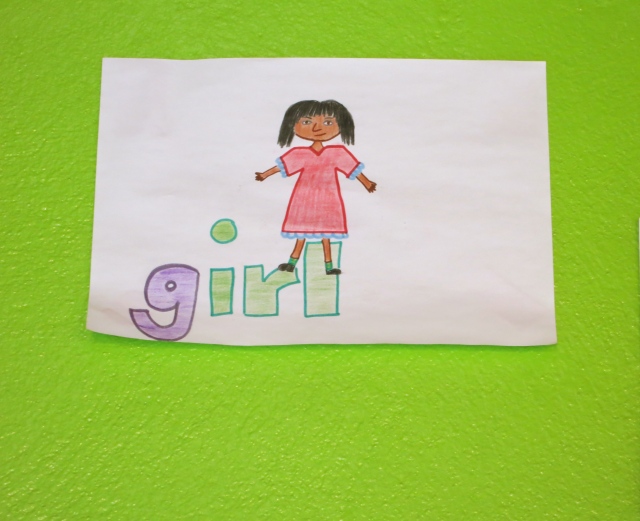
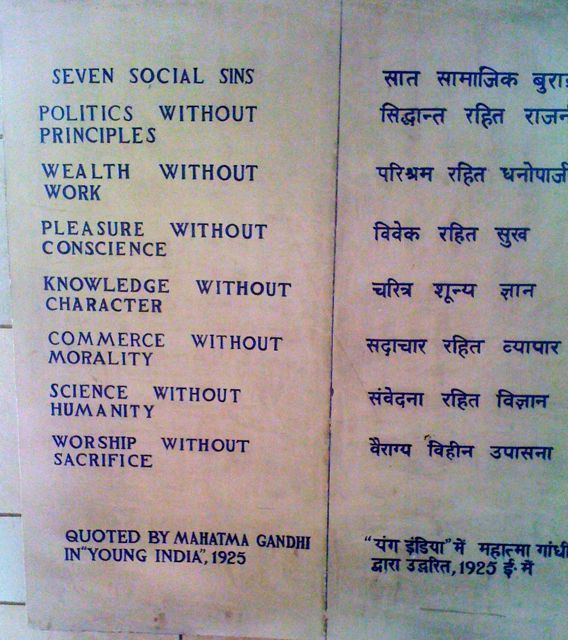
But my favorite signs are those that inspire me.

Kathmandu, Nepal
In the library of a women’s empowerment organization
Kathmandu, Nepal


In the pre-kindergarten classroom of a schoolYaounde, Cameroon
In the pre-kindergarten classroom of a school
Yaounde, Cameroon
Raj Ghat Ghandi Memorial New Delhi, India
Raj Ghat Gandhi Memorial
New Delhi, India
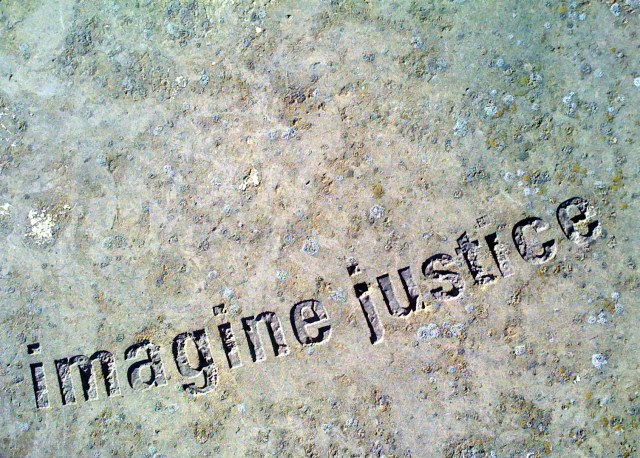
Minneapolis, MN USA
Minneapolis, MN USA

The Human Rights Lesson

20130525-083050.jpg

I spent some time in my daughter’s classroom last week talking to the second graders about human rights.  I’ve been a guest speaker in all of my kids’ classrooms and have done this presentation (a kind of human rightsy mash-up of show-and-tell and career day) pretty much every year since my oldest was in second grade.  But this time was different.  I discovered the night before I was scheduled to speak in her class that my daughter, who just turned 8, was planning to do the presentation on human rights WITH me.

I have a more-or-less standard routine and she knew it well.  (I wrote a post called Same and Different about doing this human rights lesson in my sons’ classrooms.)  First, I do an activity that I call Same and Different.  I have several photos from West Africa that I had blown up and mounted on foamcore.  I show the kids a photo and have them point out what they see in the picture that is the same in their lives and what is different.  It always generates great discussion and often the kids see things in the photos and make connections that I never did.  Hopefully, by showing that all humans have similarities in spite of our differences, it also plants some seeds of respect and tolerance.

When I got to her classroom, my daughter brought her small plastic chair to the front of the class and set it down firmly right next to mine.  After introducing me (with the class microphone), she sat down beside me.  She had assigned herself the assistant’s job of holding the photos for all to see while I led the discussion.  A couple of times I had to remind her to hold the photo out so that all the kids could see, but overall she did a great job.

The next activity I do is to pass around a selection of items that I have picked up on my travels for work.  As we pass them around so that everyone gets a chance to touch them, we again discuss what is the same and different in our lives.  This time, I didn’t gather a thing for the activity; my daughter collected everything the night before our presentation.  A yak wool blanket from Nepal, a wooden statue of  a traditional palava hut from Liberia, coins and bills from Cameroon – all went into a bag I had brought her from Ghana.  She even added her pink beaded pointy-toed slippers from Morocco.  When I reminded her that she would have to share and let everyone touch them and try them on,  she hesitated for a moment.  In the end, though, her slippers went into the bag.

To close out the presentation, I usually read a children’s book or two about human rights.  I have a couple of favorites.  For Every Child, A Better World by Kermit the Frog is one that we own two copies of, but of course we couldn’t find either when we needed it.  I went to library to check out a copy and discovered shelved right beside it I Have the Right to Be a Child by Alain Serres.  This beautifully illustrated book presents the concept of human rights, especially those of children as set out in the UN Convention on the Rights of the Child.

When I brought the books home from the library, I asked my daughter,

“Which do you want me to read to your class?”

“I want to read them both,” she said.

She did a beautiful job of reading both books to the class.  I was so proud that I teared up, right there in front of all the second graders and their teacher.

In some ways, it is easier to talk to kids about human rights than adults.  Because children generally see things in terms of black and white, right and wrong, it is easy for them to understand that we all have rights – the right to voice our opinions, to go to school, to be free from violence.  The right to have food and shelter and clean air and water.  The thing about kids is that they have a very strong natural sense of justice (as it applies to them, at least) they understand the inequities of a world where not everyone is able to access those rights.

One girl  came up and hugged me after the human rights lesson.

“It makes me sad,” she said, “to think that not all kids have enough to eat.”

“What you are feeling is empathy,” said the teacher.  “And that’s good.”

Knowing about the problem – caring about it and wanting to do something about it – is the first step towards change.

The last thing I heard as I left the classroom was another little girl saying,

“I think I am going to write a letter to President Obama and ask him why we are not part of the Convention on the Rights of the Child.”

There are a lot of things about working in human rights that are not easy, but this was a very  good day!

More ideas for human rights activities to do with children:

10 Things to Do With Your Kids on Human Rights Day

10 More Things to Do With Your Kids on Human Rights Day

Same and Different

Escape to Hydra

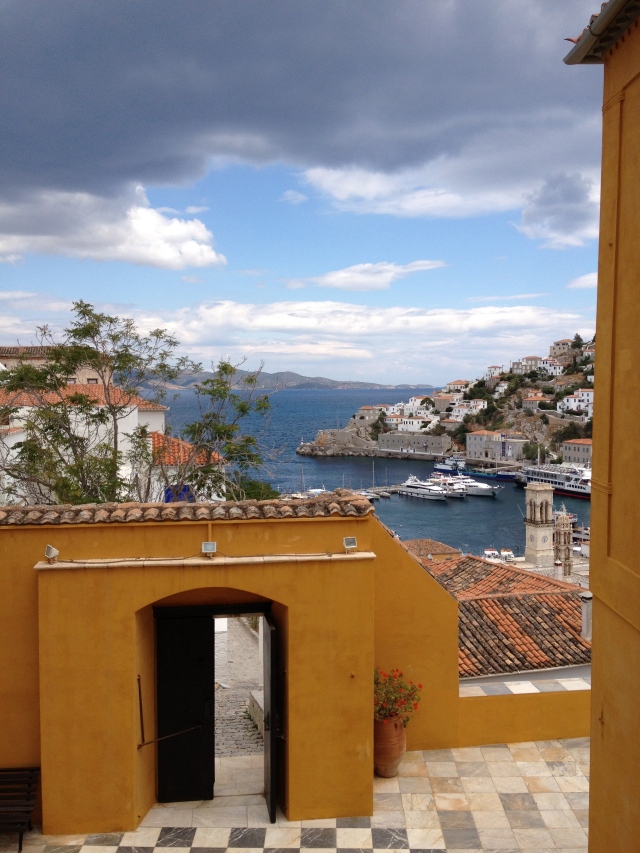
Looking down at Hydra Port, Greece
Looking down at Hydra Port from the Koundouriotis mansion.

One year ago today, I stepped off the ferry from Athens to spend a long weekend on the island of Hydra with my parents, brother and sister-in-law. No kids, no work – it was a true escape! Yδρα, pronounced [ˈiðra] in modern Greek) is one of the Saronic Islands of Greece, located in the Aegean Sea between the Saronic Gulf and the Argolic Gulf. It is separated from the Peloponnese by narrow strip of water. It’s an easy ferry ride, only a couple of hours from Athens. The island has a storied maritime tradition and became a center of power and wealth in the 18th century due to the shipping industry. Hydra played a major role in the Greek Revolution against the Ottoman Empire in 1821.

IMG_0245
The flag of Hydra (on the right) reflects the maritime history of the island.

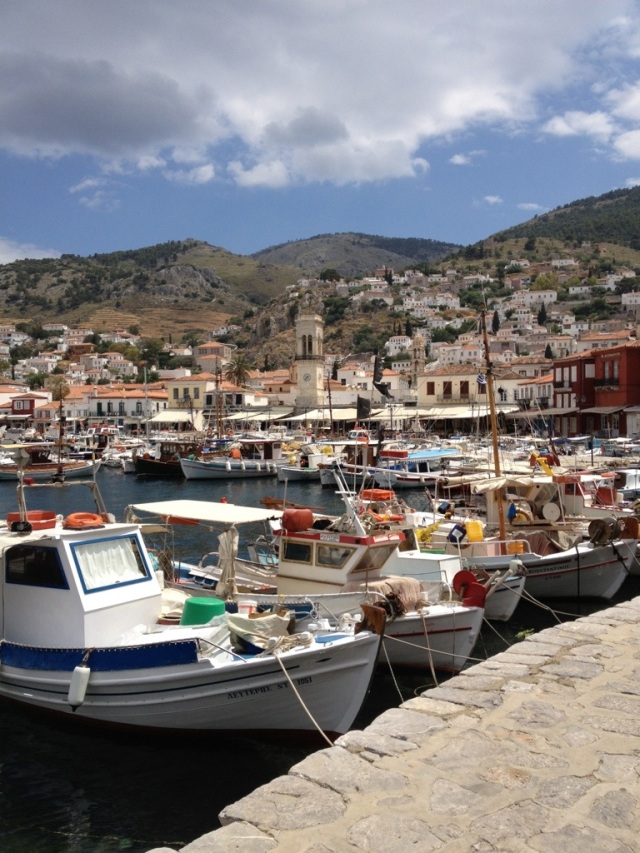
There is one main town, known simply as Hydra Port, with a population just shy of 2,000.  Tourists generally arrive by cruise ship, ferry or yacht. Most only come for the day and don’t venture far from the shops and restaurants on the harbor.

Harbor at Hydra Port

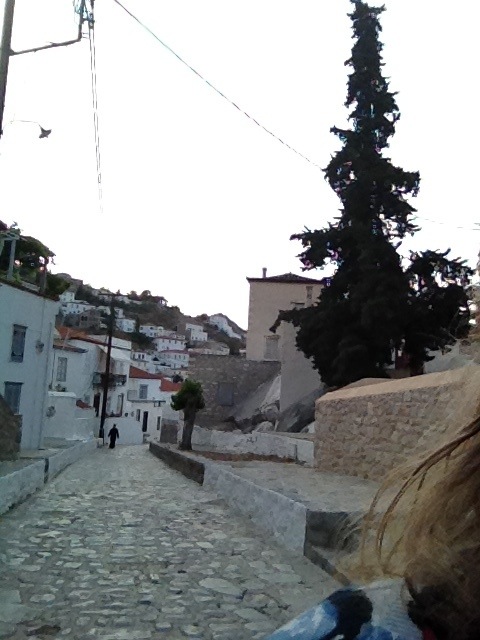
Steep stone streets lead up and outwards from the harbor area. Most of the local residences on the island are located on these streets.

20130517-191507.jpg
Sneaky shot of the priest walking behind me up the street.

I was told that the only motorized vehicle on the island is the town’s garbage truck.Instead of cars, the locals use donkeys. My parents spotted donkeys hauling everything from a refrigerator to a coffin. (This guy was eating his lunch.)

20130517-191405.jpg

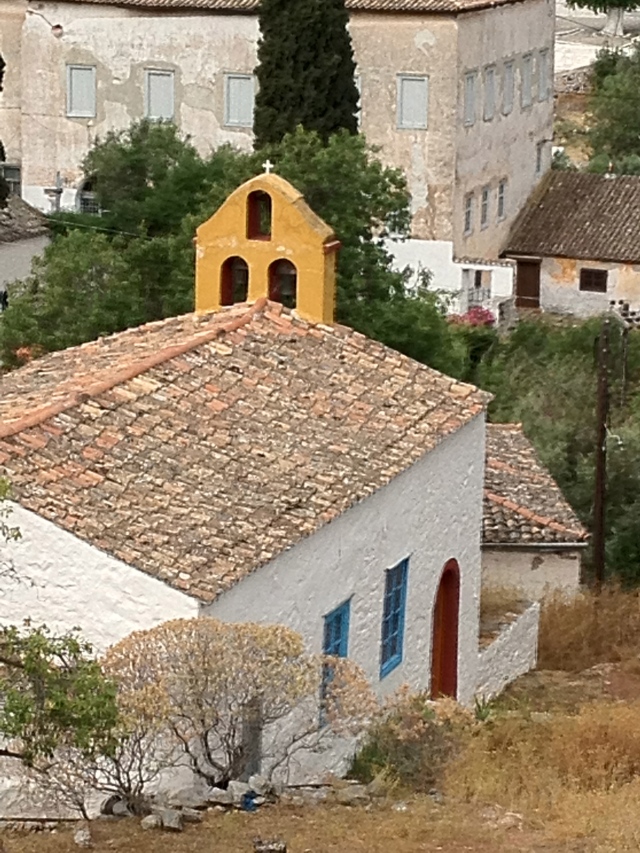
There are many churches and monasteries on Hydra.  Unfortunately, I visited a few weeks too late to celebrate the Greek Orthodox Easter.  I loved the colors on this little church, which I could see from the window of the house we stayed in.

IMG_0237

I thought perhaps that the island was named after the Hydra in Greek myths, the gigantic monster with nine heads that grew back when you cut them off. The destruction of Hydra was one of the 12 Labors of Hercules, but it turns out that it has no relation to the island. In ancient times, the island was known as Hydrea (Υδρέα, derived from the Greek word for “water”), which was a reference to the springs on the island. Ironically, the springs have dried up and water now arrives by ship to supplement the rainfall captured in cisterns.

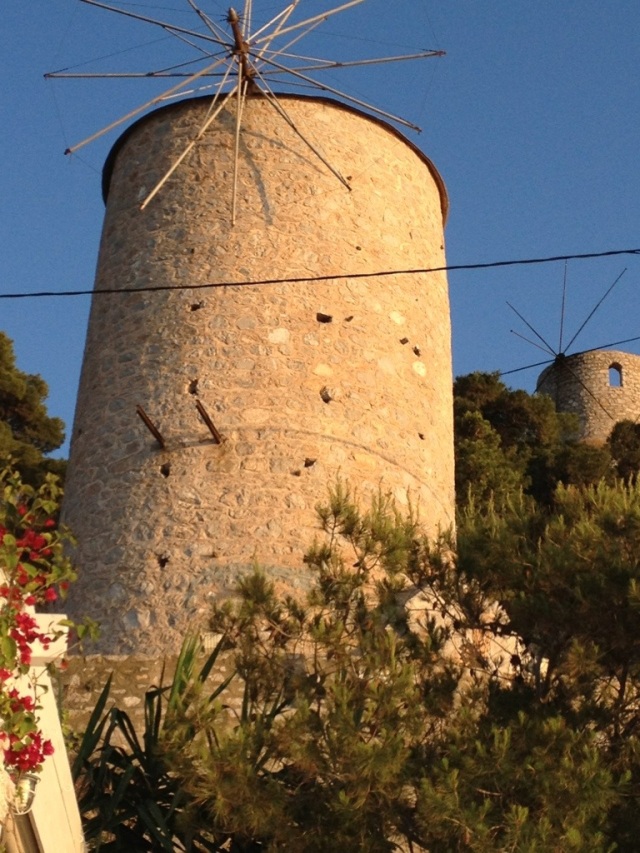
Hydra is knownfor its windmills.

Ancient windmill on Hydra

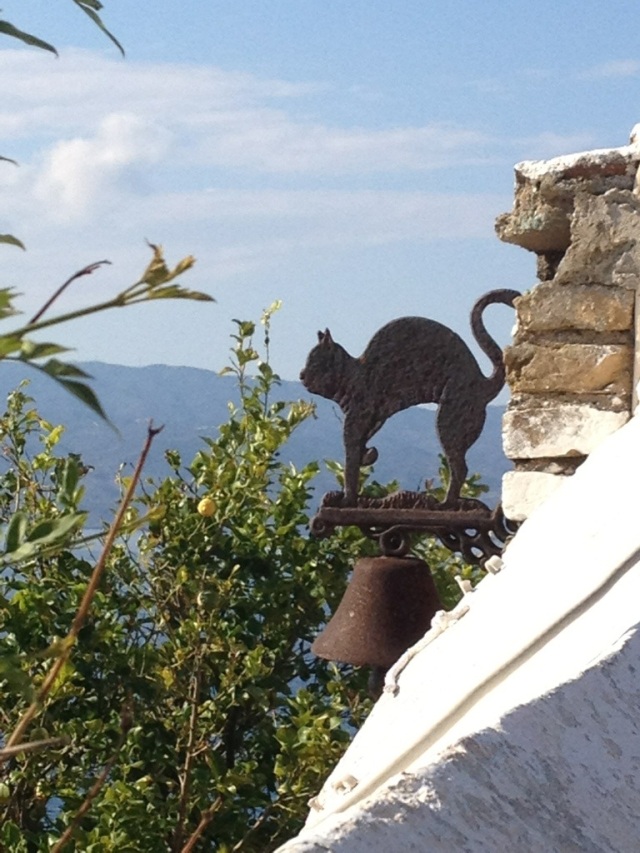
Hydra is also known for its large population of feral cats.

20130517-174026.jpg

A point of pride, I presume!

20130517-191320.jpg

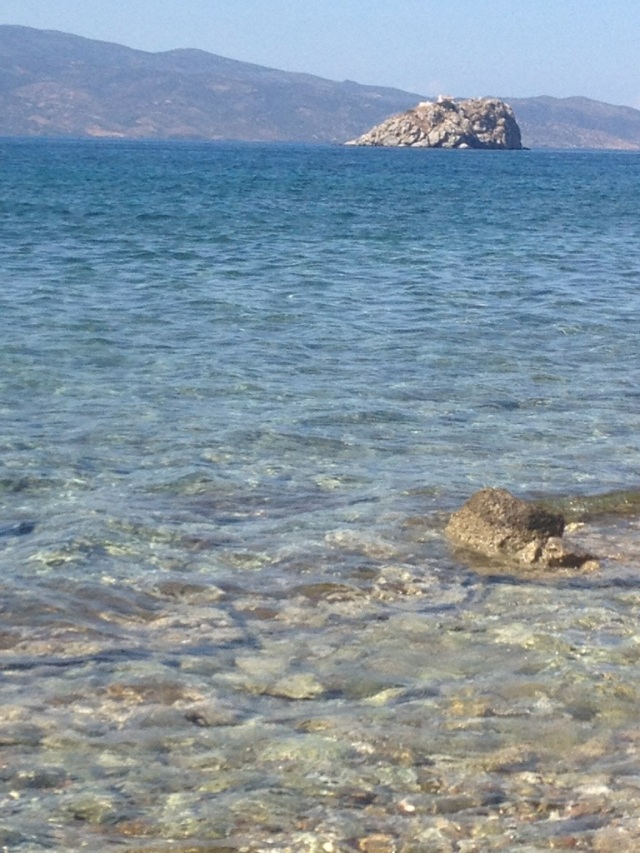
One thing that Hydra is not known for is its beaches. The travel sites all say there is only one decent beach on the island.  While it’s true that the beaches are rocky, it also means that the water is crystalline; snorkeling is fantastic on Hydra!  Just a few yards from shore, the ground drops away dramatically and you can see amazing fish, sea urchins, and other sea creatures.

Rocky shores mean crystal clear water for snorkeling.

Going to a new place and learning about its history and people – that’s my idea of a great escape!

This post is a response to the Weekly Photo Challenge: Escape. Read more entries here!

(I also wrote a post about human rights in Greece.  Check it out! The Other Greek Crisis: Xenophobia and Mass Detention.

Weekly Photo Challenge: From Above

20130503-154859.jpg

I know up on top you are seeing great sights,

But down here on the bottom,

We too should have rights.

                                                                                                           – Dr. Seuss, Yertle the Turtle  

This post is in response to the WordPress Weekly Photo Challenge: From Above.  Click on the link to see more!

Regrets

A couple of days ago, my  daughter asked me, “Do you ever have regrets?”

She asked me this in the bathroom, as I was drying my hair.  No matter what I am doing, my two youngest kids seem to hover around me, fluttering like moths to a flame.  The lack of privacy – not to mention personal space – doesn’t really bother me anymore.  And often, as on this particular morning, it provides the opportunity to talk about whatever is bubbling to the surface of  their young minds.

I weighed my possible responses. My daughter just turned eight. What could a second-grader possibly know about regret?  In the end, I answered that, in general, my regrets were not about things that I had done but rather about things that I had NOT done.

“Do YOU have any regrets?” I asked.

After a pause, she admitted, “Sometimes I’m not so nice to some kids at school.”

“But recognizing that you aren’t always nice means that you can do something about it,” I pointed out.  “Right?”

She shrugged and wandered off with her American Girl doll.  Maybe the message would sink in.

But for me,  a question remained, left hanging in the humid, post-shower bathroom air.

What do you do when you have regrets but you know that there is not a thing in the world that you can do about them?

The truth is that my daughter’s question brought me back to a conversation that I had in a very different context.  Several years ago, I spent some time in the Buduburam Refugee Settlement in Ghana. I was with a team taking statements from Liberian refugees for the Truth and Reconciliation Commission of Liberia.  It was almost exactly six years ago – May 2007 – and it was grueling, emotional work.  I interviewed more than 40 people that week and every single one of them  had suffered multiple layers of trauma and unimaginably tragic loss.  One after another, in family groups and as individuals, they sat before me in a small, cramped office.  Sometimes there was power for the ceiling  fan to move the hot, heavy air; sometimes there was not.  Each one of them was a survivor of horror, a testifier to the nightmare of war.  (I’ve written about some of them before in Talking To My Kids About Death.)

Even though they had left their homeland of Liberia, what they had experienced was still very much with them.  Even if they could push it down deep during the day, the terrors they witnessed would return to haunt their dreams.   Many people I interviewed told me of how the nightmares startled them awake at night, sweating and crying.  Many more told me of hearing others screaming in the night, neighbors who were trapped in their own PTSD- induced nightmares. There is no privacy in a refugee camp.

There was one woman who has always stayed with me.  She was middle-aged, calm and collected.  She told me her story in detail, almost scientifically exact.  Clearly, she had relived the events many times over.  She told me of her life before the war, the fighting and chaos that separated her from her husband and some of her children, the desperate weeks when she, her youngest children, and their neighbors hid in the bush, the treacherous journey to the border. The years – more than a decade- of limbo in this refugee camp.

At the end of any interview, I always ask, “Is there anything else you would like to tell me?”

This woman told me of that the only true regret that she had, the only regret of her life, was about something that she had not been able to do. What she told me went something like this:

We were hiding in the bush and the rebels passed close by.  They attacked a village there.  They didn’t see us, but we saw them.   They killed a lot of people.  We were too afraid to move, so afraid they would hear us.  There was a baby crying; they must have killed the mother.  The baby kept crying and crying and crying.  I wanted to go get that baby, but what could I do?  I knew the baby’s crying would give us all away to the rebels. The baby kept crying and crying and crying, all night long.  And then it stopped.  I knew that the baby had died.  In the morning, we saw that the rebels had moved on and we left our hiding place.  Now I hear that poor baby crying every night in my dreams.

Most people will never be put in a position like this, this untenable Hobson’s Choice.  Most of us will never be faced with having to make the choice between our own life -and that of our children and neighbors – and that of an innocent baby.  Many of us would like to assume that we would find a way to not make the choice; that we would find a way to save that baby.

I knew I could not save that baby.  I wanted to, so much, but I knew I could not.  Even so, I have always felt bad about it. I have never told anyone – not one single person – about this before. Just telling you now – it makes me feel better.

I don’t have any answers here, just as I had nothing to say to this woman other than “I am so sorry.”  I can’t change the world.   I can’t promise my daughter that she won’t experience pain or sorrow or guilt or regret.  I don’t even have an image to go along with this post.

But if there is one thing that I took away from that hot, cramped interview room in that refugee camp in Ghana, it is that there is a value in bearing witness.  I had worked with refugees and torture survivors for years, but it took this one woman to bring that point home to me.  There is a value in simply listening,  and in confirming for someone who suffered injustice that, “It is not right and I’m sorry that this happened to you.”

It may seem insignificant, but it is not.  And it is a reminder that when you come in contact with someone who is suffering, in either a big or a small way, there is always something that you can do. You can listen.

So do it.

Weekly Photo Challenge: UP

20130419-112213.jpg

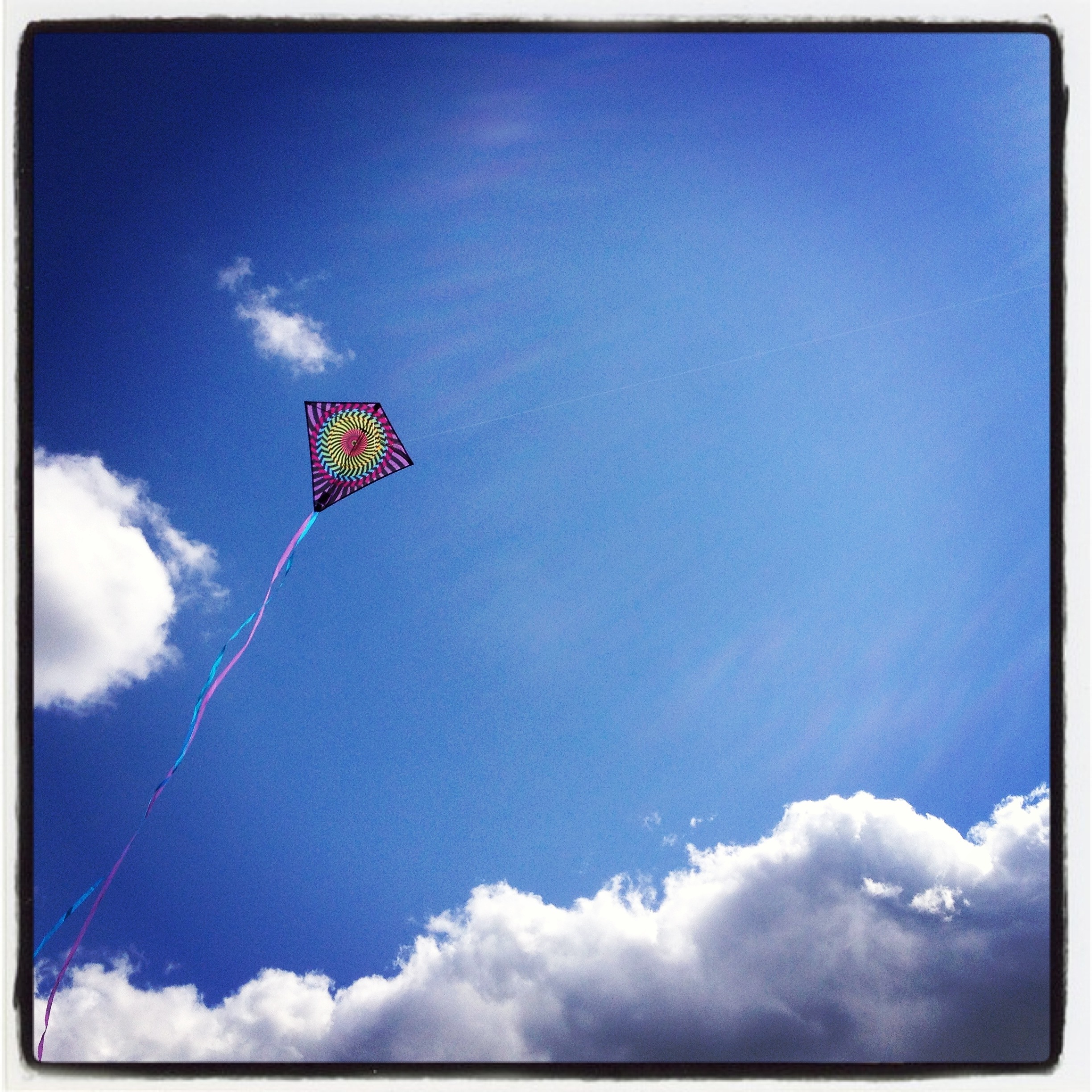
“True courage is like a kite;

a contrary wind raises it higher.”

-John Petit-Senn

Swiss poet and satirist

(1792–1870)

See more photos from the challenge theme UP here.

A Change Is Gonna Come

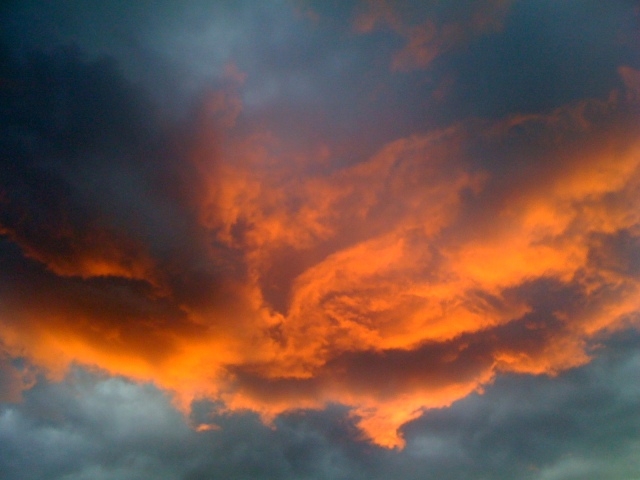
Sunset after a storm in the Sandwich Ridge mountains, New Hampshire
Sunset after a storm in the Sandwich Ridge Mountains, New Hampshire

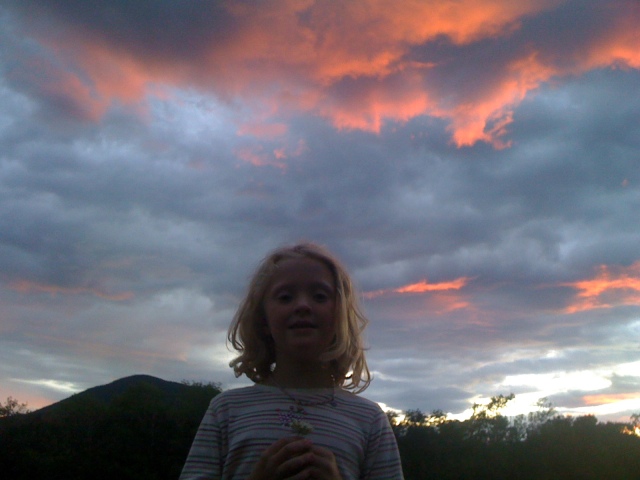
I took this photo last year during a family vacation in Center Sandwich, New Hampshire.  A thunderstorm raged all afternoon, but just as we were finishing dinner the storm suddenly ended.  Three generations of extended family went out into the still-damp field to watch the sunset reflected on the lifting storm clouds.  As often happens in the mountains, it was a dramatic change.  At the time, and ever since, the play of setting sun on passing thunderheads makes me think of Sam Cooke and “A Change is Gonna Come“.  Recorded in January 1964, the song became one of the greatest anthems of the Civil Rights Movement.

A Change is Gonna Come

I was born by the river in a little tent.
Ohh and just like the river,
I’ve been running ev’r since.
It’s been a long time, a long time coming
But I know a change gonna come, oh yes it will
It’s been too hard living, but I’m afraid to die
‘Cause I don’t know what’s up there, beyond the sky
It’s been a long, a long time coming
But I know a change gonna come, oh yes it will.
I go to the movie and I go downtown.
Somebody keep tellin’ me don’t hang around.
It’s been a long, a long time coming
But I know a change gonna come, oh yes it will.
Then I go to my brother
And I say brother help me please.
But he winds up knockin’ me
Back down on my knees, ohh
There have been times that I thought
I couldn’t last for long
But now I think I’m able to carry on
It’s been a long, a long time coming
But I know a change is gonna come, oh yes it will.
A singer who blurred the lines between gospel, R&B and pop, Cooke was reportedly inspired to write “A Change is Gonna Come” by Bob Dylan and “Blowin’ In The Wind”.  While on tour in October 1963, Cooke and his band were turned away from a “whites only” motel in Shreveport, Louisiana where they had a reservation. When they protested,  they were arrested and thrown in jail for disturbing the peace.   Not long after, Sam Cooke wrote “A Change is Gonna Come”
“Sam as a writer saw himself almost as a reporter,” said biographer Peter Guralnick said in one interview.  “He took all of those experiences[of racism],” Guralnick says, “but he enlarged upon them and he broadened them to the point that the song… becomes a statement of what a generation had had to endure.”
The song was only a modest commercial success and Sam Cooke only performed it live once.   Yet “A Change Is Gonna Come” has become an iconic symbol of triumph over adversity.  It has been called Sam Cooke’s legacy and “heralded as his magnus opum”.  In 2005, it was voted number 12 in Rolling Stone magazine’s 500 Greatest Songs of All Time.  It has also been selected National Public Radio (NPR) as one of the 300 most important songs.  In 2007, it was added by the Library of Congress to the National Recording Registry.  Bettye LaVette performed “A Change Is Gonna Come” with Jon Bon Jovi, at the Lincoln Memorial during the first inaugural concert for President Obama, introducing a new generation to Sam Cooke.   (Watch the video here .)
Sam Cooke died on December 11, 1964 in a shooting at a Los Angeles motel. He was 33 years old.
***
Today is a gray and cold day where I live – a day on the tipping point between winter and spring.   To fight the doldrums, I took my two youngest children swimming at the our local YMCA pool.  As I looked at all the kids laughing and playing in the pool, the splashing water sparkling on skin that was black and white and every shade in between, I realized that this was a scene that wasn’t even possible in most of the United States when Sam Cooke wrote “A Change Is Gonna Come” in 1964.  And while we still have a ways to go, Sam Cooke was correct.  The storm clouds will pass and the sun will come out.
“But I know a change is gonna come, oh yes it will.”
IMG_0365
This post is a response to the Weekly Photo Challenge: Change.  You can see more responses here.

Weekly Photo Challenge: The Colors of Cameroon

Deciding on just one photo for this week’s Photo Challenge theme COLOR was a real challenge.

Deciding on just one COUNTRY was even harder!

Here is my second response to the challenge.

Enjoy the warm and vibrant colors of Cameroon!

Bonus!

The bright colors of a primary school in a town near Yaounde.

Some of my more colorful Weekly Photo Challenge posts:

Weekly Photo Challenge: Color in the Kathmandu Valley

One Day in Zanzibar

Weekly Photo Challenge: Home

Weekly Photo Challenge: Geometry/γεωμετρία


Weekly Photo Challenge: Color In The Kathmandu Valley

Offerings
Offerings at Pashupatinath Temple, one of the most significant Hindu temples of Lord Shiva

Deciding on a photo for this week’s Photo Challenge theme COLOR was a real challenge.  Nepal is one place where, in my experience, color continually surprises.  Nepalis often clothe themselves in bright colors, which continually provides the eye with pops of unexpected color. Color in the Kathmandu Valley particularly surprises because of the tremendous contrast between the duns and browns of polluted, urban Kathmandu and the bright, rich colors of the surrounding countryside.  Sometimes you see things better – appreciate things more – through contrast.  Today I’m sharing a gallery of photos, taken in Kathmandu and the Kathmandu Valley, that show the contrast of color.  Enjoy!

Ode to Shel Silverstein

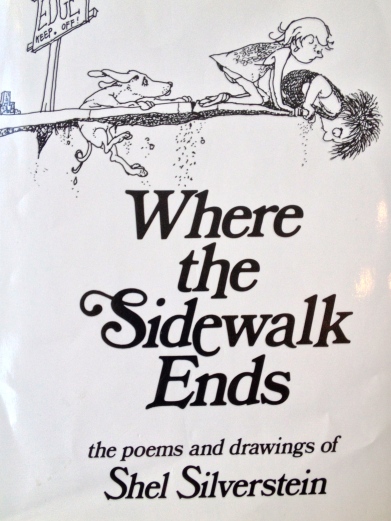
IMG_1348

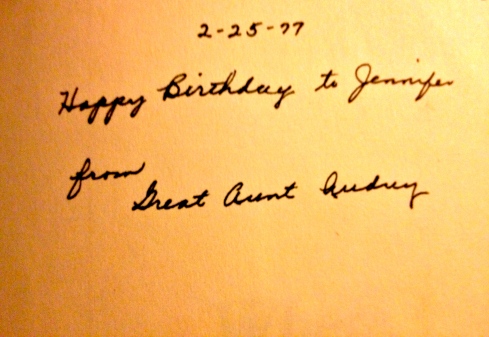
April is National Poetry Month and one of the “30 Ways to Celebrate”  is to revisit a poem that you loved when you were young.  So tonight I pulled out the Shel Silverstein‘s classic Where The Sidewalk Ends.  We have all of Shel Silverstein’s books, even the posthumous Everything On It. I actually have two copies of Where The Sidewalk Ends. My first copy was a gift I received for my birthday from my great-aunt Audrey.

IMG_1346

There is so much humor and sense and joy in these poems! If I read the opening line, I can close my eyes and recite many of the shorter ones. Flipping through the pages and familiar illustrations, one of my favorite poems jumped out at me.  Perhaps it influenced me more as a child than I realized.

LISTEN TO THE MUSTN’TS

Listen to the MUSTN’TS, child,

Listen to the DON’TS

Listen to the SHOULDN’TS

The IMPOSSIBLES, the WON’TS

Listen to the NEVER HAVES

Then listen close to me–

Anything can happen, child,

ANYTHING can be.

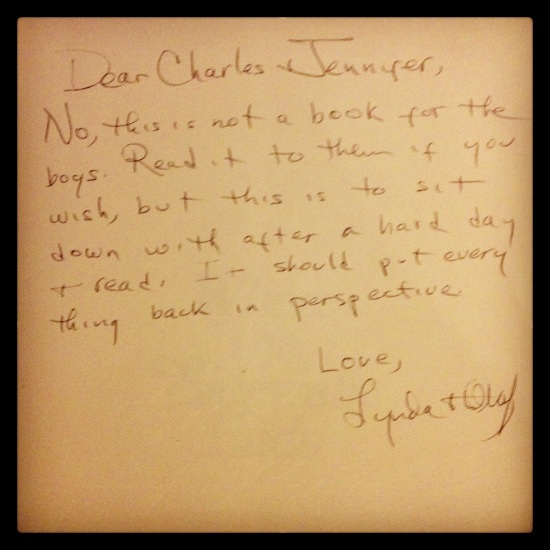
In the second of my two copies of Where The Sidewalk Ends, I re-discovered this dedication from my Grandpa Olaf (I have written about his secrets to a long and happy life before) and my step-grandmother Lynda:

Dedication

My grandpa signed it, but this dedication was clearly written by Lynda.  Both have been gone for a couple of years now.   The book was given to us perhaps 10 years ago; I am certain that I have read the dedication before.  But reading it again was a like a familiar touch on the shoulder.  An unexpected blessing.

So I, for one, will be embracing the expected – and unexpected – richness of the National Month of Poetry.

***

Two more poems from Where The Sidewalk Ends and one bit of trivia:

HUG O’ WAR

I will not play at tug o’ war.

I’d rather play at hug o’ war,

Where everyone hugs

Instead of tugs,

Where everyone giggles

And rolls on the rug,

Where everyone kisses,

And everyone grins,

And everyone cuddles,

And everyone wins.

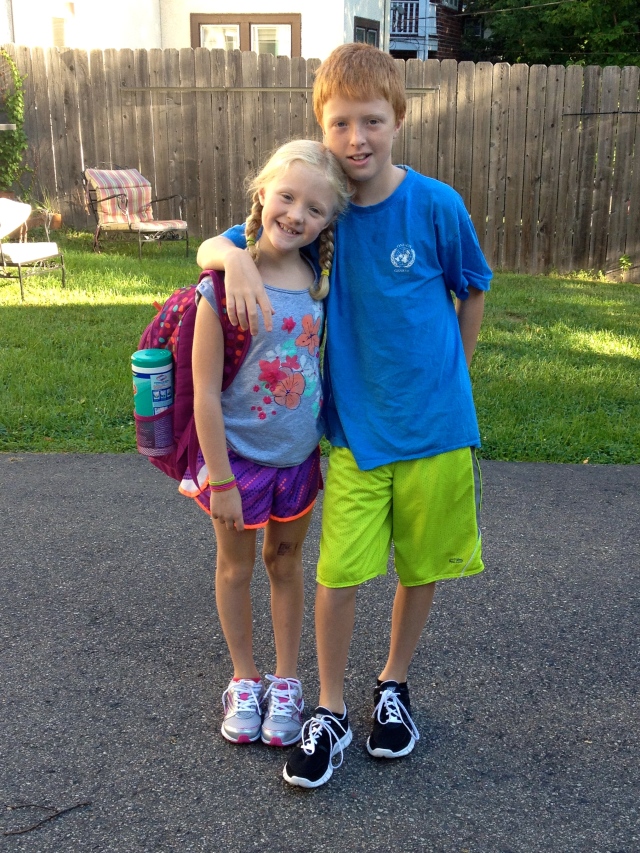
Hug o' War
On the way to school in Minneapolis, USA

NO DIFFERENCE

Small as a peanut,

Big as a giant,

We’re all the same size

When we turn off the light.

Rich as a sultan,

Poor as a mite,

We’re all worth the same

When we turn out the light.

Red, black or orange,

Yellow or white,

We all look the same

When we turn out the light.

So maybe the way to make

Everything right

Is for God to just reach out

And turn out the light!

IMG_0202
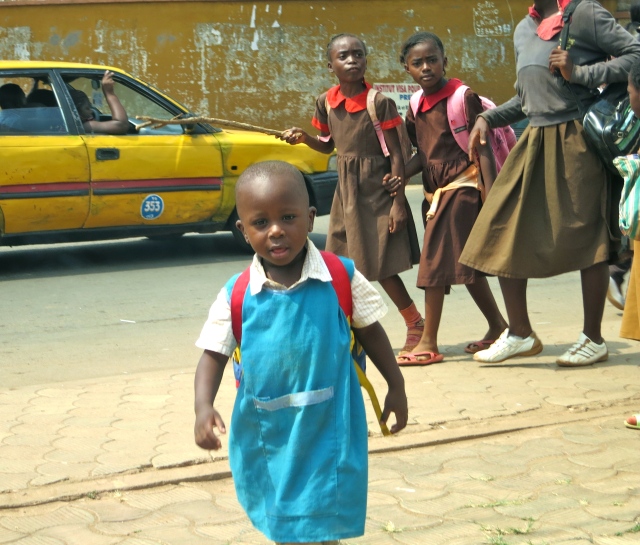
On the way home from school in Yaounde, Cameroon

Here is the Trivia bit:  Shel Silverstein also wrote the lyrics to the Johnny Cash song “A Boy Named Sue”. (It’s true!)

More about  Shel Silverstein’s poetry and illustrations – and activities, too – can be found on www.shelsilverstein.com.

***

For National Poetry Month, here are more of my posts with poems:

A Mother In A Refugee Camp by Chinua Achebe

April Rain Song by Langston Hughes

Dust of Snow by Robert Frost