
“But man is not made for defeat,” he said.
“A man can be destroyed but not defeated. ”
― Ernest Hemingway, The Old Man and the Sea
This post is a response to the theme “Sea”. Follow the link to see more entries in the Weekly Photo Challenge: Sea.
"There is some good in this world…and it's worth fighting for." ~ J.R.R. Tolkien

This post is a response to the theme “Sea”. Follow the link to see more entries in the Weekly Photo Challenge: Sea.
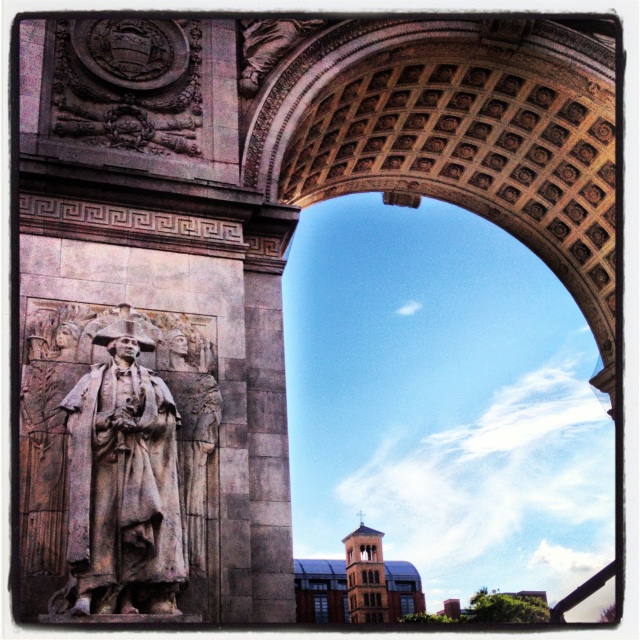
When I travel to other countries, I find that I am almost always on hyper-alert lookout for the interesting, the beautiful, the unique, the historical. Sadly, it is not always so in my own country. I can walk past a masterpiece a dozen times without truly seeing it. Take, for example, Washington Square Park. I’ve been to Washington Square Park dozens of times, but it wasn’t until this very week that I stopped and looked and truly saw the beauty in the Washington Arch.
It was a beautiful summer evening this past Wednesday, the city just beginning to breathe easy again after long hot spell. The park, green and shady under the towering old elms and sycamores, seemed especially cool and refreshing as I hurried past along Washington Square North. There’s a fountain at the heart of the park, and its dancing water was catching the rays of the setting sun. The cheerful sound of splashing water mingled with joyful shouts of children in the nearby play area.
Maybe it was those co-mingled sounds, filtering down through all the other sounds of traffic and people and city, that caught my attention as I hurried from West Village to East. Whatever it was, something made me stop and turn just past Fifth Avenue. Looking back, I pulled out my phone and caught the above view of the Washington Arch. For which, I am eternally grateful.
With no people in the photo, the Washington Arch seems almost timeless. It made me think of all the millions of humans who have spent time on this small patch of island – and curious to learn its history. It turns out that, as with so many places in our world, the history of Washington Square Park contains a human rights narrative. Native Americans lived here in the early 17th century before the Dutch attacked them and drove them out. The Dutch farmed the land, on both sides of the brook called Minetta that once ran through area. Later, the Dutch gave the land to freed slaves to create a kind of human buffer zone between the Native Americans and the white colonial settlements. The area that is now Washington Square Park was in possession of African-Americans from 1643-1664; at the time, it was called “The Land of the Blacks”. (See the New-York Historical Society of Manhattan for more history of slavery in New York.)
It remained farmland until 1797, when the Common Council of New York purchased some of the farmland (which was still outside city limits) for a new potter’s field to bury unknown or indigent persons. Most of those who died from yellow fever during New York’s epidemics of the early 19th century were also buried here. The public cemetery was closed in 1825 and the City bought the rest of the land shortly after, turning the area into a military parade grounds. To this day, the remains of more than 20,000 bodies rest under Washington Square Park.
By the time the City reworked the parade grounds into a park in 1849-1850, the streets around the park had already become one of New York’s most desirable residential areas. The park underwent several improvements, including the addition of the first fountain in 1852. To celebrate the centennial of George Washington‘s inauguration as president of the United States in 1889, a large plaster and wood Memorial Arch was erected over Fifth Avenue just north of the park. It proved so popular that a permanent arch, designed by architect Stanford White, was commissioned. Made of Tuckahoe marble and modeled after the Arc de Triomphe, this is the Washington Arch that I know today. It was dedicated 1895. In 1918, two statues of George Washington were added. You see one of them – George Washington At War – in my photo.
Washington Square Park has also been the site of countless protests, testaments to the right of freedom of assembly and expression. The first labor march in New York took place there in 1834 when stonecutters protested New York University’s decision to use cheap prison labor from Sing Sing instead of professional stonecutters to build a university building along the park. In 1912, approximately 20,000 workers (including 5,000 women) marched to the park to commemorate the Triangle Shirtwaist Factory fire, which had killed 146 workers the year before. By some reports, more than 25,000 people marched on the park demanding women’s suffrage in 1915. Beginning around the end of World War II, the park became a gathering area for the Beat generation, folk, and Hippie movements. On April 9, 1961, about 500 folk musicians and supporters gathered in the park and sang songs without a permit, then held a procession from the park beginning at the Washington Arch. The New York Police Department Riot Squad, sent in response to this “Beatnik Riot”, attacked civilians with billy clubs and arrested ten people.
And yes, even the tireless human rights advocate Eleanor Roosevelt has a connection to the area. Around the time that she was helping to draft the Universal Declaration for Human Rights, she was a resident of Washington Square Park West.
Like so many others, I was just passing by Washington Square Park on a recent evening past. But I’m glad I took the time to stop and look. And to learn.
The inscription on the Washington Arch reads:
Let us raise a standard to which the wise and the honest can repair. The event is in the hand of God. — Washington
For more information about Washington Square Park:
City of New York Parks & Recreation
This post is a response to the Weekly Photo Challenge: Masterpiece. See more entries here.
E.B. White once said:
“I arise in the morning torn between a desire to improve the world and a desire to enjoy the world. This makes it hard to plan the day.”
Note that he didn’t say that it was impossible to balance these seemingly competing impulses, but rather that it creates some planning challenges. As a human rights lawyer, I believe that is is crucial to find that balance on a daily basis. I try to show my kids that every day you can find a way to improve the world, in big ways and small. It may not seem like much, but when you say something nice instead of something mean or share your lunch with a friend who forgot his, you really are making an affirmative choice to improve the world around you.
At the same time, it is important to look for beauty in the world around you. It’s there, we just sometimes forget to look. Or listen. I pulled up short during my run the other day to listen to a robin. The robins have been back for months, so I usually don’t even hear their songs, but this particular robin was balanced on a telephone wire over an alley, stretching her (or his – I guess I can’t tell) body high to belt out a string of clear whistles. “Cheer up! Cheer up! Cheer up!” sang this avian Aretha Franklin. Beautiful!
When I was 11 or 12, one of my favorite books was Never Miss A Sunset by Jeannette Gilge. Told from the perspective of a 13-year-old girl, it is part of a series about a large family struggling to survive on a homestead in the early 1900s. It has been decades since I read it, but I still follow the advice of the father. No matter how hard the day’s work has been, you should take a moment every day to enjoy the sunset. For me, it is not so much the sunset that I try to take time to enjoy, but The Golden Hour before the sun sets.
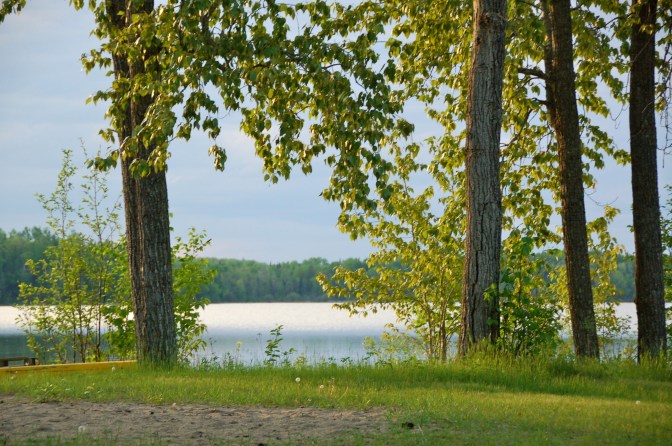
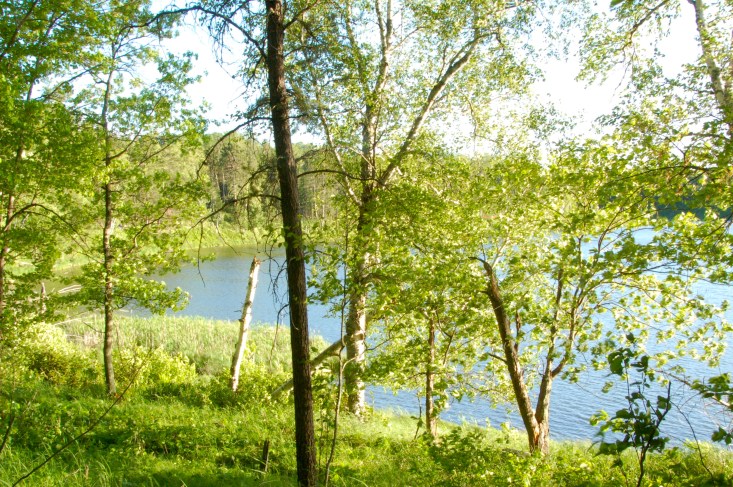
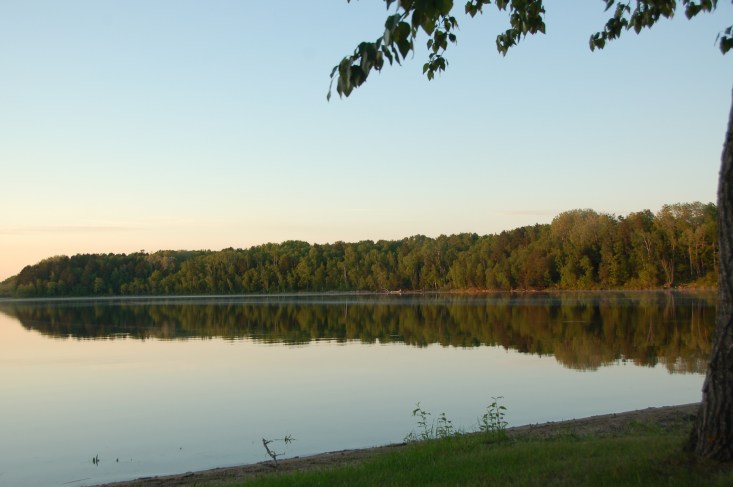
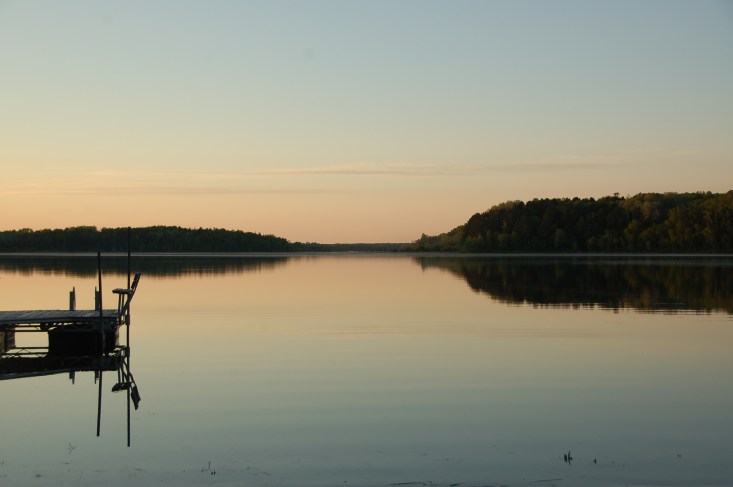
Maybe E.B. White had trouble planning his day, but there is a fixed moment on my daily schedule to enjoy the world. For the Weekly Photo Challenge this week, I am sharing some photos of The Golden Hour that I took in northern Minnesota recently.




This week’s WordPress Photo Challenge invites us to share a picture of a”companion” with an explanation of the choice. In encouraging bloggers to interpret the theme broadly, the WordPress editor writes:
You might think “companion” refers to a person with whom you share experiences, but the definition is much broader:
(The Weekly Challenge also states: If your companion is actually a low-ranking knight, you win.)
I chose this photo of myself with four (I include my daughter, even though only her blonde curls can be seen in the lower right corner) of my favorite companions. A dear friend since childhood and former roommate, who has accompanied me though each stage of my life. The daughter of another dear friend and my own daughter, a new generation seeking guidance as they grow into the women that they will one day be. Another longtime friend, a leader and mentor to hundreds if not thousands of young people over the past 30 years – who just happens to also be a knight*.
These are all companions who I have met through Skogfjorden, Concordia Language Villages‘ Norwegian immersion program. This is my fourteenth summer and my ninth on staff. As we sing in Norwegian, “Vi er kompiser på Skogfjorden!” (We are companions at Skogfjorden). This photo captures that spirit of companionship for me.
*In 2009, Tove Irene Dahl, the dean of Skogfjorden, was named a Knight (Ridder) of the First Class of the Royal Norwegian Order of Merit by His Majesty King Harald V of Norway for the advancement of Norwegian language and culture in the United States.
The Order of Merit is lower than the Order of St. Olav – does that count as a low-ranking knight?
If so, what do I win?

Rosemaling, the decorative folk painting of Norway, began in the low-land areas of eastern Norway about 1750. Persons who rosemaled for their livelihood would not have been land owners but poor, city dwellers. After being trained within a “guild” they would travel from county to county painting churches and/or the homes of the wealthy for a commission of either money or merely room and board. Thus rosemaling was carried over the mountains and toward Norway’s western coast. Once farther away from the influence of the guilds, these artists tried new ideas and motifs.

Soon strong regional styles developed. The Telemark and Hallingdal valleys became especially known for their fine rosemaling.Upon their exposure to rosemaling, rural folk would often imitate this folk art. Not having been taught in an urban guild, the amateur became spontaneous and expressive in his work on smaller objects such as drinking vessels and boxes.
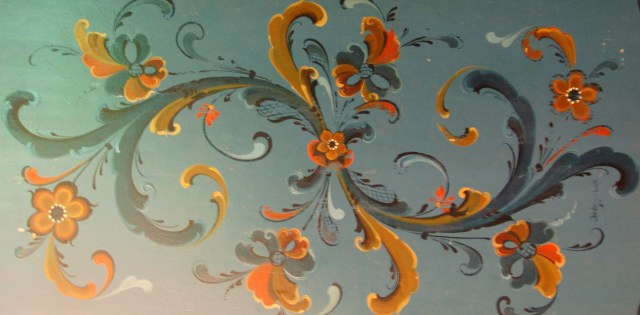
Rosemaling went out of style in about 1860-1870. Rosemaling experienced it’s revival in America in the 20th century when Norwegian-Americans gave attention to the painted trunks and other objects brought to America by their ancestors.

The rosemaling pictured above were painted by Sigmund Aarseth.
They decorate the walls and ceiling of Gimle (the dining hall) at Skogfjorden,Concordia College’s Norwegian Language Village in Minnesota.
History from Rosemaling.org
To see other interpretations of the theme Curves, click here.

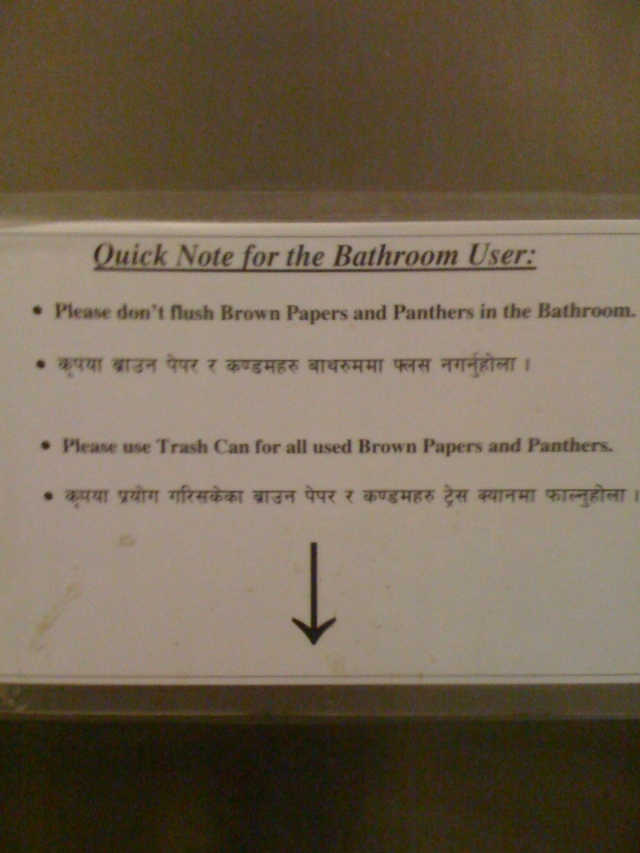

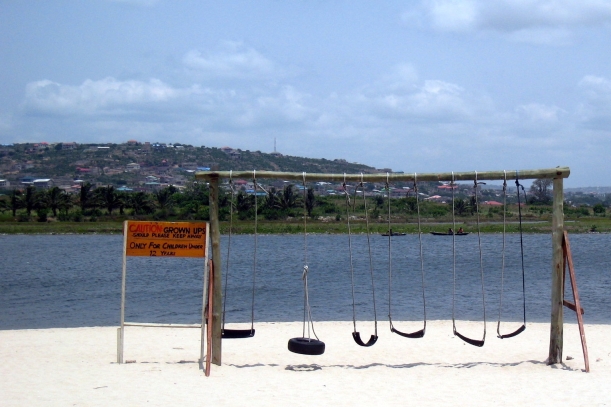
CAUTION! GROWN UPS!
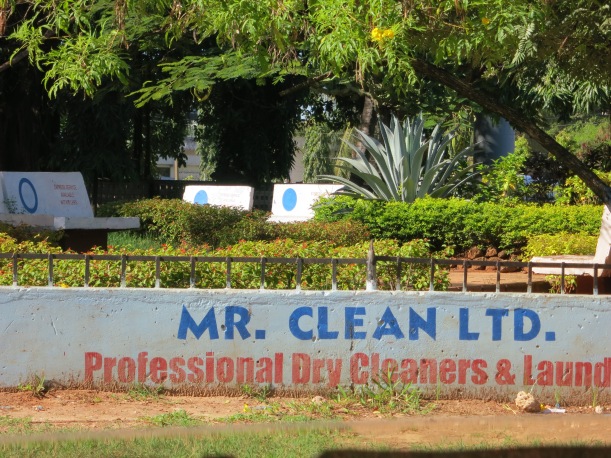
Accra, Ghana
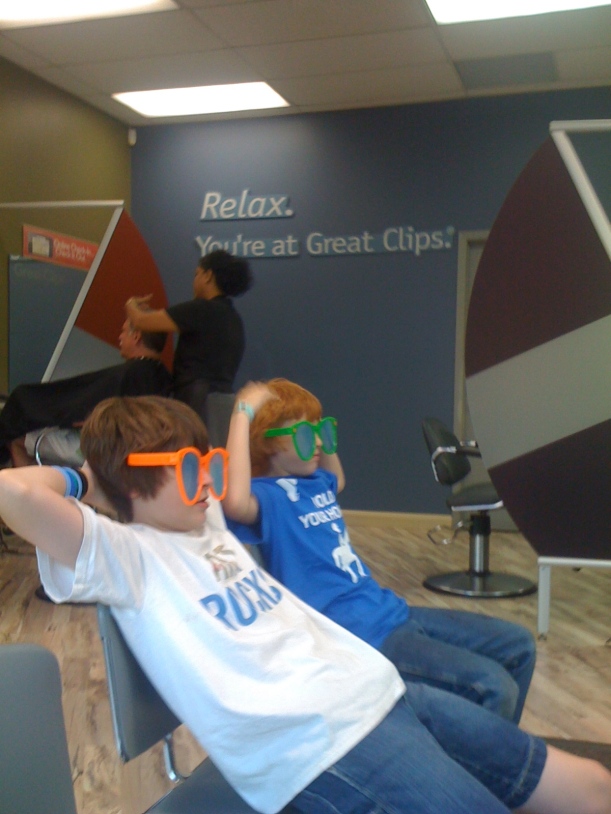
Relax.
Minneapolis, MN USA
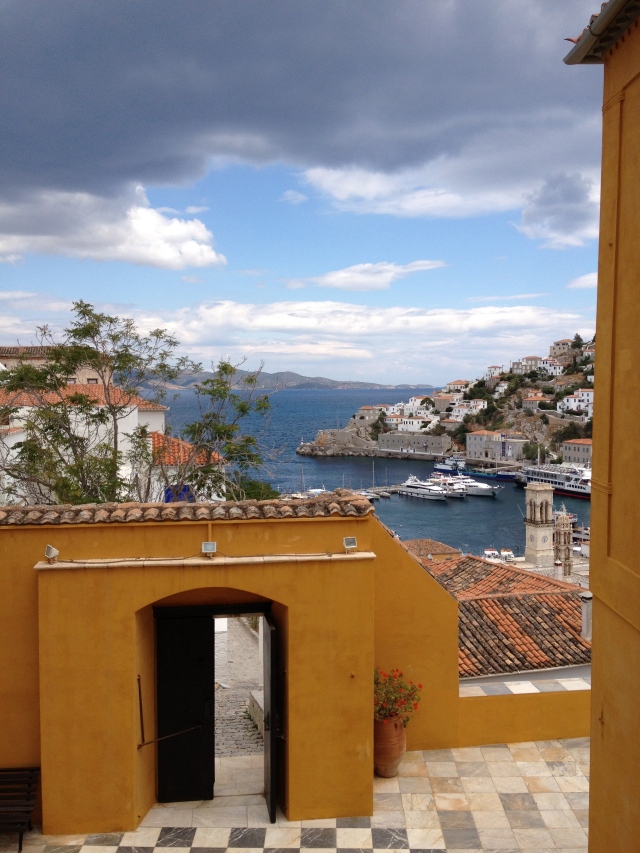
One year ago today, I stepped off the ferry from Athens to spend a long weekend on the island of Hydra with my parents, brother and sister-in-law. No kids, no work – it was a true escape! Yδρα, pronounced [ˈiðra] in modern Greek) is one of the Saronic Islands of Greece, located in the Aegean Sea between the Saronic Gulf and the Argolic Gulf. It is separated from the Peloponnese by narrow strip of water. It’s an easy ferry ride, only a couple of hours from Athens. The island has a storied maritime tradition and became a center of power and wealth in the 18th century due to the shipping industry. Hydra played a major role in the Greek Revolution against the Ottoman Empire in 1821.

There is one main town, known simply as Hydra Port, with a population just shy of 2,000. Tourists generally arrive by cruise ship, ferry or yacht. Most only come for the day and don’t venture far from the shops and restaurants on the harbor.
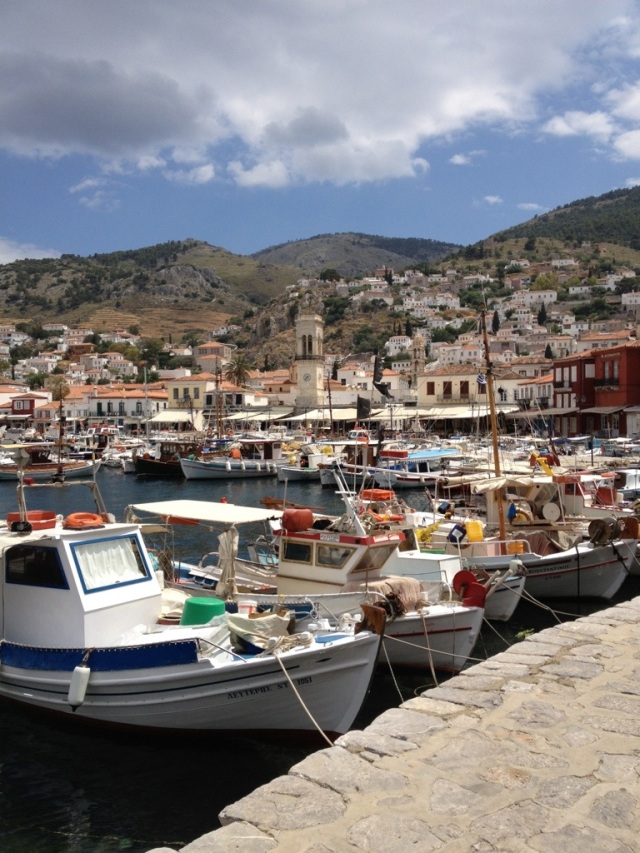
Steep stone streets lead up and outwards from the harbor area. Most of the local residences on the island are located on these streets.
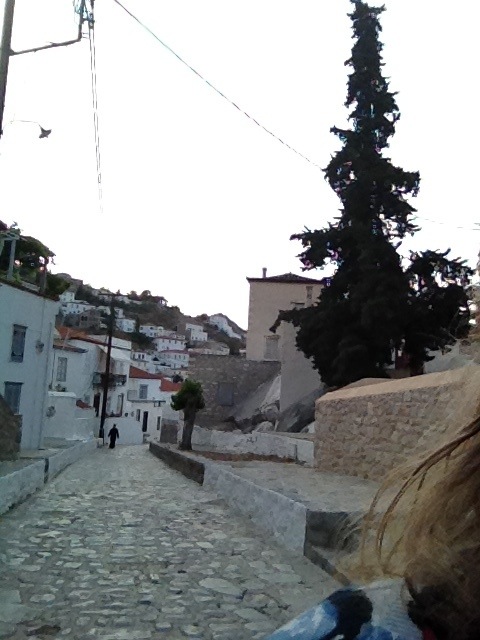
I was told that the only motorized vehicle on the island is the town’s garbage truck.Instead of cars, the locals use donkeys. My parents spotted donkeys hauling everything from a refrigerator to a coffin. (This guy was eating his lunch.)

There are many churches and monasteries on Hydra. Unfortunately, I visited a few weeks too late to celebrate the Greek Orthodox Easter. I loved the colors on this little church, which I could see from the window of the house we stayed in.
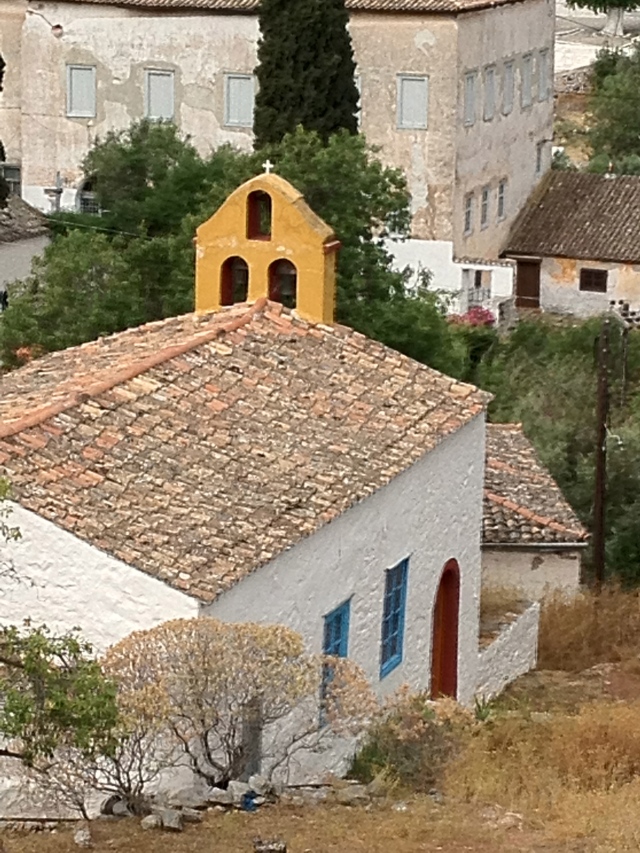
I thought perhaps that the island was named after the Hydra in Greek myths, the gigantic monster with nine heads that grew back when you cut them off. The destruction of Hydra was one of the 12 Labors of Hercules, but it turns out that it has no relation to the island. In ancient times, the island was known as Hydrea (Υδρέα, derived from the Greek word for “water”), which was a reference to the springs on the island. Ironically, the springs have dried up and water now arrives by ship to supplement the rainfall captured in cisterns.
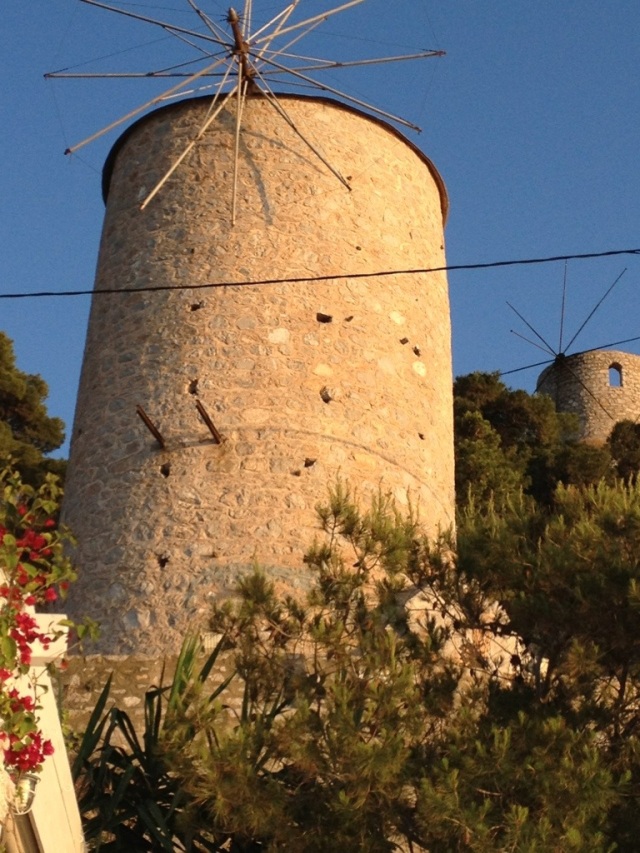
Hydra is knownfor its windmills.
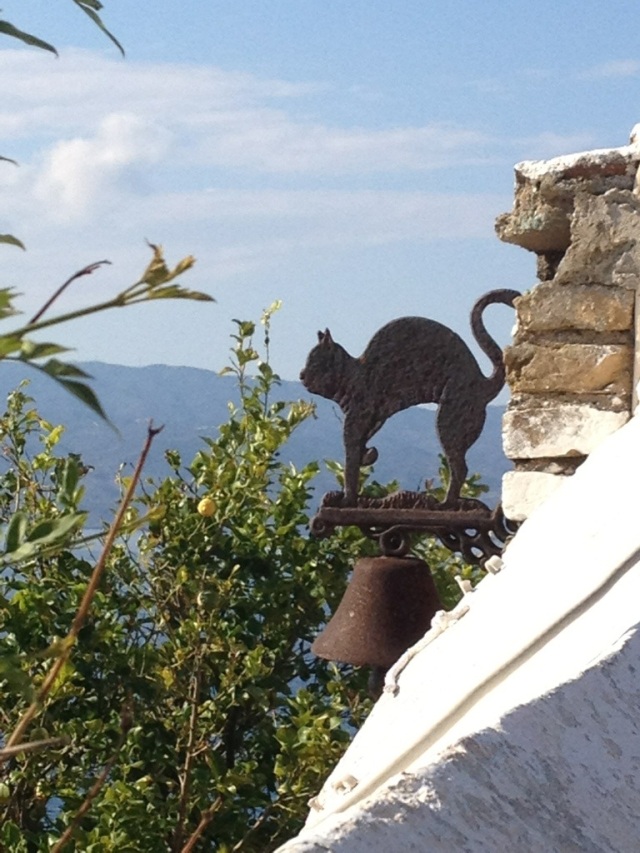
Hydra is also known for its large population of feral cats.

A point of pride, I presume!
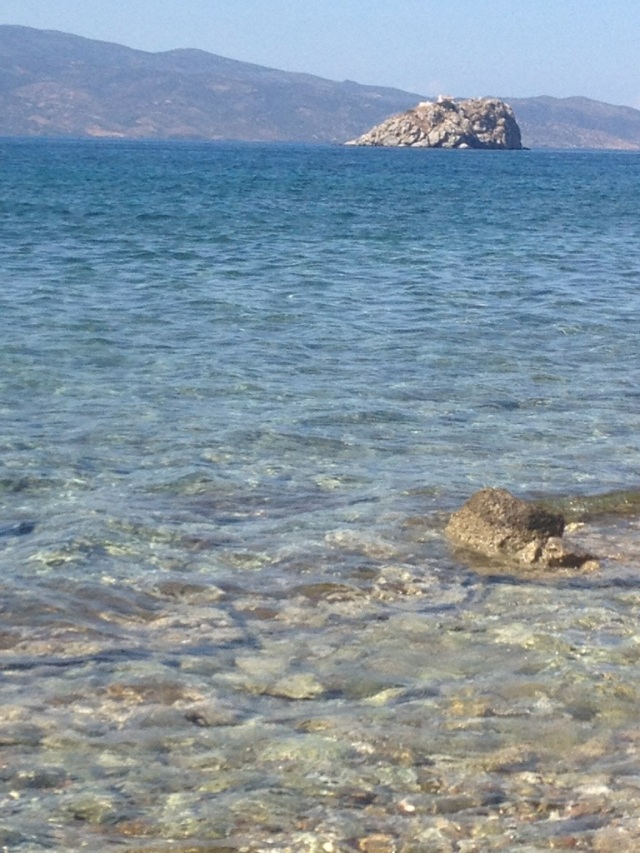
One thing that Hydra is not known for is its beaches. The travel sites all say there is only one decent beach on the island. While it’s true that the beaches are rocky, it also means that the water is crystalline; snorkeling is fantastic on Hydra! Just a few yards from shore, the ground drops away dramatically and you can see amazing fish, sea urchins, and other sea creatures.
This post is a response to the Weekly Photo Challenge: Escape. Read more entries here!
(I also wrote a post about human rights in Greece. Check it out! The Other Greek Crisis: Xenophobia and Mass Detention.

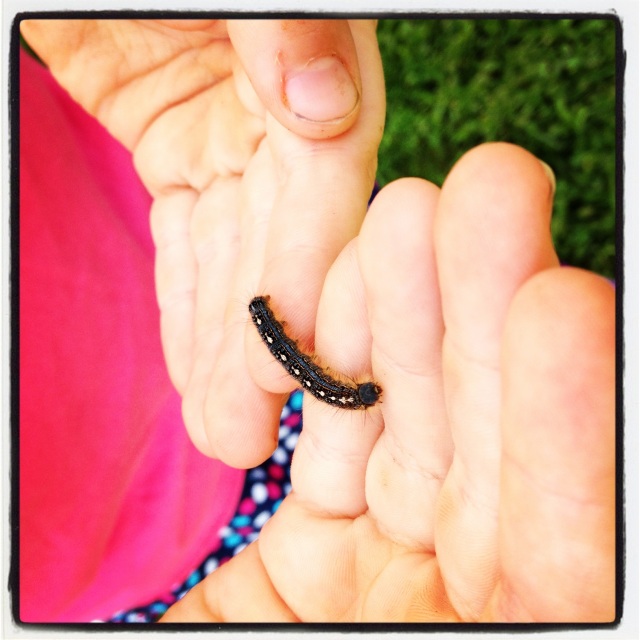
I know up on top you are seeing great sights,
But down here on the bottom,
We too should have rights.
– Dr. Seuss, Yertle the Turtle
This post is in response to the WordPress Weekly Photo Challenge: From Above. Click on the link to see more!
A couple of days ago, my daughter asked me, “Do you ever have regrets?”
She asked me this in the bathroom, as I was drying my hair. No matter what I am doing, my two youngest kids seem to hover around me, fluttering like moths to a flame. The lack of privacy – not to mention personal space – doesn’t really bother me anymore. And often, as on this particular morning, it provides the opportunity to talk about whatever is bubbling to the surface of their young minds.
I weighed my possible responses. My daughter just turned eight. What could a second-grader possibly know about regret? In the end, I answered that, in general, my regrets were not about things that I had done but rather about things that I had NOT done.
“Do YOU have any regrets?” I asked.
After a pause, she admitted, “Sometimes I’m not so nice to some kids at school.”
“But recognizing that you aren’t always nice means that you can do something about it,” I pointed out. “Right?”
She shrugged and wandered off with her American Girl doll. Maybe the message would sink in.
But for me, a question remained, left hanging in the humid, post-shower bathroom air.
What do you do when you have regrets but you know that there is not a thing in the world that you can do about them?
The truth is that my daughter’s question brought me back to a conversation that I had in a very different context. Several years ago, I spent some time in the Buduburam Refugee Settlement in Ghana. I was with a team taking statements from Liberian refugees for the Truth and Reconciliation Commission of Liberia. It was almost exactly six years ago – May 2007 – and it was grueling, emotional work. I interviewed more than 40 people that week and every single one of them had suffered multiple layers of trauma and unimaginably tragic loss. One after another, in family groups and as individuals, they sat before me in a small, cramped office. Sometimes there was power for the ceiling fan to move the hot, heavy air; sometimes there was not. Each one of them was a survivor of horror, a testifier to the nightmare of war. (I’ve written about some of them before in Talking To My Kids About Death.)
Even though they had left their homeland of Liberia, what they had experienced was still very much with them. Even if they could push it down deep during the day, the terrors they witnessed would return to haunt their dreams. Many people I interviewed told me of how the nightmares startled them awake at night, sweating and crying. Many more told me of hearing others screaming in the night, neighbors who were trapped in their own PTSD- induced nightmares. There is no privacy in a refugee camp.
There was one woman who has always stayed with me. She was middle-aged, calm and collected. She told me her story in detail, almost scientifically exact. Clearly, she had relived the events many times over. She told me of her life before the war, the fighting and chaos that separated her from her husband and some of her children, the desperate weeks when she, her youngest children, and their neighbors hid in the bush, the treacherous journey to the border. The years – more than a decade- of limbo in this refugee camp.
At the end of any interview, I always ask, “Is there anything else you would like to tell me?”
This woman told me of that the only true regret that she had, the only regret of her life, was about something that she had not been able to do. What she told me went something like this:
We were hiding in the bush and the rebels passed close by. They attacked a village there. They didn’t see us, but we saw them. They killed a lot of people. We were too afraid to move, so afraid they would hear us. There was a baby crying; they must have killed the mother. The baby kept crying and crying and crying. I wanted to go get that baby, but what could I do? I knew the baby’s crying would give us all away to the rebels. The baby kept crying and crying and crying, all night long. And then it stopped. I knew that the baby had died. In the morning, we saw that the rebels had moved on and we left our hiding place. Now I hear that poor baby crying every night in my dreams.
Most people will never be put in a position like this, this untenable Hobson’s Choice. Most of us will never be faced with having to make the choice between our own life -and that of our children and neighbors – and that of an innocent baby. Many of us would like to assume that we would find a way to not make the choice; that we would find a way to save that baby.
I knew I could not save that baby. I wanted to, so much, but I knew I could not. Even so, I have always felt bad about it. I have never told anyone – not one single person – about this before. Just telling you now – it makes me feel better.
I don’t have any answers here, just as I had nothing to say to this woman other than “I am so sorry.” I can’t change the world. I can’t promise my daughter that she won’t experience pain or sorrow or guilt or regret. I don’t even have an image to go along with this post.
But if there is one thing that I took away from that hot, cramped interview room in that refugee camp in Ghana, it is that there is a value in bearing witness. I had worked with refugees and torture survivors for years, but it took this one woman to bring that point home to me. There is a value in simply listening, and in confirming for someone who suffered injustice that, “It is not right and I’m sorry that this happened to you.”
It may seem insignificant, but it is not. And it is a reminder that when you come in contact with someone who is suffering, in either a big or a small way, there is always something that you can do. You can listen.
So do it.
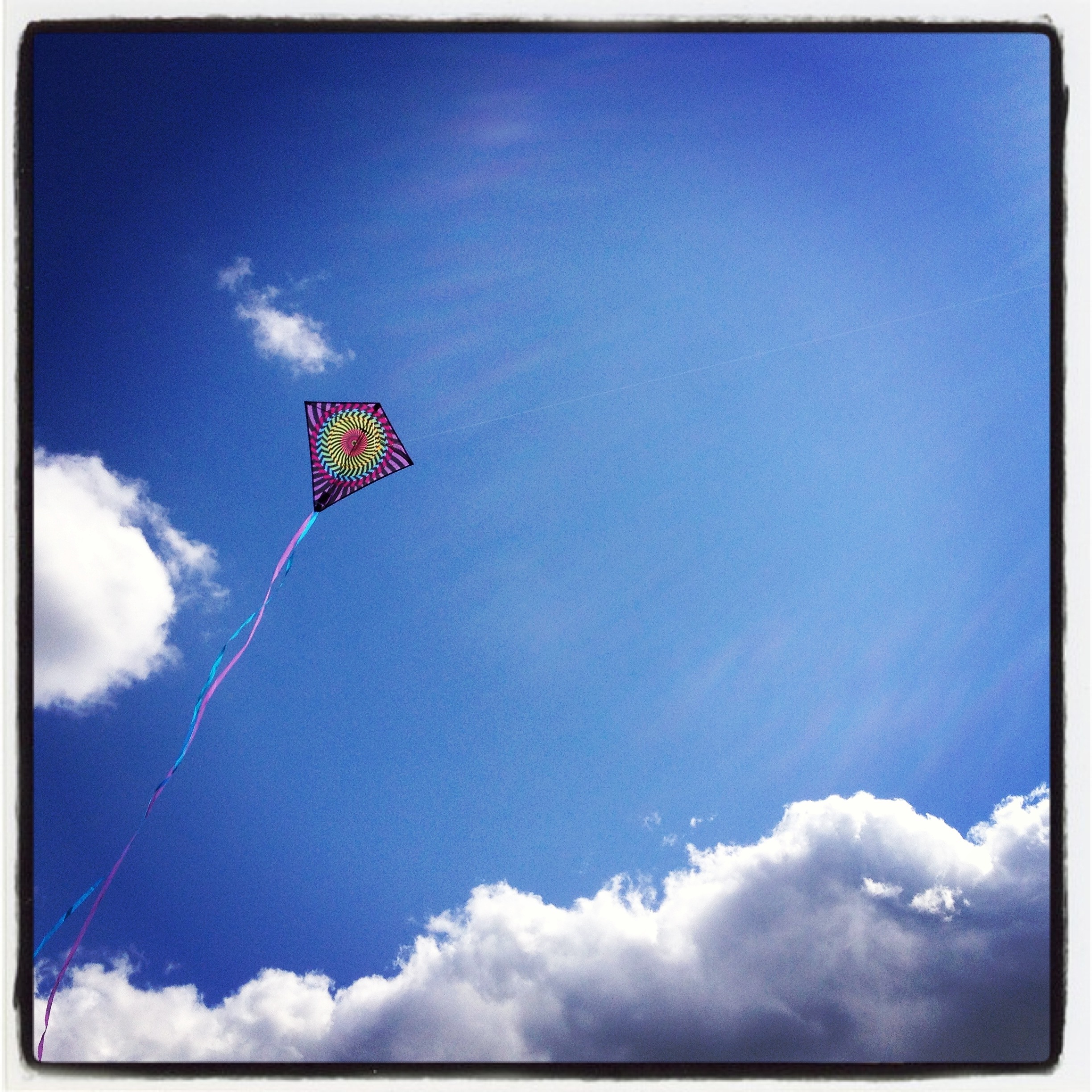
“True courage is like a kite;
a contrary wind raises it higher.”
-John Petit-Senn
Swiss poet and satirist
(1792–1870)
See more photos from the challenge theme UP here.
 The Human Rights Warrior
You must be logged in to post a comment.