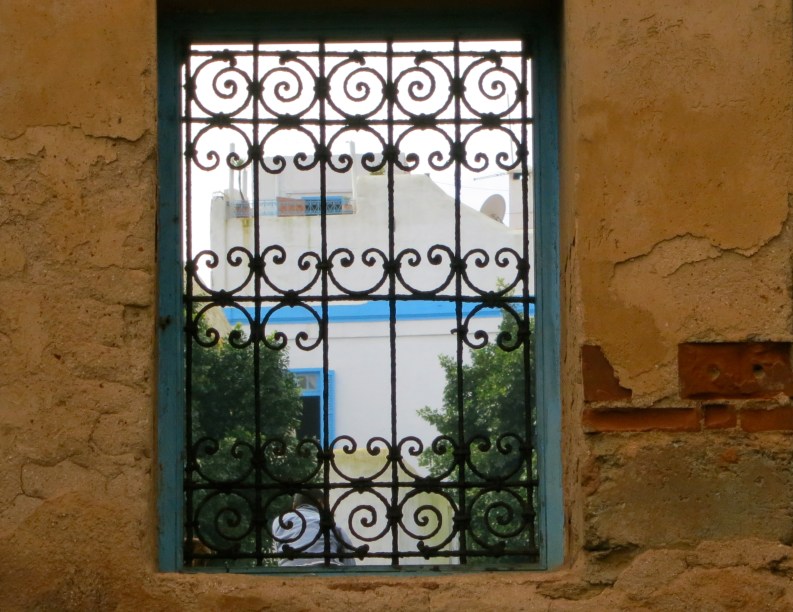
A window in a wall inside the Kasbah in Rabat, Morocco.
More photos in this Window on the World series:
For more interpretations on the Weekly Photo Challenge theme: Window, click here.
"There is some good in this world…and it's worth fighting for." ~ J.R.R. Tolkien

A window in a wall inside the Kasbah in Rabat, Morocco.
More photos in this Window on the World series:
For more interpretations on the Weekly Photo Challenge theme: Window, click here.
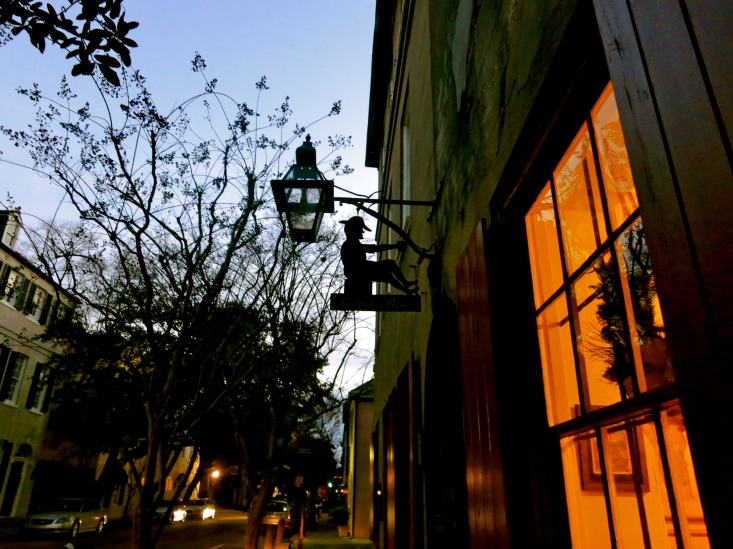
Warm light spills from a window near the entrance to Catfish Row on a late December evening. Catfish Row, the fictional location of the American folk opera Porgy & Bess, was inspired by this area (actually called “Cabbage Row”) near Church Street in downtown Charleston.
More photos in this Window on the World series:
For more interpretations on the Weekly Photo Challenge theme: Window, click here.

A woman watches the world go by from her window in the village of Sankhu in Nepal.
For more interpretations on the Weekly Photo Challenge theme: Window, click here.
More in this Window on the World photo series:
“For last year’s words belong to last year’s language
And next year’s words await another voice.
And to make an end is to make a beginning.”
~T.S. Eliot
From Little Gidding (1942), the final poem in T.S. Eliot’s Four Quartets
Landfall on Sullivan’s Island, South Carolina.

This post is a response to the Weekly Photo Challenge theme One.

As part of their Community Health initiative, a Cameroonian non-governmental organization developed this map of the city of Douala. Douala, a major Central African port and the commercial capital of Cameroon, is in the departement of Wouri.
The map shows the locations of potential transmission sites for HIV/AIDS, STDs and TB.
It was created based on information gathered through field work in the community. Staff members use it to target their outreach and community health intervention strategies to effectively reach the most at-risk populations.
This post is a response to the Weekly Photo Challenge: Community.

When Nelson Mandela died last week, I was struck by the somewhat impersonal nature of the “continuous live” media coverage. In the United States, I heard interviews with reactions from world leaders, I saw billboards with quotes from Oprah Winfrey and Maya Angelou about what Mandela meant to them. We now, apparently, memorialize our greatest heroes in memes, soundbites on photos which we share and share again. But what I really wanted to know was this:
“What are the people of South Africa feeling right now? How are they mourning the loss of the father of their nation?”
As it turns out, my brother Jeremy is in Cape Town, South Africa. He started sending back photos of the makeshift memorials that were springing up around the city. Touching tributes, both large and small, that showed the genuine love and respect felt for this man. Jeremy is a professor of African history, so I asked him to share his thoughts about Nelson Mandela along with his photos.

The Meaning of Mandela
by Jeremy Prestholdt
I arrived in South Africa a few hours after Nelson Mandela’s passing. The nation had only just begun mourning, but the way in which the former president had touched the lives of all South Africans was plain. From Soweto to Sandton, Cape Town, and Qunu, the outpouring of grief and appreciation was unlike anything I’d seen. While I knew that Mandela was revered, the deep respect for him that I’ve witnessed over the past days suggests that he was far more than a popular leader: he personified the myriad aspirations of South Africans.

As a professor of African history I often tell Mandela’s story. For decades Mandela was vilified as a terrorist. After he traveled to Algeria for military training, many in South Africa called for his execution. Rather than hanging Mandela, the Apartheid government tried to make him irrelevant by condemning him to a life of hard labor. During his nearly three decades in prison he became an icon in the struggle against white minority rule in Africa.
Mandela’s release from prison in 1990 was a watershed in the fight against Apartheid. Yet, it was his adroitness in navigating the path to national freedom that cemented his place in the hearts of all South Africans. Unlike most political leaders, Mandela had an extraordinary ability to balance justice with reconciliation. By drawing on this skill he accomplished what many deemed impossible: he steered a deeply divided and unequal society towards peace and greater freedom. For this Mandela earned universal appreciation as well as the title Tata (father of the nation), a word now on everyone’s lips in South Africa. It’s this deep appreciation for the father of the nation that is so evident here.

Though I’ve recounted Mandela’s history many times, joining South Africans during this period of mourning and remembrance has made me rethink the conclusion to the story that I will tell in future. The new ending will not be Mandela’s presidency or his death. Rather, it will be a reflection on what Mandela means to us now. South Africans–and mourners around the world–have demonstrated that, perhaps more than any other figure of our time, Mandela represents our collective aspirations for freedom, justice, and equality. In this he is more than a South African icon. He is a global symbol of human possibility.


All photo credits to Jeremy Prestholdt
Thank you so much, Jeremy, for writing this guest post!


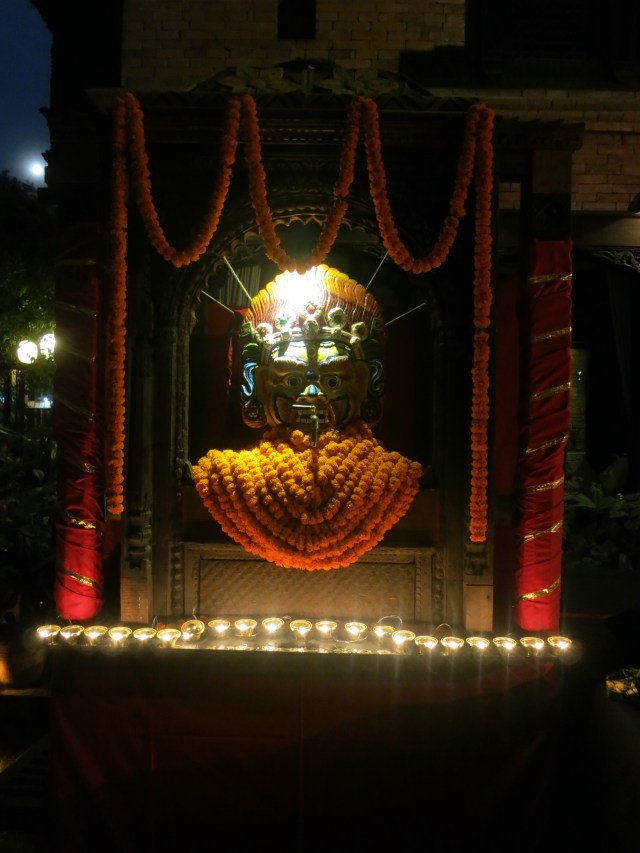
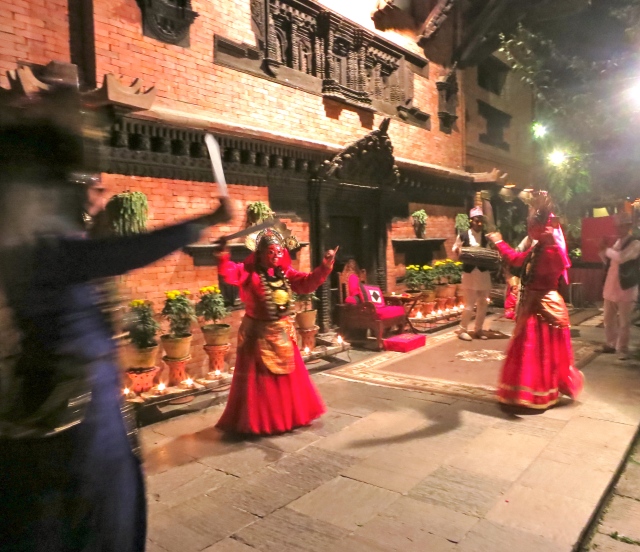
This post is a response to the Weekly Photo Challenge: Let There Be Light!
 My daughter discovered this unexpected “Munchkin Village” in our backyard last spring. There’s so much beauty in the imagination of a child!
This photo reminds me of something Henry David Thoreau once wrote,
“It’s not what you look at that matters, it’s what you see.”
This post is a response to the Weekly Photo Challenge: Unexpected.
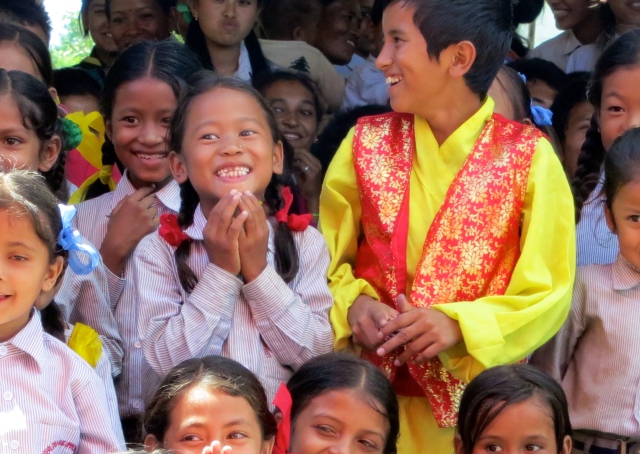
Today, November 20, is Universal Children’s Day! In 1954, the United Nations General Assembly established Universal Children’s Day to encourage all countries to take action to actively promote the welfare of the world’s children. On November 20, 1959 the United Nations adopted the Declaration of the Rights of the Child.
Thirty years later, on November 20, 1989, the United Nations adopted the Convention on the Rights of the Child. The Convention on the Rights of the Child is the first legally binding international instrument to incorporate the full range of human rights—civil, cultural, economic, political and social rights. The Convention on the Rights of the Child has been acceded to or ratified by 193 countries – more countries than any other international treaty.
One of the objectives of Universal Children’s Day is to raise awareness about the Convention on the Rights of the Child. The Convention sets out the basic human rights that every child should have to develop to their fullest human potential, regardless of where they live in the world. The four core principles of the Convention are non-discrimination; promoting the best interests of the child; the right to life, survival and development; and respect for the views of the child. The Conventionalso protects children’s rights by setting standards that governments should provide in the areas of health care, education, and legal, civil and social services.
In honor of Universal Children’s Day 2013, I’m sharing a few of the rights guaranteed by the Convention along with photos of children I have taken around the world.
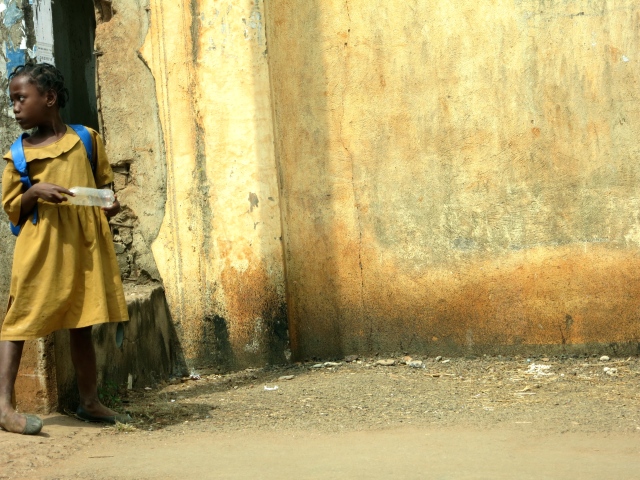

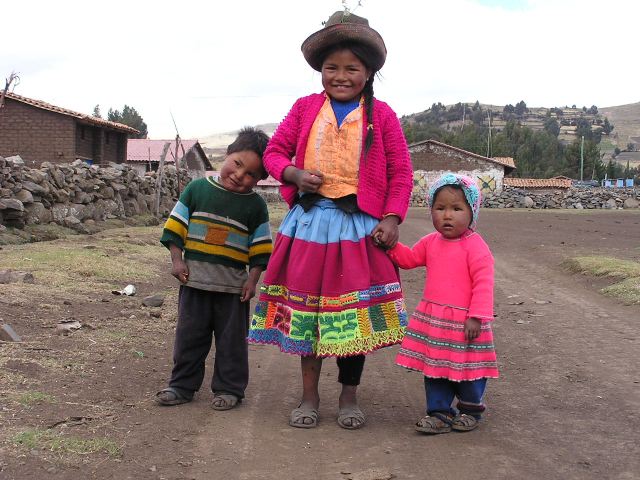
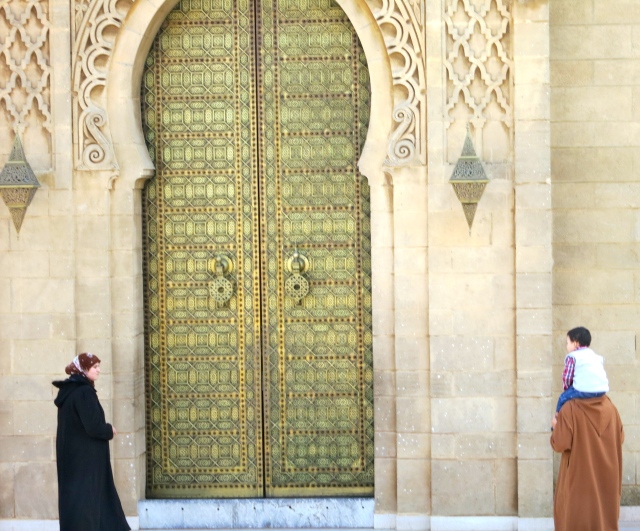
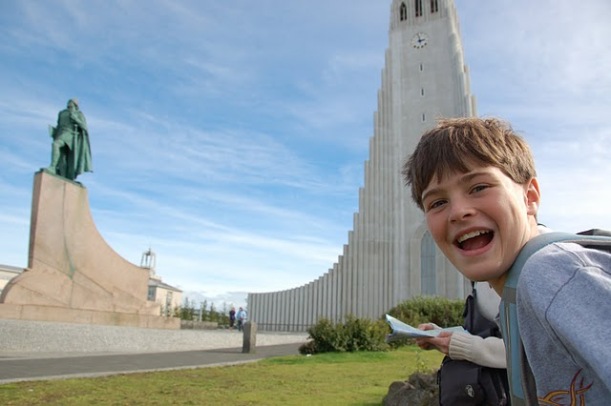
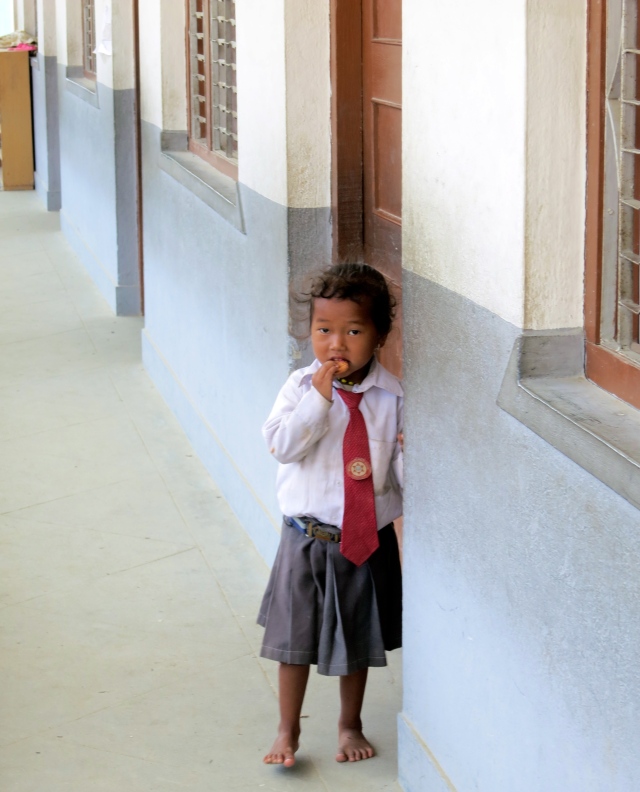
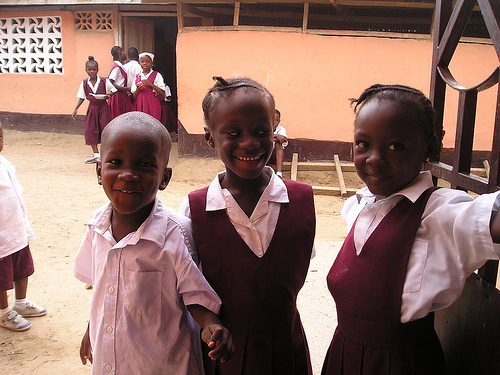
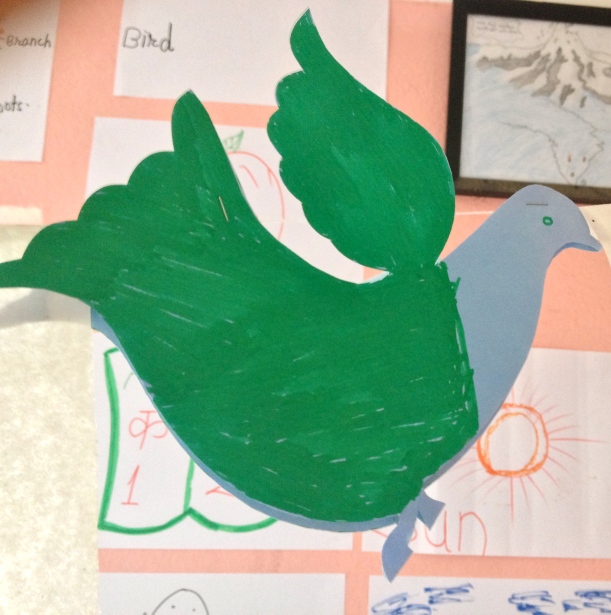
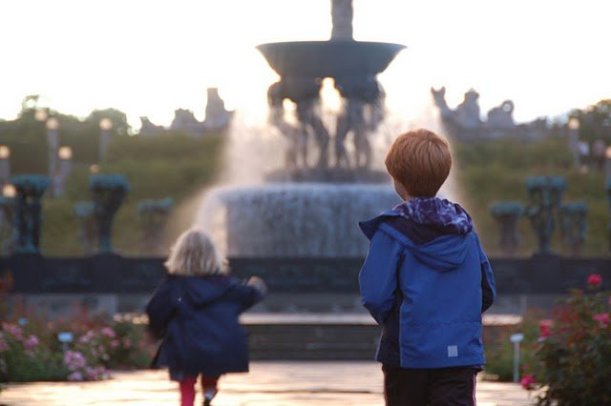
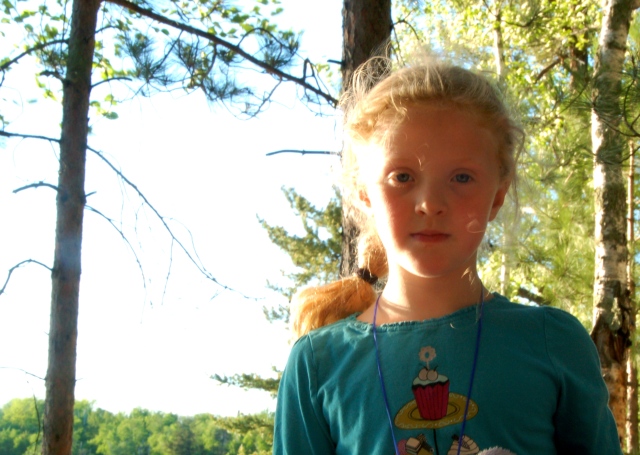
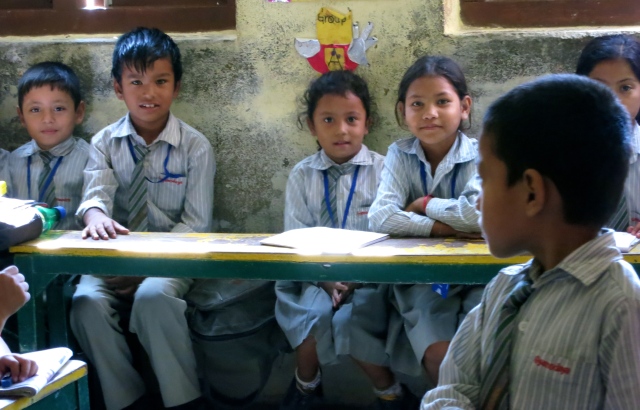
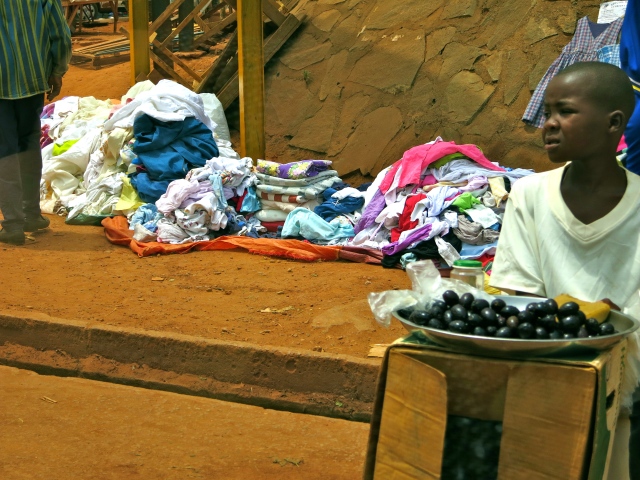
These are just some of the rights set forth in the Convention. You can read the full text of the Convention on the Rights of the Child here.
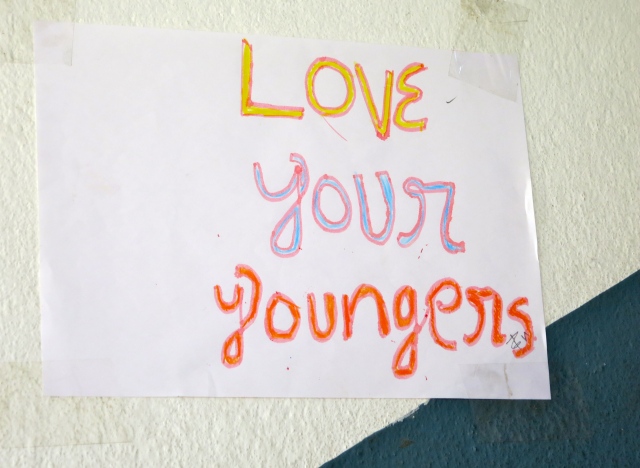
So on Universal Children’s Day 2013 (and every other day), remember to:
 The Human Rights Warrior
You must be logged in to post a comment.