Me and Rosa Parks on the Ellis Island Ferry

My oldest son is studying the life of Rosa Parks in his 6th grade history class.  “I actually met Ms. Rosa Parks once,” I say.  He’s already halfway up the stairs, heading back to the sanctuary of his room. “Did I ever tell you about that?”  On the cusp of his teens, he has no interest in being trapped by a pontificating mother.  “Yes,” he replies.  He pauses, half-turned towards me, left leg on a higher step, poised for flight.  I see my opening and I take it.

***

In 1986, my grandfather Orville Prestholdt was recognized with an Ellis Island Medal of Honor for his contributions as a “Norwegian activist”.  I was a sophomore in college and I took a Metro North train down to New York to meet my grandparents the night before for the gala event.   The honorees were staying at a fancy hotel, one those midtown landmarks that is long on history but short on space in the guestrooms.  As I entered the lobby, I walked straight into the sonic boom of Lee Iaccoca (chair of the Statue of Liberty-Ellis Island Foundation, honorary medal recipient).  If I remember correctly, I next walked straight into the back of Donald Trump (Scottish-German).  Fortunately, “The Donald” was engaged in animated conversation with Mr. Iacocca and didn’t notice my faux pas.

Established in 1986 by the National Ethnic Coalition of Organizations, the Ellis Island Medals of Honor “pay tribute to the ancestry groups that comprise America’s unique cultural mosaic”.   Walter Cronkite (Dutch), Jacqueline Kennedy Onassis (French-Irish), Joe DiMaggio (Italian) – the Ellis Island medalists were a veritable Who’s Who of American immigration.  Of course, this was back in the Reagan era when Americans still celebrated the fact that we are a nation of immigrants.   The 80 inaugural Ellis Island Award winners had been selected from more than 15,000 nominations following the controversy over the Medals of Liberty. Announced in the spring of 1986, the Medals of Liberty had honored 12 naturalized citizens, including  Bob Hope (English), I.M. Pei (Chinese), Irving Berlin (Russian) and Elie Wiesel (Romanian).   Numerous ethnic groups had objected that they were not represented among the winners of the Medals of Liberty, however, and had threatened protests during the “Liberty Weekend” (July 4, 1986) award festivities.  So the Ellis Island Medals were created more or less as a compromise.

That’s when they went looking for the lesser-knowns with more obscure national origins.  People  like my grandfather, who had changed his name from Olaf to Orville when he immigrated from Norway in order to “be more American”.  My grandfather had charted a successful political career in the Sons of Norway, from lodge president to International Board of Directors.  He got his Ellis Island Medal for his “contributions in preserving  Norwegian- American culture”.  Too late for “Liberty Weekend”, the Ellis Island awards were to be presented on the actual 100th anniversary of the dedication of the Statue of Liberty in late October of 1986.  That date fell on a Monday, but I figured it was worth skipping one day of classes to be a small part of history.

Having finally located my grandparents among the honorees at the reception, we headed to the elevator to go up to their room to drop off my bag and change for dinner.  Muhammad Ali (African-American) was in the elevator with some family members; they held the elevator door for us.  Mr. Ali tapped me on the shoulder and, when I turned, began performing a magic trick with a polka-dot silk scarf.  At the time, I didn’t know that he had Parkinson’s.  Or maybe I had heard he had Parkinson’s, but I didn’t really know what that meant.  In any event, I watched in horror as the man – who had been such an icon in the 70s when I was a kid – struggled, with trembling hands, to slowly stuff the scarf into a fake plastic thumb.  That’s how I found out how they do that disappearing scarf trick.  No kidding – Muhammad Ali!  The fake plastic thumb was several shades different from the color of his skin and looked dangerously close to falling off his real thumb, but he was focused like a laser on making that scarf disappear.  I remembered playing chase at recess on the playground at Magnolia Woods Elementary School.  The one who was  “it” would yell,  “Float like a butterfly, sting like a bee! I am the mighty Muhammed Ali!”  As “The Greatest” slowly performed his magic trick for me, I watched the single, crystalline drop of drool that hung suspended from the corner of his mouth.   I thought for sure I was going to cry.

My grandfather handled the whole thing much better than I did.  Maybe he was just feeling pretty good after a couple of highballs and a chat with Victor Borge (Danish), but he clapped his hands when the scarf finally disappeared and chortled with glee. “Woo-hee-hoo-hoo!!!”  He may have danced a little jig in that elevator, too – he was that kind of guy. But I can’t be sure because I had gotten really good at ignoring him when he did that kind of thing in public.  At 19, I saw only the weaknesses, the frailties, the embarrassments of my elders in that elevator.  Now I see that I missed the courage, the determination, the encouragement, the shared joy in the accomplishment of a difficult task.

That night, as I lay in my narrow rollaway bed listening to my grandparents snore a few feet away from me, I thought about who I might meet the next day.  I hoped to see  John Denver (German) and Cesar Chavez (Mexican).  Maybe also Gregory Peck (English) and Andy Williams (Welsh).  Bob Hope was going to be there, too, as his wife Dolores (Irish-Italian) was receiving an award.  But the person I most wanted to meet was Ms. Rosa Parks (African-American).

Rosa Parks had been a larger than life figure for me growing up in the post-Jim Crow South.  The East Baton Rouge Parish school system underwent court-ordered desegregation when I was in high school, so I had some sense of the courage it must have taken her to do what she did.  I thought she was an American hero.

The awards ceremony was to take place on Ellis Island, so in the morning we were all bussed down to Battery Park and the chartered ferry.  Most people stayed up on deck for the short ferry ride, cameras at the ready to take photos of the Statue of Liberty.  About halfway through the ride, I went inside to look around.  And there she was!  A tiny, birdlike woman with large glasses sitting alone on a bench by the window.  In my mind’s eye, she is wearing a hat, coat and gloves but I can’t be sure I haven’t borrowed that memory from other images.  She sat prim and erect, her hands folded on her purse in her lap, looking straight ahead. It is exactly how I always pictured her on the bus. I walked over and asked, “Can I sit here?”  She looked up at me and nodded briefly and I sat down.  Then my courage failed me.  I couldn’t think of what to say next.  As we approached the Statue of Liberty, she turned for a better view out the window so, of course, I did, too.  “She’s smaller than she looks in pictures,” remarked Rosa Parks to me. Or maybe just to herself, but I smiled and nodded anyway.  Then we approached Ellis Island and her family came to collect her.  I went back up on deck to look for my grandparents.

***

“Maybe a famous person like Rosa Parks didn’t really want to talk to you.  You were a stranger,” my son speculates.

 “Maybe,” I say.  “But I wasn’t thinking about that. I was just sitting there, trying to think of what to say to her and how I was wasting my one chance to talk to her.  It was like I was frozen.  I never did say anything else to her, other than ‘Can I sit here’?”

“So what would you have wanted to ask her on the ferry?”  my son wonders.

“Well, I guess I would have asked what it was like to ride that bus.”

Twenty-five years later, I realize that Rosa Parks was probably asked some variation of that question nearly every day of her long and beautiful life.  She was probably asked it more times than she could count.  Asked and answered; you can google it.

“I don’t recall that I felt anything great about it,” Ms. Parks remembered in an interview with the Montgomery Advertiser. “It didn’t feel like a victory, actually. There still had to be a great deal to do.”

This conversation with my son made me realize that I didn’t need to ask her anything that one time I met her.  I didn’t waste my one chance to talk to Ms. Rosa Parks.  It was enough to be able  to sit quietly in her presence for a few minutes. An African-American and a Norwegian-American, sitting side by side on the ferry and gazing together at the Statue of Liberty.

If You Build It …

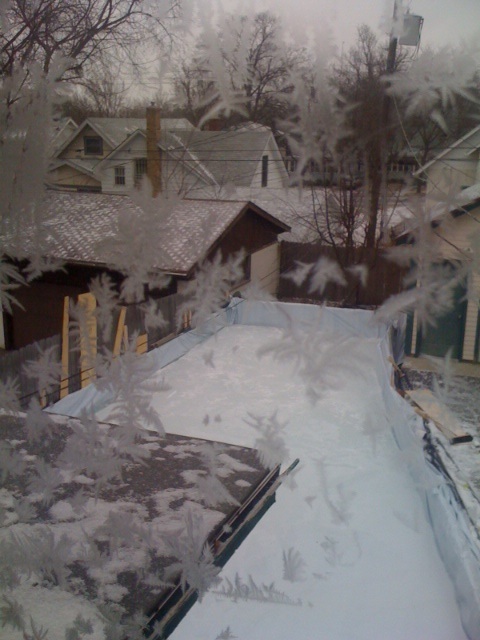
Conventional wisdom holds that to survive in Minnesota,  you must embrace winter.  Perhaps that explains the view from my kitchen:

In case you are wondering: that is a hockey rink. That’s right – a backyard rink.  This winter, we decided to build a hockey rink in our backyard.

You might ask why anyone in their right mind would turn their entire backyard into a hockey rink?  Well, we’ve got a couple of reasons:

The rationale for the backyard rink is that the kids will be able to just go right out the back door and skate anytime.  Fresh air is better than screentime and all that.  Ten minutes of skating is better than fighting with your brother, yada yada yada.  We thought it might be nice to have a project that the family could work on together over winter break.  Kind of like Swiss Family Robinson but with fewer pirates and more cocoa.

But what about the grass, you ask?  Well, we aren’t fancy here.  We’ve never really bonded with our “Freedom Lawn” of broadleaf and dandelions.  We don’t, frankly, have a very good record on lawncare.  This was the view from our front porch last summer:

By now, you are probably on pins and needles, waiting to hear about the logistics of  building a backyard rink.  You can buy a rink-in-a-box or you can google “how to build your own rink”, which is what we did. Here is how we (and by “we”, I mean my husband) built ours.

First, you build the boards. (Allow extra time for extra trips to Home Depot.)

Next you cover your backyard with a giant sheet of plastic.  This one was custom-made to fit  our backyard from the patio to the apple tree. Yes, there are companies that specialize in this sort of thing.  AND they survived the recession!

Then you add water. Freeze.

Add more water. Freeze.

Then you wait.

And wait.

And wait some more.

Are we crazy?  No, definitely not. If we were crazy, we would also be building one of these suckers:

Instead, we’ve got one of these:

It is customary in Minnesota to greet people in the winter with a cheerful: “Cold enough for ya?”  But it has been unseasonably warm this year and all the people who claim to “just LOVE the change of seasons!” are freaking out.  The record-breaking warmth has also thrown a meteorological monkeywrench into our backyard rink plans.   The whole “water freezing” part has not been working so well in 40 degree weather.

Now that we’ve got our backyard rink built, we believe that Old Man Winter will come. The low tonight is predicted to be in the single digits.  Promising signs this morning that he is on his way:


I’m hopeful that very soon – maybe even by the time you read this – the view from my kitchen window will be my kids and their friends, skating around in our own backyard rink.  I’ll be inside, making the cocoa.

My Blogger Space

This week I participated in Blogger Space, a series devoted to showcasing the spaces where bloggers choose to write. Blogger Space is the brilliant creation of divorcedpauline.  This Blogger Space profile is posted on her blog perilsofdivorcedpauline. She’s a great writer and her blog is definitely worth checking out.  I’m so flattered by her kind intro – “whip-smart” may be one of the best compliments I have ever received!

Jennifer Prestholdt’s Blogger Space

Jennifer Prestholdt is a human rights lawyer and fellow Open Salon blogger. I first became aware of her when her funny, whip-smart  “Raising Boys Not to Be Total Jerks” post went viral and garnered the wrath of internet trolls who accused her of actually damaging her sons for teaching them to be respect women. I was as impressed by her humorous, nuanced writing as by her grace under fire from crazed commenters. Check out her many versatile Blogger Spaces and inspirations for blogging below.

Let’s begin with the understanding that I don’t actually have a Blogger Space. I have a husband, three children, a full-time job, an old cat. What I don’t have is a dedicated place for blogging. Once upon a time, I had a home office but I gave that up when our third child was born. Now I battle her Barbies (and the occasional Darth Vader) for space for my laptop.

Not only do I not have a physical Blogger Space, I also don’t have much time to blog. So I write in the corners of my life, wherever I can find a few spare moments. This often means blogging at hockey rinks during my sons’ practices.

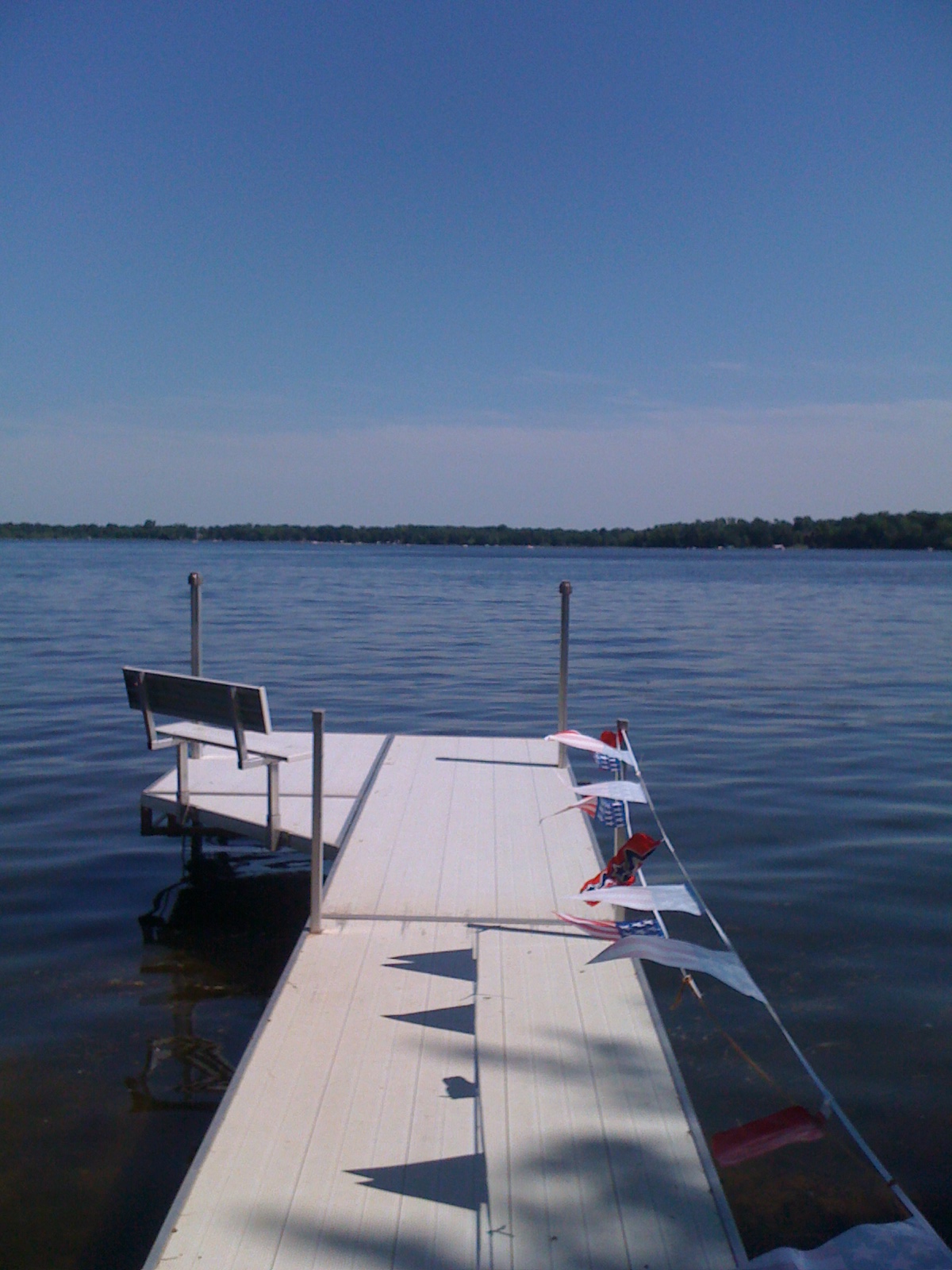
In the summer, I may blog on the dock at the cabin while I’m “watching” the kids swim.

I travel a lot for work, so more than one post has been written on a transatlantic flight.

I have only been blogging for a year, but so far I have found myself blogging in:

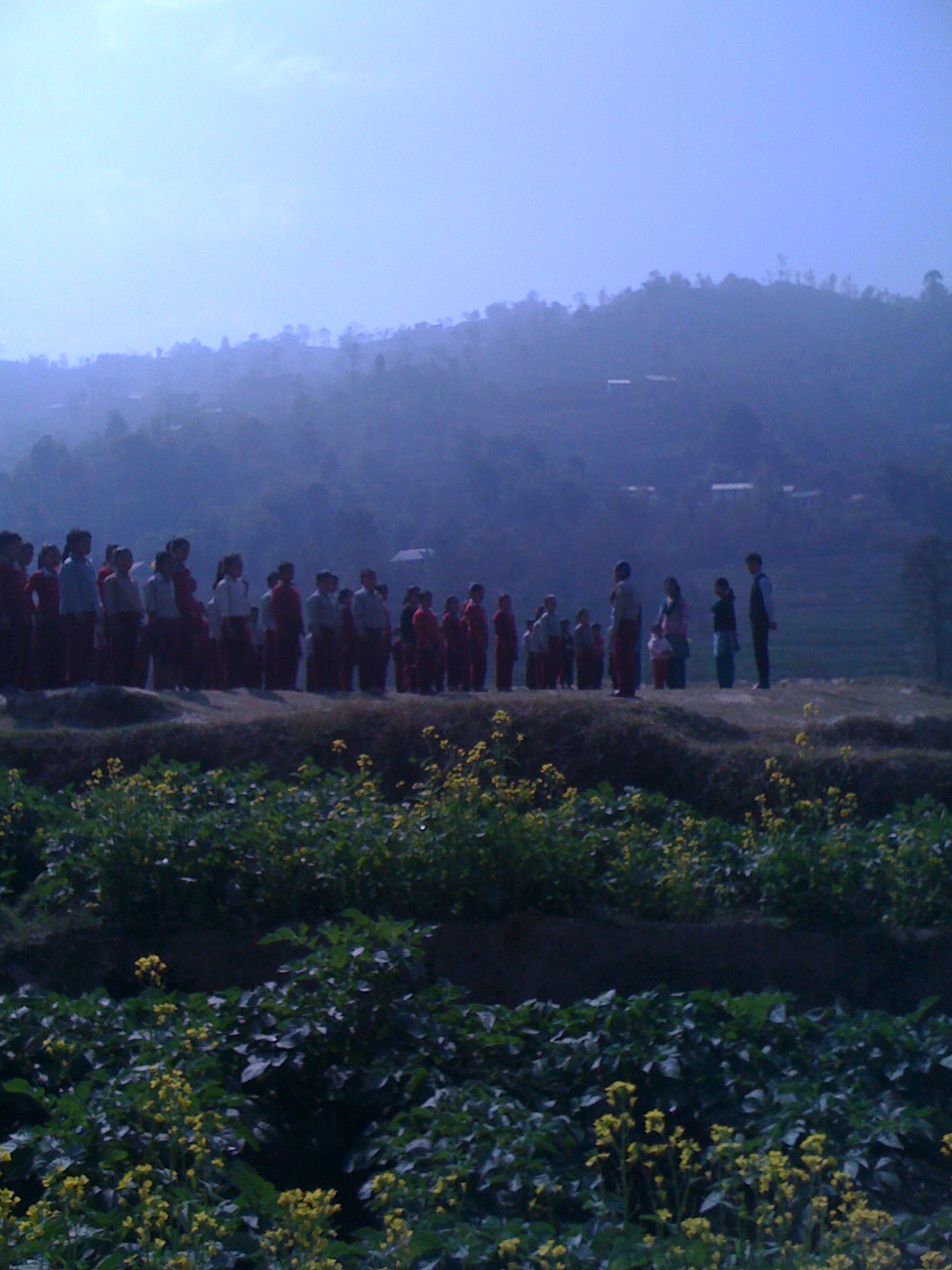
NEPAL

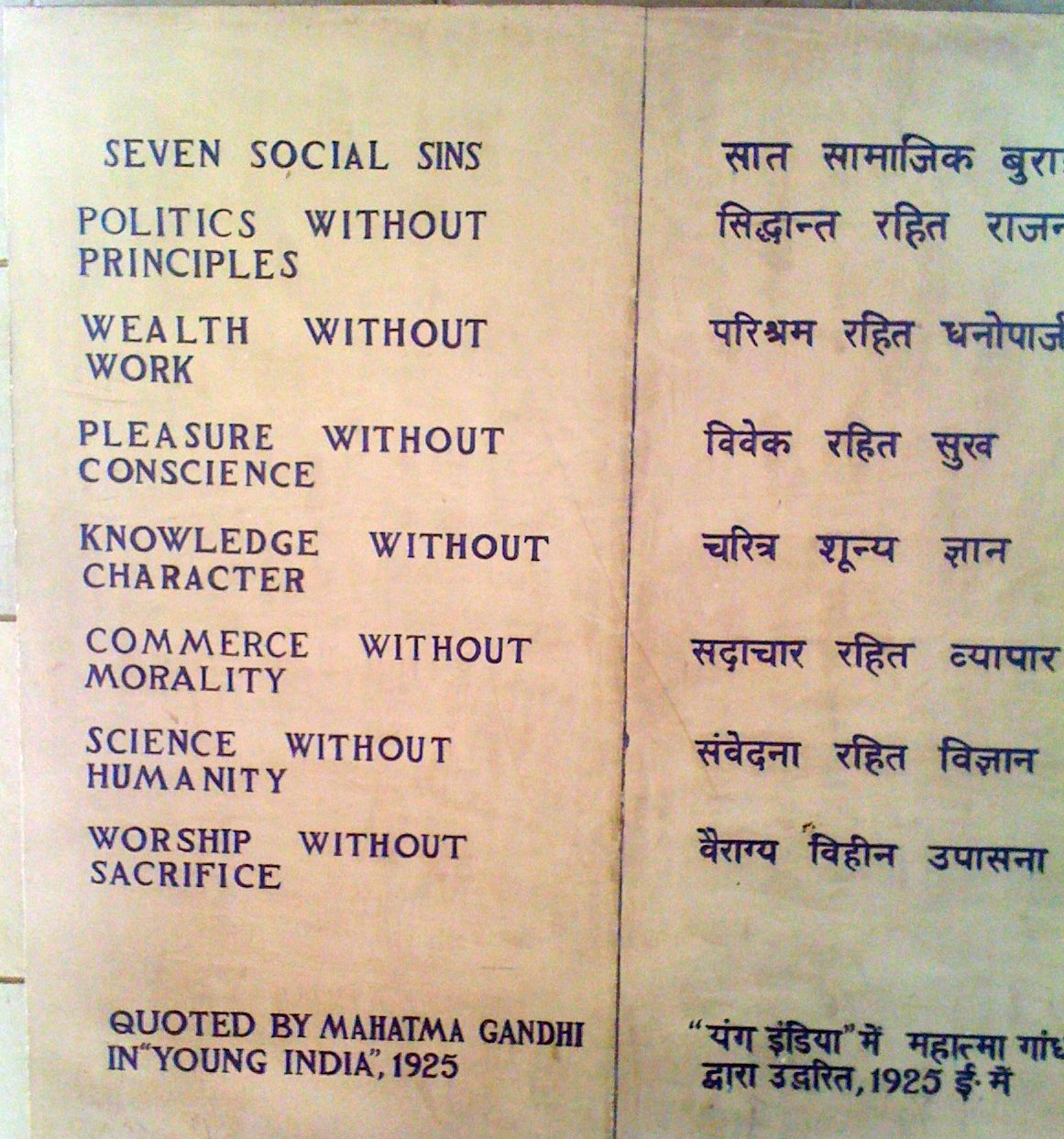
INDIA

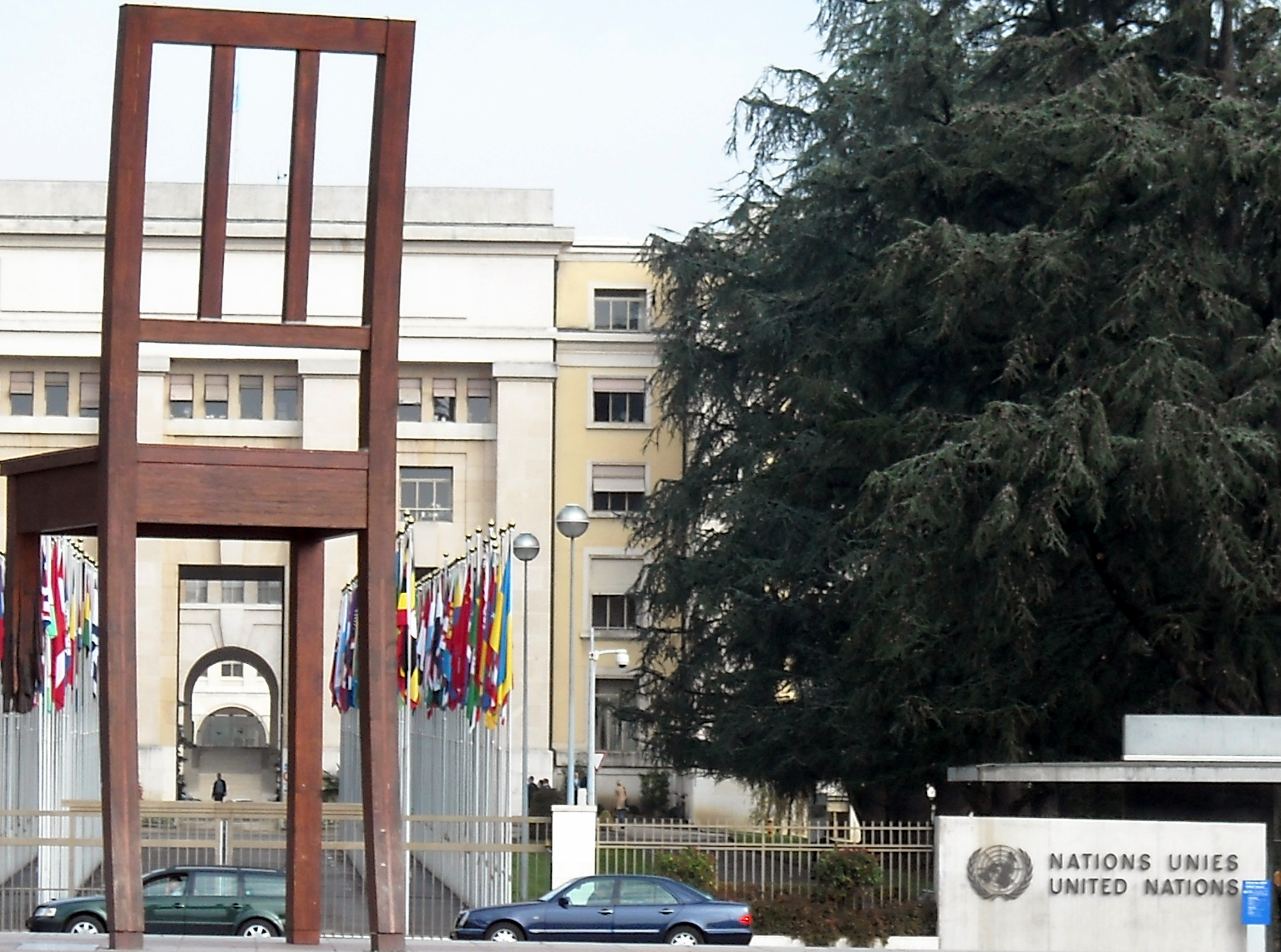
GENEVA, SWITZERLAND

Mostly, though, I write on the run – literally. I do some of my best thinking when I am running. Often I can work out almost all of the details of a piece so that it actually takes only a short time to type it up on my laptop.

I like to think of it as “rlogging”.

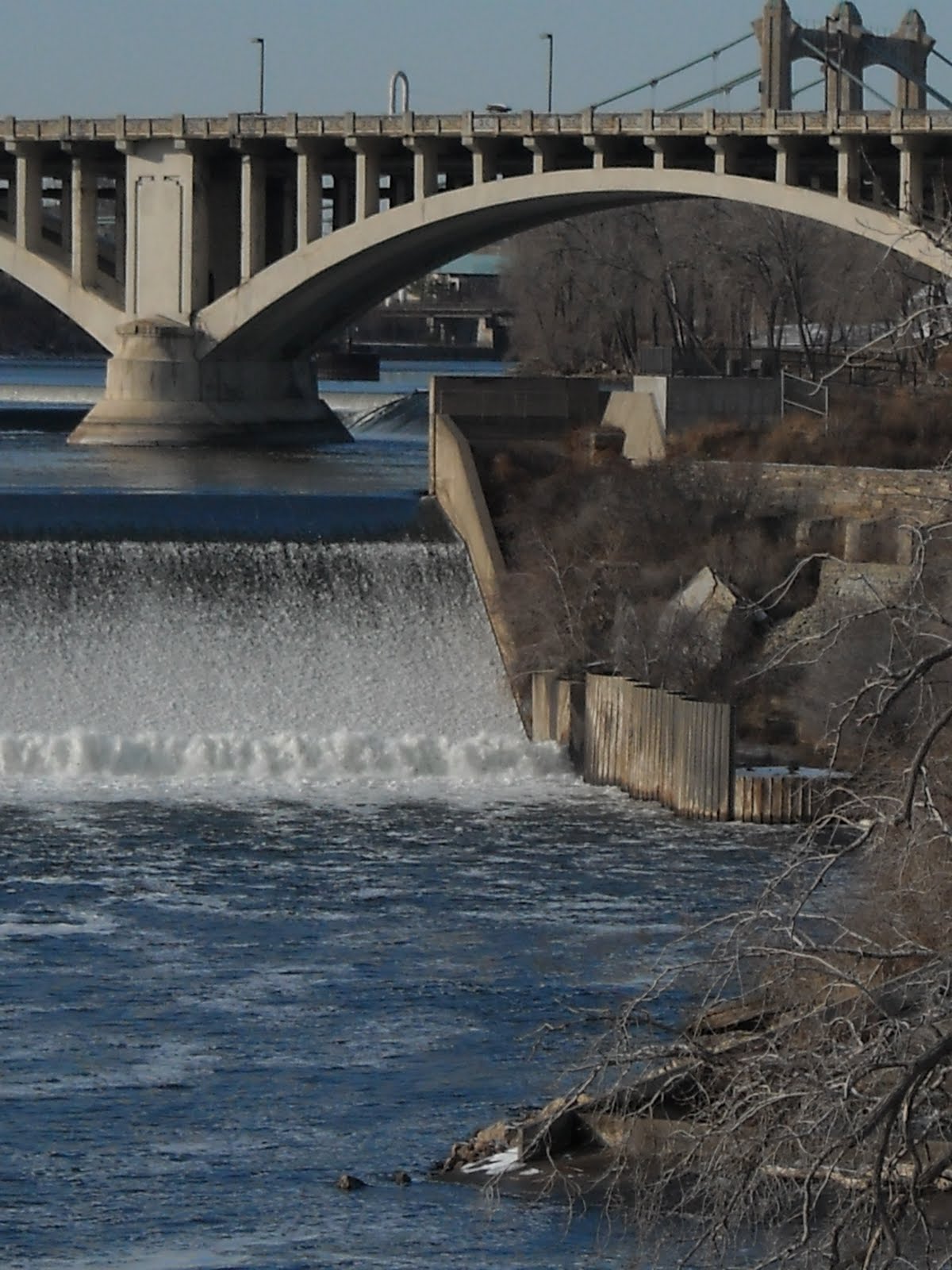
I am fortunate enough to live in Minneapolis, a city that was purposefully laid out so that no child would have to walk more than six blocks to a park. There are miles and miles of biking and running paths.  I often blog while running along the Mississippi River …

…and across the Stone Arch Bridge back into downtown.

Sometimes, I “rlog” along Minnehaha Creek, where we catch tadpoles in the summer.

But here is a peek at my very favorite Blogger Space.

My favorite rlogging route goes …

…through the Lyndale Park Rose Garden, the second oldest public rose garden in the U.S….

… along the shore of Lake Harriet. Although we are in the city, I have seen both foxes and bald eagles near this spot on the southeast corner. My grandparents Olaf and Lillian walked around this lake in their courting days, barely catching the last streetcar back to downtown.

I think about things as I follow in their footsteps.

I run past the Lake Harriet Bandshell. In the summer of 1961,my parents first met here. On a blind date.

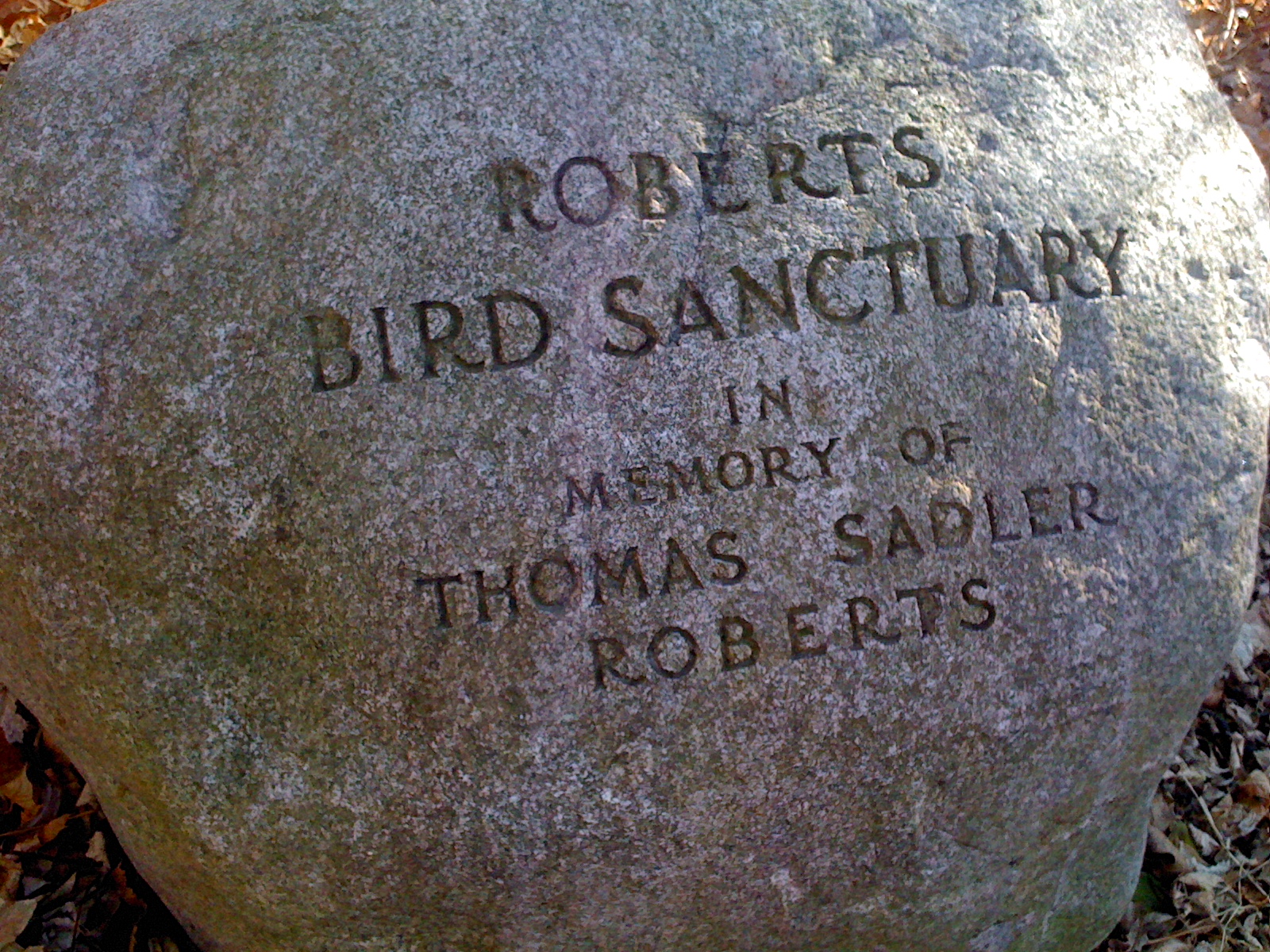
Through the Roberts Bird Sanctuary …

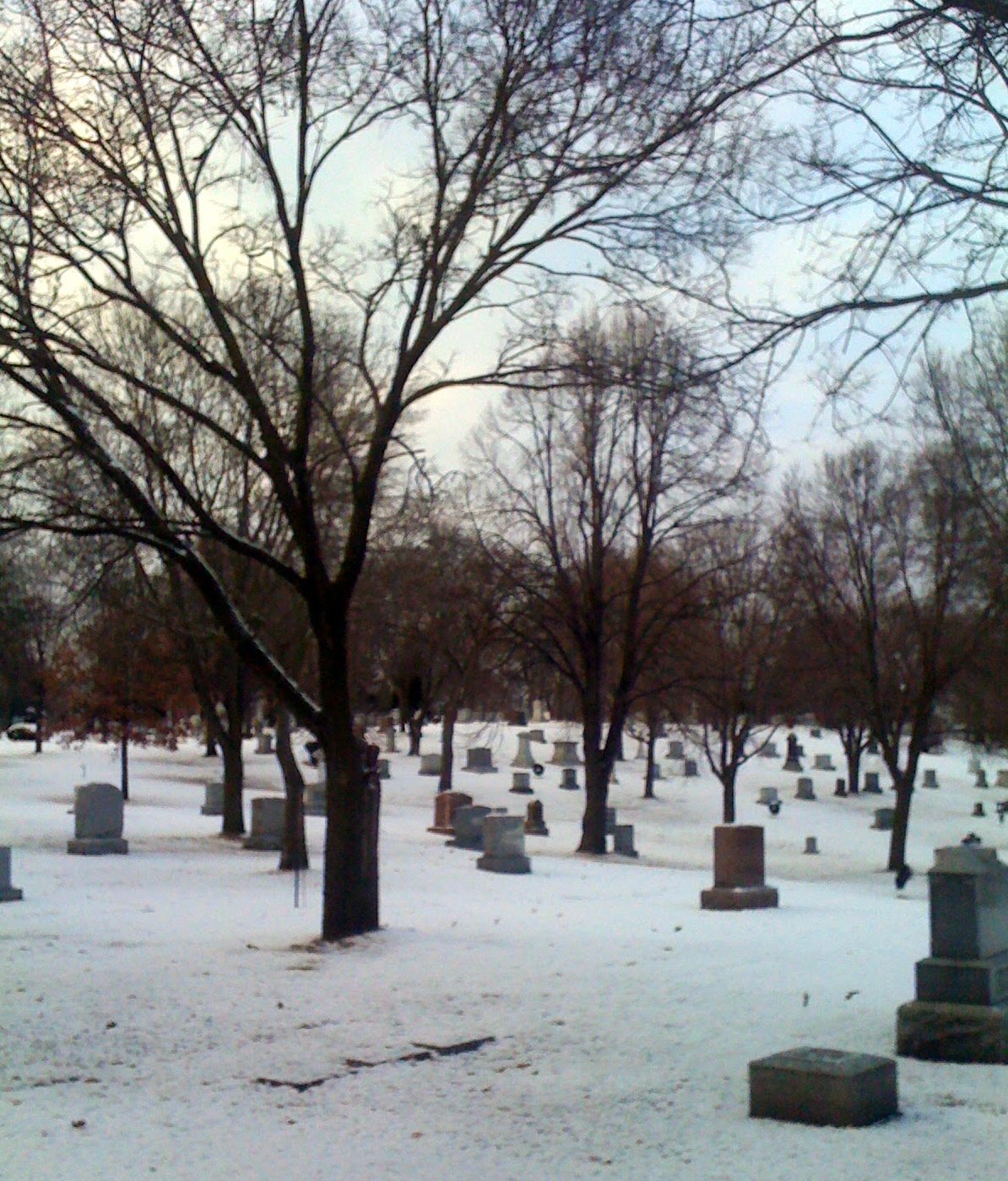
… past Lakewood Cemetery.

My “Lemondrop Grandpa”, my grandfather Orville, is buried here. Also Paul Wellstone and Hubert Humphrey.

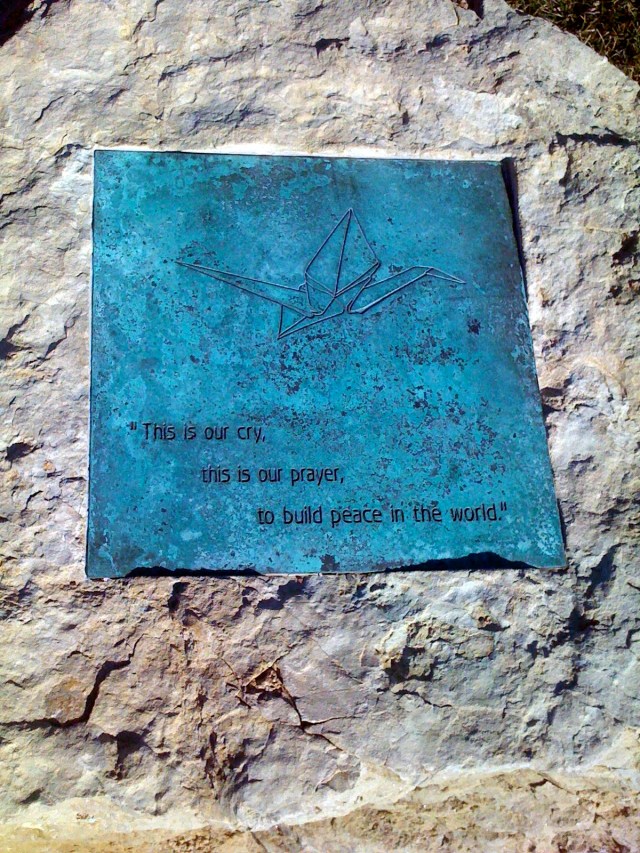
And then I run home, through the Peace Garden.

This Blogger Space always gives me inspiration.  And then I sit down and I write.

Wanna show off your digs? Participate in Blogger Space! Send a photo of your space, a blurb about why you write where you do, and a link to your blog to divorcedpauline@aol.com.

Becoming a Human Rights Warrior

Happy New Year!  It’s been one year since I started my Human Rights Warrior blog.  Here is a post I wrote recently for Open Salon on The New Year’s Resolution I Kept.  It pretty much sums up the way I feel about my first year of blogging.  Now, onwards into 2012!

It all began, as so many things do, with a misunderstanding. I was putting my son Simon to bed one night when he said,

“Mommy … What’s it like to be a human rights warrior?”

“But sweetie, I’m not a human rights warrior. I’m a human rights lawyer.”

He waited a couple of seconds – this kid has an uncanny sense of comedic timing – before wrinkling up his little nose and saying skeptically,

“What’s a LAWYER?”

I’ll never know what kind of weapons he thought I was secretly carrying in my briefcase because my description of my actual job put him right to sleep. But this bedtime exchange got me thinking.  For more than 15 years, I’ve worked with survivors of human rights abuses.  My job is to document and bring to light stories of unbearable loss from every corner of the world.  I have observed the absolute worst aspects of human nature, the dark side in each of us that we would rather not acknowledge.

You might think that this would make me pessimistic about the world in general and Homo sapiens in particular, but the impact has been quite the opposite.  It has been my privilege to bear witness to the very best characteristics of humanity – our capacity to overcome adversity, to hope, to forgive.  I’ve heard inspiring acts of courage; seen the precious gift of faith.

While I have many stories from my experiences in human rights work, I realized – after this one comment from a very small person – that most of them had never been shared with anybody. Stories of human rights abuses don’t exactly lend themselves to pleasant cocktail party conversation.  How do you convey the complex political and social conditions that lead to human rights abuses, honor the victims, and avoid grossing people out with the horrible details – all in a two-minute elevator speech? And how do you even stop talking about injustice once you start?

So how was I going to figure out a way to talk about it with my kids?

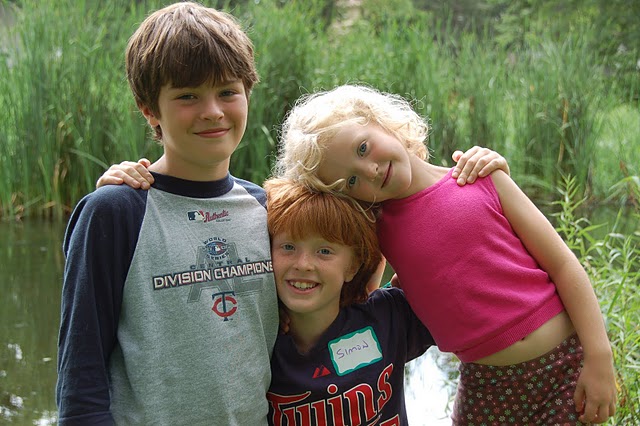
That “Human Rights Warrior” discussion took place more than five years ago.  This is my son Simon today.

What did I do about my conundrum for four long years?  Exactly nothing. But I didn’t stop thinking about it.   As a parent, I am challenged to distill my experiences into something that Simon – along with his older brother and his younger sister – can understand and profit from. I kept turning it around in my head like it was my mental Rubic’s cube, impossible to put down but incredibly hard to solve.

I don’t believe in New Year’s resolutions.  If something is important enough to do, you should make the promise to yourself to do it whether it is May Day or Halloween or January 1.  But with my long history of  inertia on this topic, I needed more motivation.  In 2011, I resolved, I will think more intentionally about what I’ve learned from my work in human rights and I will take action t0 pass these lessons along to my kids.

A  friend had suggested writing about my experiences as a way of processing them. So on New Year’s Day 2011, I started writing my thoughts down.  Randomly at first, in one of my kids’ old wide-rule spiral notebooks, which I had misplaced by January 3. I moved to writing on my laptop and jotting notes on my iPhone.  When I reached the point where I felt I had some stuff that was good enough to share, I started a blog.  My sweet husband gave me a domain name for my birthday: Human Rights Warrior.

I don’t consider myself much of a blogger, much less a writer.  I write only at the outermost corners of my life, on the UB313 of my solar system.  Often I find myself writing in odd places, like the hockey rink when one of my boys has practice.

It doesn’t really matter, though, because now I’m thinking about it all the time.  Writing down my thoughts has forced me to focus on making the connections between the experiences I’ve had in human rights and things in their lives.  My neurons are firing like a toddler with DHA omega-3 enriched milk in her sippy cup. Putting it in words crystallizes both the good and the bad, making it easier for me to talk about them with my kids.

It has also brought back so many memories.  I didn’t realize how many people I still hold in my heart. Ma Fatu, who lost her own family in the Liberian conflict but made a new family with orphaned young people in Buduburam Refugee Settlement.  My former asylum client, bravely recounting her gang-rape by Kenyan police as her husband sat beside her in agonized silence.  A couple in Peru, who after being released from more than 10 years of unlawful detention, recounted their story while holding their newborn infant daughter, who never left their arms.   These are people who will never be nominated for a Nobel Peace Prize, but I feel that I am honoring them for their strength and courage when I tell my my children about them.

Are  my kids listening?  Not really.  Maybe.  Who knows?  Like the healthy lunches I send with them to school, my job is just to pack the lunchbox not to force it down their throats.

Last week, though, as he was going to bed, Simon said to me, “Mom, can you tell me some stories about your work?”  I could. So I did.

I kept my New Year’s resolution in 2011.  I am a Human Rights Warrior.


Best of My 2011 Status Updates

“Why yes, I do know both Wallace AND Gromit. Why do you ask?”

It’s that time of year again, when the “Best of” lists are rolling out. Sadly, I am not Time’s 2011 Person of the Year. You won’t find me in the NFL’s Top 100 PlayersRolling Stone’s 50 Best Albums of 2011,The New Yorker’s Favorite Books from 2011 (numbering 37),  iTunes’  Top 25 Songs of 2011,  E! Top 10 Stylish Stars of the Year,  or Forbe’s 5 Top Retail Success Stories of 2011.  I am not (thankfully, given The Kompany) on either Barbara Walters’ 10 Most Fascinating People of 2011 list or Gawker’s 10 Least Fascinating People of 2011 list. Salon’s 2011 Hack List? Nope.  I didn’t even make Babble’s Top 100 Mom Blogs, which has me and the other estimated 3,999,900 mom bloggers feeling just a smidge left out.

So, in the spirit of the “Best of 2011” season, I decided to put together my very own top 25 list.  The only problem is that these days there is precisely one thing in my life that is entirely within my control – my Facebook status updates.  Welcome to “Best of My 2011 Status Updates”!  I’m posting it now before Facebook – through random-number generator or Mark Zuckerberg’s pet rats in a Skinner box or whatever means they use to decide these things – tells me what my Best 2011 Status Updates are and then posts them in my friends’ News Feed. (Which I predict will happen on Monday, December 26 at 9:36 am EST.)

Best of My 2011 Status Upates

#25 It just seems like you shouldn’t have to start your day with the sentence, “Hey! Don’t pee on your sister!”

#24 It’s snowing. Both the front and the back doors are open. The refrigerator door, too. Come on! Work with me, people!

#23 I was looking for a wineglass but I found Darth Vader in HEAVEN!

darth

#22 “Don’t throw up on the iPad!” And how is YOUR Friday night going?

#21 ‎”If you’re going to get out of bed, for God’s sake bring the throw up bowl with you!” And how is YOUR morning going?

#20 Taco Tuesday for those family members who did not throw up today. Everyone else gets pablum.

#19  ‎”Can you make us turkey waffles?” Happy Thanksgiving!

waffle

#18  Most of the time, I think I’m just a normal mom. And then I do things like yell, “You boys stop fighting or I’m going to get Nonviolent Peaceforce up in here!!!” Which makes me think I’m not so normal.

#17  A day that starts with threatening your sons with international non-governmental organizations could really only end with teaching your daughter the difference between flipping the bird and the Vulcan “Live long and prosper” sign.

#16  No Comment.

no comment

#15  Is it wrong that my first reaction to the Demi/Ashton split is, “Oh no! What will happen to their foundation that works to eliminate sex slavery?”

#14  Burnt the toast. Threw it out the door. Squirrel caught it and scampered away.

#13 I’m thankful for my (ZOMBIE!!!) family and friends.

zombie

#12  “No, honey, they are poppy seed muffins. Not hockey seed muffins.”

#11  Today is “World Toilet Day.” That is all.

#10  Better to be a friend hole than that other kind of hole.

friend hole

#9  Had a brief, friendly chat with my boyz about what to do if a coach wants to bear hug you in the shower.

#8  Accidentally made a reservation for brunch tomorrow at a restaurant in Australia. Stupid World Wide Web!

#7  Apparently my “mom” pheromones are so strong that random German AND Greek children fall asleep on me on transatlantic flights.

#6  That’s right, sweetie. It’s a “coffee blender”, not a “margarita maker”.

COFFEE BLENDER

#5  Now is as good a time as any to introduce the small fry to Spinal Tap.

#4  Sometimes, it is best just to remain silent. For example, when your 9 year old son says, “Mom, you are a brick house!”

#3  Daughter: “Can I get a Barack Obama Barbie for Christmas?”

Me: “Ummmm…I need to focus on making dinner right now.”

Daughter: “So, is that a YES?”

#2  My Friday night involved a 4th grader, a saxaphone, some sheet music, and two Youtube videos of Boil Them Cabbage Down.


#1. 9 yo son (critiquing little sister on the way she is carrying her babydoll):  “You’re never gonna make a good mom.”

6 yo daughter:  “Your shirt is on backwards.”

Oops!  My Top 25 list is all filled up and I only got as far back as October in my Facebook “Older Posts”!  Wait a minute – this is how these these “Best of” lists actually work, isn’t it?  They are really just the  highlights from the last quarter with maybe one or two standouts thrown in from earlier in the year?

Once Again, No Comment

wiggles

Postscript:  You may be wondering what any of this has to do with human rights.  It doesn’t really.  But I have learned from working in human rights the importance of humor as a coping mechanism for dealing with the tough things in life.   I’ve done a couple of posts on this already:  You Really Can’t Make This Stuff Up – Part I  and You Really Can’t Make This Stuff Up – Part II.  I consider this post to be You Really Can’t Make This Stuff Up – Part III.

Memories Captured

This is why I work for human rights – I want to make the world a better place for my children and children everywhere. Sometimes, though, I just need to stop and be thankful that my children are happy and healthy. Galit Breen and Alison Lee are doing a cool blog link up called Memories Captured. Here are some of my favorite photos of my children from the past year or so:

She cracks me up!  Her is my daughter with My Little Pony giving Mary, Joseph and Jesus in Santa’s sleigh.  (Thankfully, Jesus is in a carseat!)


The Sharing Table

I first heard about “The Sharing Table” when my son came home from kindergarten and exclaimed, “No snack for me today!  I had three hot dogs – plus my home lunch.” I pictured the Oscar Wienermobile pulling up at his school, tossing hot dogs like Mardi Gras beads.  “Where did you get three hot dogs?” “The Sharing Table, of course.”

The concept is simple.  If there is something in your school lunch that you don’t like, you leave it on the table.  If there is something in the school lunch that you want more of, or – if you are like my children –  you would like to supplement to your home lunch, well, you can just help yourself.  I couldn’t find any official Minneapolis Public Schools food policy, so I quizzed the kids.

Me:  “So, how did you find out about The Sharing Table?”

  • Oldest son (age 12):  “Duh!  It is right next to the Allergy Aware Table. You can’t miss it.” (This one has a peanut allergy.)
  • Youngest son (age 9):  “I didn’t really know about it, but then I think the Lunchroom Teacher told us at some point. The Lunchroom Teacher is kind of mean. If you forget your lunch, you go to The Sharing Table.”
  • Daughter (age 6 1/2):  “It’s right there! Kids put their grapes there.  I like it when I can get the ‘mandrigan’ oranges.  Sometimes I take something and put it in my lunchbox for a snack later.”

All three agreed that the only real rules were that the items on the Sharing Table had to be from the school lunch, i.e. pre-packaged. Sometimes the pre-packaged school lunches bum me out.  When I was growing up in Louisiana, the lunches were not pre-packaged.  They were made in the cafeteria kitchen by large African-American women who always seemed to be stirring giant stainless steel pots and having a grand old time.  The East Baton Rouge Parish schools offered up jambalaya, shrimp creole, crawfish etouffee, cornbread, buttery rolls, yams, succotash, John Marzetti casserole, iced spice cake – for only 90 cents a lunch. My high school cafeteria had both a “hot lunch” side and a gumbo/salad bar/milkshake side.

Those East Baton Rouge Parish school lunches were some of the best in the world.  The melamine compartment lunch trays (which I recall as being pastel green, orange, yellow, and blue) came back to the kitchen clean as a whistle – except when greens were served.  Nobody  EVER touched the greens.  The greens remained on the trays in the perfect ice cream scooper-formed mounds in which they were served.   The rumor was that the greens were actually grass and, in fact, there was some circumstantial evidence to support the hypothesis.   Not only did they look exactly like grass, but I myself observed over years – at Magnolia Woods Elementary, at Wildwood Elementary, at Glasgow Middle Magnet – that greens were always on the menu THE DAY AFTER the janitors mowed.  At Baton Rouge Magnet High, where students came from all over the parish, we did an informal survey and discovered that this was happening in all the school cafeterias.  Harbinger of the locovore movement? Or just coincidence?  You be the judge.  All I know is that nobody EVER touched the greens.

One greens day when I was a sophomore in high school, I brought my lunch tray back to the kitchen.  My tray was clean, except for the greens.  On the conveyor belt, there was a long line of trays with ice cream scoop mounds of greens waiting to be dumped.  The cafeteria lady who was spraying down the trays looked me in the eye and said,

“Y’all is wasting perfectly good greens. Y’all must not know what it’s like not having enough to eat.”

Y’all, in case you don’t know, can be used both in the singular as well as the plural.  I understood exactly what she was saying that day – she meant both.  The only possible response to this was, “Yes, ma’am.”

By which I meant, “I’m sorry.”

Last year 65% of kids in grades K-8 qualified for free and reduced lunch.  I think The Sharing Table is a fine way to make sure that all of these kids get enough to eat.  At my kids’ schools they also have R.O.T., where the kids have to sort the remains of their lunches into recycling, organics, and trash.  I think that’s a good idea, too.

This Thanksgiving I am thankful for the many blessings in my life: for my family, my health, the opportunity to do good work.  I rediscovered my love of writing this year and I’m grateful for that, too.  I’m thankful to that long-ago Baton Rouge High School lunchlady.  And I’m also thankful for The Sharing Table.  My children are learning lessons at school that are not in any curriculum.  They are learning a lifestyle of avoiding waste and paying attention to what happens to their garbage.  They are learning, by giving and taking equally, that if you have more than you need, you should share it.  If you need more than you have, you can take it without questions or shame.  It’s not political, it’s just about being together in a community.  Today I am thankful that I am not alone in raising these children to be good citizens of their community.
Throwdown* Crawfish Etouffe

1 lb. crawfish tail meat (can also use shrimp or catfish)

2-3 teaspoons Tony Cacherie’s Creole seasoning (if you don’t have that, use 2 tsp. salt, 2 tsp. garlic powder and 1/2 tsp. cayenne)

1/2 stick of butter

1 medium yellow onion, chopped

2 bunches scallions (green onions), chopped

2 stalks celery, chopped

2 cloves garlic, minced

1 can Rotel Tomatoes (diced tomatoes with green chiles)

1 can Campell’s Cream of Mushroom soup (the TRUE secret of Cajun cooking!)

Mix seasoning with crawfish and put in refrigerator for 30 minutes.

Over medium-high heat, melt the butter in a heavy pot.  Add the chopped onions, celery and garlic and saute until the yellow onion is translucent.  Add the seasoned crawfish and mix real good.  After about a minue, add the can of soup (no water) and stir.  Then add the Rotel tomatoes and mix.  Lower the heat, cover the pot, and cook the rice.  Stir the etoufee often and simmer over low heat for 20 minutes.  Season to taste with more Tony’s.

*The lazy version

JOHN MARZETTI CASSEROLE

Not my recipe, but I ate a whole lot of it and make it for my family now.  I do wonder how a dish from Ohio became such a mainstay on the EBRP public school lunch menu. Here is the source for this version of the recipe.

3 tbsp. olive oil

1 large onion, chopped

¾ lb. mushrooms, cleaned and sliced

2 lbs. lean ground beef

3 ½ cups tomato sauce

1 ½ lbs. cheddar cheese, shredded

1 lb. elbow macaroni, cooked and drained

In skillet, saute onion in oil until limp, about 3 minutes. Add mushrooms and fry until juices are released, about 5 minutes. Add beef and cook, stirring, breaking up clumps, until no longer red. Remove from heat and mix in tomato sauce and all but 1 cup of cheese. Transfer to greased 9- by 13-inch baking dish and add macaroni. Toss gently to mix. Scatter remaining cheese on top. Bake, uncovered, in 350-degree oven until browned and bubbling (35 to 40 minutes). Serves 10 to 12.

How To Live To 101

My Grandpa Olaf at 99

When people asked him his secret to living past 100, my Grandpa Olaf  had a standard response:  “Don’t die!”  But truth be told, he had more going for him than just his sense of humor and hardy Norwegian genes.  My grandpa actually DID have a secrets, rules he lived by that help explain his long and good life.

My Grandpa Olaf – who would have turned 104 this week – was born in 1907 and died in his sleep right before Christmas 2008.    My middle son cried even more than I did when we got the news.  I’m so thankful that my children knew him well, the man with the Winnie-the-Pooh voice. The man full of joie de vivre who taught me to ride a bike and twirled me on the dance floor at my wedding.  The loving man who made the doll bed that my daughter’s Americal Girls “sleep” in today.

The amazing thing is that, not only did my Grandpa Olaf live to be 101, but he was still going so strong.  When he was 99, my mom had to ask him to (please!) stop travelling .  He did –  internationally, at least – but he still got a huge kick out of showing people his ID with the 1907 birthdate.  He did not get much of a kick, however, out of the fact that after he turned 100,  the box marked “1907”  disappeared as a birthdate choice on most online forms.  That made him mad.

Some secrets are just not meant to be kept and I’m sure my Grandpa Olaf wouldn’t mind me sharing a few of his.  So here goes:

Two almonds a day keep cancer away.  From the time of my earliest memories, he had a big jar of raw almonds in the kitchen.  When I stayed with my grandparents, he made me eat them, too.  Turns out tat there is ongoing research on the phytochemicals in almonds which may have potential health benefits, including preventing cancer.  In any event, almonds are cholesterol-free, a good source of dietary fiber, and high in monounsaturated fat (which lowers LDL cholesterol).

Show up!!!  This was the guy who never missed a graduation – or any other important event in our lives, for that matter.  He even bore witness to my brief stage career, which ended after a single performance of Alice in Wonderland in 5th grade at Wildwood Elementary School in Baton Rouge, La. (Guess who played Alice? Guess who memorized everyone else’s lines and said them for them – sotto voce –  if they missed their cue? Afterwards, Grandpa Olaf said to me, “Well, Jen, you really gave it your all!”)  As I grow older, I realize more and more how important it is to show up for the important events.  My regrets definitely center more on things that I have not done and weddings I have missed than things that I have done.

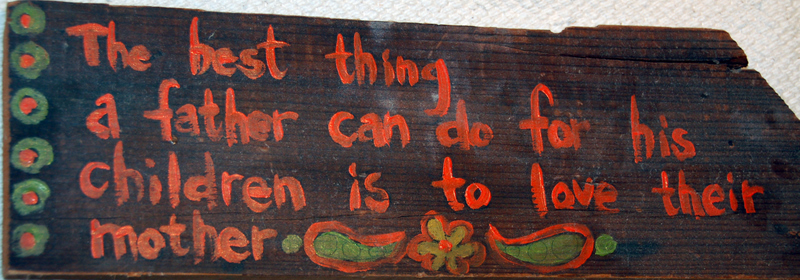
Appreciate your spouse.  Husband, wife, life partner, whatever. “The best thing a father can do for his children is to love their mother.” My grandpa made this sign for my dad, who later gave it to my husband.

Never stop learning.    He had a tough childhood in a poor,  immigrant family.  The kind where your Norwegian mama makes you take castor oil but you have to line your holey shoes with cardboard.  He had to drop out of school to work and never made it past about sixth grade.   But he valued education above all else, and sent his daughters to the best schools he could.  He was so proud of my mother, the first in her family to get a PhD.  As an adult, he chose to learn through experience.  Between the ages of 65 and 99 – and particularly after age 80 – he traveled the world.  (If you have a bucket list – Grandpa Olaf says to prioritize the Galapagos Islands.)

Make the effort to connect with people.  My grandpa was a pretty social guy, one who believed strongly in getting out there and talking with people. He also liked to help and volunteered his skills with a number of nonprofits, fixing things for seniors and building community theater sets.   He lived for the last decade or so of his life at the Holladay Park Plaza in Portland, Oregon; people there called him “The Mayor”.

Fight for what’s right.  A union member for nearly 70 years, my grandpa used to tell me stories about having to wear flannel pjs under his wafer-thin airplane mechanic uniform in the Minnesota sub-zero winter cold.  He was part of the fight for every benefit and workplace protection, from insulated uniforms and hearing protection to paid vacation to safety regulations.  He was really, really proud of that.

My daughter chatting with my Grandpa Olaf

Spend time with children.  I fondly remember my grandfather  reading the Brer Rabbit stories to me and my brother, but he also spun us wild yarns about a character of his own invention –  Redpants Cookie.  From what I remember of this young, maroon-chaps-wearing cowboy, he always returned safely home from his adventures to find a glass of milk and a plate of cookies.  (If I ever write a children’s book, this is it, so don’t go stealing my Redpants Cookie!)  What I didn’t realize until his memorial service was that, in addition to me, my brother, and our cousins, he had been Grandpa to his second wife’s grandchildren as well.

Talk about things, don’t bottle them up inside.  My grandfather was an airplane mechanic in the Pacific during World War II.  He saw a lot of stuff, but what really troubled him was taking the returning POWs  off the planes.  Like most of his generation, he didn’t talk about it for years.  In his 90s, however, he would recount in vivid detail the helpless and  emaciated bodies of these human rights victims. “I should have talked about this years ago,” he told me. ” I shouldn’t have kept it inside for so long.”

Don’t postpone joy.  After my grandmother died, he went on an Elderhostel trip to Russia; my step-grandmother was on the same trip.  When they returned, they decided to get married.  They had only known each other for about a month, but at their age (he was 80, she was 70) – they figured, why wait?  They were married for 21 years.

"Father of Waters" statue, complete with the toe to rub for good luck and the stairs my grandpa used to run up when delivering papers

Seek your luck.   As a boy in the late 1910s, he delivered papers in City Hall in Minneapolis.  His job required that he run, carrying a heavy bag of newspapers, up many flights of stairs to the offices.  There is a large marble sculpture, called “Father of Waters” after the nearby Mississippi River. According to legend, rubbing his big toe brings good luck.  My Grandpa Olaf paused every day on his paper route to rub the big toe of the “Father of Waters”.  Later in life, we visited the statue together.  This week, on the 104th anniversary of his birth, I went by myself to City Hall and I rubbed that marble toe.  I thought of my grandpa and all that he taught and me.  And all he continues to teach me.

Celebrating Grandpa Olaf's 100th birthday!

Raising Boys Not To Be Total Jerks

At some level, I’ve known since before my oldest son was born that this moment would come.  But when it did, it took me utterly and completely off guard.  I was driving a car full of boys home from a soccer tournament last week when my 9-year-old son piped up from the back,

“Hey mom! I’ve got a funny joke.  I’ll ask you a question and you say, ‘Ketchup and rubber buns'”.  “I’ve heard this one,” chuckled my 12-year-old son.  Snickers all around from the soccer players.  

Apparently, I was the only one who didn’t know what was coming next.

“What did you have for breakfast?”  “Oatmeal and ketchup and rubber buns.”

“No! Mom!  Just say ketchup and rubber buns.”

“What did  you have for breakfast?” “Ketchup and rubber buns.”

“What did you have for lunch?”  “What did you have for dinner?”  Etc. etc.  And then we get to the punchline:

“What do you do when you see a hot chick? You catch up and rub her buns!”     Peals of laughter from the boys.

To my very great credit, I did not run the station wagon off the road and into the ditch.  I kept driving – silent, hands gripping the wheel, looking straight ahead.  It was a perfect autumn day.  The sky was brilliant blue and the afternoon sun was catching the full color of the orange and yellow leaves on the trees along the highway.   It was a beautiful, perfect day but inside I was angry. I was mortified. I was disappointed.  I was desperately struggling to think of what I should say.

Every once in a while, though, it is helpful to have gone to law school.  “I don’t think that joke is funny.  You know, if you actually ran after a woman and touched her in an offensive way like that, it would be called “assault and battery”. It is a crime.  You could be arrested.”

“You could be arrested for THAT?”  “Yes.  Plus, the woman could also sue you.”

Silence descends.

“Also, I’ve actually had that happen to me. How do you think it feels to have a stranger grab your butt?”

“WHAT? That actually happened to YOU?”

“Sure. More than once. Usually at parties.”

“That’s kind of  making me feel sick,” said the 12-year-old.

More silence.

From the 9-year-old:  “I remember you saying that you didn’t like running past construction sites because the construction workers whistled and yelled things at you.”

I didn’t remember telling them that, but it’s true.  When I was a teenager, I used to go way off my normal running routes just to avoid running past a construction site.  Good, they were listening.

“So what are you going to say the next time you hear someone tell a joke like that?”        “Stop, Mom! We get it, ok?”

Teachable moment: ended.  I decided just to leave it there  – for now.  These are intelligent boys, good kids who love and respect their mom and their sister, their grandmothers, their female friends and teachers.   But they, like other young Americans, are deeply impacted by the culture that they live in. Children are exposed to an estimated 16,000 images every day.  They are powerfully influenced by their peers (I know they didn’t hear THAT joke at home).   How can that not impact the way that they view girls and women?  And isn’t it only going to get worse as they move through middle and high school?

The Ketchup Joke was a call to action for me.  I need to do more to raise these boys to recognize the problem and, hopefully one day, to speak up when they hear someone tell a sexist joke.    Thankfully, there are a lot of resources out there – research, organizations, websites.   The Advocates for Human Rights has developed a Challenge the Media workshop and resource list.   And I know that other parents have successfully managed to raise their sons not to be total jerks, but to be men who respect and treat women as equals.

I’ll report back periodically on what I have found.  In the meantime, I would welcome hearing about what others have learned.    But first, I’ve got a date with my sons.  We are going to see Miss Representation.

We've still got a long way to go, but we've taken the first step.

My Suffragist Grandmother

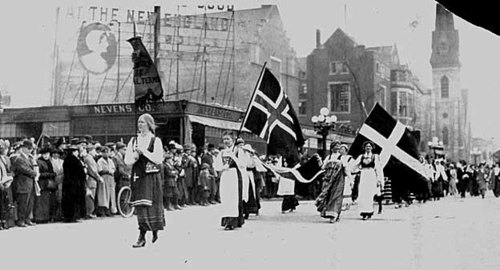
Suffrage procession in Minneapolis on May 2, 1914
From the collections of the Minnesota Historical Society
Source: thomaslowrysghost.tumblr.com


Election Day is coming up Tuesday and you can be damn sure that I am going to cast my vote.  

I’m doing it for my Grandma Lillian and all the inspirational people that I’ve met over the years who have risked everything to secure their right to participate in government.

My Grandma Lillian was raised by her grandmother, Thorina Melquist.  Thorina was an immigrant from Norway whose oldest daughter (my great-grandmother) died of typhoid fever just weeks after she gave birth to my grandmother. Thorina’s youngest child was only nine months older than my grandmother.  She weaned him in order to nurse my newborn grandmother, who had also contracted typhoid but somehow – miraculously – survived. (And, yes, “Thorina” is the female version of the name of the Norse god of thunder.)

In addition to farmwork and child-rearing, Thorina was a dedicated suffragist.  She believed strongly in equal voting rights for women and she often participated in demonstrations advocating for the right to vote for women. Women received full suffrage rights in Norway in 1913, so Norwegian immigrant women (along with their Finnish, Swedish and Danish counterparts) played a notable role in the suffrage movement at the local level in Minnesota and other states with large Scandinavian immigrant populations.  The photo at left shows women from several Scandinavian countries in traditional dress marching against inequality and for universal women’s suffrage on Hennepin Avenue in downtown Minneapolis.
My Grandma Lillian grew up as a suffragist.  She was still pretty young in 1919 when the Nineteenth Amendment was passed by Congress and ratified by Minnesota.  Women’s suffrage became national law on August 18, 1920 when Tennessee became the 36th state to ratify the Constitutional amendment.In some ways, it is surprising to think that less than 100 years ago, women in America could not vote.  I was a toddler in Louisiana when that state ratified the 19th Amendment in 1970 – 50 years after initially rejecting it.   And Mississippi didn’t ratify the 19th Amendment until 1984!

Now the right to participate in government is one that we Americans take for granted – so much so that less than half of the population votes unless it is a Presidential election year.  In 2008, the voter turnout was 63%, a high water mark that is low in comparison with most countries.  In U.S. local elections, the voter turnout is even lower.  Many of the mayors of major U.S. cities are elected with single-digit turnout. That’s just shameful.

I love to vote.  In fact, I vote every chance that I can – legally at least. I always try to bring my kids with me when I vote, so they can see that having a voice in the democratic process is something both important and valuable.

But when I’m standing in the voting booth, I feel like there are others there in the voting booth with me.  They are some of the inspirational people that I’ve met over the years who have risked everything to secure their right to participate in government.

Standing with me is the young Haitian asylum seeker who was beaten by police at a polling place in order to discourage him from voting for Jean-Bertrand Aristide in 1990.  He held his own, though, and stood there bleeding and bandaged for several hours before he finally had the opportunity to put his check next to Aristide’s rooster symbol on the ballot.  It was the first time he had ever voted – and it was a remarkable act of courage and endurance.  In telling me about it, he summed it up by saying,

“I voted!  It was a very good day.”

In the voting booth with me are also many of the amputees in Sierra Leone in 2004.  It was common practice during the conflict there for members of the Revolutionary United Front (RUF) to hack off the hands or arms of people with machetes.  Some of them had been targeted during elections so that they couldn’t vote by leaving their fingerprint mark on the paper ballot.  I also heard that the RUF brutally amputated hands during one election because the government’s slogan was that,”The power is in the hands of the people.”

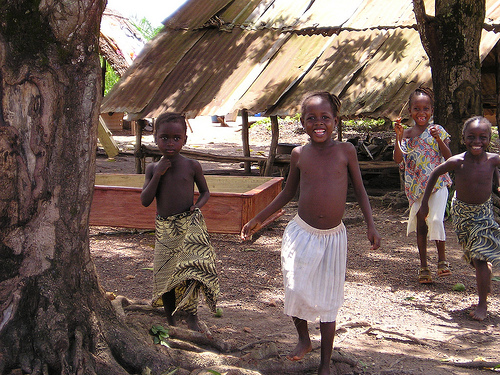
I visited Sierra Leone in 2004, after the conflict had ended and just prior to the first post-conflict elections.  As I traveled through the countryside, I saw people coming together for meetings to discuss the upcoming elections.  In spite of the horrors that they had endured, they were coming together in villages big and small, to exercise their right to participate in their government.  Here is a photo I took of a gathering in a village far out in the bush in the Kono district, an area that endured particularly brutal human rights abuses.  Yet now, as the country was slowly emerging from the conflict, the villagers were coming together to discuss the upcoming local election process.

My Suffragette Grandmother

Although my grandmother gained the right to vote, she was never able to go to college.   She was certainly smart enough, but her family couldn’t see the point in wasting good money on educating a girl.  Grandma Lillian never expressed bitterness about this to me. But one afternoon when I was in high school, I stopped by to say hello and to get her thoughts on my top college picks.  I remember sitting in my grandparents’ darkened living room.  A mantel clock ticked and the air conditioner hummed.  It now seems impossibly calm and quiet, so different from my current raucous and messy living room. My Grandma Lillian told me that the most important thing was to follow my dreams.

 “You can do whatever you want to with your life. Be what you want to be.  
But never forget those of us who weren’t able to follow our dreams.                
Follow your dreams for us.”


Upcountry girls in Sierra Leone.  Photo by my colleague Rosalyn Park.
Upcountry girls in Sierra Leone. Photo by my colleague Rosalyn Park.

So that’s why I never miss the chance to vote.  I’m doing it for my Grandma Lillian.  And for everyone else who can’t follow their dreams.

Every election day is an opportunity.  An opportunity to have a say in the decisions, big and small, that impact the lives of you and everyone around you.  Don’t make excuses, don’t be discouraged.  This is a right that is too valuable to waste.  On Tuesday, please get out there and VOTE!  If you need help finding your polling place, go here:


The photo at the top is of the Scandinavian Women’s Suffrage Association marching in a parade in Minneapolis in 1914.

I keep it in my office in honor of my Grandma Lillian.