Becoming a Human Rights Warrior

Happy New Year!  It’s been one year since I started my Human Rights Warrior blog.  Here is a post I wrote recently for Open Salon on The New Year’s Resolution I Kept.  It pretty much sums up the way I feel about my first year of blogging.  Now, onwards into 2012!

It all began, as so many things do, with a misunderstanding. I was putting my son Simon to bed one night when he said,

“Mommy … What’s it like to be a human rights warrior?”

“But sweetie, I’m not a human rights warrior. I’m a human rights lawyer.”

He waited a couple of seconds – this kid has an uncanny sense of comedic timing – before wrinkling up his little nose and saying skeptically,

“What’s a LAWYER?”

I’ll never know what kind of weapons he thought I was secretly carrying in my briefcase because my description of my actual job put him right to sleep. But this bedtime exchange got me thinking.  For more than 15 years, I’ve worked with survivors of human rights abuses.  My job is to document and bring to light stories of unbearable loss from every corner of the world.  I have observed the absolute worst aspects of human nature, the dark side in each of us that we would rather not acknowledge.

You might think that this would make me pessimistic about the world in general and Homo sapiens in particular, but the impact has been quite the opposite.  It has been my privilege to bear witness to the very best characteristics of humanity – our capacity to overcome adversity, to hope, to forgive.  I’ve heard inspiring acts of courage; seen the precious gift of faith.

While I have many stories from my experiences in human rights work, I realized – after this one comment from a very small person – that most of them had never been shared with anybody. Stories of human rights abuses don’t exactly lend themselves to pleasant cocktail party conversation.  How do you convey the complex political and social conditions that lead to human rights abuses, honor the victims, and avoid grossing people out with the horrible details – all in a two-minute elevator speech? And how do you even stop talking about injustice once you start?

So how was I going to figure out a way to talk about it with my kids?

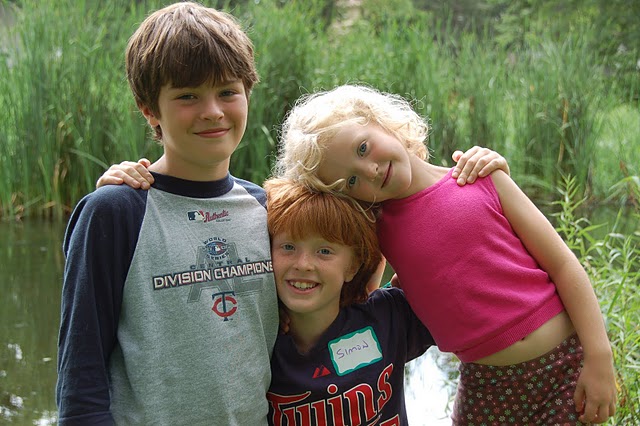
That “Human Rights Warrior” discussion took place more than five years ago.  This is my son Simon today.
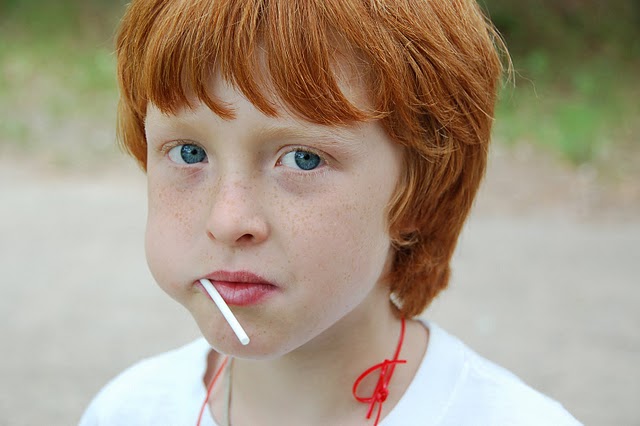
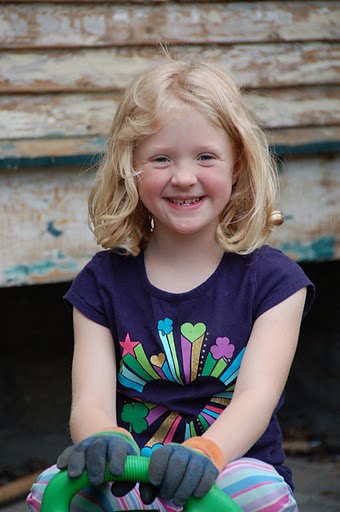
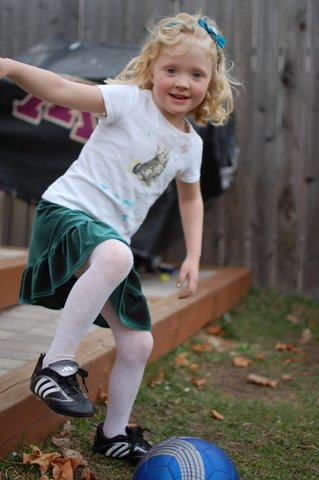
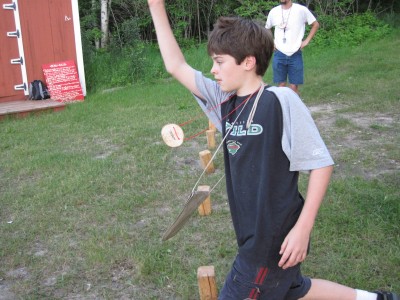
What did I do about my conundrum for four long years?  Exactly nothing. But I didn’t stop thinking about it.   As a parent, I am challenged to distill my experiences into something that Simon – along with his older brother and his younger sister – can understand and profit from. I kept turning it around in my head like it was my mental Rubic’s cube, impossible to put down but incredibly hard to solve.

I don’t believe in New Year’s resolutions.  If something is important enough to do, you should make the promise to yourself to do it whether it is May Day or Halloween or January 1.  But with my long history of  inertia on this topic, I needed more motivation.  In 2011, I resolved, I will think more intentionally about what I’ve learned from my work in human rights and I will take action t0 pass these lessons along to my kids.

A  friend had suggested writing about my experiences as a way of processing them. So on New Year’s Day 2011, I started writing my thoughts down.  Randomly at first, in one of my kids’ old wide-rule spiral notebooks, which I had misplaced by January 3. I moved to writing on my laptop and jotting notes on my iPhone.  When I reached the point where I felt I had some stuff that was good enough to share, I started a blog.  My sweet husband gave me a domain name for my birthday: Human Rights Warrior.

I don’t consider myself much of a blogger, much less a writer.  I write only at the outermost corners of my life, on the UB313 of my solar system.  Often I find myself writing in odd places, like the hockey rink when one of my boys has practice.

It doesn’t really matter, though, because now I’m thinking about it all the time.  Writing down my thoughts has forced me to focus on making the connections between the experiences I’ve had in human rights and things in their lives.  My neurons are firing like a toddler with DHA omega-3 enriched milk in her sippy cup. Putting it in words crystallizes both the good and the bad, making it easier for me to talk about them with my kids.

It has also brought back so many memories.  I didn’t realize how many people I still hold in my heart. Ma Fatu, who lost her own family in the Liberian conflict but made a new family with orphaned young people in Buduburam Refugee Settlement.  My former asylum client, bravely recounting her gang-rape by Kenyan police as her husband sat beside her in agonized silence.  A couple in Peru, who after being released from more than 10 years of unlawful detention, recounted their story while holding their newborn infant daughter, who never left their arms.   These are people who will never be nominated for a Nobel Peace Prize, but I feel that I am honoring them for their strength and courage when I tell my my children about them.

Are  my kids listening?  Not really.  Maybe.  Who knows?  Like the healthy lunches I send with them to school, my job is just to pack the lunchbox not to force it down their throats.

Last week, though, as he was going to bed, Simon said to me, “Mom, can you tell me some stories about your work?”  I could. So I did.

I kept my New Year’s resolution in 2011.  I am a Human Rights Warrior.
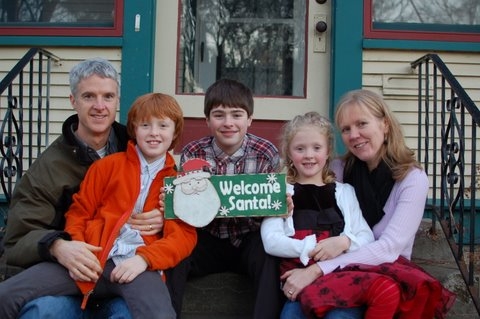
 

Sunset on Christmas Day

The sunset lasts approximately four minutes this time of year in these northern climes. I was reminded of that – and the transient and precious nature of our lives here – tonight on my run around Lake Harriet. Ask for help if you need it. Help if you see a need. Best wishes for peace, love and joy in 2012!

Wishes for Peace, Love and Joy

From my family to yours!

Why American Moms are Cheering for Licia Ronzulli

Photos of European Parliament Member Licia Ronzulli with her daughter keep popping up on my Facebook news feed and Pintrest.  My friends are mostly moms, so I speculate that they had an emotional reaction when they first saw the photo of MEP Ronszulli with her baby.  I know that I did.  I cheered and teared up a little, almost simultaneously.   Then I stopped and asked myself, “Why?”

The photo of Ms. Ronzulli at work with her baby is not a new – it was taken in September 2010.   While this photo caused a splash in Europe in 2010, it took  a while for it to catch on here.  That’s about right – as a country, the US is generally well behind Europe in terms of policies that support mothers.

Although she doesn’t bring her daughter to the European Parliament regularly, there are other photos of Ms. Ronzulli and the  now-toddler  Vittoria.  During a vote on the Eurozone debt crisis on February 15, 2012, reporters snapped several photos of Vittoria with her mom at the European Parliament.

The media coverage I have seen has focused on the cutesy (“awwwwwww”) or “hilarious” aspects of the photos.  That’s too bad. I think the media missed the opportunity to talk about WHY American moms like me are cheering for Ms. Ronzulli.

Here are a few reasons:

1)  Ms. Ronzulli’s employer, the European Parliament, has rules that allow women to take their baby with them to work.  Most American women do not have that option.
2)  The photos perfectly symbolize the work-family balance that all of us working moms struggle with every day.   The fact that, according to media reports, the photo of Ms. Ronzulli with her infant was taken during a vote on proposals to improve women’s employment rights makes it all the more poignant.
3)  Ms. Ronzulli is showing the world that childbirth does not automatically flip the offswitch on our female brains.  Women continue to be productive  employees even after they become mothers.  The Daily Mail, which ran the February 2012 photo in an article titled “Does my vote count, mummy?”,  describes the 36-year old Ronzulli as seeming “in complete control in spite of having her baby on her lap throughout.”  Why is this such a surprise?  I know that I, for one, have become better at multitasking and more efficient at doing my work since I had my first child.
4) In the 2010 photo, it appears that Ms. Ronzulli is choosing to keep her 7 week old infant with her as much as possible.  In my experience, that’s important for babies who are still so little.  Yet 6 weeks is the typical maternity leave in the U.S.  That doesn’t mean that it is paid leave, however. The U.S. is also one of only a handful of countries with no national law mandating paid time off for new parents.
5) Ms. Ronzulli was entitled to a parenting leave, but chose to take only 1 month of it.  She makes the point that it is about personal choice.  In 2010, she told The Guardian “It’s a very personal choice. A woman should be free to choose to come back after 48 hours. But if she wants to stay at home for six months, or a year, we should create the conditions to make that possible,” she said.   Amen, sister!
6) She looks GOOD!  I know I never looked that good 7 weeks after labor and delivery, but many of my friends very quickly looked like their pre-baby selves again.   I certainly didn’t look my best when I was the sleep-deprived parent of a toddler, but the world didn’t end.  Moms like a little reminder now and then that a having a baby doesn’t slam the door on our ability to look and feel good.  Sometimes it sure feels like that, but really it’s just a temporary setback.
7) Ms. Ronzulli probably didn’t have to nurse baby Vittoria sitting on a toilet in the ladies room.  That’s something I had to do at some point or other with all three of my babies here in America.

So thank you, Licia Ronzulli, for giving us American moms something to cheer for today and a reminder of what we need to continue to work towards tomorrow!

Best of My 2011 Status Updates

“Why yes, I do know both Wallace AND Gromit. Why do you ask?”

It’s that time of year again, when the “Best of” lists are rolling out. Sadly, I am not Time’s 2011 Person of the Year. You won’t find me in the NFL’s Top 100 PlayersRolling Stone’s 50 Best Albums of 2011,The New Yorker’s Favorite Books from 2011 (numbering 37),  iTunes’  Top 25 Songs of 2011,  E! Top 10 Stylish Stars of the Year,  or Forbe’s 5 Top Retail Success Stories of 2011.  I am not (thankfully, given The Kompany) on either Barbara Walters’ 10 Most Fascinating People of 2011 list or Gawker’s 10 Least Fascinating People of 2011 list. Salon’s 2011 Hack List? Nope.  I didn’t even make Babble’s Top 100 Mom Blogs, which has me and the other estimated 3,999,900 mom bloggers feeling just a smidge left out.

So, in the spirit of the “Best of 2011” season, I decided to put together my very own top 25 list.  The only problem is that these days there is precisely one thing in my life that is entirely within my control – my Facebook status updates.  Welcome to “Best of My 2011 Status Updates”!  I’m posting it now before Facebook – through random-number generator or Mark Zuckerberg’s pet rats in a Skinner box or whatever means they use to decide these things – tells me what my Best 2011 Status Updates are and then posts them in my friends’ News Feed. (Which I predict will happen on Monday, December 26 at 9:36 am EST.)

Best of My 2011 Status Upates

#25 It just seems like you shouldn’t have to start your day with the sentence, “Hey! Don’t pee on your sister!”

#24 It’s snowing. Both the front and the back doors are open. The refrigerator door, too. Come on! Work with me, people!

#23 I was looking for a wineglass but I found Darth Vader in HEAVEN!

darth

#22 “Don’t throw up on the iPad!” And how is YOUR Friday night going?

#21 ‎”If you’re going to get out of bed, for God’s sake bring the throw up bowl with you!” And how is YOUR morning going?

#20 Taco Tuesday for those family members who did not throw up today. Everyone else gets pablum.

#19  ‎”Can you make us turkey waffles?” Happy Thanksgiving!

waffle

#18  Most of the time, I think I’m just a normal mom. And then I do things like yell, “You boys stop fighting or I’m going to get Nonviolent Peaceforce up in here!!!” Which makes me think I’m not so normal.

#17  A day that starts with threatening your sons with international non-governmental organizations could really only end with teaching your daughter the difference between flipping the bird and the Vulcan “Live long and prosper” sign.

#16  No Comment.

no comment

#15  Is it wrong that my first reaction to the Demi/Ashton split is, “Oh no! What will happen to their foundation that works to eliminate sex slavery?”

#14  Burnt the toast. Threw it out the door. Squirrel caught it and scampered away.

#13 I’m thankful for my (ZOMBIE!!!) family and friends.

zombie

#12  “No, honey, they are poppy seed muffins. Not hockey seed muffins.”

#11  Today is “World Toilet Day.” That is all.

#10  Better to be a friend hole than that other kind of hole.

friend hole

#9  Had a brief, friendly chat with my boyz about what to do if a coach wants to bear hug you in the shower.
#8  Accidentally made a reservation for brunch tomorrow at a restaurant in Australia. Stupid World Wide Web!

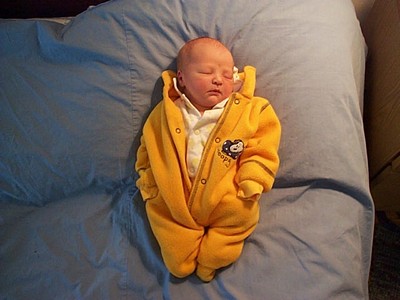
#7  Apparently my “mom” pheromones are so strong that random German AND Greek children fall asleep on me on transatlantic flights.

#6  That’s right, sweetie. It’s a “coffee blender”, not a “margarita maker”.

COFFEE BLENDER

#5  Now is as good a time as any to introduce the small fry to Spinal Tap.

#4  Sometimes, it is best just to remain silent. For example, when your 9 year old son says, “Mom, you are a brick house!”

#3  Daughter: “Can I get a Barack Obama Barbie for Christmas?”

Me: “Ummmm…I need to focus on making dinner right now.”

Daughter: “So, is that a YES?”

#2  My Friday night involved a 4th grader, a saxaphone, some sheet music, and two Youtube videos of Boil Them Cabbage Down.


#1. 9 yo son (critiquing little sister on the way she is carrying her babydoll):  “You’re never gonna make a good mom.”

6 yo daughter:  “Your shirt is on backwards.”

Oops!  My Top 25 list is all filled up and I only got as far back as October in my Facebook “Older Posts”!  Wait a minute – this is how these these “Best of” lists actually work, isn’t it?  They are really just the  highlights from the last quarter with maybe one or two standouts thrown in from earlier in the year?

Once Again, No Comment

wiggles

Postscript:  You may be wondering what any of this has to do with human rights.  It doesn’t really.  But I have learned from working in human rights the importance of humor as a coping mechanism for dealing with the tough things in life.   I’ve done a couple of posts on this already:  You Really Can’t Make This Stuff Up – Part I  and You Really Can’t Make This Stuff Up – Part II.  I consider this post to be You Really Can’t Make This Stuff Up – Part III.

Memories Captured

This is why I work for human rights – I want to make the world a better place for my children and children everywhere. Sometimes, though, I just need to stop and be thankful that my children are happy and healthy. Galit Breen and Alison Lee are doing a cool blog link up called Memories Captured. Here are some of my favorite photos of my children from the past year or so:

She cracks me up!  Her is my daughter with My Little Pony giving Mary, Joseph and Jesus in Santa’s sleigh.  (Thankfully, Jesus is in a carseat!)


Honoring The Defenders

I wrote this post for Bloggers Unite.

On Human Rights Day 2011, we pay tribute to all human rights defenders.  What is a human rights defender?  The UN Declaration on Human Rights Defenders describes them as people who act to address any human right (or rights) issue, anywhere in the world, on behalf of individuals or groups.  Human rights defenders can be individuals acting in their professional capacity or volunteering their time to work with an association or group.  If you add it all up, there are thousands – maybe millions – of human rights defenders in the world.  Each of us that takes action to promote and protect human rights is a defender.

As a human rights defender working in the United States, I have the freedom to work without fear of reprisal. For many defenders around the world, however, this is not the case.  Because of they act for human rights, human rights defenders are often targeted for human rights violations, including executions, torture, beatings, arbitrary arrest, trial without due process, detention, death threats, harassment and discrimination.  They face restrictions on their freedom of movement, expression, association, and assembly. In addition to targeting human rights defenders themselves and the organizations through which they work, the human rights violations frequently target members of defenders’ families.   Women human rights defenders confront risks that are gender specific.

What happens to human rights defenders when the targeting gets to be too much? For more than seven years, I represented human rights defenders who were fleeing persecution and seeking asylum in the U.S.   Though I may not have seen them for years, I often think about my former clients.  On this Human Rights Day, I am thinking about James and Julia (not their real names). James and Julia were human rights defenders in their native Kenya, speaking out against an oppressive government.  They had a little boy who I’ll call William.  When the police came to their house to arrest Julia, a police dog had bitten William on the head.  You could still see the wound a year later when, having left everything they owned behind to escape Kenya, they were seeking legal assistance with their asylum claim in the U.S.

In police custody, Julia had been brutally and repeatedly raped.  Julia testified about her experiences in a straightforward manner and in excruciating detail, but with such poise and dignity that both the asylum officer and I were in tears.  It is one of the very  few times that have I seen an asylum officer (specially trained federal officials who make decisions about asylum cases based on a written application and an in-person interview) actually cry during an an asylum interview.  I remember well how James sat next to her, utterly still. Anguish is the only word that could possibly describe the look on his face as he listened to her testimony.

Years later, after they got their citizenship, James and Julia had a party to say thank you to all of the people who had helped them.  In addition to their attorneys, there were people from their church and other members of the Kenyan community. They now lived in a big, new house out in the suburbs. Julia was close to graduation from nursing school  William, who I hadn’t seen since he was three, was now in middle school.  He was a straight-A student and talented musician who had just gotten braces.  They had had another child, too – a daughter born here in America.

The ending is not always this happy for all human rights defenders.  That is why, this Human Rights Day, we all need to honor the work of human rights defenders and promote human rights both at home and in other countries.  One way to honor the work of the defenders is to be a defender yourself – take action.  The UN is asking you to Make a wish for human rights today!

To learn more about protecting human rights defenders:

http://www.ohchr.org/EN/Issues/SRHRDefenders/Pages/SRHRDefendersIndex.aspx

http://www.protectionline.org/-Home-.html

http://www.fidh.org/-Human-Rights-Defenders,180-

10 Things To Do With Your Kids on Human Rights Day!

This is a post that I wrote for World Moms Blog.  Originally published here.

Make your own human rights tapestry!

Human Rights Day is December 10! The date was chosen to honor the United Nations General Assembly‘s adoption on 10 December 1948 of the Universal Declaration of Human Rights (UDHR), the first global statement of international human rights principles.  Here are some ideas for simple yet meaningful ways for your family to celebrate the rights and responsibilities that we all share as human beings.

1.  Learn about the Universal Declaration of Human Rights. Check out the UDHR plain language version  or the Amnesty International UK book We Are All Born Free (15 of the illustrated pages of the book can be found on The Guardian’s website if you want to look at them online or print them out). You can also watch  a short video together and talk about it with your kids. My kids loved this animated video version of the UDHR even back when they couldn’t understand what the words meant. For a more historical view, check out The Story of Human Rights.

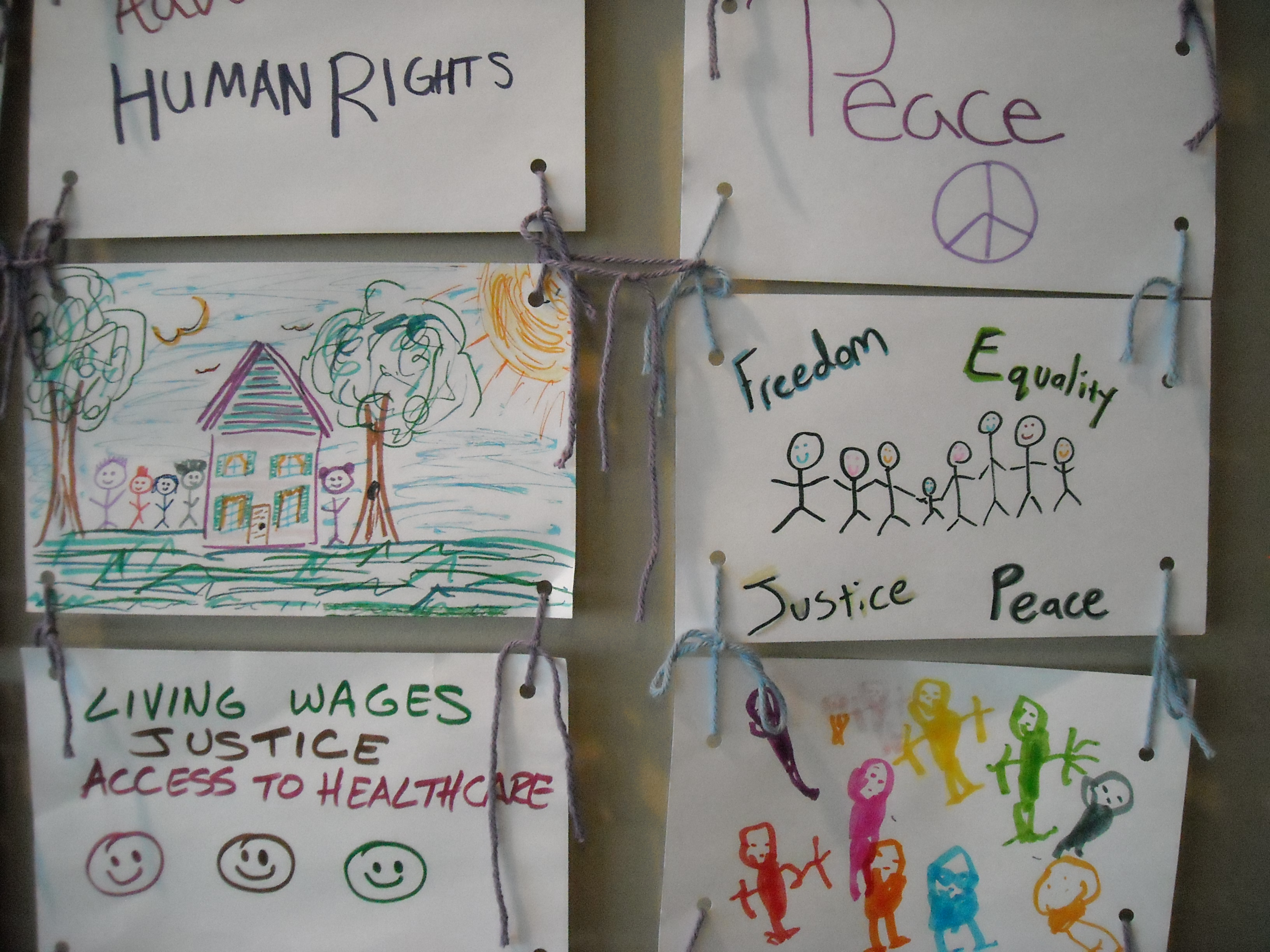
2.  Exercise your right to freedom of expression! Draw pictures together of the rights and freedoms that are important to you. You can make your own family “Human Rights Tapestry” by drawing on index cards and using a hole punch to make holes in each corner.  Use yarn to tie together the cards to make a tapestry. (See the picture above of the Human Rights Tapestry conceived of by Chanida Phaengdara Potter and created by visitors to The Advocates for Human Rights‘ booth at the Minnesota State Fair.) You can alsomake posters or collages together.  Help your kids write a poem or story about human rights.  Older kids can even make a video!

3.  Listen to some human rights music with your kids. Here are a few suggestions, but you might also want to check out the folk music songbook Rise Up Singing.  The book contains the chords and lyrics for more than the 1200 songs on a wide variety of social justice issues.

  • The Rainbow Connection – Kermit the Frog  Someday we’ll find it!
  • If I Had a Hammer – Pete Seeger   Really, anything by Pete Seeger.  Pete is my own personal antidote to Barney.
  • Free to Be You and Me   – Marlo Thomas & Friends     In my opinion, one of the best things about being a kid in the 70s.
  • The Preamble – Schoolhouse Rock      Did you know that the U.S. Constitution is one of the first documents to establish universal principles of human rights?
  • Star Wars Main Title/Rebel Blockade Runner – John Williams   People say Star Wars was a Western set in space, but I see it as a movie about the fight for human rights against the Empire.

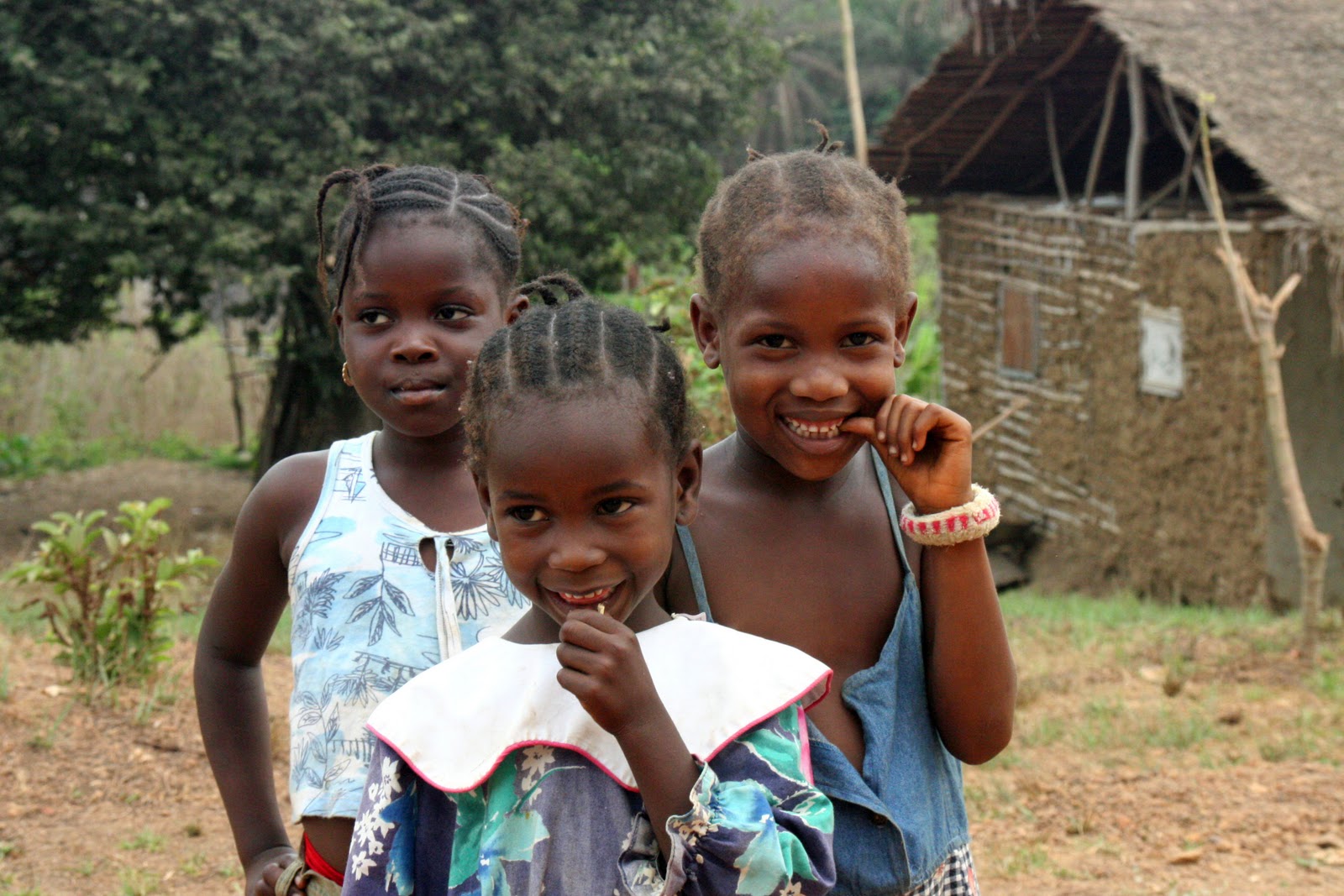
4.  Same and Different.  I started doing this activity in my childrens’ classrooms and really learned a lot from the kids about tolerance and respect.  Show your kids a photo and have them point out what they see in the picture that is the same in their lives and what is different.  Here’s an example but more can be found on my blog post Same and Different:

photo by Dulce Foster

The kids’ responses:  ”I like that bracelet.”  ”I sometimes wear my hair in braids, too.” “They have dark skin and I have white skin.”  ”We have different trees here, like conifers.”  ”We have snow here right now.”  ”Is that corn growing behind them?  Because I LOVE to eat corn, too.”  ”Is that a house? It’s not like my house.”  ”You couldn’t live in that house in Minnesota.  You would get too cold.”

5.  Let your kids use their screen time to learn about human rights!  Play games and quizzes on the UN cyberschoolbus.  Check out these free, downloadable video games:

  • Against All Odds  Experience life as a refugee, for ages 7+.
  • Stop Disasters!  Learn how to respond to different humanitarian disasters.
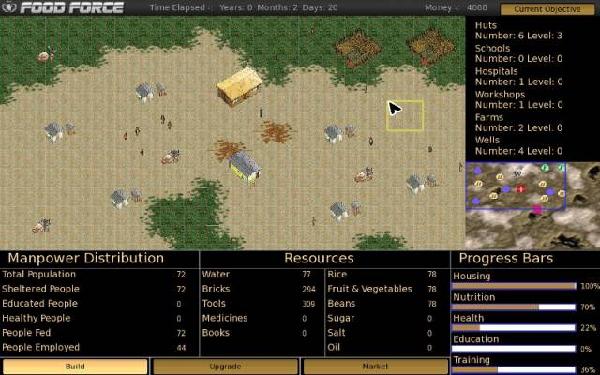
  • Food Force   Gamers ages 8-16 undertake 6 virtual missions to stop world hunger. Download the game in English, French, Norwegian, Portuguese, Korean, etc. (I’ll be testing newly launched Food Force 2  with my 12 year old gamer son. Something tells me he’s going to kick my butt at saving the world!)

Photo from Food Force 2

6.  Talk to someone you know who is from another country.  Where are they from?  What was their life like there?  What language did they speak?  Did they go to school? What do they miss?  What do they like about their new country?

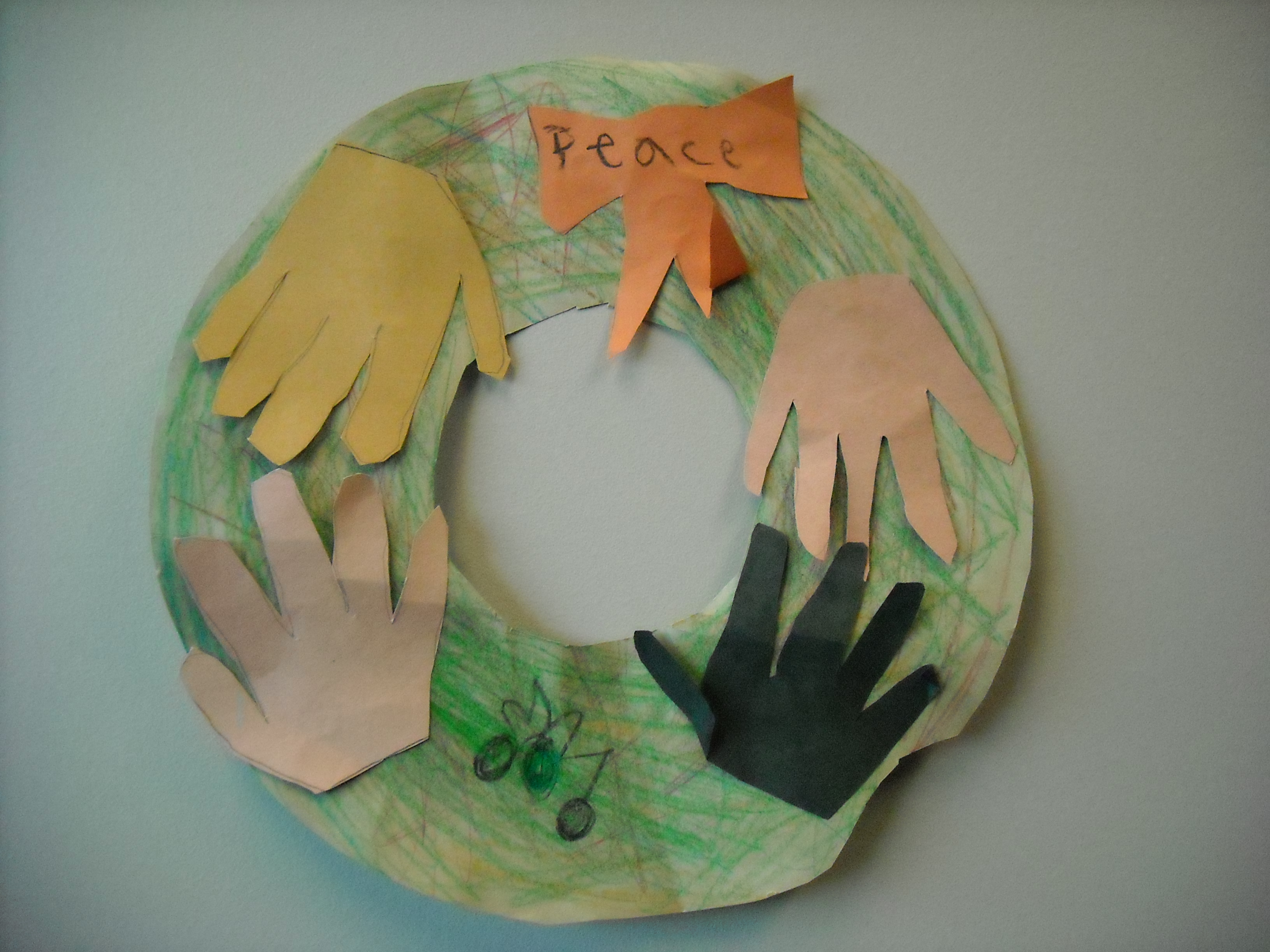
7.  Make a Helping Hands Wreath to symbolize the responsibility we all have to help each other.  Trace your hands on different color construction paper.  Cut out the hand shapes and glue or staple them on a paper plate to make a wreath.

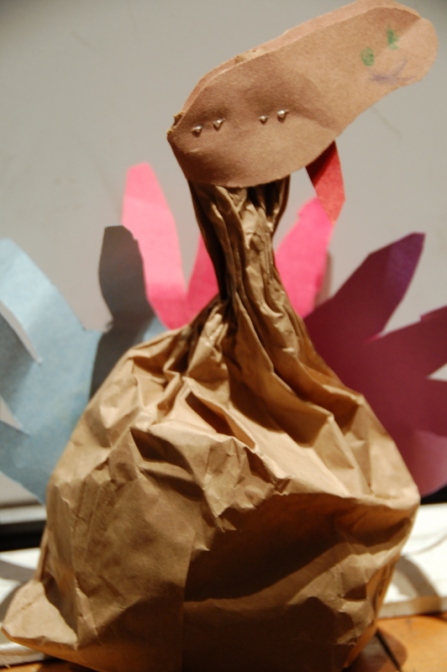
8.  Act out a skit with puppets.  You can use any puppets or even make your own paper bag or sock puppets.  This skit is from RAISING CHILDREN WITH ROOTS, RIGHTS, & RESPONSIBILITIES , but you can also write your own skit, using a problem that your children have had to deal with themselves.

  • Example skit: Puppet 1: Hi everybody, my name is Jan.Puppet 2: Hi, everybody! I’m Sam, and I’m building a bridge. (Puppet is working with blocks.) Jan: Hey, Sam, I need those blocks for the airport I’m building. (Jan takes some blocks.) Sam: Hey! Don’t do that! You’re taking away my right to play!  (Puppets tussle over a block.)
  • Discussion:  What do you think Jan could have done differently? Has anyone ever interfered with your play?  How did that make you feel?
  • “Can you do a different ending to the story?” Choose children to act out the play again with the puppets, but coach them in some respectful ways to play together to share, take turns, or use other solutions they think of themselves.
  • “I know you can act very respectfully and responsibly toward each other. In fact, I’ve seen ________________________ (give examples of a time when acted responsibly).

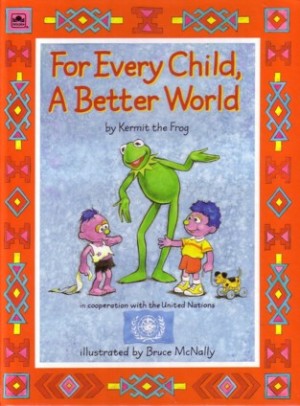
9.  Read a book about human rights.   There are so many, but for young children, I like  Horton Hears a Who by Dr. Seuss, The Giving Tree by Shel Silverstein,  Giving Hand, For Every Child, A Better World by Kermit the Frog. (Yes, I have a thing for Kermit.)

Photo from Wiki Muppets

Older kids may enjoy books more like The Hunger Games and Diary of Anne Frank.  For more ideas for books for teens and tweens, see the Discover Human Rights Institute resources, especially the Peace and Justice booklist and the  Equality and Tolerance booklist.

10.  Take action!  Teach your kids that they really can make a difference in the world.  Collect food and bring it to a local foodshelf.  Write a letter or sign a petition on behalf of a prisoner of conscience. Volunteer to help serve a meal at a homeless shelter.  Raise money from friends or neighbors for UNICEF or another organization working on human rights. (Remember to Trick-or-Treat for UNICEF next Halloween.)  Check out additional service learning ideas for kids in grades K-12 at 160 Ways To Help The World

ADDITIONAL RESOURCES:  You’re on your way to a great Human Rights Day!  If you are a classroom teacher or homeschooling your kids (or if you just want to dig deeper), you can find tons more ideas through the following resources:

 MY 2012 HUMAN RIGHTS DAY POST 10 MORE THINGS TO DO WITH YOUR KIDS ON HUMAN RIGHTS DAY!

MY 2013 HUMAN RIGHTS DAY POST HUMAN RIGHTS DAY ACTIVITIES TO DO WITH YOUR KIDS

MY 2014 HUMAN RIGHTS DAY POST HUMAN RIGHTS DAY ACTIVITIES FOR YOU & YOUR KIDS

ABC – Teaching Human Rights – practical activities in English, French, Russian, Arabic, Chinese, and Spanish

The Advocates for Human Rights’ Discover Human Rights Institute – human rights education lesson plans and curriculum

Human Rights Here and Now  – human rights lesson plans and resources

Raising Children With Roots, Rights and Responsibilities – activities for preschool and young elementary children

A Photo Tribute to George Winston’s December

This time of year always reminds me of George Winston’s December.  I used to listen to it in college, when I was studying for finals.  I’d play it on my cassette deck, rewind, then press play again.  But the music often made me visualize things that weren’t on the pages I was supposed to be reading.

George Winston’s December set the perfect tone for studying.  Calm and clear, but with the slight urgency of Night: Part II Midnight.  It also carried a hopeful hint of the excitement of the holidays to come.  The album actually came out several years before I went to college, but I discovered it my freshman year.  Snow was new to me, too.  I grew up in Louisiana, where once or twice I remember them calling off school because the temperature was below freezing.

The first time I really experienced snow was in December of 1985.  It started snowing late one night during Reading Period and Yale’s entire freshman class seemed to erupt onto Old Campus.  Huge, wet snowflakes drifted down and coated the lawn or swirled sideways and up, as if in a snowglobe.  Someone put their speakers in an open common room window, Winter from Vivaldi’s Four Seasons blasting from the stereo. I still think of that night and the laughing, shadowy figures dancing  in the softly falling snow. It was magical – the kind of night where you would kiss a stranger out of sheer joy and beauty.

A massive snowball fight erupted before long.  Having never made a snowball before, I was at a distinct disadvantage.  I took a direct hit eventually and had to go inside to melt the packed snow from my ear canal.  “Probably for the best,” I thought. “Finals are starting soon.”

So, as musical commentary on the seasons, I think George Winston wins hands down over Vivaldi.  When I listen to George Winston’s December, I’ve always pictured scenes from nature and – oddly enough – happy children. This year, in honor of the 30th anniversary of the release of George Winston’s December, I decided to document the waning of autumn and waxing of winter with photographs.  In some ways, George Winston’s December is also a theme for me in doing human rights work.  We are moving forward, calm and clear, with a slight sense of urgency but with hopeful hints of the future.

Thanksgiving

Jesus, Jesus, Rest Your Head

Joy

Prelude

Carol of the Bells

Part I. Snow

Part II.  Midnight

Part III. Minstrels

Variations on the Kanon by Pachebel

The Holly & The Ivy

Some Children See Him

Peace

A Christmas Song

Sleep Baby Mine

The Sharing Table

I first heard about “The Sharing Table” when my son came home from kindergarten and exclaimed, “No snack for me today!  I had three hot dogs – plus my home lunch.” I pictured the Oscar Wienermobile pulling up at his school, tossing hot dogs like Mardi Gras beads.  “Where did you get three hot dogs?” “The Sharing Table, of course.”

The concept is simple.  If there is something in your school lunch that you don’t like, you leave it on the table.  If there is something in the school lunch that you want more of, or – if you are like my children –  you would like to supplement to your home lunch, well, you can just help yourself.  I couldn’t find any official Minneapolis Public Schools food policy, so I quizzed the kids.

Me:  “So, how did you find out about The Sharing Table?”

  • Oldest son (age 12):  “Duh!  It is right next to the Allergy Aware Table. You can’t miss it.” (This one has a peanut allergy.)
  • Youngest son (age 9):  “I didn’t really know about it, but then I think the Lunchroom Teacher told us at some point. The Lunchroom Teacher is kind of mean. If you forget your lunch, you go to The Sharing Table.”
  • Daughter (age 6 1/2):  “It’s right there! Kids put their grapes there.  I like it when I can get the ‘mandrigan’ oranges.  Sometimes I take something and put it in my lunchbox for a snack later.”

All three agreed that the only real rules were that the items on the Sharing Table had to be from the school lunch, i.e. pre-packaged. Sometimes the pre-packaged school lunches bum me out.  When I was growing up in Louisiana, the lunches were not pre-packaged.  They were made in the cafeteria kitchen by large African-American women who always seemed to be stirring giant stainless steel pots and having a grand old time.  The East Baton Rouge Parish schools offered up jambalaya, shrimp creole, crawfish etouffee, cornbread, buttery rolls, yams, succotash, John Marzetti casserole, iced spice cake – for only 90 cents a lunch. My high school cafeteria had both a “hot lunch” side and a gumbo/salad bar/milkshake side.

Those East Baton Rouge Parish school lunches were some of the best in the world.  The melamine compartment lunch trays (which I recall as being pastel green, orange, yellow, and blue) came back to the kitchen clean as a whistle – except when greens were served.  Nobody  EVER touched the greens.  The greens remained on the trays in the perfect ice cream scooper-formed mounds in which they were served.   The rumor was that the greens were actually grass and, in fact, there was some circumstantial evidence to support the hypothesis.   Not only did they look exactly like grass, but I myself observed over years – at Magnolia Woods Elementary, at Wildwood Elementary, at Glasgow Middle Magnet – that greens were always on the menu THE DAY AFTER the janitors mowed.  At Baton Rouge Magnet High, where students came from all over the parish, we did an informal survey and discovered that this was happening in all the school cafeterias.  Harbinger of the locovore movement? Or just coincidence?  You be the judge.  All I know is that nobody EVER touched the greens.

One greens day when I was a sophomore in high school, I brought my lunch tray back to the kitchen.  My tray was clean, except for the greens.  On the conveyor belt, there was a long line of trays with ice cream scoop mounds of greens waiting to be dumped.  The cafeteria lady who was spraying down the trays looked me in the eye and said,

“Y’all is wasting perfectly good greens. Y’all must not know what it’s like not having enough to eat.”

Y’all, in case you don’t know, can be used both in the singular as well as the plural.  I understood exactly what she was saying that day – she meant both.  The only possible response to this was, “Yes, ma’am.”

By which I meant, “I’m sorry.”

Last year 65% of kids in grades K-8 qualified for free and reduced lunch.  I think The Sharing Table is a fine way to make sure that all of these kids get enough to eat.  At my kids’ schools they also have R.O.T., where the kids have to sort the remains of their lunches into recycling, organics, and trash.  I think that’s a good idea, too.

This Thanksgiving I am thankful for the many blessings in my life: for my family, my health, the opportunity to do good work.  I rediscovered my love of writing this year and I’m grateful for that, too.  I’m thankful to that long-ago Baton Rouge High School lunchlady.  And I’m also thankful for The Sharing Table.  My children are learning lessons at school that are not in any curriculum.  They are learning a lifestyle of avoiding waste and paying attention to what happens to their garbage.  They are learning, by giving and taking equally, that if you have more than you need, you should share it.  If you need more than you have, you can take it without questions or shame.  It’s not political, it’s just about being together in a community.  Today I am thankful that I am not alone in raising these children to be good citizens of their community.

Throwdown* Crawfish Etouffe

1 lb. crawfish tail meat (can also use shrimp or catfish)

2-3 teaspoons Tony Cacherie’s Creole seasoning (if you don’t have that, use 2 tsp. salt, 2 tsp. garlic powder and 1/2 tsp. cayenne)

1/2 stick of butter

1 medium yellow onion, chopped

2 bunches scallions (green onions), chopped

2 stalks celery, chopped

2 cloves garlic, minced

1 can Rotel Tomatoes (diced tomatoes with green chiles)

1 can Campell’s Cream of Mushroom soup (the TRUE secret of Cajun cooking!)

Mix seasoning with crawfish and put in refrigerator for 30 minutes.

Over medium-high heat, melt the butter in a heavy pot.  Add the chopped onions, celery and garlic and saute until the yellow onion is translucent.  Add the seasoned crawfish and mix real good.  After about a minue, add the can of soup (no water) and stir.  Then add the Rotel tomatoes and mix.  Lower the heat, cover the pot, and cook the rice.  Stir the etoufee often and simmer over low heat for 20 minutes.  Season to taste with more Tony’s.

*The lazy version

JOHN MARZETTI CASSEROLE

Not my recipe, but I ate a whole lot of it and make it for my family now.  I do wonder how a dish from Ohio became such a mainstay on the EBRP public school lunch menu. Here is the source for this version of the recipe.

3 tbsp. olive oil

1 large onion, chopped

¾ lb. mushrooms, cleaned and sliced

2 lbs. lean ground beef

3 ½ cups tomato sauce

1 ½ lbs. cheddar cheese, shredded

1 lb. elbow macaroni, cooked and drained

In skillet, saute onion in oil until limp, about 3 minutes. Add mushrooms and fry until juices are released, about 5 minutes. Add beef and cook, stirring, breaking up clumps, until no longer red. Remove from heat and mix in tomato sauce and all but 1 cup of cheese. Transfer to greased 9- by 13-inch baking dish and add macaroni. Toss gently to mix. Scatter remaining cheese on top. Bake, uncovered, in 350-degree oven until browned and bubbling (35 to 40 minutes). Serves 10 to 12.