Art Therapy in Cameroon


IMG_0195

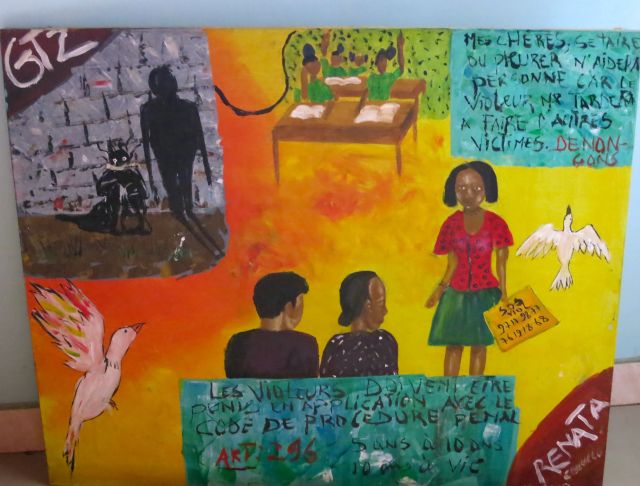
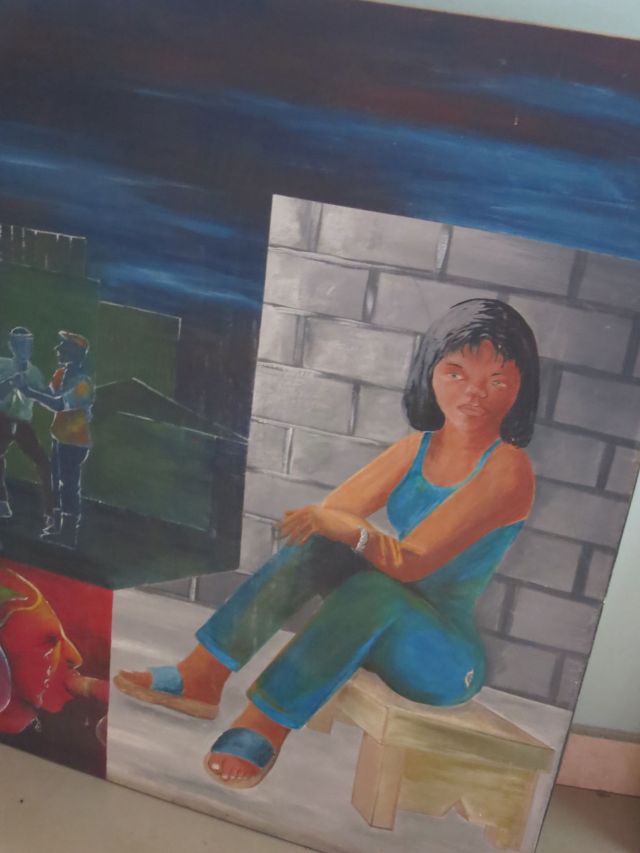
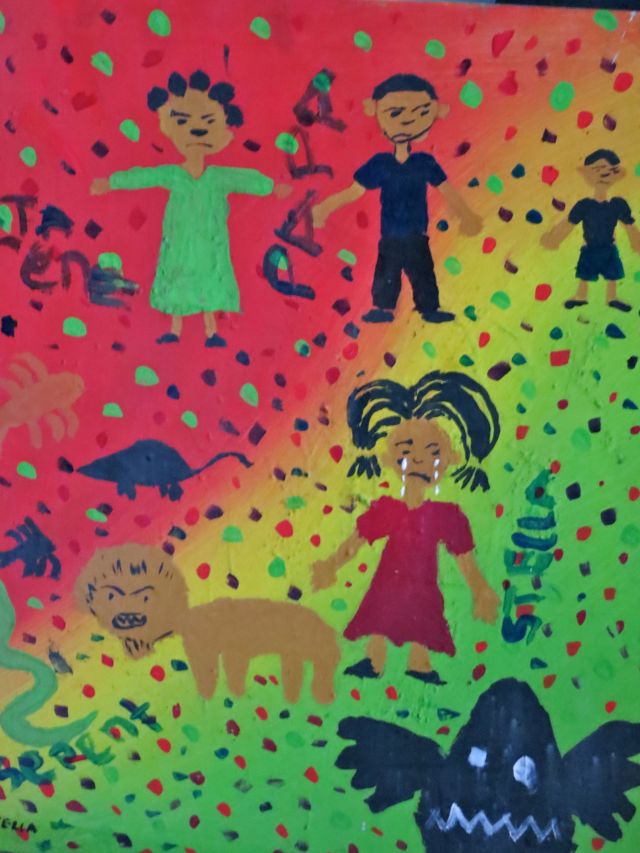
In Cameroon, an NGO called RENATA (Reseau National des Associations des Tantines)

encourages women and girls who have experienced violence to use art therapy in their healing process.

IMG_0196


These are just a few of the works of art that I had the privilege of seeing when I visited the RENATA office in Yaounde.

While I found these works of art profoundly sad,

I also saw them as bold statements of empowerment by the survivors who painted them.

IMG_0197

And so, while these works of art may never hang in a gallery, to me they are inspirational.


This post is a response to the Weekly Photo Challenge:  Work of Art.  Click on the link to see more responses.

Injustice Anywhere Is A Threat To Justice Everywhere

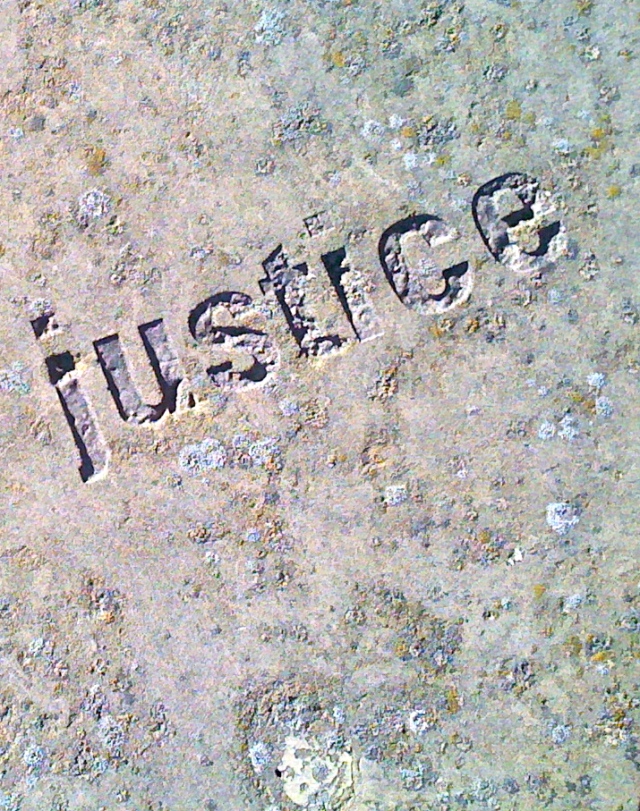
justice

As the Rev. Martin Luther King, Jr. once said,

“Injustice anywhere is a threat to justice everywhere.”


Use your voice.

Say it loud.

speak


This post is a response to the Weekly Photo Challenge:  Letters.  Click here to read more entries.

For another post that is not new but meets the same challenge, see Weekly Photo Challenge: The Sign Says. 


Swayambhunath: Nepal’s Monkey Temple

Swayambhunath Temple
The stupa at Swayambhunath seemed aglow on the rainy afternoon that I visited in September 2012.

Located at the top of a hill overlooking the city of Kathmandu, Swayambhunath (स्वयम्भूनाथ स्तुप) is among the oldest and most important religious sites in Nepal. The Swayambhunath complex consists of a domed stupa and a variety of shrines and temples that date back to the 5th century.  Each temple is extremely ornate and richly decorated with gold.  The complex also includes a Tibetan monastery, museum, library, and hostels for religious pilgrims.

Prayer flags flutter in the breeze, while prayer wheels in graduated sizes turn almost silently as pilgrims circle the stupa in prayer.

cropped-img_0728.jpg

This sacred pilgrimage site is also known as the Monkey Temple because it is home to HUNDREDS (maybe thousands!) of monkeys. According to legend, Manjushree, the bodhisattva of wisdom, was in the process of raising the temple hill when he let his short hair grow out and he got lice.  The lice in his hair transformed into these monkeys.

Looking down on Kathmandu, Nepla

Although it is primarily an important Buddhist site, Swayambhunath (which means “Self-Created” or “Self-Arisen”) is also considered important to Hindus.  To get to the main site of Swaymbhunath, you have to climb a looooong stairway – 365 steps!  Pratap Malla, the powerful Hindu king of Kathmandu, was responsible for the construction of this eastern stairway in the 17th century

It is definitely worth the climb, however.  Swayambhunath is perhaps the oldest Buddhist monument and well worth the trip!

This post is a response to the Weekly Photo Challenge: Monument.


Weekly Photo Challenge: Street Life

IMG_0343

Street scene in a town near Yaounde in Cameroon

For more responses to the Weekly Photo Challenge: Street Life, click here.


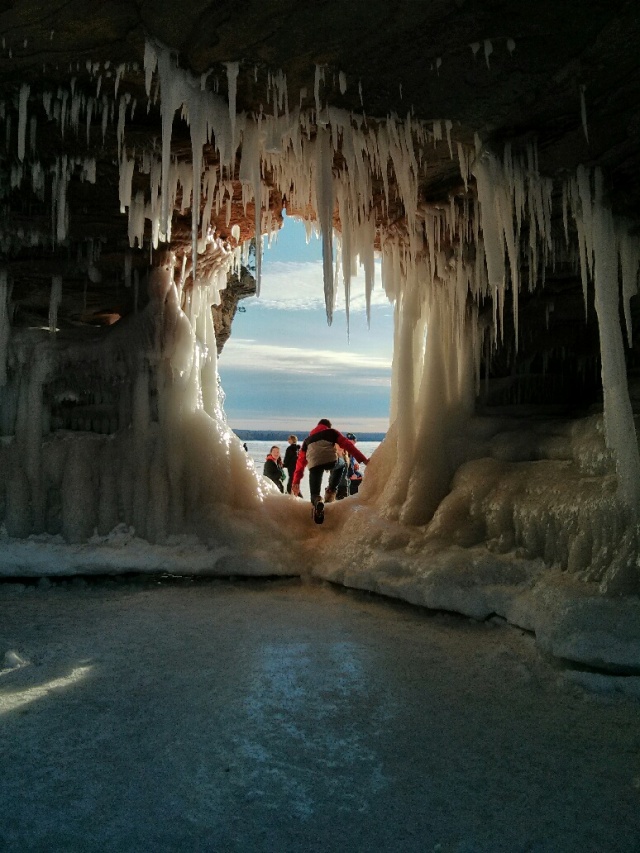
Inside the Apostle Islands Ice Caves

IMG_2258

My oldest son went on a school trip a few weeks ago.  The main purpose was to participate in the Barnebirkie, the children’s version of the largest cross-country ski race in North America.  It takes place in northern Wisconsin every February.   This is the twentieth year that the school has done this trip with middle grade students, so they have become experts at making it an enriching experience.  In addition to skiing in the race with more than 1,000 other kids, they spend some time doing joint educational programming at the local middle school (this year, there was some kind of amazing science theme) and have a traditional meal with a Native American tribe.  They also somehow fit swimming at the local community center into the packed agenda.

A week before the trip, a note came home in my son’s backpack that there would be a slight alternation to the schedule.  The group would be able to visit the ice caves on Lake Superior’s Apostle Islands.  For those not familiar with the Upper Midwest, the Apostle Islands National Lakeshore in northern Wisconsin is a true gem of a national park.   There are 21 islands, windswept beaches, rocky cliffs, and lighthouses.  In the summer, you can hike the 12 miles of lakeshore wilderness and paddle or boat around the islands. You can even camp on 18 of the islands, which are only accessible by water.    You can even explore by kayak the  amazing sea caves at the western end of the mainland part of the park.

In winter, the sea caves become ice caves.  And in extremely cold winters, when Lake Superior freezes over, the national park service allows people to walk out over the ice and experience the ice caves from the inside.

IMG_2256

As I have never been to the Apostle Island ice caves, I was excited that my son had this opportunity to visit them.   It has been five years since the ice caves were last open to the public.  One of the impacts of climate change has been that Lake Superior hasn’t been frozen enough to make access possible.   Since the ice caves opened to the public on January 15, more than 125,000 people have made the two mile roundtrip trek over frozen Lake Superior to experience the  ice caves.

My son sent took these pictures of his visit and texted them to me.
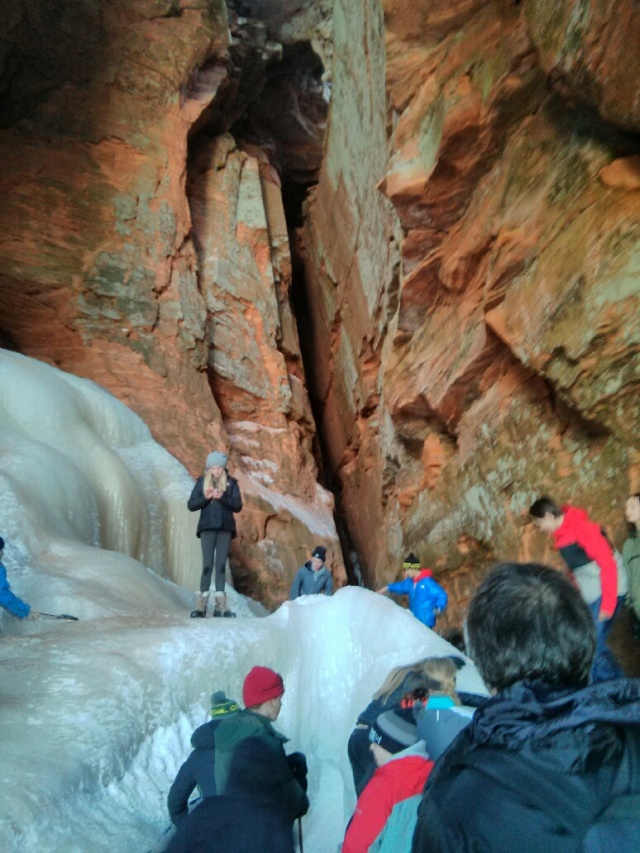
IMG_2259

It’s an odd feeling – usually I’m the one who is traveling and sending the pictures back home to the rest of the family. But I really appreciated his willingness to share the experience of being inside the Apostle Islands ice caves with me.

IMG_2260

With warmer weather, the ice is degrading and it is becoming unsafe to be on the lake.   The National Park Service plans to close the Apostle Island ice caves to the public by 12:01 am on Monday, March 17.


IMG_2257

With special thanks to my son Sevrin for the photos!

For more responses to the Weekly Photo Challenge: Inside, click here.

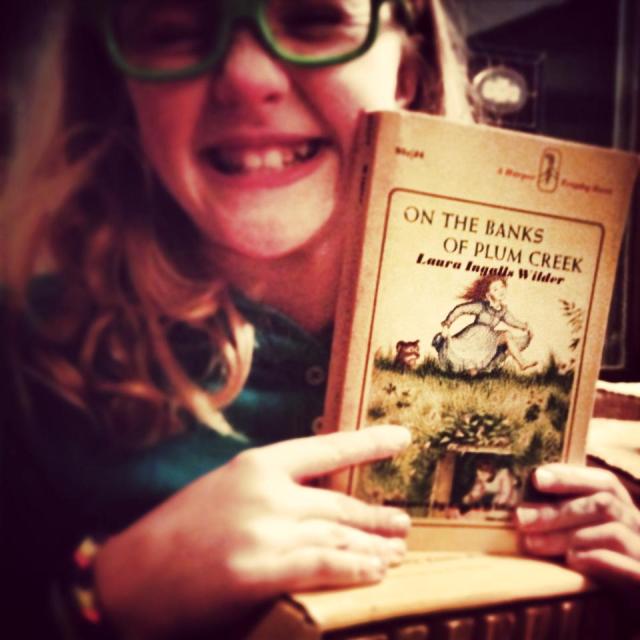
Childhood Treasure

Little House

Recently, I bequeathed one of my childhood treasures to my eight year-old daughter – my box set of Little House books by Laura Ingalls Wilder. My daughter Eliza had to first prove herself worthy; I refused to pass it on to her until she had finished reading both Little House in the Big Woods and Little House on the Prairie.  

Little House in the Big Woods is the first “real” book that I can recall reading.  My grandmother Lillian started off reading it to me, but somehow, somewhere around the family goes to the “sugaring off”, I found myself reading it to her instead.  For the rest of my childhood, I read all the books in this pale yellow box again and again.

Even as a child, I picked up on the fact that Ma’s attitude towards Native Americans was racist and cruel.  It seemed wrong to me that Laura’s only occupational choices were schoolteacher or wife.  My daughter and I have been talking about these things as well.  It is a part of our history that is better to acknowledge than to ignore.  But my daughter likes the books because they include so many details about life in a very different time.  The books aren’t about heroes, but about ordinary people. Laura and Mary, Carrie and Grace, Ma and Pa, even Jack the dog are vividly alive for her.  Maybe next summer we will have to take a mother-daughter field trip to Walnut Grove, MN to visit the Laura Ingalls Wilder Museum.

The real treasure for me has been watching her discover the same joy in reading these books that I experienced as a child.  Maybe one day, she will pass this treasure on to her own children.

This post is a response to the Weekly Photo Challenge: Treasure.

Ski Selfie

IMG_2160
Skiing on my neighborhood lake
February 2014

I first learned to cross-country ski  when I was 19 and living in Norway.  Learning to ski in a country where skiing is the national pastime was both a blessing and a curse.  (The national slogan”Nordmenn er født med ski på beina” or “Norwegians are born with skis on their feet” may help you understand why little Norway is so dominant in the Winter Olympics.)  The curse part was that I was 19 the first time that I strapped on skis; I think I spent most of that first afternoon either falling down or trying to get up.  To add insult to injury, as I struggled to complete the “beginner” 2K loop, dozens of skiers zipped right by me – including both a 90+ year old pensioner and a baby.  I would call him a toddler, but not for the fact that later I saw him crawling around on a blanket in picnic area by the parking lot.  Nothing bursts your bubble quicker than the realization that even a kid who can’t walk yet can ski better than you can.

IMG_2162

The blessing part is that cross-country skiing can be such a joyful experience.  I learned in Norway that it is cross-country skiing is a sport that just about everyone can do.  I also learned that skiing allows you to get out and experience nature in a way that is very different from the rest of the year. The stillness of the snowy woods can be breathtaking.  In the silence, you hear your breathing and the rhythmic sh-sh-sh-sh-sh-sh of your skis, interrupted occasionally by the sound of an animal or a bird. Unlike summer’s cacophony, in winter each sound is individualized and accentuated, carrying alone across long distances. From afar, I heard the yank-yank-yank-yank of the red-breasted nuthatch while skiing on Lake Harriet last week; it was still calling when I skied up to it 10 minutes later.  When you are out in the cold, but not feeling it because your arms and legs are working hard, pumping heat through your body – that’s when cross-country skiing makes you feel the power for conquering winter.

And then there is this.  The unique light and colors of a deep winter day that perhaps can only be experienced on skis.

IMG_2161

It’s been years now since I learned to ski.  I rarely fall down anymore, although I am still passed on the trail by faster skiers.   Truthfully, I haven’t been out on skis much in the recent past.  Climate change and the warmer winters of the past decade have meant the snow conditions have been less than perfect in Minnesota.  This winter, however, the snow conditions are wonderful.  And I have rediscovered my joy in cross-country skiing.

IMG_2152
Skiing the Luminary Loppet with my oldest son.
February 2014

This post is a response to the Weekly Photo Challenge: Selfie.   See additional posts here.

Weekly Photo Challenge: Object

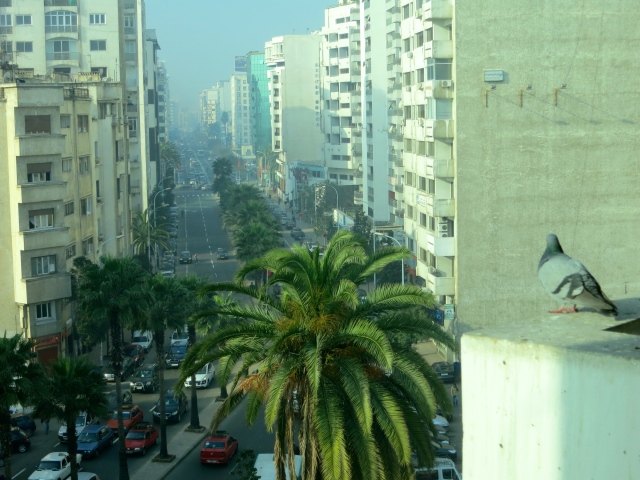
IMG_0139

On this particular morning in Casablanca, I arrived early for a meeting with a women’s rights association.  This pigeon, basking in the sun high above the bustle of Casablanca,  kept me company while I waited for the others to arrive.   When the meeting ended, I looked  to see if my friend was still on the ledge outside the window.  The pigeon had moved on.  And so must I.

This post is a response to the Weekly Photo Challenge: Object.   To see other responses, click here. 

Weekly Photo Challenge: Juxtaposition II

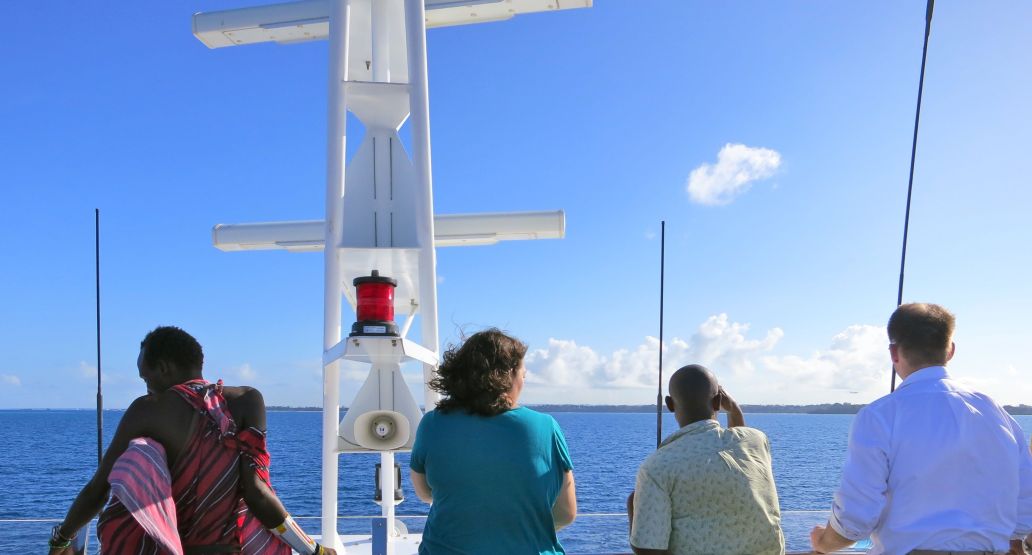
ferry

Tourists and Tanzanians juxtaposed

on the ferry from Dar es Salaam to Zanzibar.

See also Juxtaposition I:  Coke vs. Pepsi in Old Baneshwor, Kathmandu, Nepal.

For more responses to the Weekly Photo Challenge theme Juxtaposition, click here.

Weekly Photo Challenge: Juxtaposition

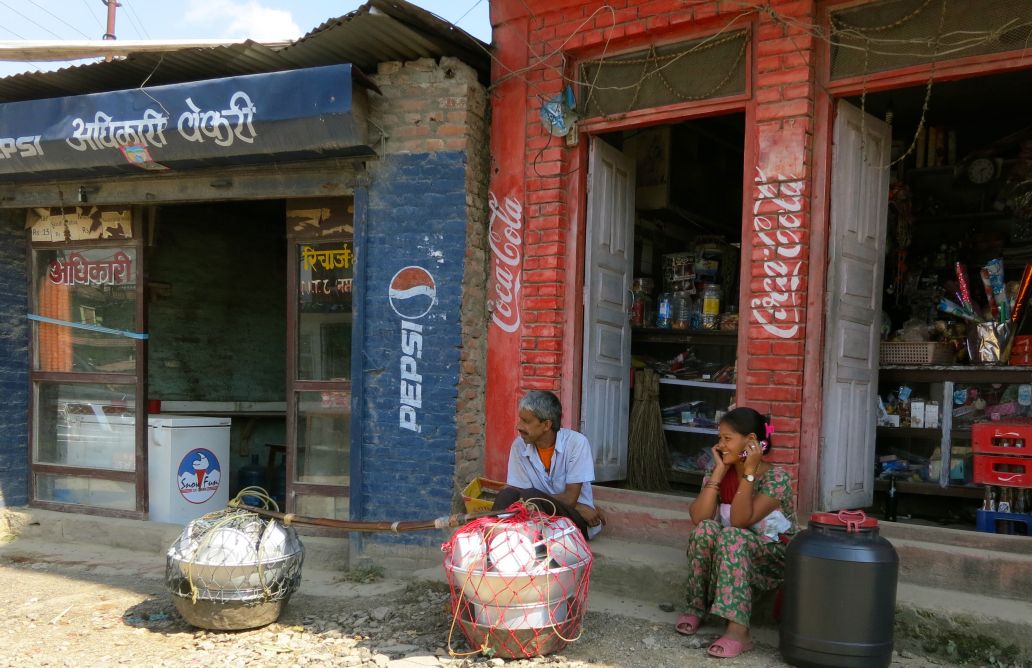
coke vs pepsi

Coke vs. Pepsi

in Old Baneshwor, Kathmandu, Nepal.

See also Juxtaposition II: Tourists and Tanzanians on the ferry to Zanzibar.

For more responses to the Weekly Photo Challenge theme Juxtaposition, click here.