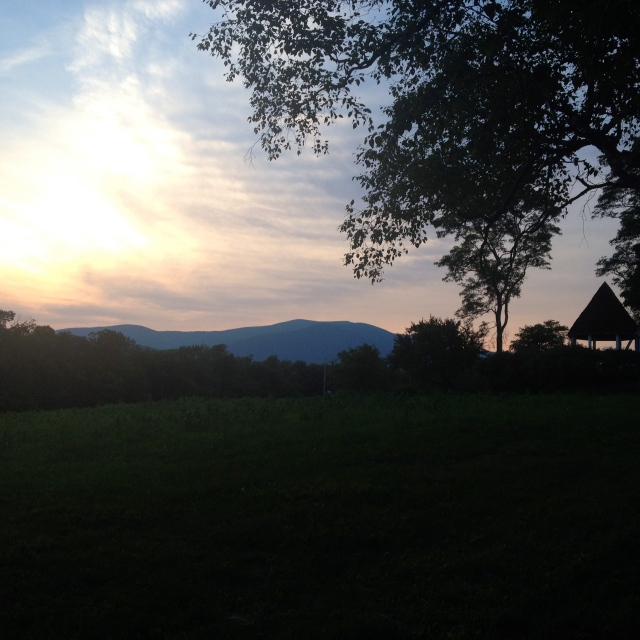
The summer sun sets over the Sandwich Range in the White Mountains of New Hampshire.
This post is a response to the Weekly Photo Challenge: Silhouette.
"There is some good in this world…and it's worth fighting for." ~ J.R.R. Tolkien

The summer sun sets over the Sandwich Range in the White Mountains of New Hampshire.
This post is a response to the Weekly Photo Challenge: Silhouette.
Inaugurated on 18 November, 2008 in honor of the 60th anniversary of the Universal Declaration of Human Rights, the “Human Rights and Alliance of Civilizations” room (better known as Room XX) is the home of the United Nations Human Rights Council at the Palais des Nations in Geneva. Part of my work involves advocacy at the United Nations’ human rights mechanisms, so Room XX is a place I visit regularly. (Photos are not allowed, but I snuck these photos with my phone anyway.)
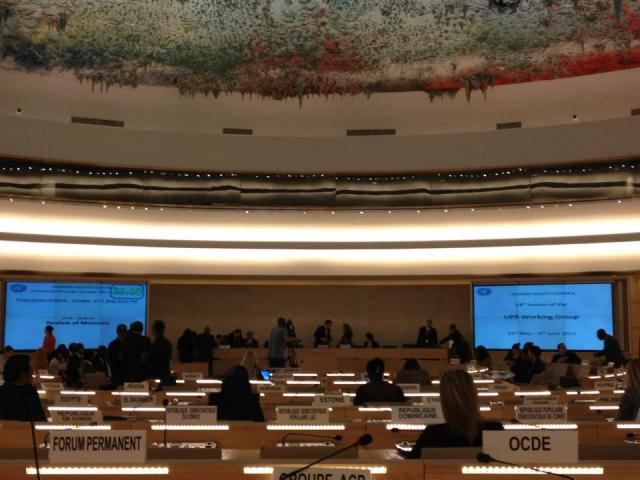
Spanish abstract artist Miquel Barceló created a a massive work of art for the ceiling of the room with paint composed of pigments from around the world. More than 30 tons of paint were sprayed on the 1,500-square-meter dome ceiling, with the many layers of paint creating a textured rainbow of stalactites. Depending on where you are in the room, the colors of the stalactites change based on perspective.
Barceló describes his work in this way:
“All of it is a sea upside down, but it is also a cave.
The complete union of opposites,the ocean surface of the Earth and its most concealed cavities.”
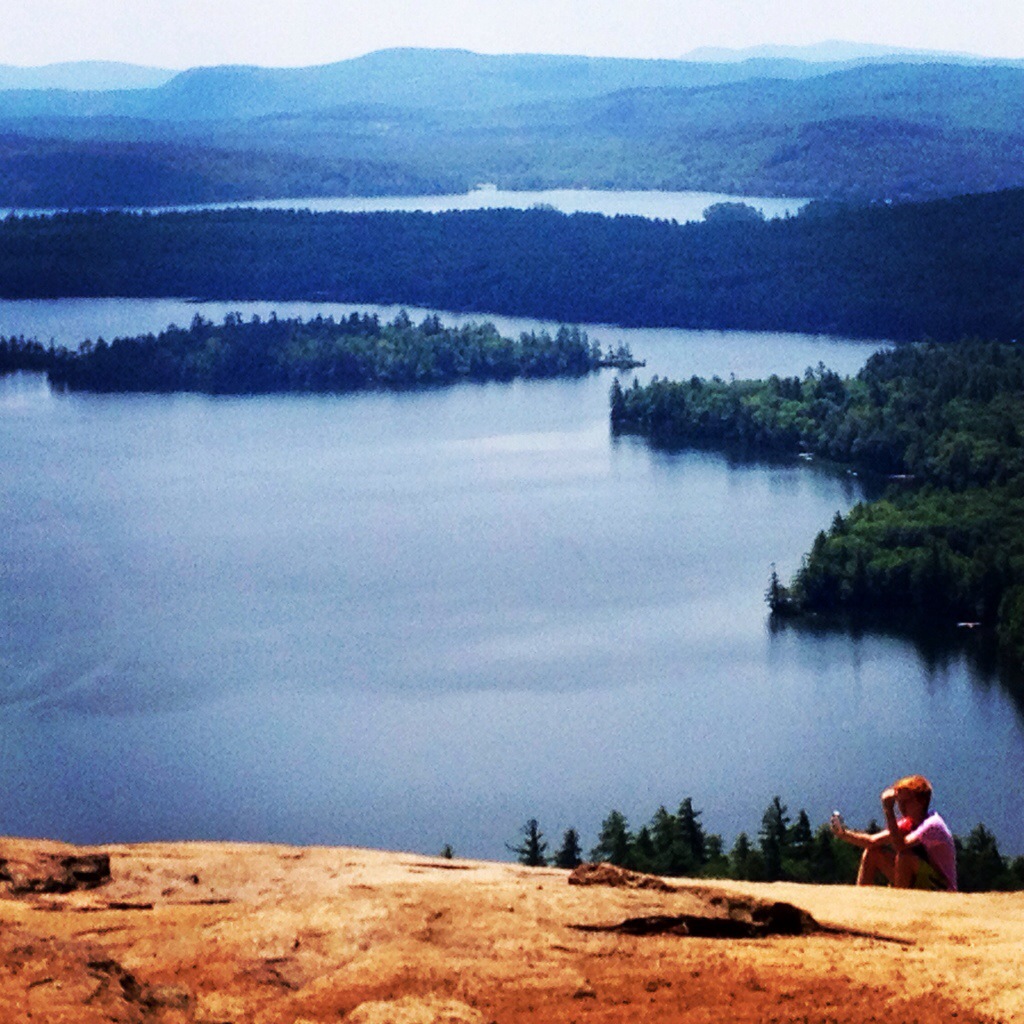
We’re on summer vacation in New Hampshire, as we do. Last week, I climbed Rattlesnake Mountain with my son Simon and daughter Eliza. A short hike with a phenomenal view of Squam Lake (of “On Golden Pond” fame). To me, this photo of my son taking a selfie at the summit- all blues and greens and heat and sweat and joy in summiting – is all about summer.
As I told my kids, “Remember this scene in January.”

Trash container in Dar es Salaam, Tanzania.
“Tupa taka hapa” is Swahili for “Dispose of waste here.”
This post is a response to the Weekly Photo Challenge: Containers.

A post box near the harbor on the Greek island of Hydra.
This post box post is a response to the Weekly Photo Challenge: Containers

A sweet tea cosy I spotted in the window of a vintage shop on High Street in Stroud, Gloucestershire, England.
This post is a response to the Weekly Photo Challenge: Containers.
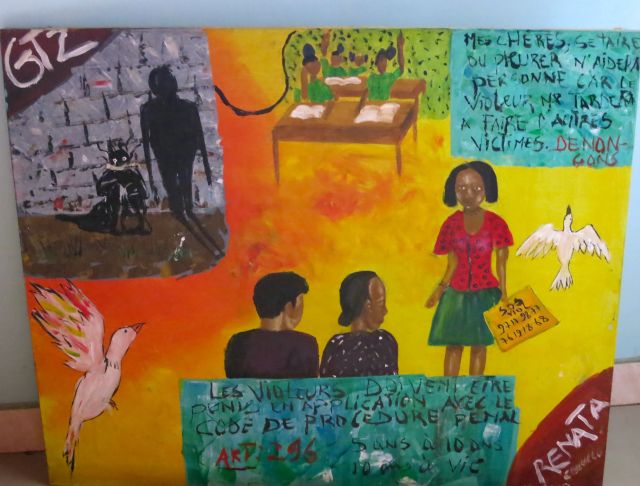
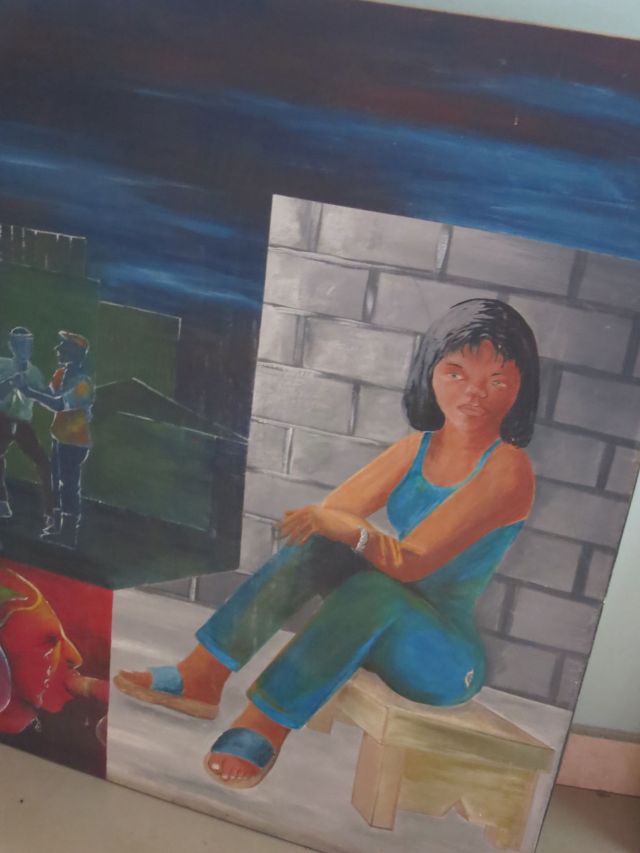
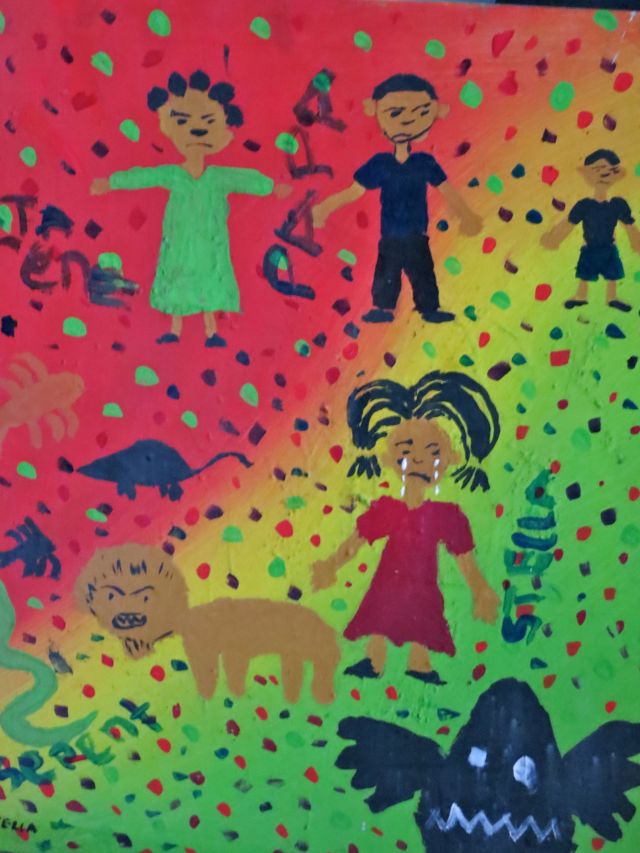
This post is a response to the Weekly Photo Challenge: Work of Art. Click on the link to see more responses.
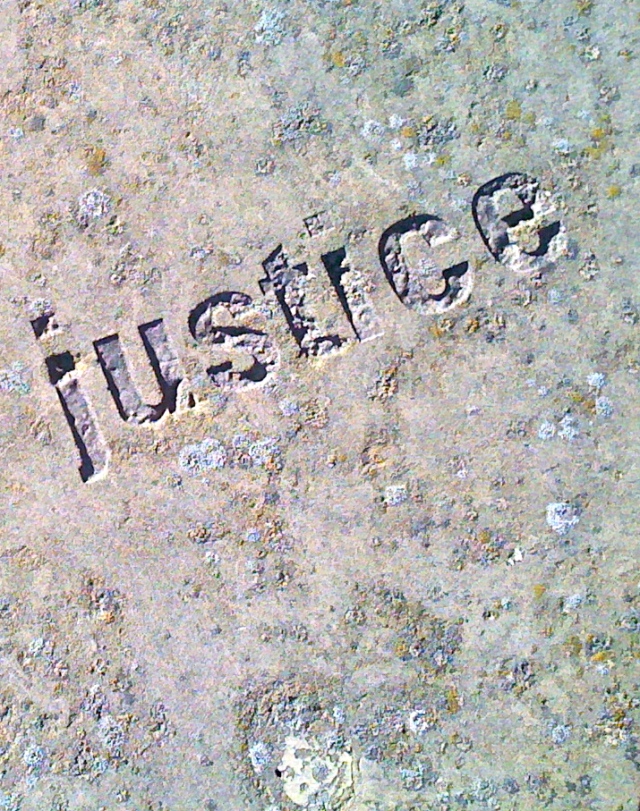

This post is a response to the Weekly Photo Challenge: Letters. Click here to read more entries.
For another post that is not new but meets the same challenge, see Weekly Photo Challenge: The Sign Says.

Located at the top of a hill overlooking the city of Kathmandu, Swayambhunath (स्वयम्भूनाथ स्तुप) is among the oldest and most important religious sites in Nepal. The Swayambhunath complex consists of a domed stupa and a variety of shrines and temples that date back to the 5th century. Each temple is extremely ornate and richly decorated with gold. The complex also includes a Tibetan monastery, museum, library, and hostels for religious pilgrims.
Prayer flags flutter in the breeze, while prayer wheels in graduated sizes turn almost silently as pilgrims circle the stupa in prayer.

This sacred pilgrimage site is also known as the Monkey Temple because it is home to HUNDREDS (maybe thousands!) of monkeys. According to legend, Manjushree, the bodhisattva of wisdom, was in the process of raising the temple hill when he let his short hair grow out and he got lice. The lice in his hair transformed into these monkeys.

Although it is primarily an important Buddhist site, Swayambhunath (which means “Self-Created” or “Self-Arisen”) is also considered important to Hindus. To get to the main site of Swaymbhunath, you have to climb a looooong stairway – 365 steps! Pratap Malla, the powerful Hindu king of Kathmandu, was responsible for the construction of this eastern stairway in the 17th century
It is definitely worth the climb, however. Swayambhunath is perhaps the oldest Buddhist monument and well worth the trip!
This post is a response to the Weekly Photo Challenge: Monument.
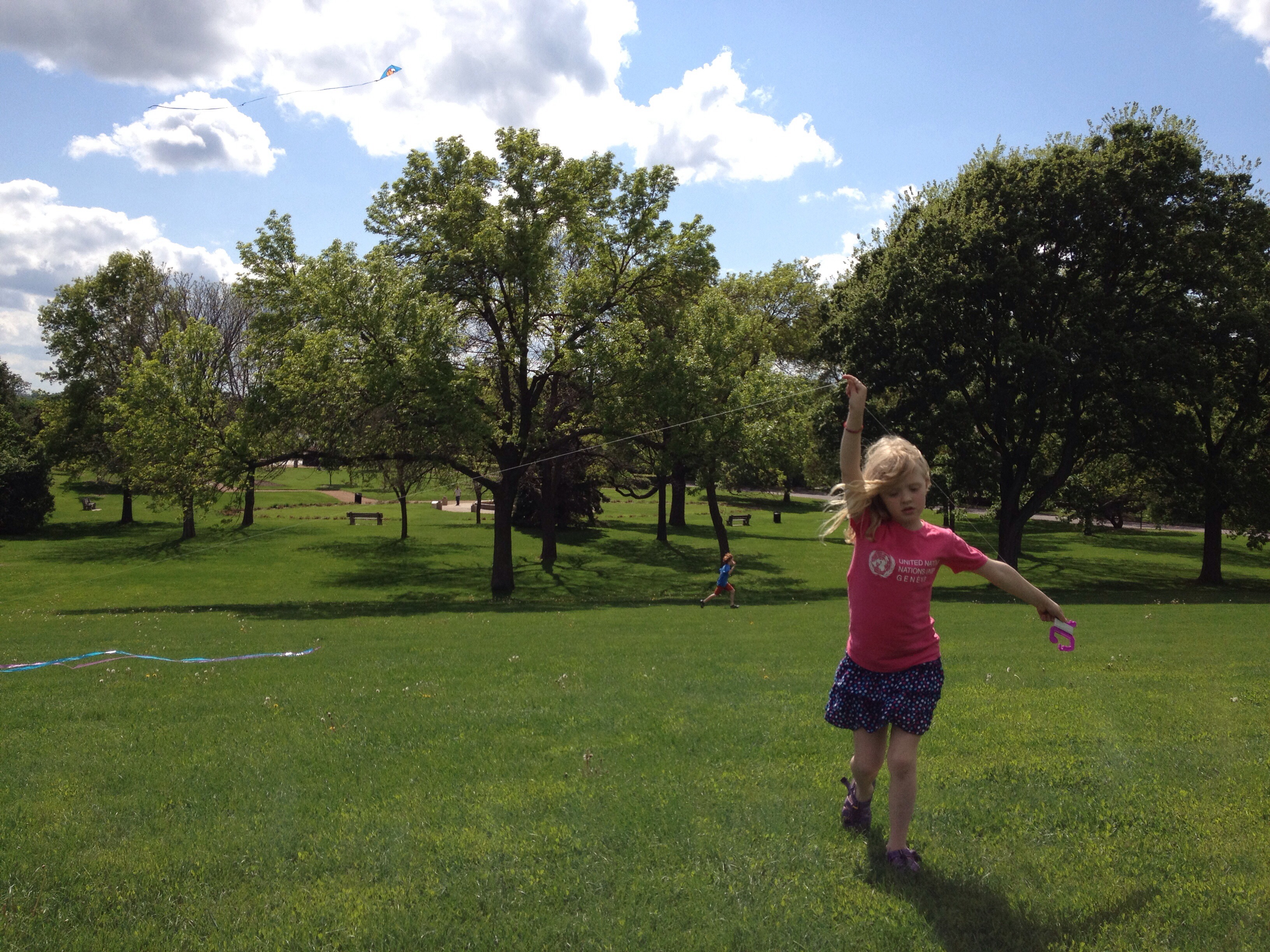
 The Human Rights Warrior
You must be logged in to post a comment.