Weekly Photo Challenge: Illumination

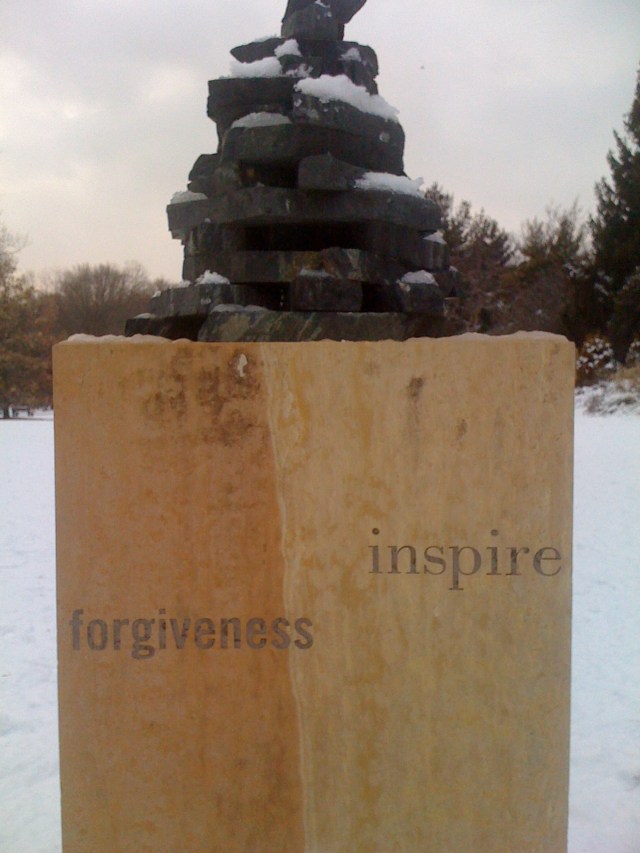
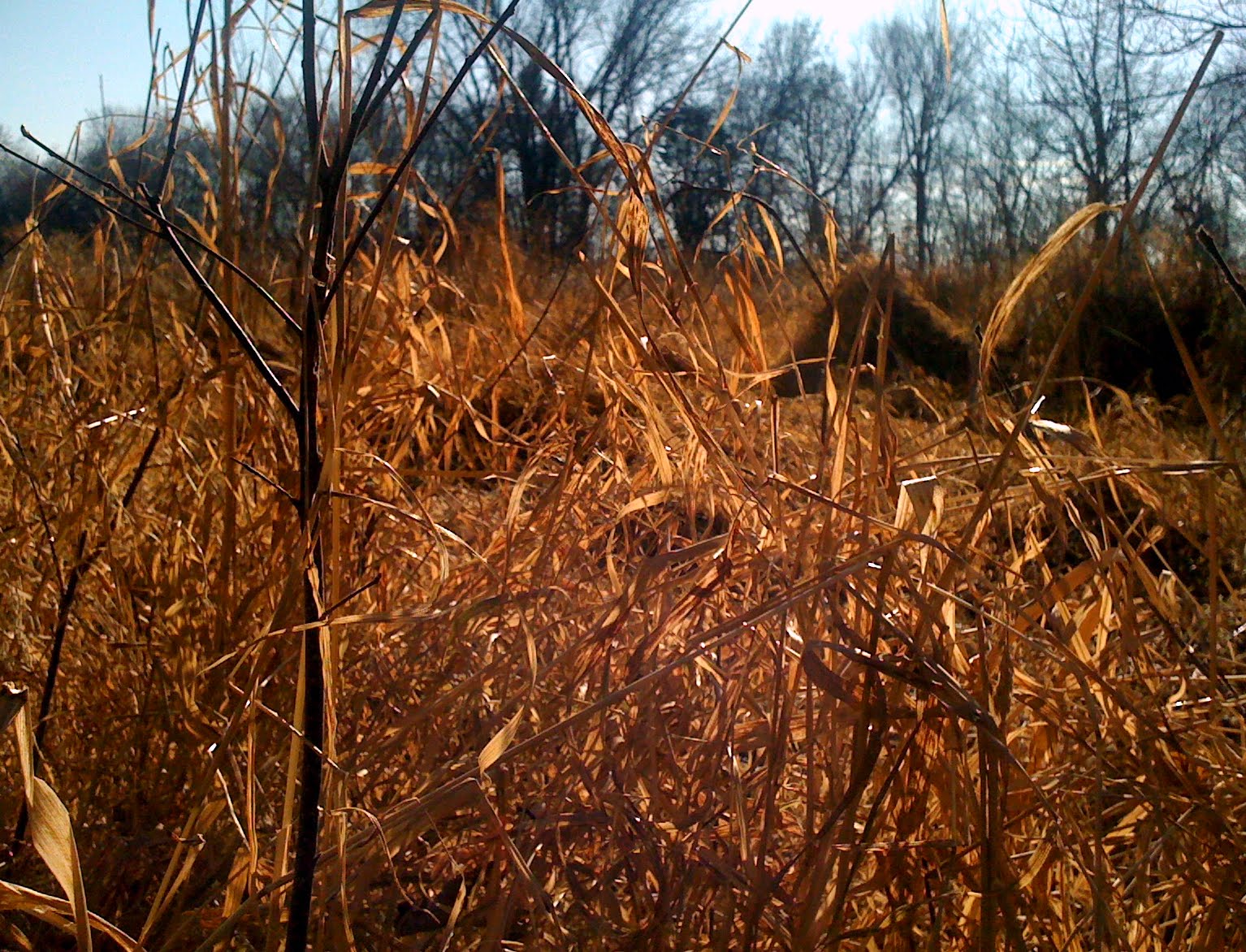
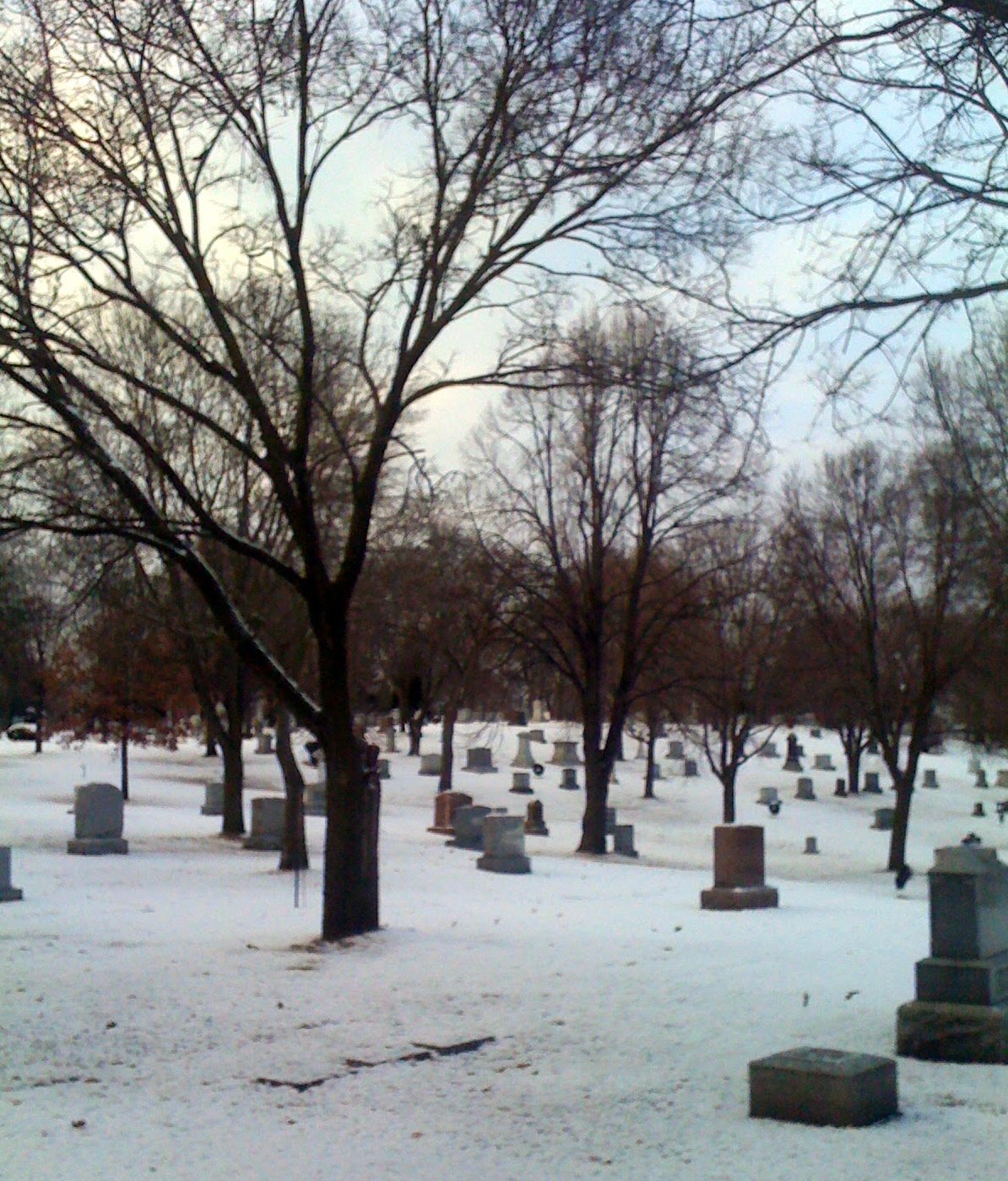
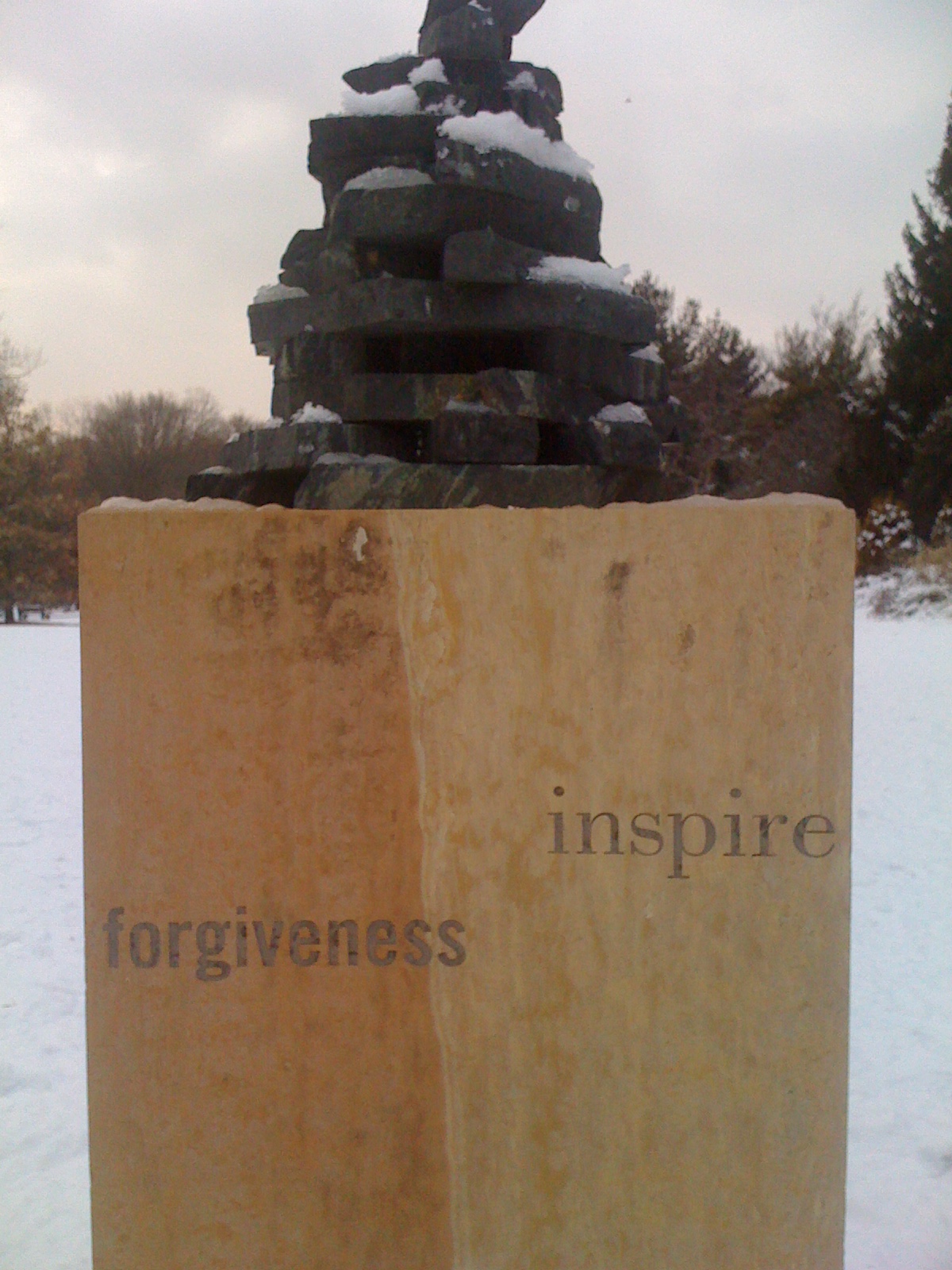
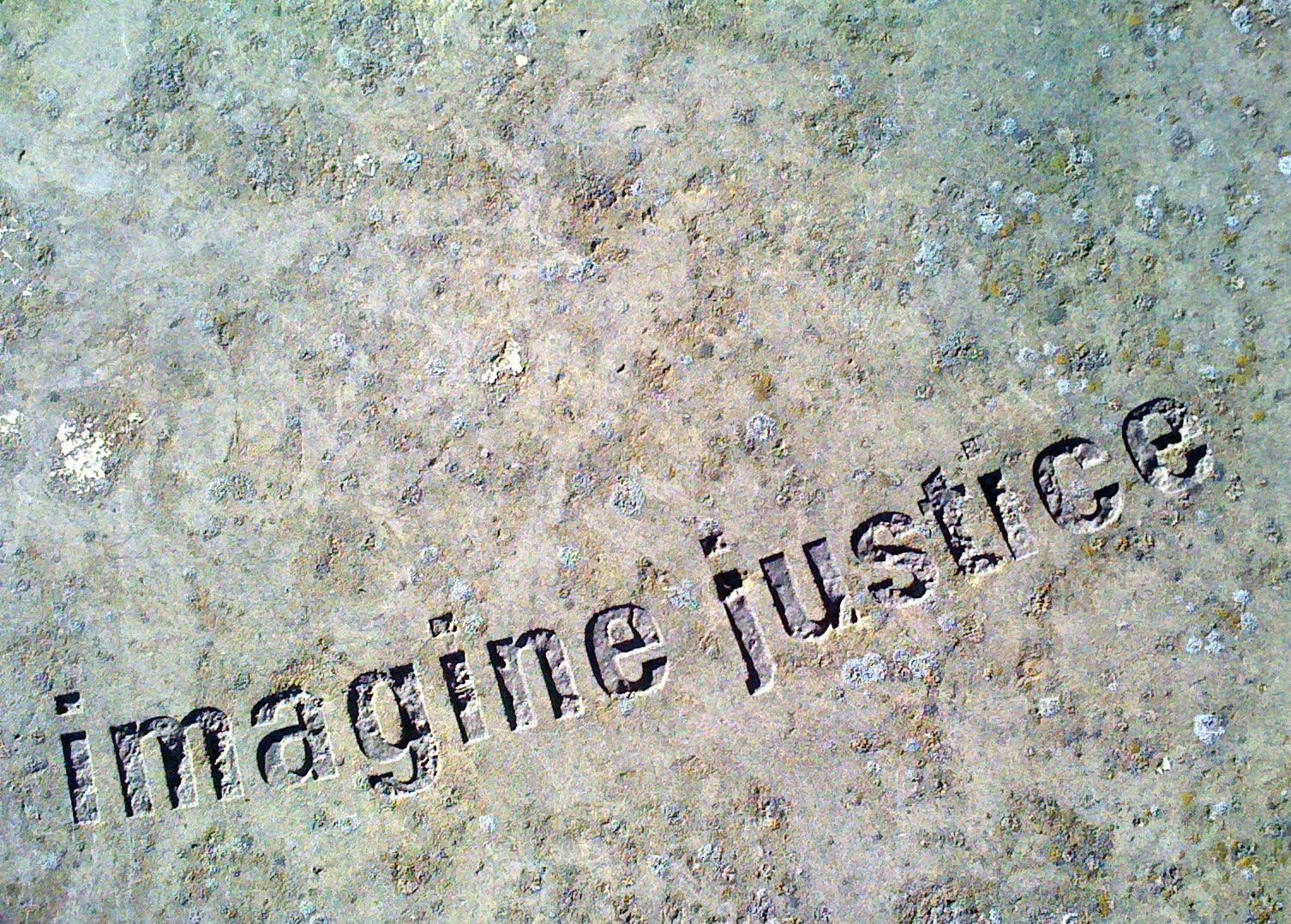
It’s been pretty quiet over here on The Human Rights Warrior.  I’ve got a long trip coming up soon, so haven’t had much time to devote to non-essentials (sadly, that includes blogging).  I felt I just had to respond, however, to the Weekly Photo Challenge with some of the images and words that mean “Illumination” to me.

Darkness cannot drive out darkness; only light can do that. Hate cannot drive out hate; only love can do that.  -Rev. Dr. Martin Luther King, Jr.

IMG_0543

On July 3, 1776, John Adams wrote to his wife Abigail about how future generations of Americans should celebrate the anniversary of the signing of the Declaration of Independence:

It ought to be solemnized with Pomp and Parade, with Shews, Games, Sports, Guns, Bells, Bonfires and Illuminations from one End of this Continent to the other from this Time forward forever more.

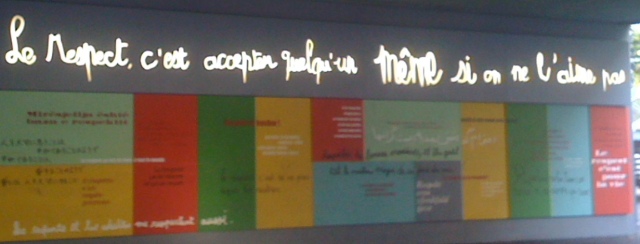
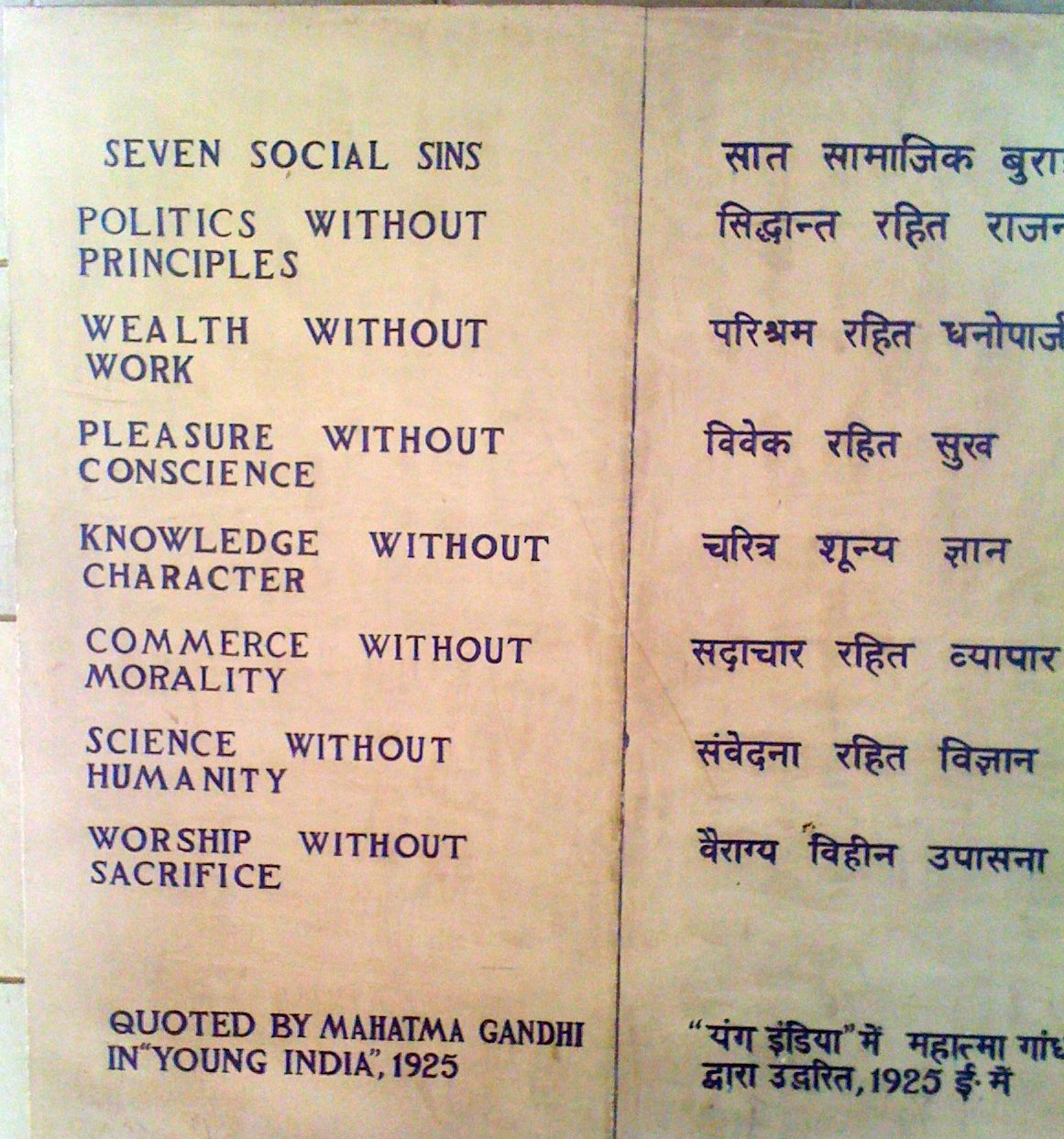
Le respect, c’est accepter quelqu’un même si on ne l’aime pas. Respect is accepting someone even if you don’t like him. (Discovered this on the wall of a school in the Pâquis neighborhood in Geneva, Switzerland)

IMG_0490-2

It’s been a long, a long time coming.

But I know a change gonna come, oh yes it will.

– Sam Cooke

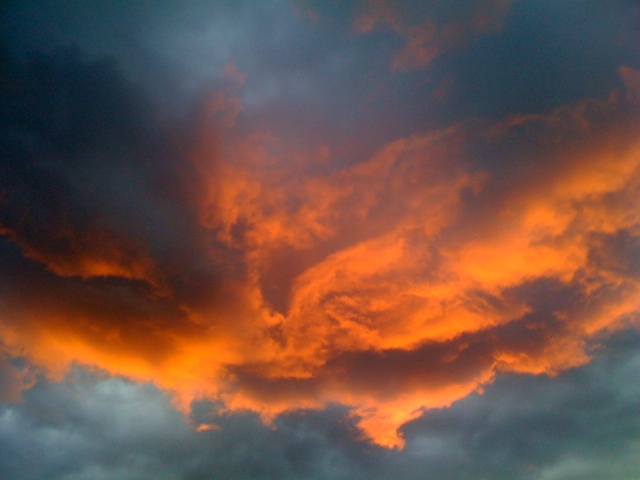
Sun after storm in the Sandwich Ridge mountains, New Hampshire
The sun comes out after a storm in the Sandwich Range, New Hampshire

2012: My Year In Pictures

In this, the darkest and quietest time of the year, I have taken a few moments to reflect on all that has passed in 2012. Here is a brief look at my year in pictures:

All in all, it has been a pretty good year.  As my friend Amy described it, a mix of exotic and everyday.  The perfect description of my life!

What’s in store for 2013? To begin with, I’ll be in Morocco in January, Cameroon in February and Tanzania in March.  In short, the fortune cookie was right:

HAPPY NEW YEAR!

(See other bloggers’ 2012 in Pictures here and here)

Dust of Snow

snow

Dust of Snow

by Robert Frost

The way a crow
Shook down on me
The dust of snow
From a hemlock tree
Has given my heart
A change of mood
And saved some part
Of a day I had rued.

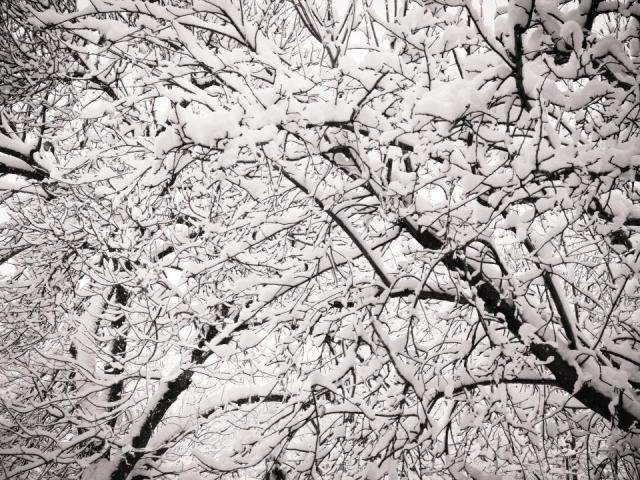
I was hurrying to work this morning, thinking about all the deadlines crashing down upon me, when I was stopped in my tracks by a shower of snow.  The first snowstorm of the year dumped 10 inches of snow on us last Sunday, blanketing the city, making everything pure and white and still.  Now rising temperatures are causing the heavy snow to melt.

Such a minor thing – wet snow falling from a tree in a downtown parking lot – but it reminded me of this poem by Robert Frost.  With this morning’s beautiful Dust of Snow,  my day fell suddenly into perspective.

Onward and upward!

Change your perspective – let a little Dust of Snow fall on you today as well.

Some mornings, I wake up with an image or a poem in my head.  Sometimes, a song.  I do my best thinking in the morning, too. These Morning Musings are a new (and irregular) feature here on the Human Rights Warrior. 

Weekly Photo Challenge: Changing Seasons in Kathmandu

himalayas
The clouds suddenly cleared, showing the towering Himalayas over the Kathmandu skyline.

When I arrived in Kathmandu in mid-September, I was surprised to find that it was still the monsoon season.  (Truthfully, up until a few years ago, I would never have guessed that this landlocked, mountainous country even HAD a rainy season.)  In Kathmandu, the hot and wet monsoon season is in the summer – usually between June and August.  This year, however, it lingered into the third week of September.  I asked numerous Nepalis if this extended monsoon season was a common occurrence and I always got the same response.  “No, it is not common. This is the result of global warming.”

After several days of slogging about in the steady rain, I resigned myself to the fact that monsoon season might outlast my visit to Nepal. But unlike my previous visits, which had been during the dry season in winter, I marveled that everything was so beautifully and luxuriantly verdant.  Much of the green could be attributed to the rice paddies that were everywhere, even tucked into vacant lots in the suburbs of Kathmandu.  It was time for the rice to be harvested, but it was impossible to do so in the rain.

Suddenly one  evening, near sunset, there was a change.  The dense clouds, which had hung low and heavy over the city, suddenly began to lift and separate, like cotton candy being pulled apart by unseen hands.  Watching the Kathmandu skyline, I realized that what I had thought was just another cloudbank was in reality the snow-covered Himalayas that ring the city!  “Ah,” said a Nepali at the TEWA Centre where I was staying in Lalitpur, “the seasons are finally changing.”

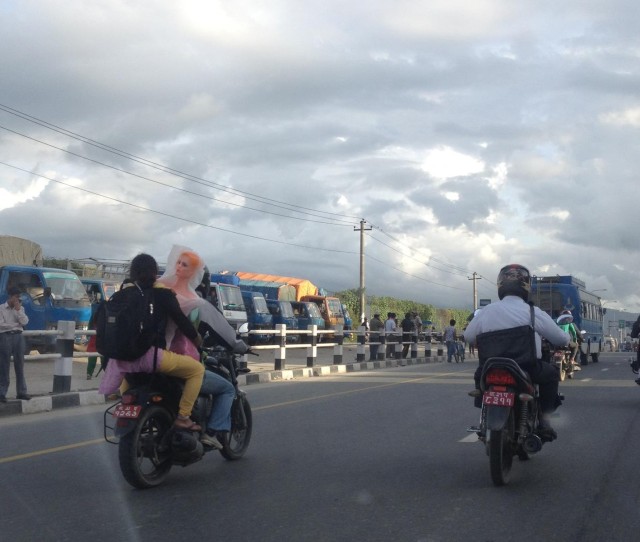
The seasons are changing for the city of Kathmandu, as well. In the photo above , you can see the many housing construction projects being built in this area on the outskirts of the city.  The Kathmandu population grew during the conflict as internally displaced persons fled the Maoist rebels in the countryside. The population has continued to grow due to the country’s high unemployment.  People come to the capital looking for work.  There are now 3 million people living in the Kathmandu valley, driving too many cars and motorcycles on streets that were designed for oxcarts.  Traffic is a huge problem, making it difficult to get anywhere.  The air is polluted and many people wear masks over their lower faces. Traffic accidents are common. Many Nepalis ride motorcycles as they are cheaper than cars and easier to maneuver in traffic.  From goats to refrigerators, you never know what you might see people carrying on one!

motorcycle

Nepal is peaceful now. The violence has ended and the Maoists have been in a power-sharing coalition government since 2008.  But the coalition government is gridlocked.  In May 2012, Nepal’s political parties failed to reach an agreement on a new constitution before the deadline. (Nepalis have been waiting more than four years for a new constitution. When the committee drafting the constitution gets paid by the month, where is the incentive to finish the job?)  The Constituent Assembly, the members of which had been serving under extensions after their terms expired in 2010, was dissolved, creating a political crisis. Most of the basic civic and municipal functions have now essentially ground to a halt.

President Ram Baran Yadav of Nepal gave the parties a deadline of November 29, 2012 to come up with an agreement on how the (long overdue) elections should be conducted.  When they failed to meet that deadline, he extended it for one more week.

Nepalis are still waiting for the political season to change.  In the meantime, much of daily life goes on as it has for centuries.

A woman looks out her window near Sankhu, in the Kathmandu Valley
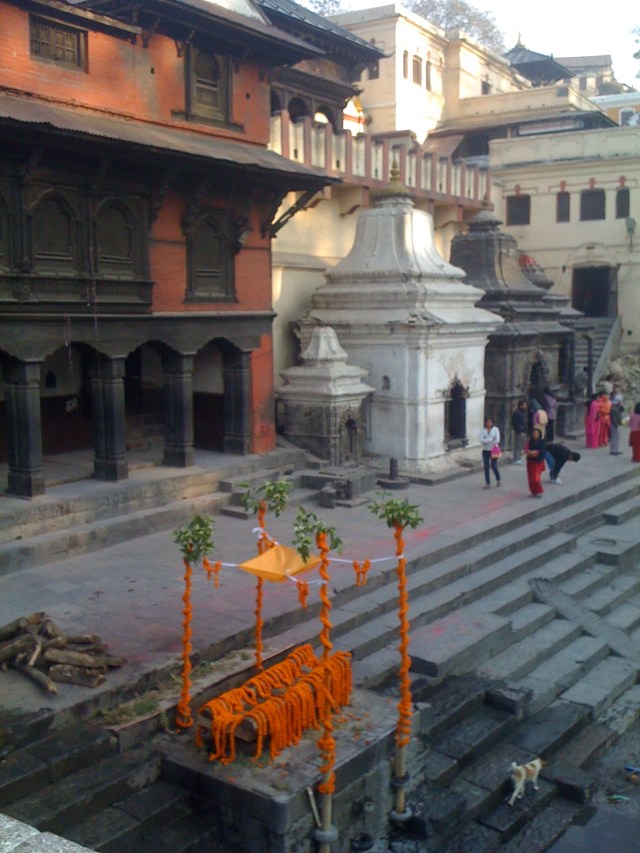
Preparations for a cremation ceremony at Pashupatinath

IMG_0763

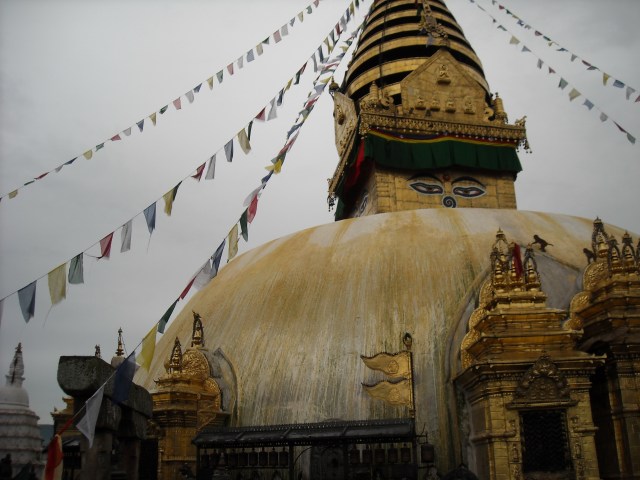
Swayambhunath
IMG_0792
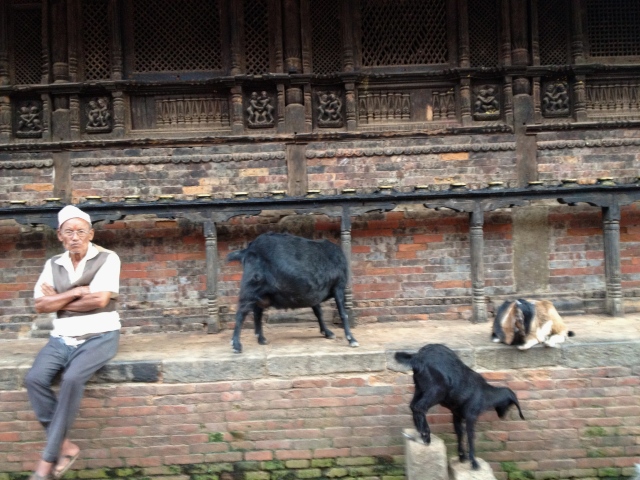
Goats abound in Nepal, even in the city (and particularly before festivals like Dashian)

Here’s hoping that the sun comes out soon for Nepal’s political situation.

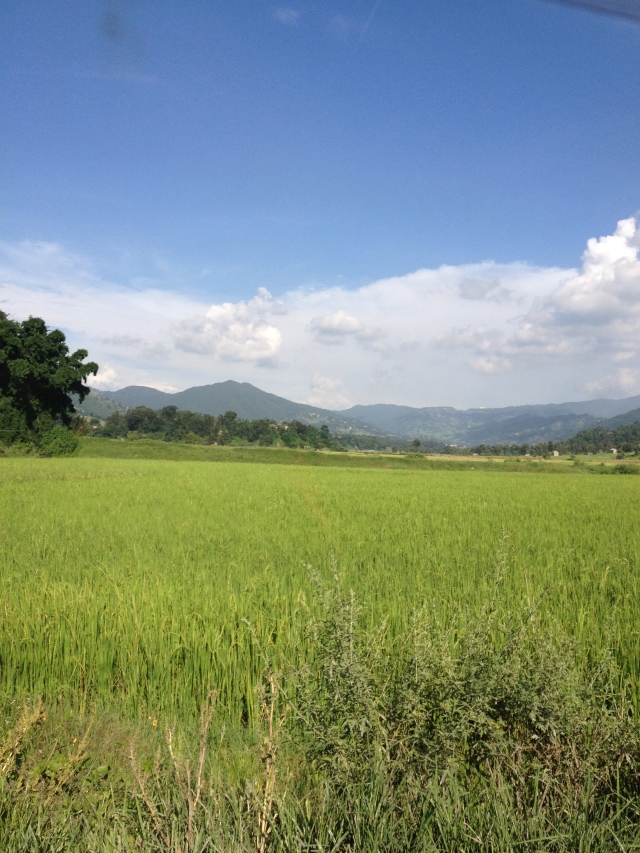
Rice fields in the Kathmandu Valley
Rice fields ready for harvest in the Kathmandu Valley

For more about life in Kathmandu, read my post on Family Life in Kathmandu.

This post is a contribution to the Weekly Photo Challenge: Changing Seasons.  Too see more contributions, click here.

Let The Rain Kiss You

My daughter and son in Oslo’s Frogner Park, at the end of a rain storm.

April Rain Song

Let the rain kiss you
Let the rain beat upon your head with silver liquid drops
Let the rain sing you a lullaby
The rain makes still pools on the sidewalk
The rain makes running pools in the gutter
The rain plays a little sleep song on our roof at night
And I love the rain.

Langston Hughes

Some mornings, I wake up with an image or a poem in my head.  Sometimes, a song.  The other day, it was this picture; today it was this poem. As winter arrives, the world around me is beginning to slowly freeze.  Liquids are becoming solids, their molecules sluggish in the cold.  Soon everything will be still, sleeping until the April Rain Song returns. Run with joy while you may, and let the rain kiss you!

As a new (and irregular) feature, I plan to start posting some of these morning musings here.

The photo also fits this week’s  Travel Theme: Liquid  on Where’s My Backpack.  To see more responses, click here.

HUMAN RIGHTS: Speaking the Language

I’m over at World Moms Blog with this post today.  Check it out!

Sometimes I have trouble finding the words to talk to my kids about the violence that hear about in the news, the injustices that they see in our own community.  As a human rights lawyer, it is my job is to document and expose human rights abuses. But I have always struggled with how to communicate to my kids what human rights are and why they should care about them.

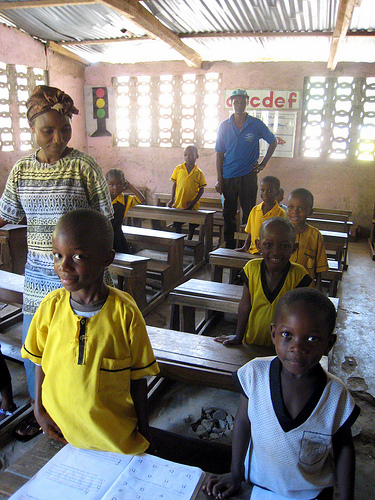
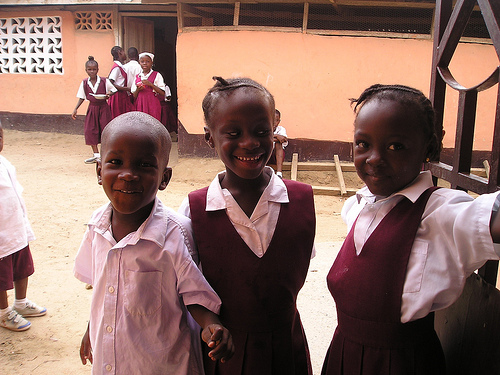
Recently, however, I was preparing for a project that involved interviewing children about their experiences.  Experts advise that interviewers use simple language when speaking with children about difficult topics.  “Simple language” means avoiding big words, of  course, but it also means using simple, direct sentences.  Straight-forward grammar – subject and predicate in sentences; basic speech parts – nouns and verbs and adjectives.  I suddenly realized what I was doing wrong in talking about human rights with my kids. Rather than explaining complicated concepts, what I needed to do was break it down to the core values that everyone needs to live fully in this world. I needed to start with the basic building blocks of language: words.

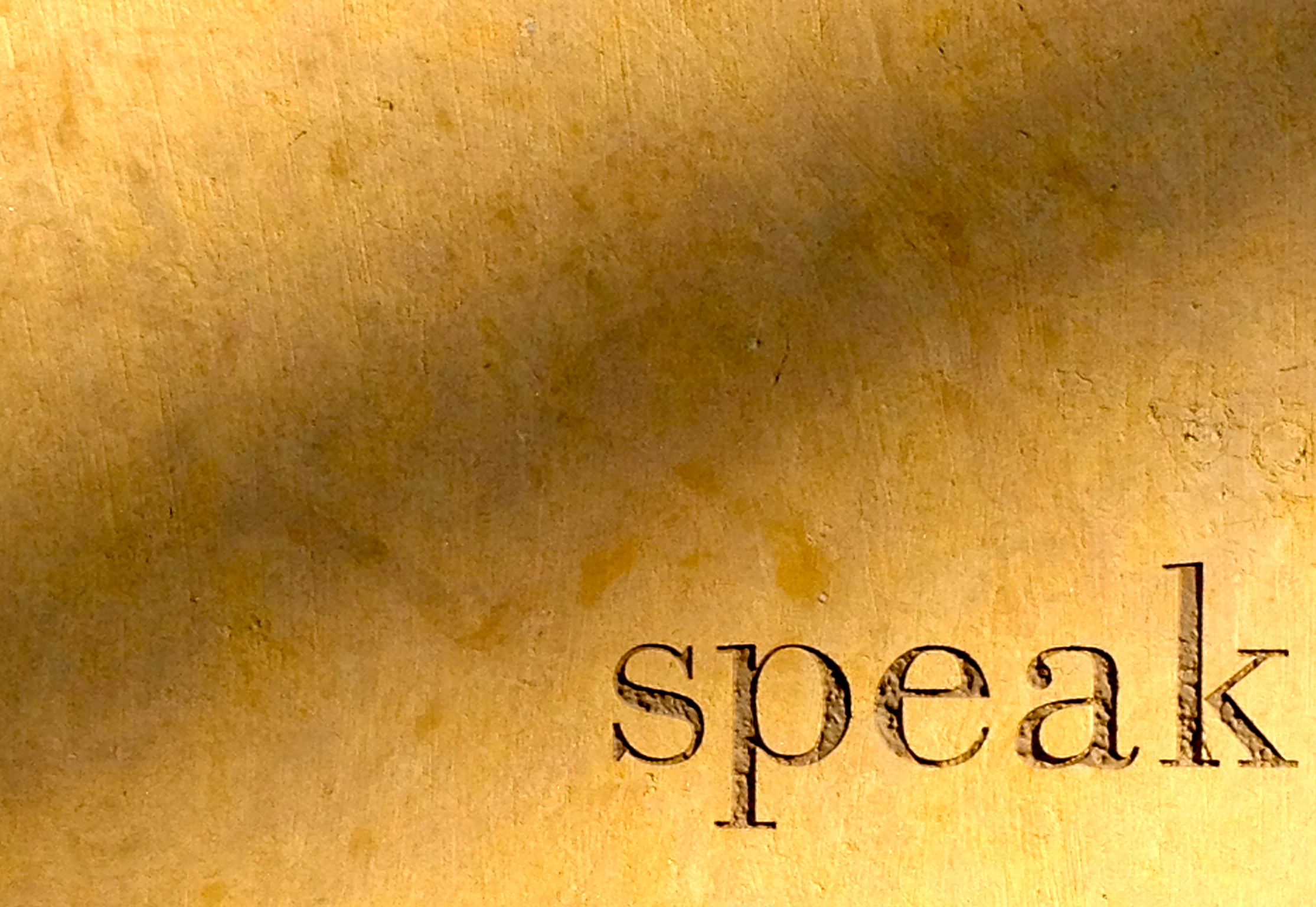
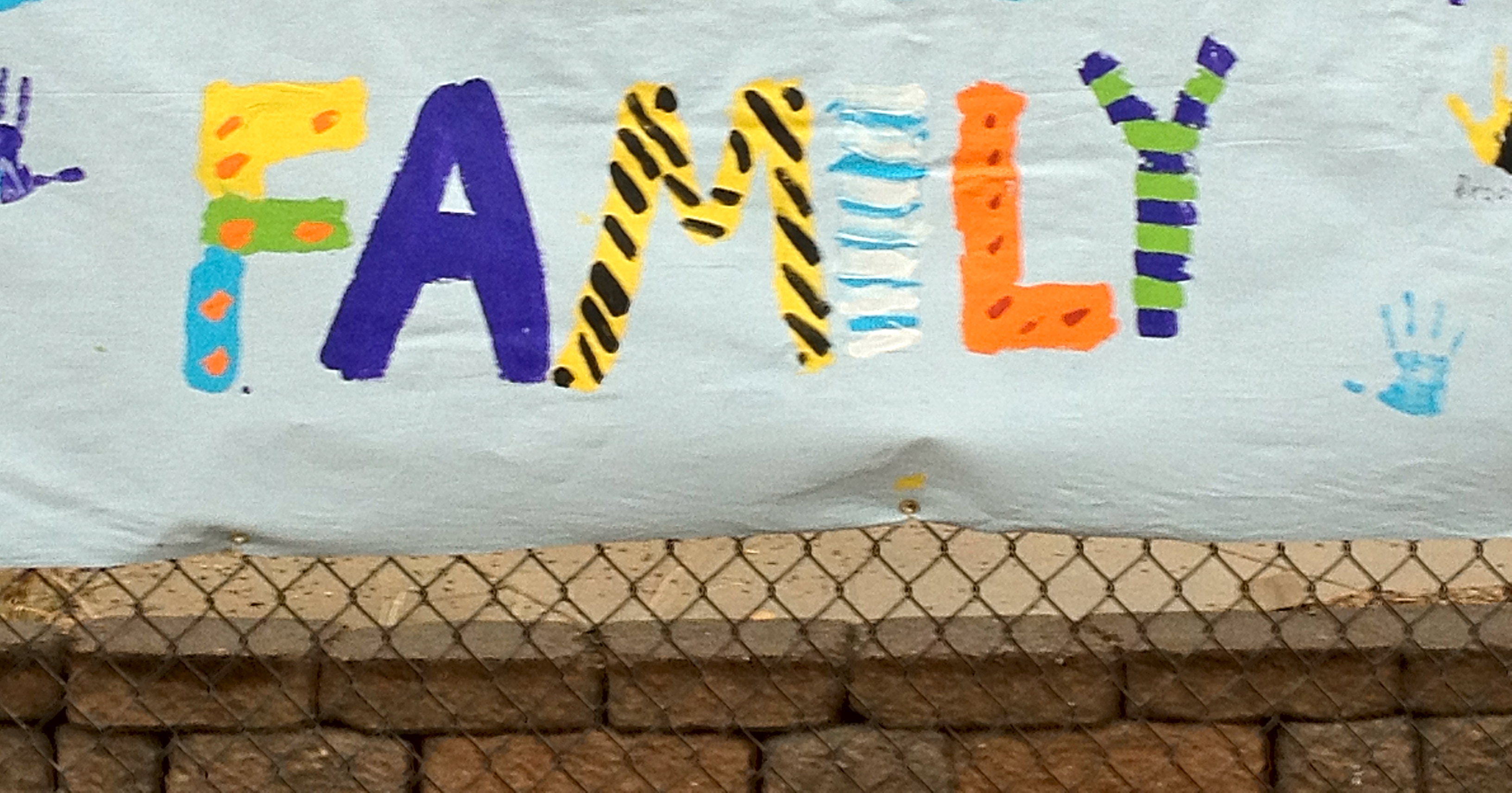
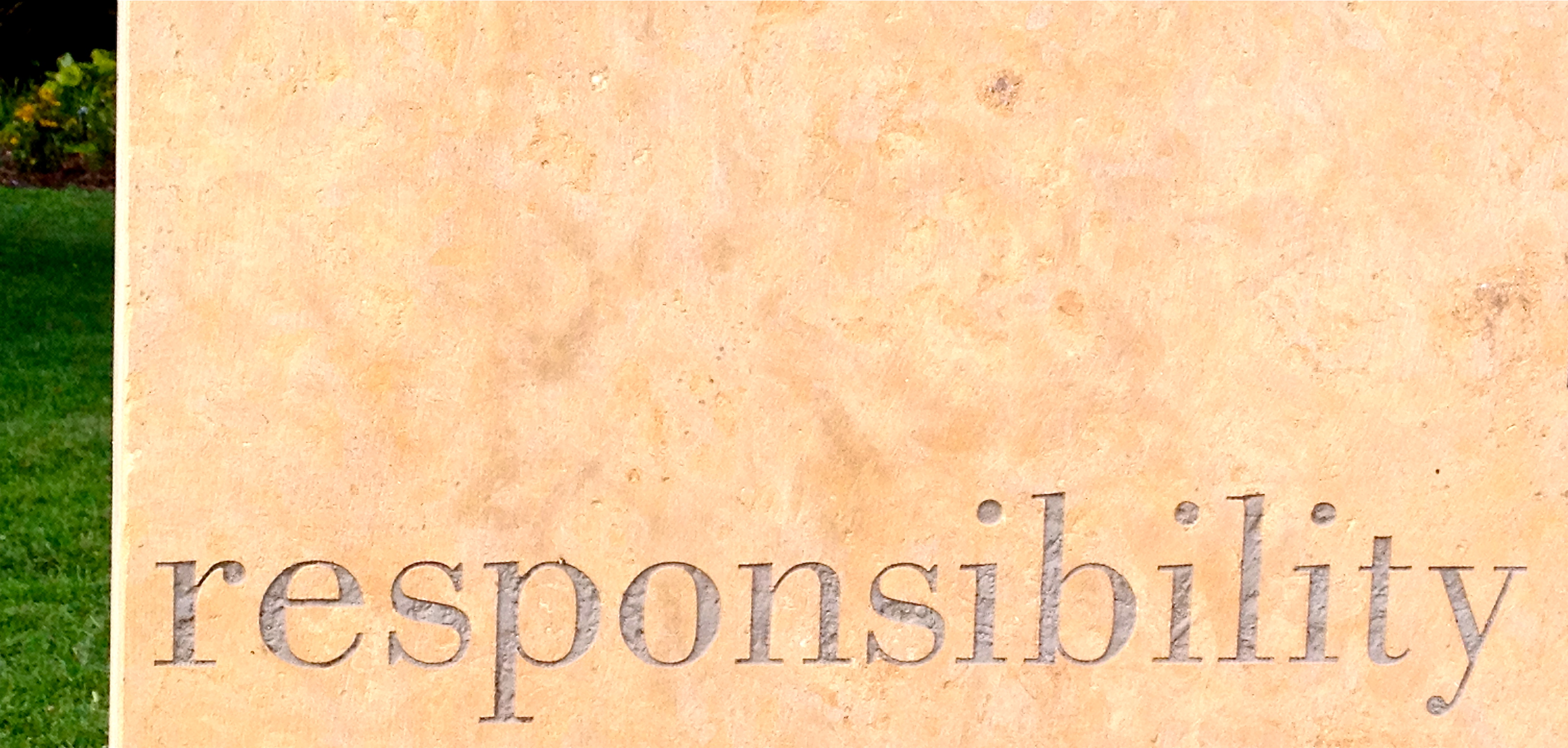
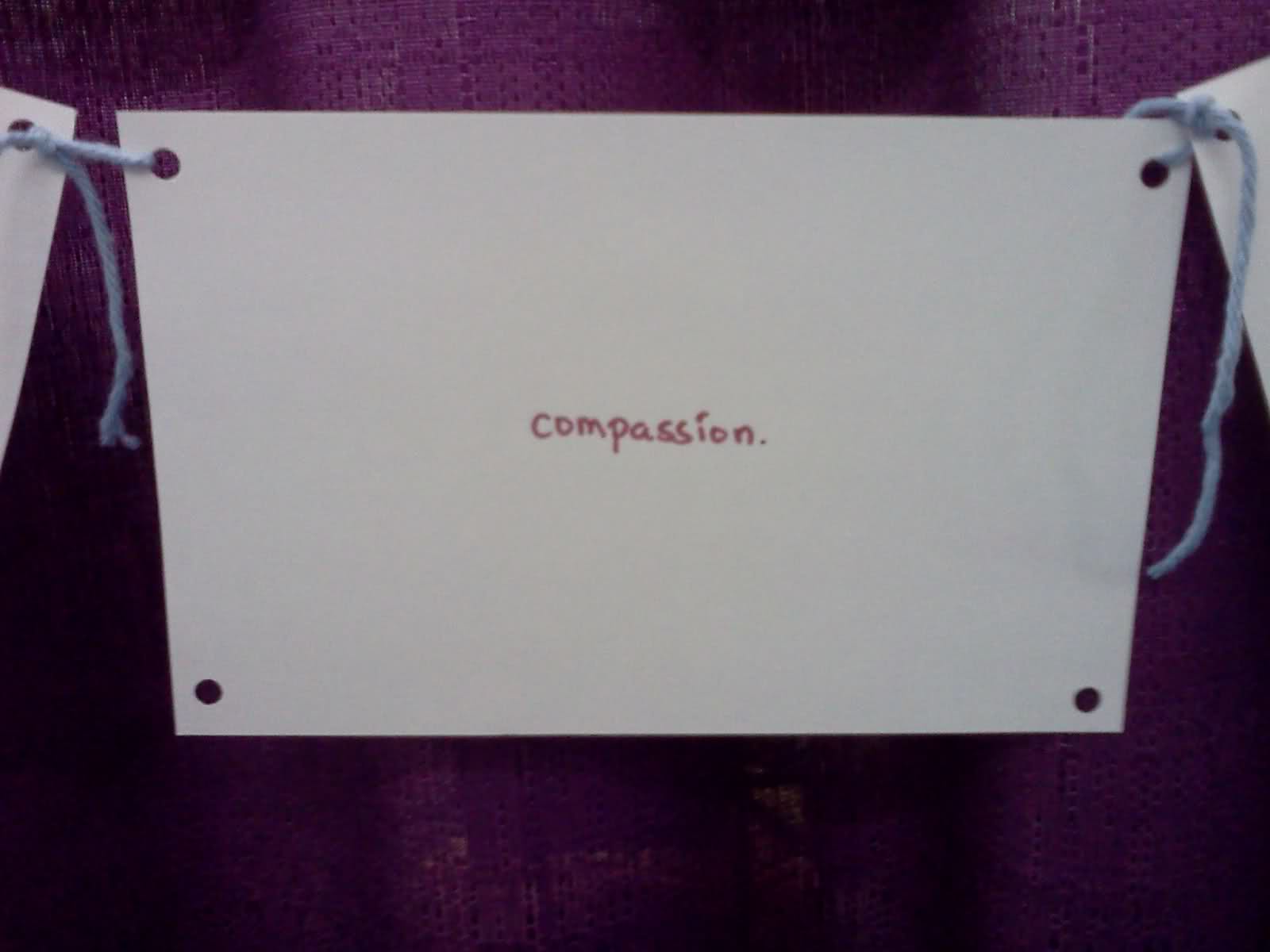
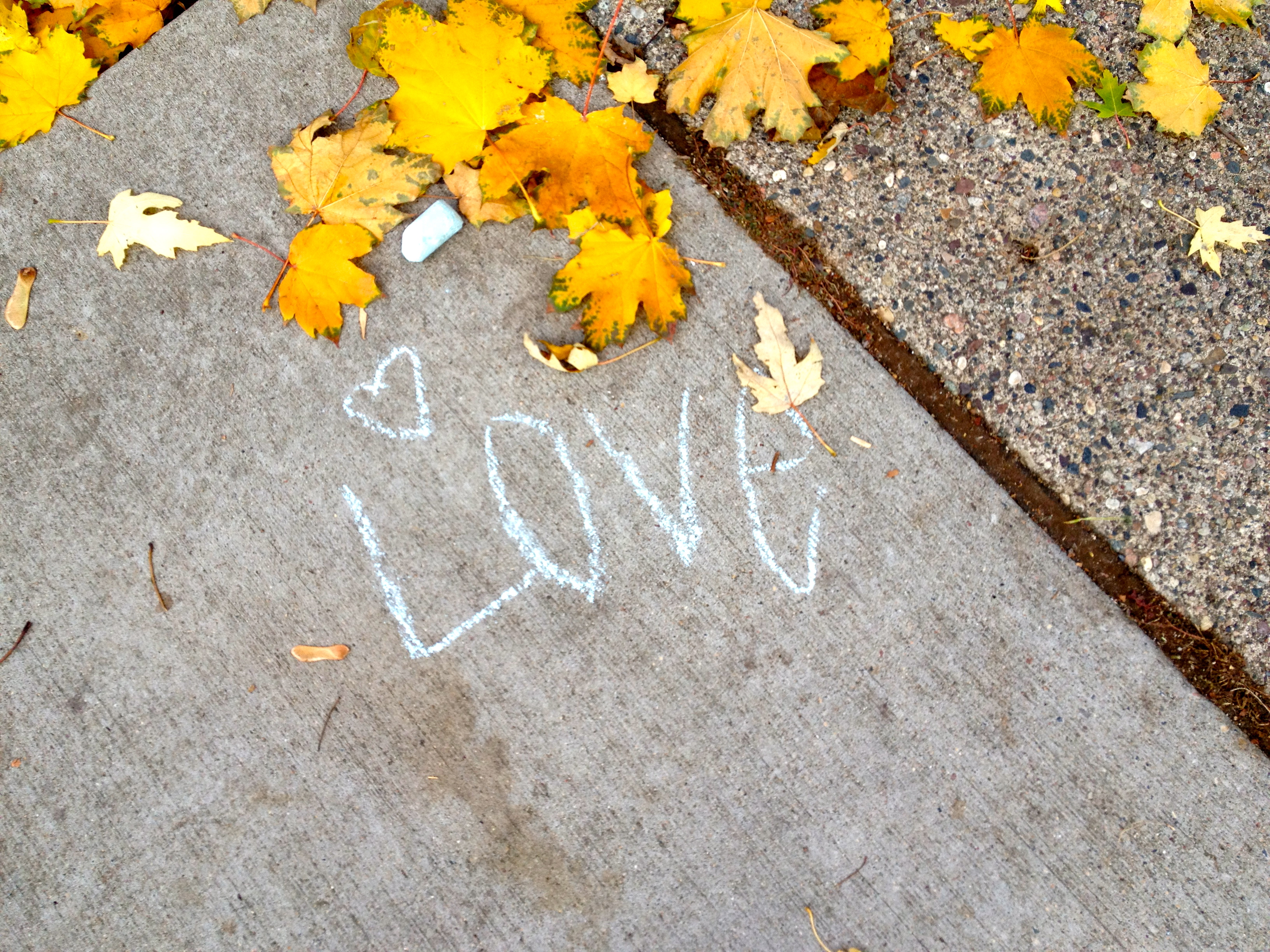
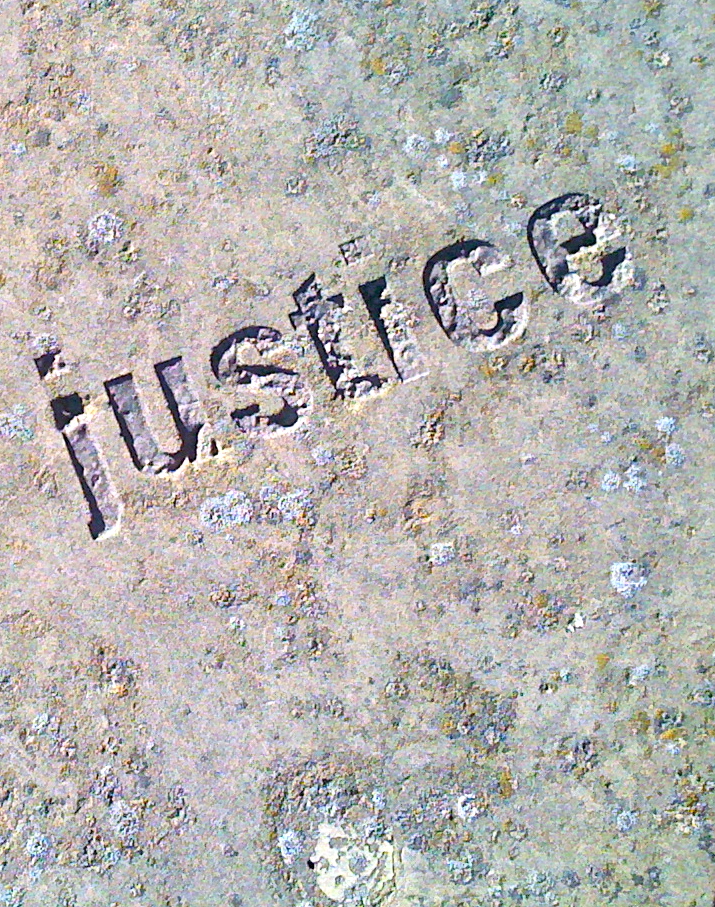
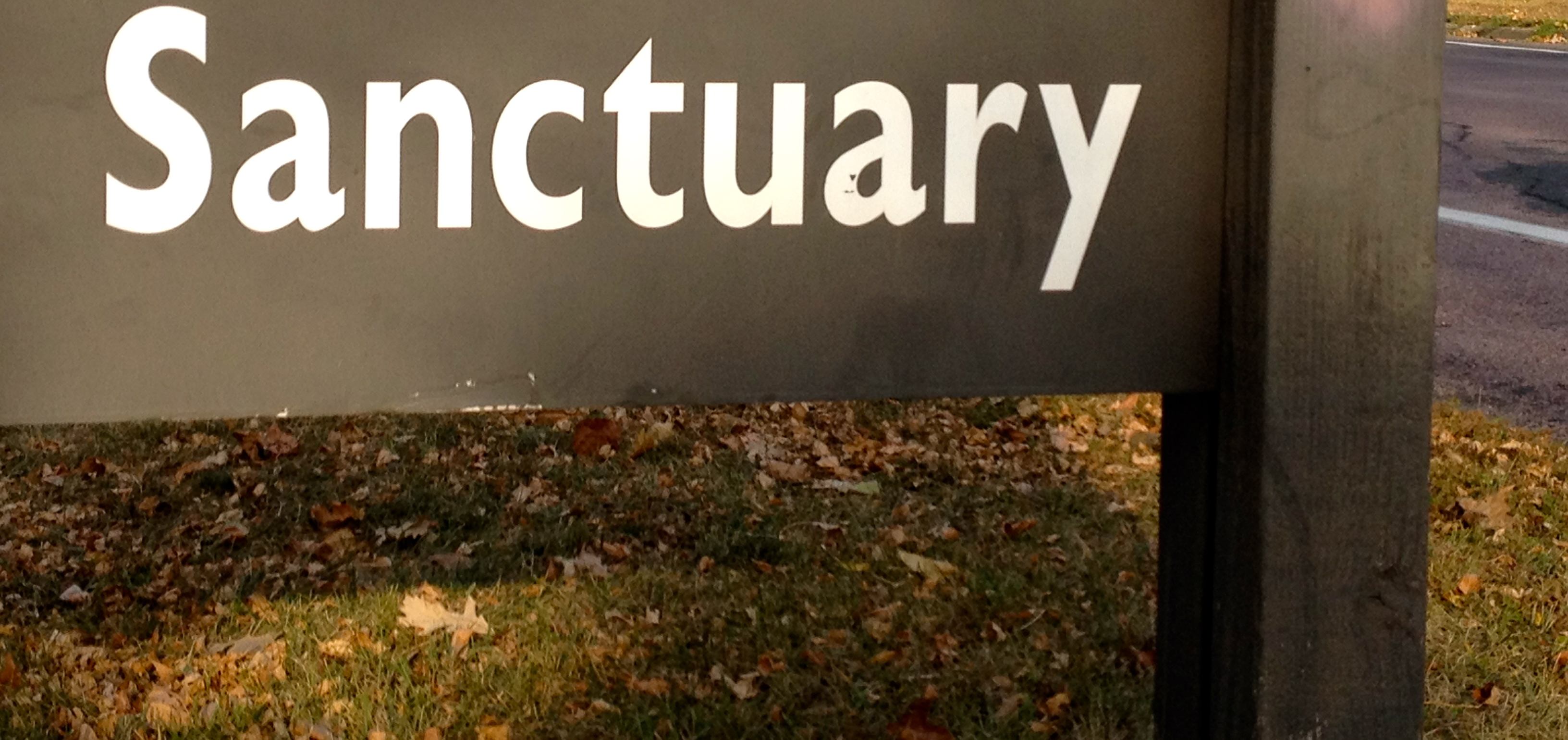
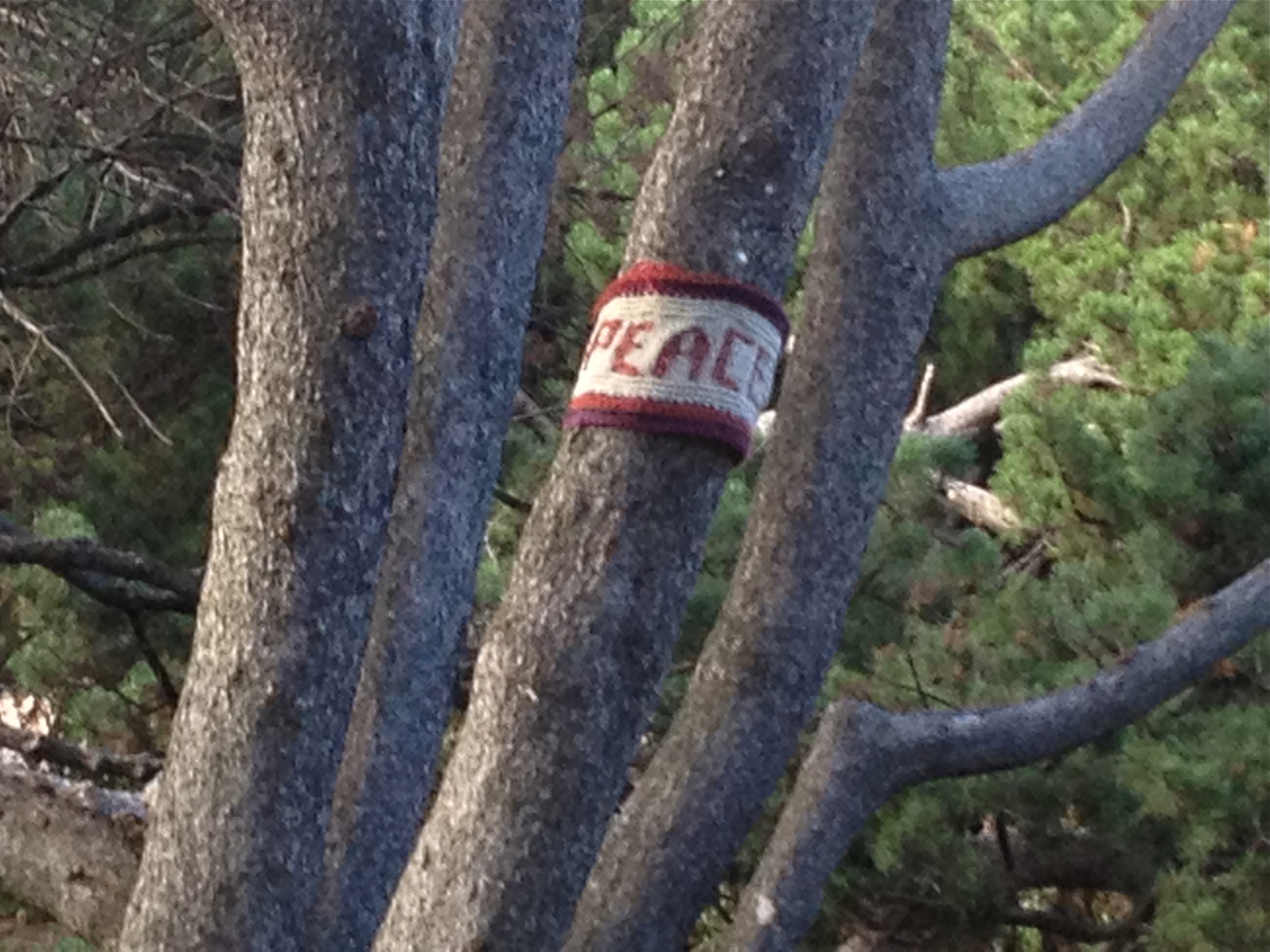
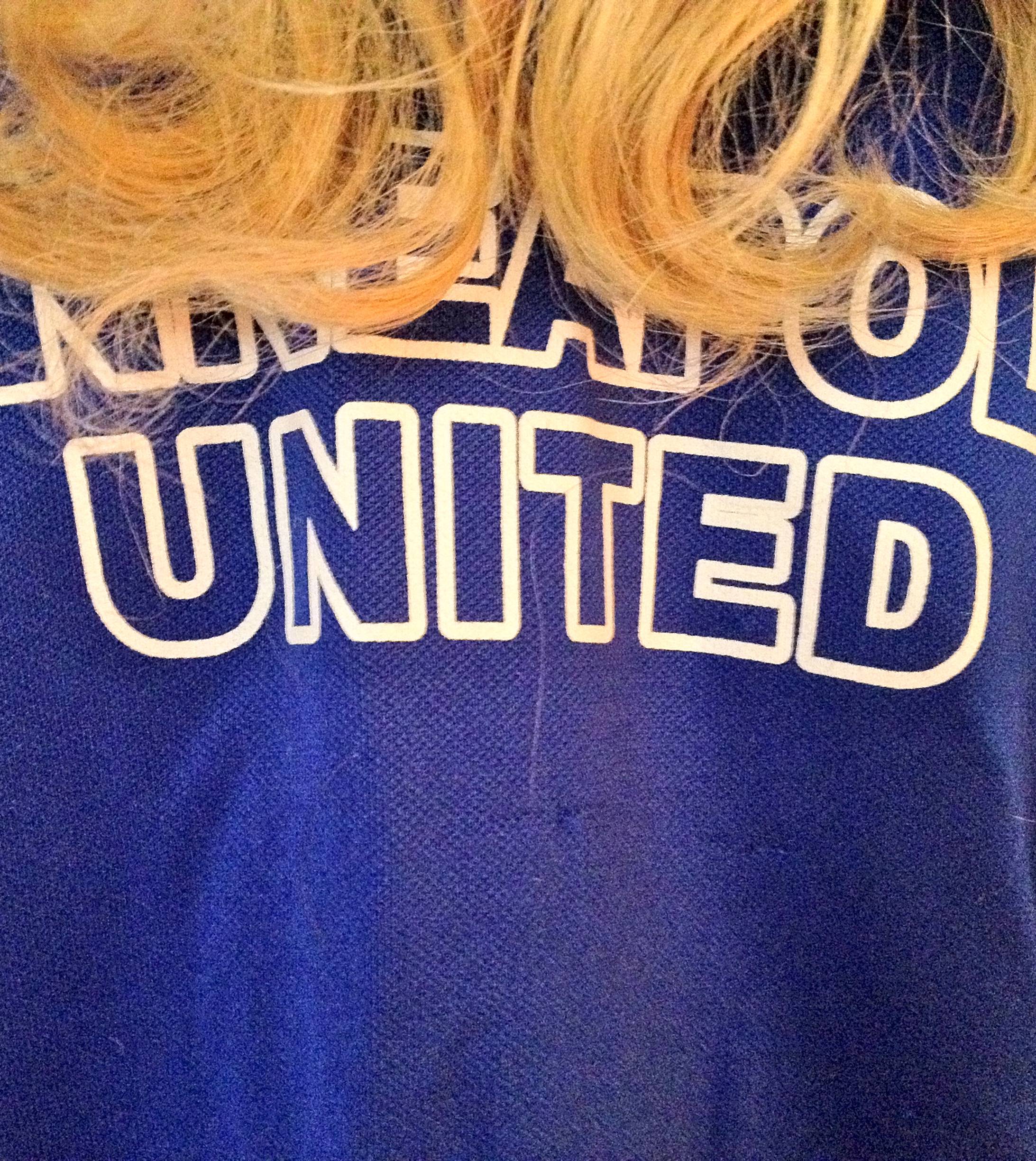
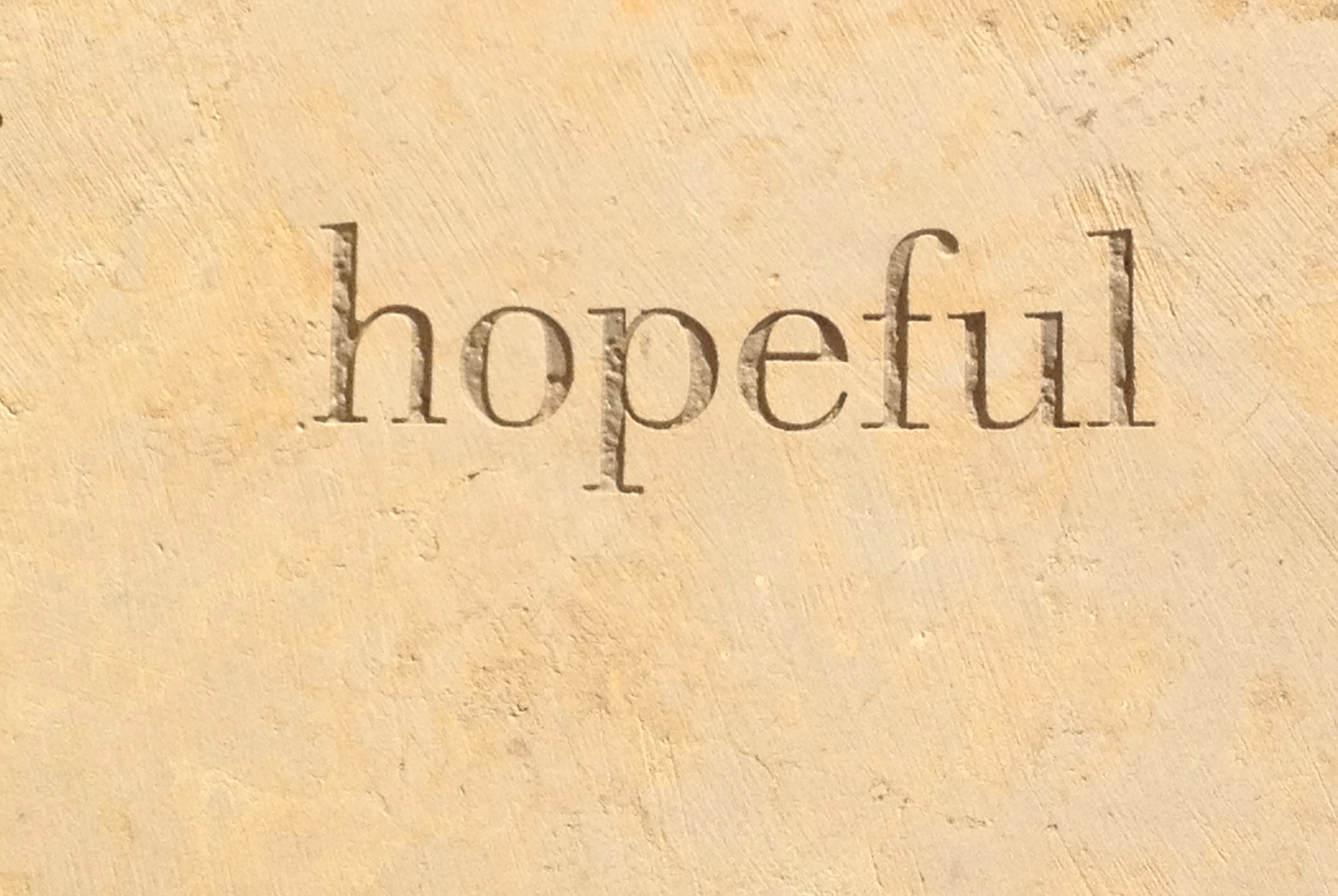
Once I realized this, I started to see human rights words all around me!  Words like:

and

and

Verbs like

and


and

and

Nouns were all around me!

and

and

and

I saw adjectives, too!

and

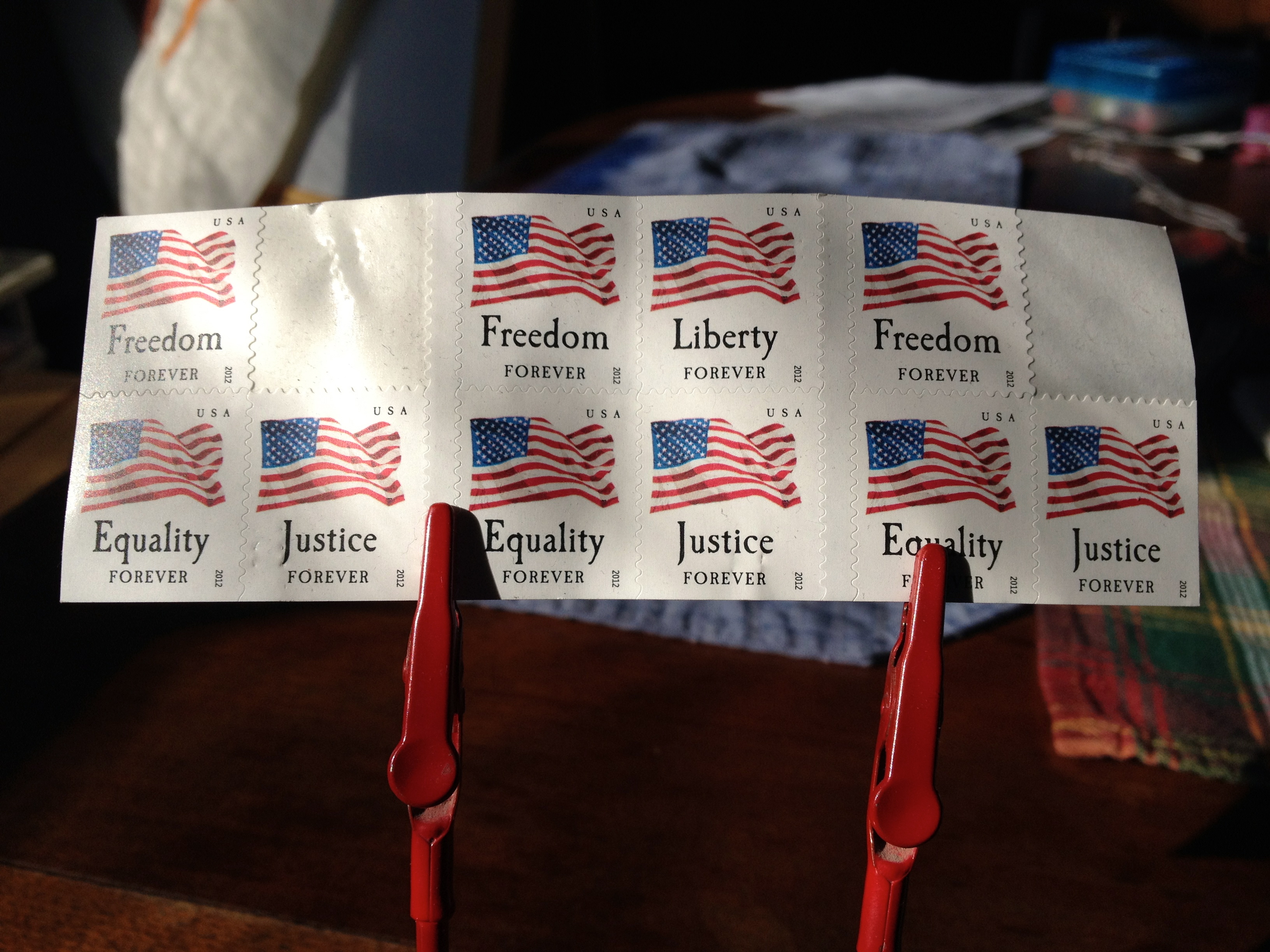
I started pointing out these words to my daughter, who is seven. Just last week, she was running past the table in the entryway where we put our mail.  Suddenly, she came to a screeching halt in front of the stamps.

“Look, mommy,” she said.  “The stamps are speaking the language of human rights!”

My daughter was exactly right.  The stamps said: equality, justice, freedom, liberty.  Powerful words that convey basic human rights concepts.

What human rights words do you see around you? Take a picture and post them on the World Moms Blog facebook page.

We can’t wait to see the human rights words in your community!

Weekly Photo Challenge: A Parable of Renewal

I practiced asylum law for the first seven years of my career, representing refugees who were fleeing persecution and human rights abuses in their home countries and seeking safety in the U.S.  These are people who are not easy to forget and whose stories shouldn’t be forgotten.  Many of their stories – the details of their lives, their losses, their dreams – have stayed with me over the years.  The remarkable thing about the refugees I have known is not only their ability to survive incomprehensible losses, but also the strength and hope and determination they have to remake their lives in an entirely new country.  To learn new skills, speak new languages, adapt to new cultures.  To me, the refugee experience symbolizes this week’s Photo Challenge theme:  Renewal

 The picture above was taken in Buduburam Refugee Settlement in Ghana, which I visited three times between 2007 and 2010. Buduburam was home for 20 years to more than 30,000 Liberians who fled the bloody conflict in their West African country.  Officially closed this year, Buduburam was a small, bustling Liberian city in the countryside outside of Accra.  Life was hard on the camp, where refugees even had to pay for water to drink and for access to the latrines. To improve their opportunities, many of the refugees at Buduburam enrolled in skills training courses; the photo shows some of classes offered by the New Liberian Women Organization (macrame being one of them, as you can also tell by the colorful plant hangers).  Even in a time of limbo, the refugees at Buduburam were striving for renewal. Those refugees who could afford it sent their children to school as education offers a chance for a new life.

I still hold many former asylum clients in my heart. I’d like to share the story of one refugee family I represented.  For me, it is a parable of renewal.

 James and Julia (not their real names) had been politically active in their native Kenya. Julia, in particular, had been very active in speaking out against an oppressive government.  They had a young son, who I’ll call William, who had huge, solemn eyes.  When the police came to their house to arrest Julia, a police dog bit William on the head. You could still see the jagged scar on his scalp more than a year later when, having left everything they owned behind to escape Kenya, they were seeking legal assistance with their asylum claim in the U.S.  

 In police custody, Julia had been brutally beaten.  She was also repeatedly raped in custody, including with objects such as the muzzle of a rifle and a Coke bottle.  This testimony was critical to the success of their asylum case, so we had worked with Julia to prepare her to tell her full story, with as much accuracy as possible and as many details as she could remember.  “Just tell the truth about as much as you can remember of those weeks,” I urged. We all knew it would be painful.

 Julia testified about her experiences in a straightforward manner and in excruciating detail, but with such poise and dignity that both the asylum officer and I were in tears. Asylum officers are specially trained federal officials who make decisions about asylum cases based on a written application and an in-person interview.  During my time practicing asylum law, I rarely saw an asylum officer actually cry during an asylum interview. 

 I remember well how James sat next to her, utterly still. Not touching her, not looking at her, but supporting her as she spoke. Anguish is the only word that could possibly describe the look on his face as he listened to her testimony.  I had to look away. Even in my role as their attorney, a role which requires a special intimacy, I felt the need to give their family some small space of privacy as they recalled those terrible days.

 Years later, after they got their citizenship, James and Julia had a party to say thank you to all of the people who had helped them. In addition to their attorneys, there were people from their church and other members of the Kenyan community. They now lived in a big, new house out in the suburbs. Julia was close to graduation from nursing school. William, who I hadn’t seen since he was three, was now in middle school.  He was a straight-A student and talented musician who had just gotten braces.  They had another child, too – a daughter born here in America. She was wearing a pink tutu.

It had taken a lot of hard work for James and Julia to get to where they were.  They had experienced many challenges and frustrations with adapting to life in this strange, new country.  But they persisted and, through sheer effort and determination and a bit of creativity, slowly but steadily they moved forward, finding healing for themselves and building a new life for their family.   It wasn’t easy, but James and Julia had managed to make something new out of nothing. 

Weekly Photo Challenge: Geometry/γεωμετρία

And now for something completely different.  While I’ve never participated in The Weekly Photo Challenge before, the theme “Geometry” this week spoke to me.  This week’s challenge “is about the shapes and rhythms that make up the geometry of our world.”  This week, I have found the normal shapes and rhythms of my world disrupted. In the midst of a major storm in the East  and a bitter, divisive election, we buried my grandmother this week.  She was 98, so it shouldn’t have been a surprise, but it kind of was.

This week I have found myself almost longing for a bit of predictability, a return to normal patterns and rhythms.  A rational ordered life; a practical science made up of points, lines and planes.  I find myself searching for theorems that explain life and loss the way geometric formulas allow you to compute volume, surface and area.

Of course, contemporary geometry goes well beyond Euclidean principles, taking us into contemplation of multiple dimensions and space.  This also fits with thoughts of life and death. Maybe I’ll think on that later.  But in this week of turmoil and endings, I find comfort in what the early Greek mathematicians Euclid and Archimedes called γεωμετρία. Geometry.

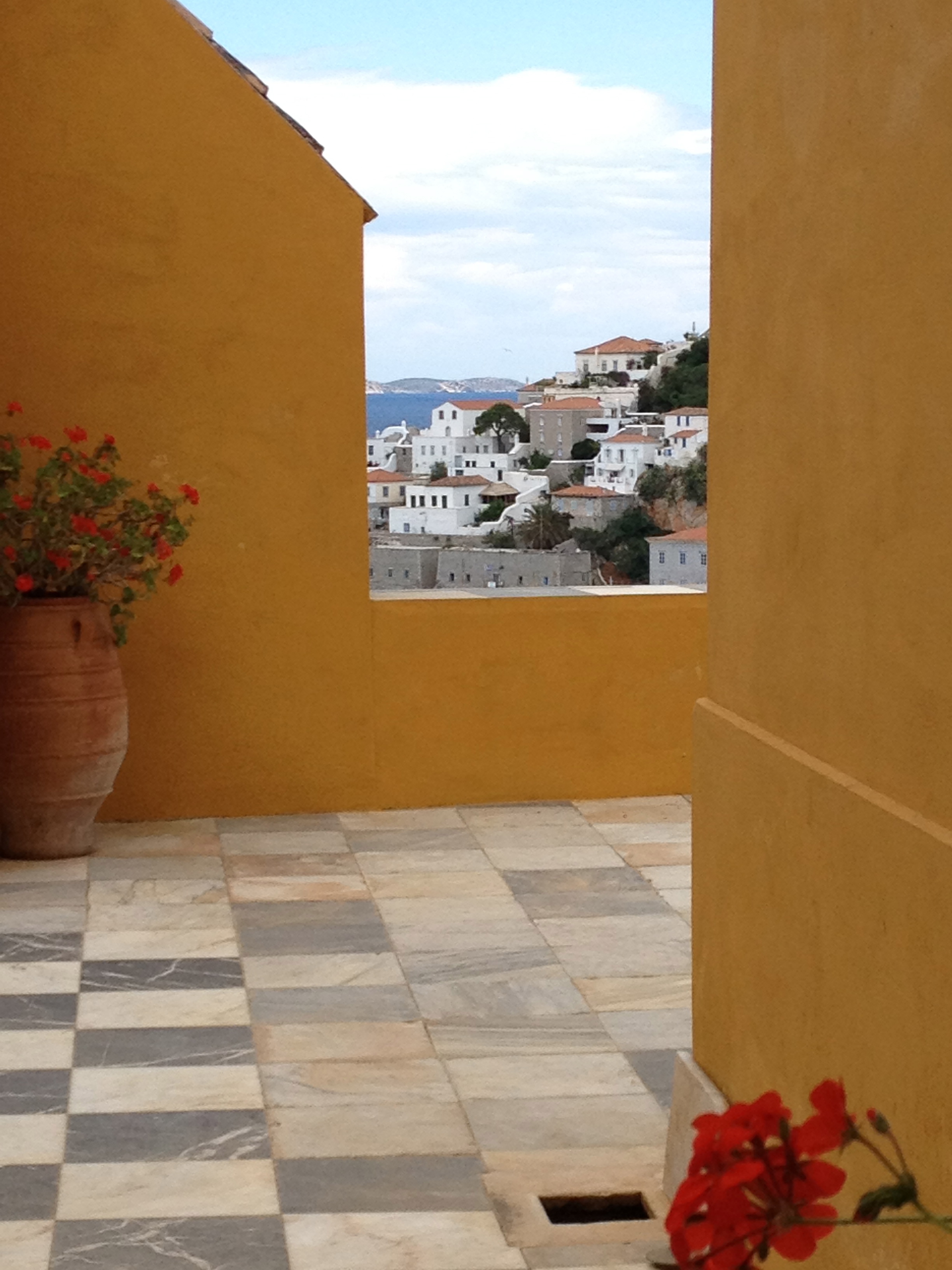
I took this picture recently on the Greek island of Hydra.  When I look at it, I can’t help feeling that the early Greek geometers were right: there is some order in the world and we can figure it out. And it is all going to turn out just fine.

Image

For more entries to this week’s challenge: Geometry click here.

PHOTO ESSAY: Cartooning for Peace

Cartoon by Kianoush

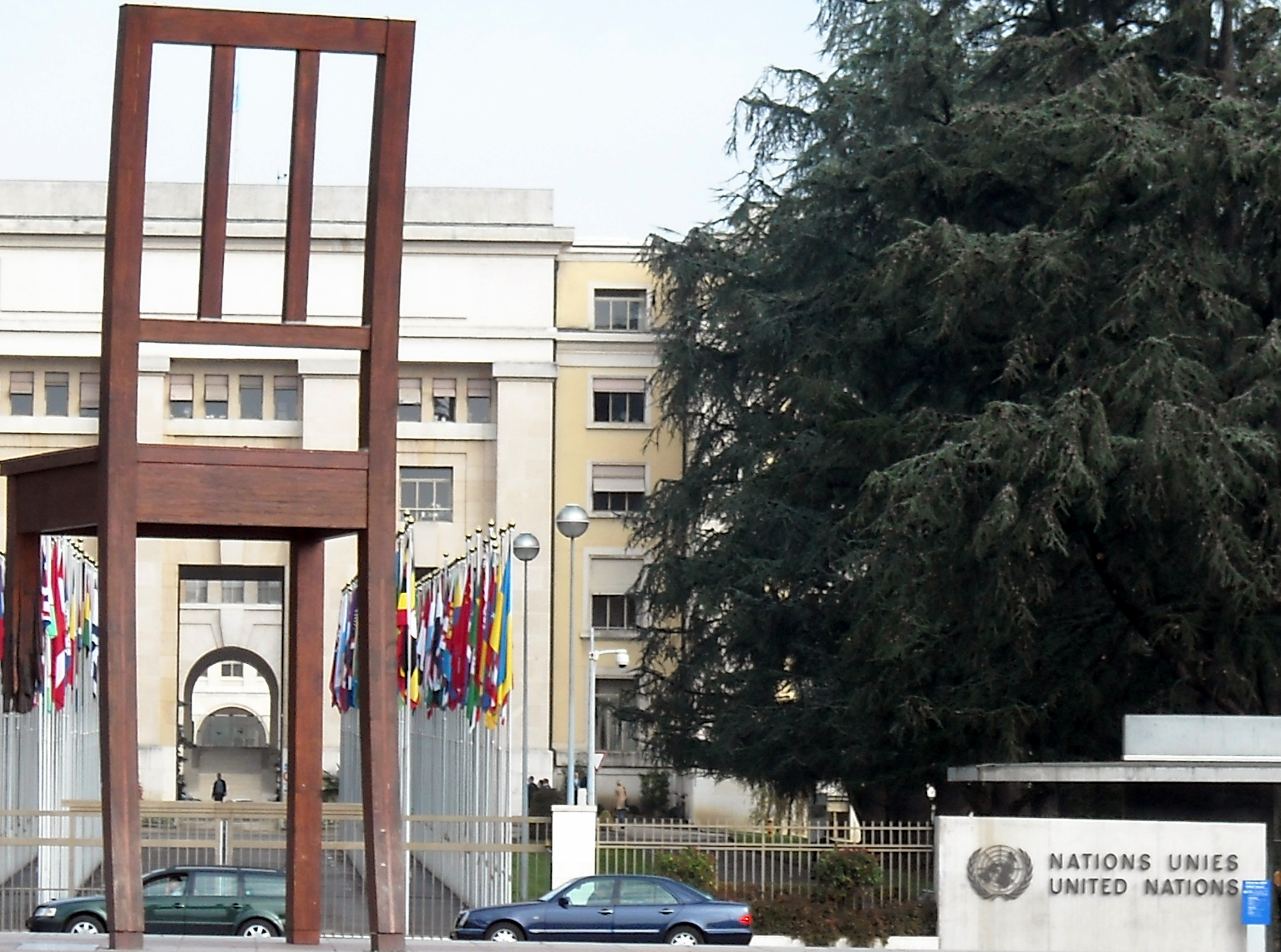
In May, I was in Geneva to participate in the United Nations’ Universal Periodic Review of Morocco and India.  I went for a run one day along Quai Wilson on Lake Geneva and discovered an exhibition of political cartoons. The exhibition was sponsored by Cartooning for Peace/Dessins pour la paix, an initiative conceived of by French political cartoonist Plantu and launched at the United Nations in 2006.  The goal of Cartooning for Peace is to promote better understanding and mutual respect between people of different faiths and cultures.  Cartooning for Peace also works to promote freedom of expression and to protect the rights of cartoonists.

Cartooning for Peace and the City of Geneva created the new International Prize for Editorial Cartoons to honor cartoonists for their talent, outstanding contribution and commitment to the values of tolerance, freedom and peace. On May 3, 2012  – the World Day of Press Freedom – the prize was awarded for the first time to four Iranian political cartoonists.

Cartoon by Mana Neyestani

The exhibition Dessins Pour La Paix  2012 displayed the work of the award-winning Iranian artists Mana Neyestani, Kianoush,  Firoozeh Mozaffari and Hassan Karimzade.

In addition, the exhibition included dozens of political cartoons by cartoonists around the world on the themes of freedom of expression, the Arab spring and the rights of women.

The exhibition in Geneva ran from May 3 to June 3, 2012.  The full catalogue of the cartons featured in the exhibit is now available online.

Take a stroll with me along Quai Wilson and witness the power of the cartooning for peace!

ARAB SPRING 

FREEDOM OF EXPRESSION

ET LES FEMMES? (AND THE WOMEN?)

Photo credits to Amy Bergquist

Originally posted on 8/7/12 on

The Advocates for Human Rights’  blog

The Advocates Post.

My Blogger Space

This week I participated in Blogger Space, a series devoted to showcasing the spaces where bloggers choose to write. Blogger Space is the brilliant creation of divorcedpauline.  This Blogger Space profile is posted on her blog perilsofdivorcedpauline. She’s a great writer and her blog is definitely worth checking out.  I’m so flattered by her kind intro – “whip-smart” may be one of the best compliments I have ever received!

Jennifer Prestholdt’s Blogger Space

Jennifer Prestholdt is a human rights lawyer and fellow Open Salon blogger. I first became aware of her when her funny, whip-smart  “Raising Boys Not to Be Total Jerks” post went viral and garnered the wrath of internet trolls who accused her of actually damaging her sons for teaching them to be respect women. I was as impressed by her humorous, nuanced writing as by her grace under fire from crazed commenters. Check out her many versatile Blogger Spaces and inspirations for blogging below.

Let’s begin with the understanding that I don’t actually have a Blogger Space. I have a husband, three children, a full-time job, an old cat. What I don’t have is a dedicated place for blogging. Once upon a time, I had a home office but I gave that up when our third child was born. Now I battle her Barbies (and the occasional Darth Vader) for space for my laptop.

Not only do I not have a physical Blogger Space, I also don’t have much time to blog. So I write in the corners of my life, wherever I can find a few spare moments. This often means blogging at hockey rinks during my sons’ practices.

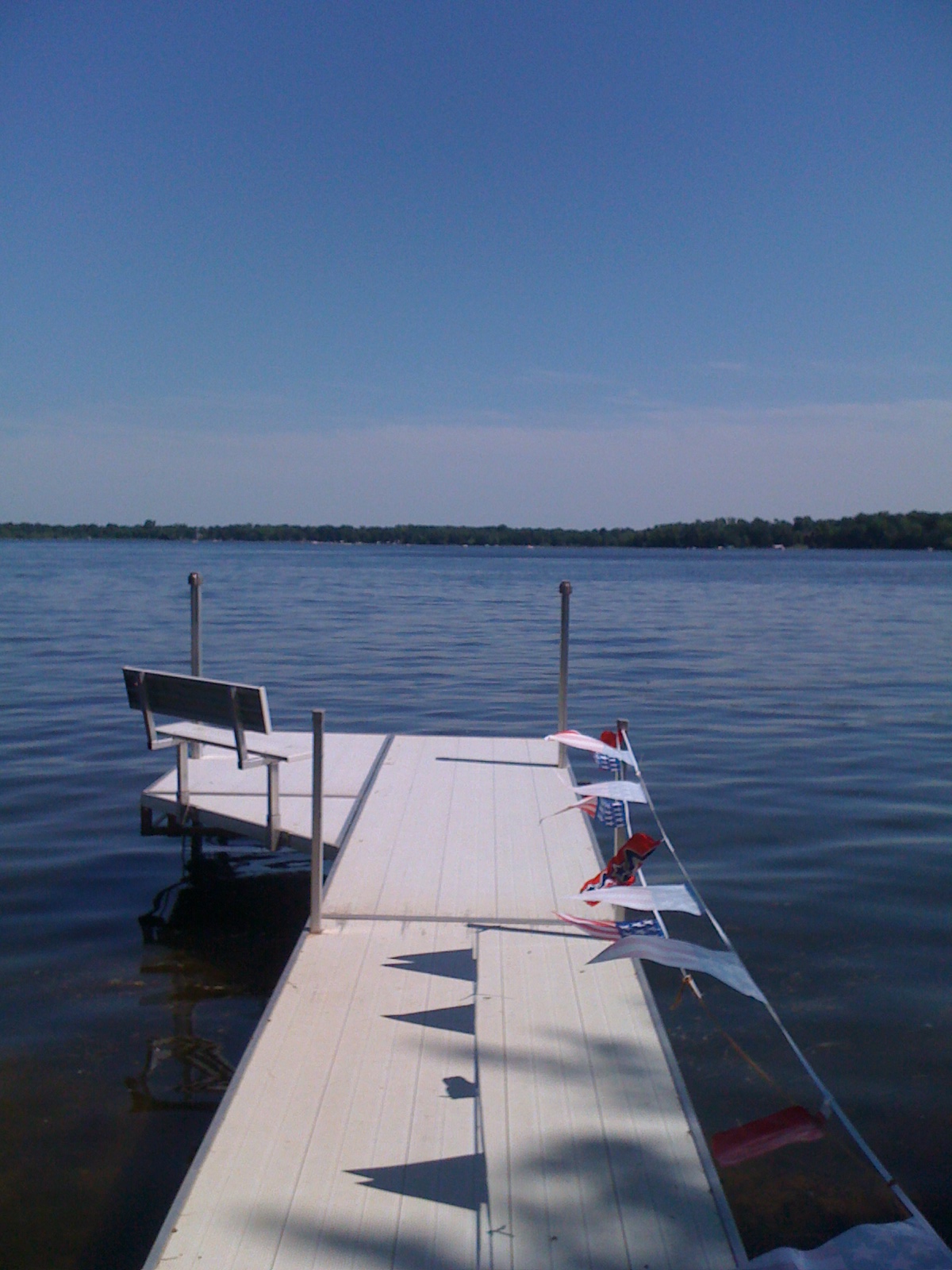
In the summer, I may blog on the dock at the cabin while I’m “watching” the kids swim.

I travel a lot for work, so more than one post has been written on a transatlantic flight.

I have only been blogging for a year, but so far I have found myself blogging in:

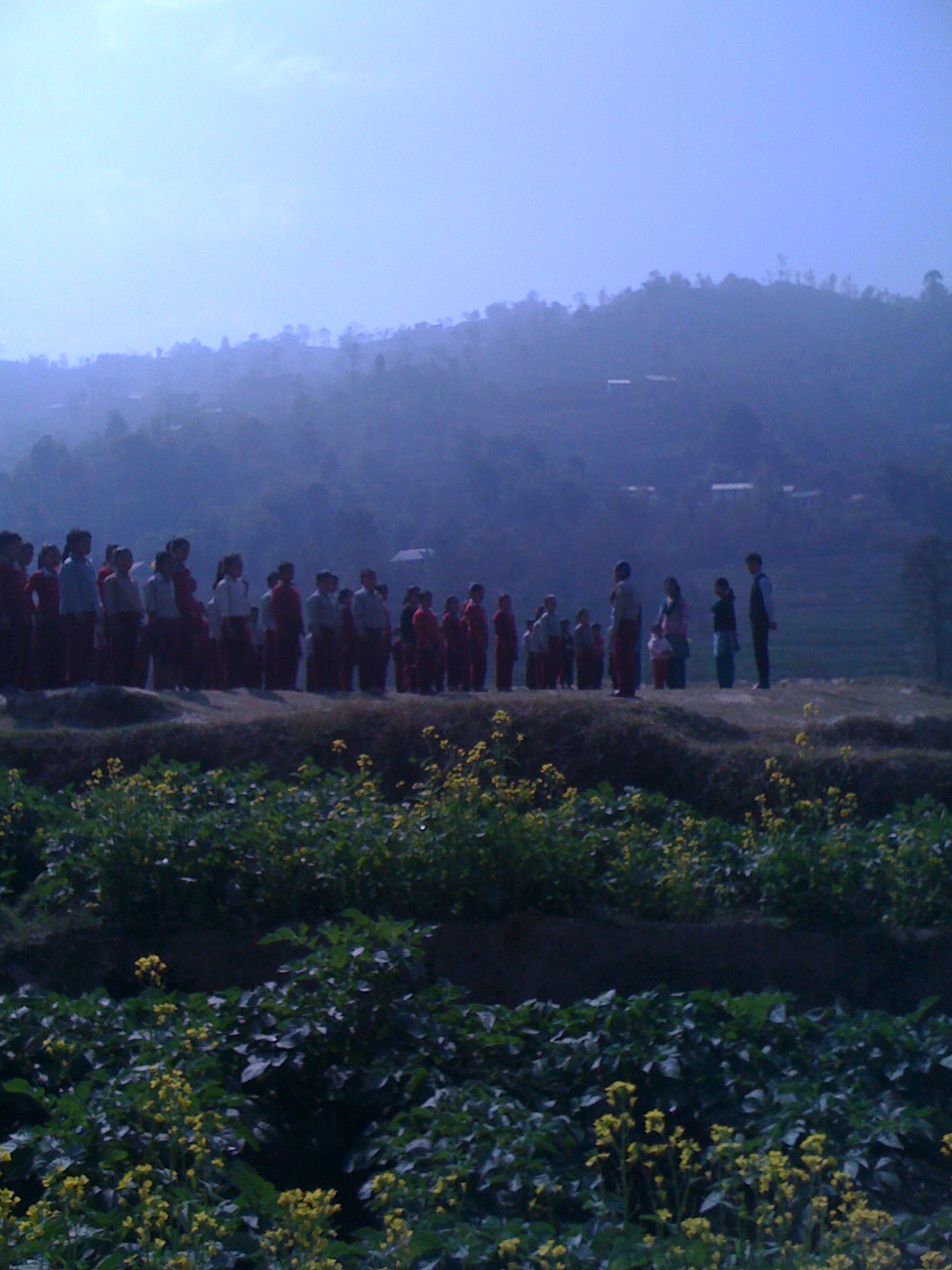
NEPAL

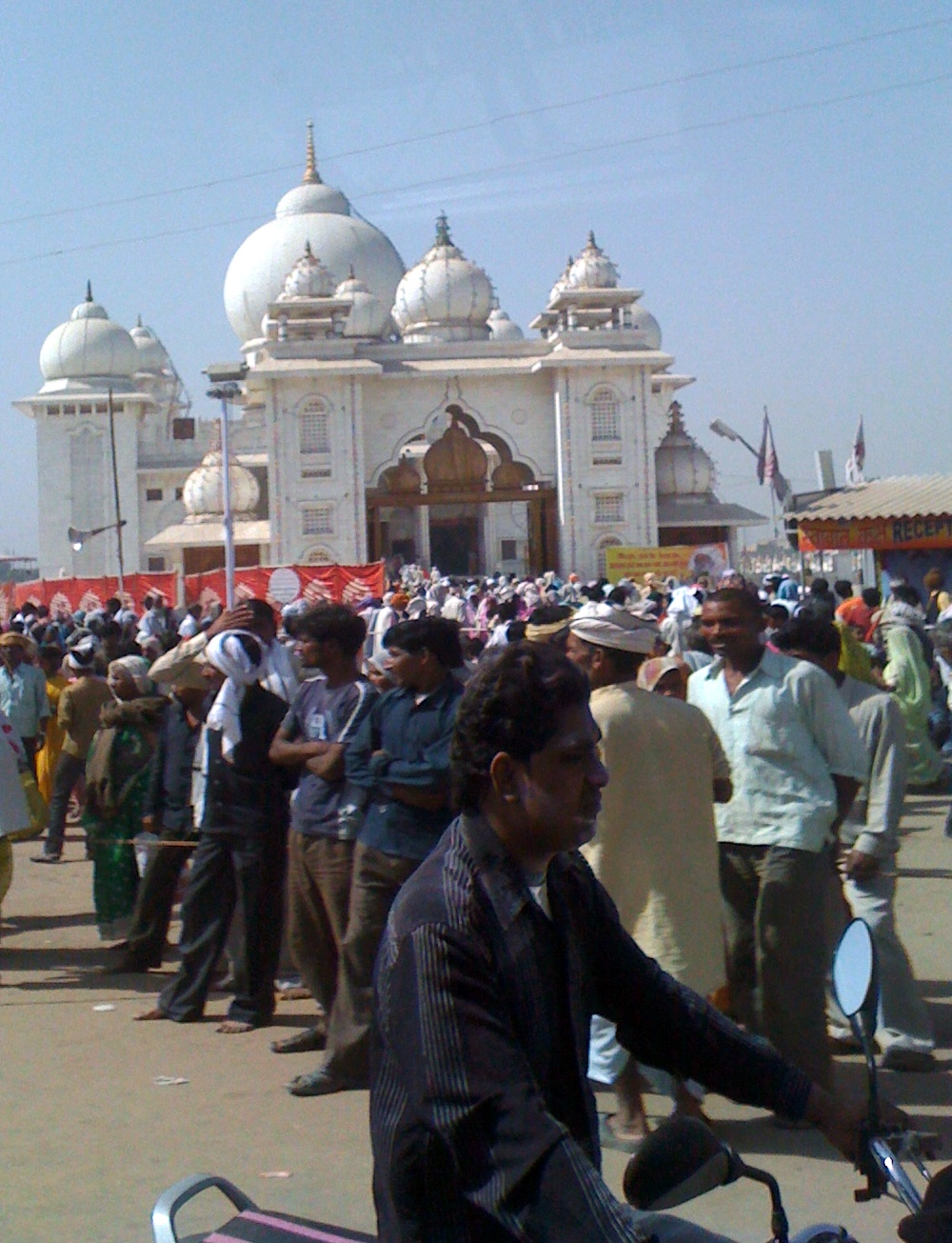
INDIA

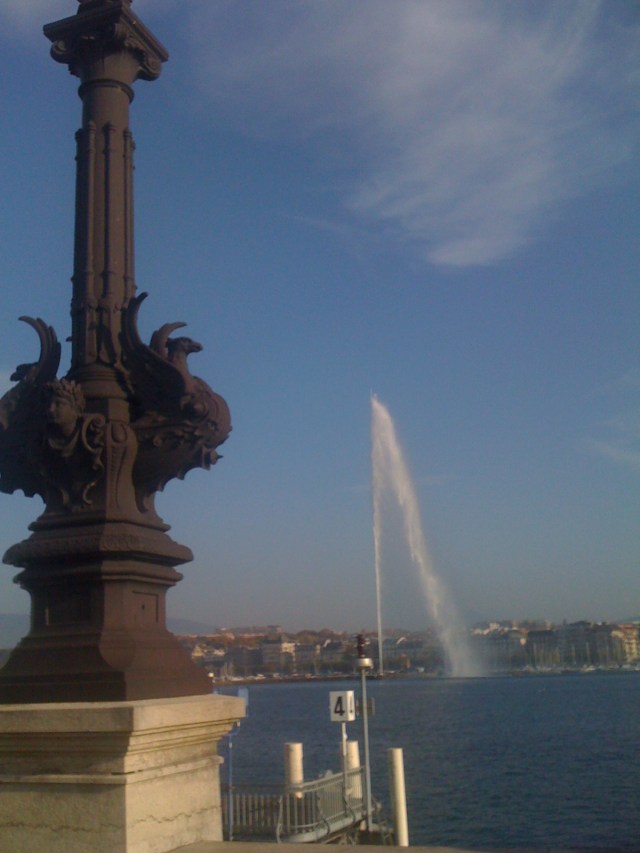
GENEVA, SWITZERLAND

Mostly, though, I write on the run – literally. I do some of my best thinking when I am running. Often I can work out almost all of the details of a piece so that it actually takes only a short time to type it up on my laptop.

I like to think of it as “rlogging”.

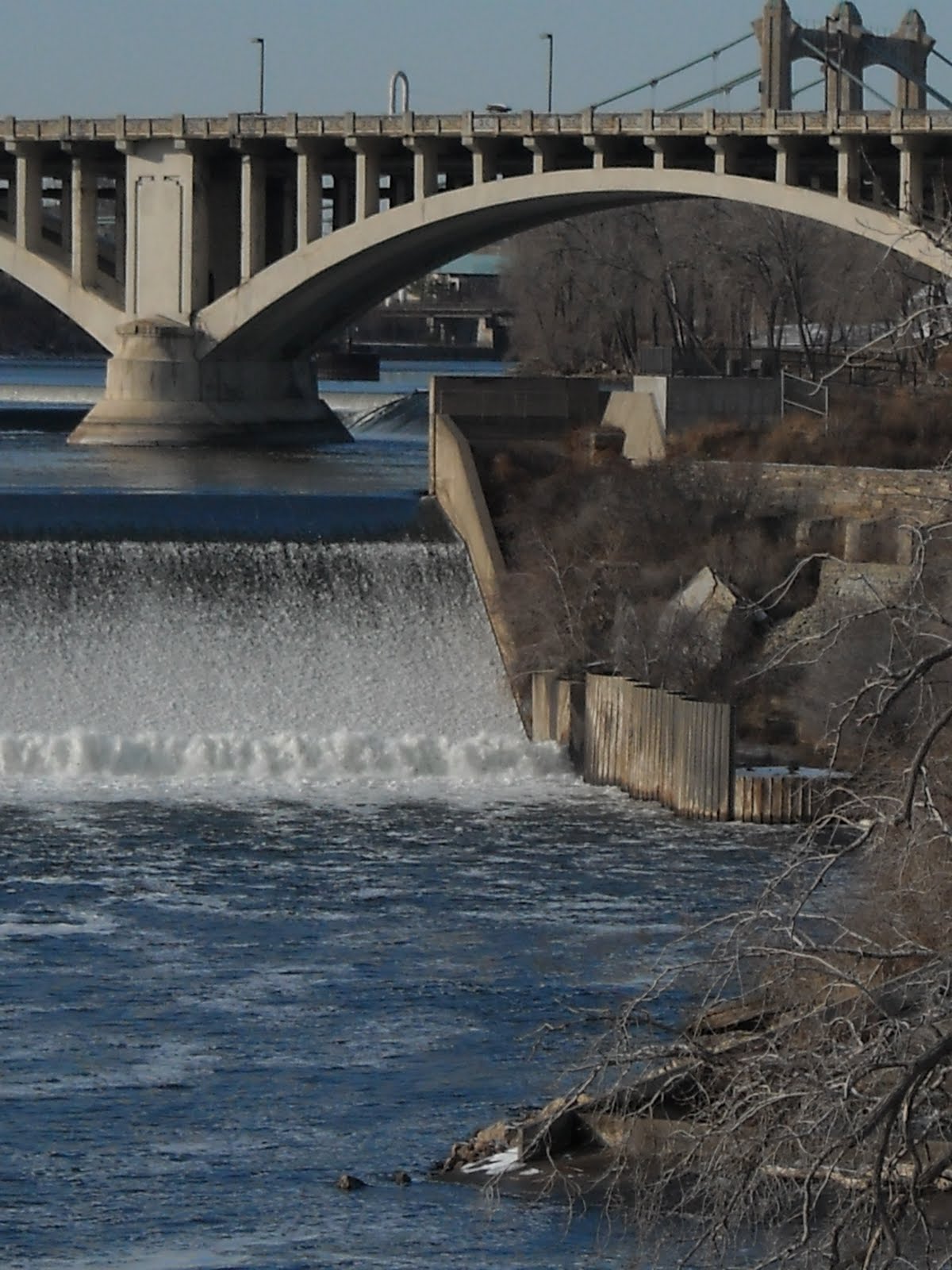
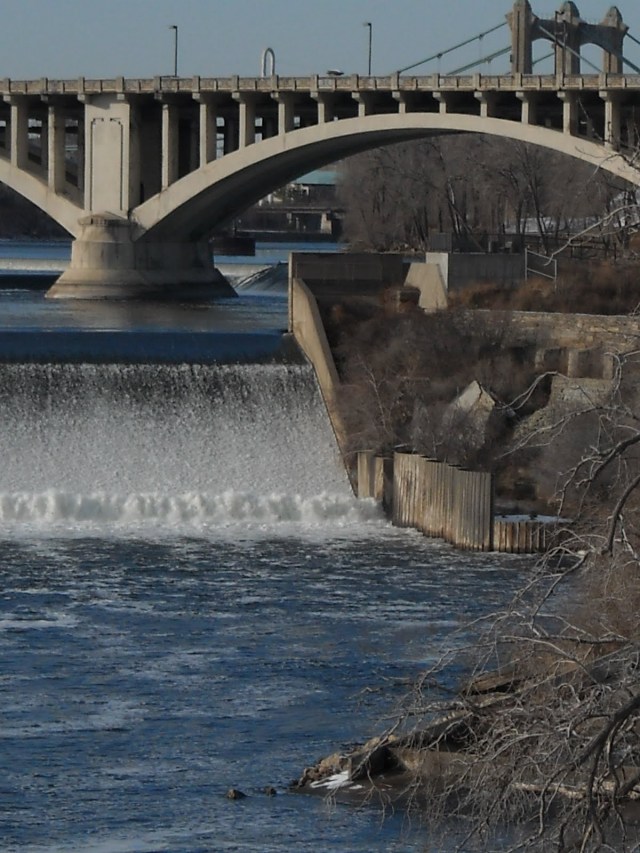
I am fortunate enough to live in Minneapolis, a city that was purposefully laid out so that no child would have to walk more than six blocks to a park. There are miles and miles of biking and running paths.  I often blog while running along the Mississippi River …
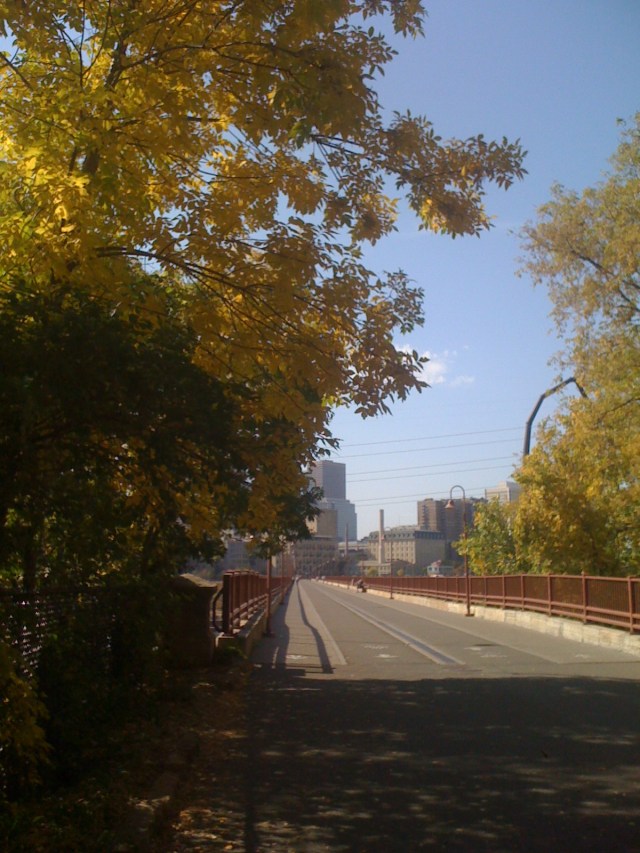
…and across the Stone Arch Bridge back into downtown.
Sometimes, I “rlog” along Minnehaha Creek, where we catch tadpoles in the summer.

But here is a peek at my very favorite Blogger Space.

My favorite rlogging route goes …

…through the Lyndale Park Rose Garden, the second oldest public rose garden in the U.S….
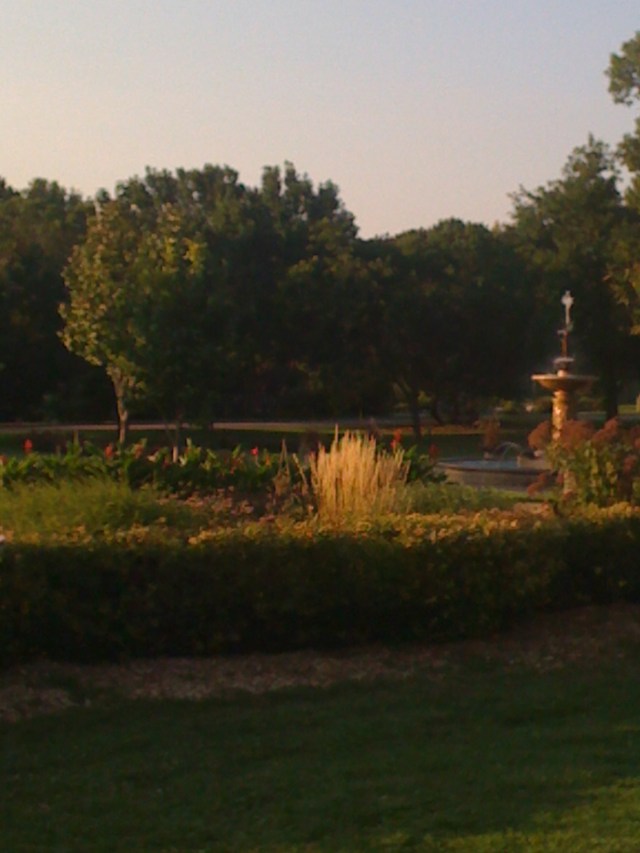
… along the shore of Lake Harriet. Although we are in the city, I have seen both foxes and bald eagles near this spot on the southeast corner. My grandparents Olaf and Lillian walked around this lake in their courting days, barely catching the last streetcar back to downtown.

I think about things as I follow in their footsteps.
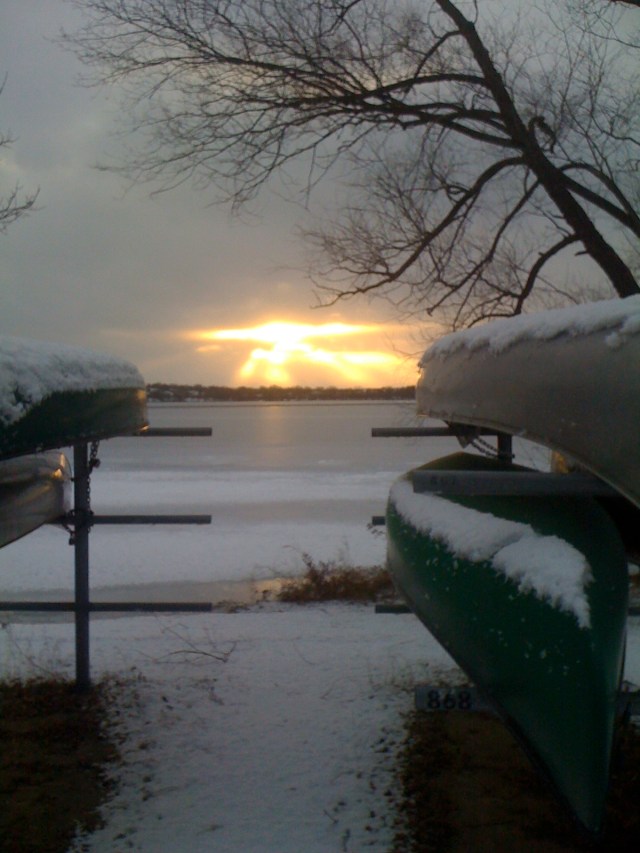
I run past the Lake Harriet Bandshell. In the summer of 1961,my parents first met here. On a blind date.

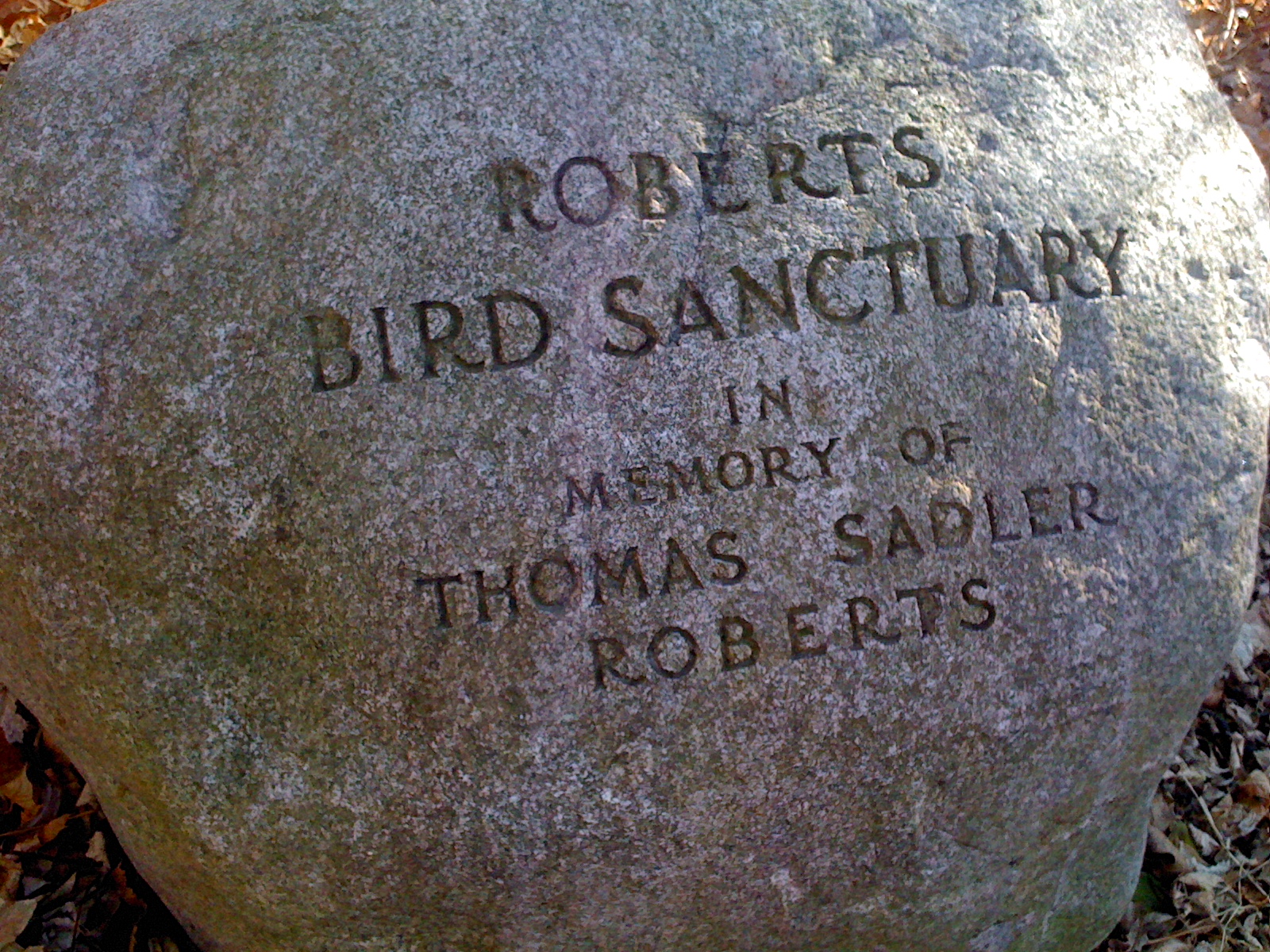
Through the Roberts Bird Sanctuary …

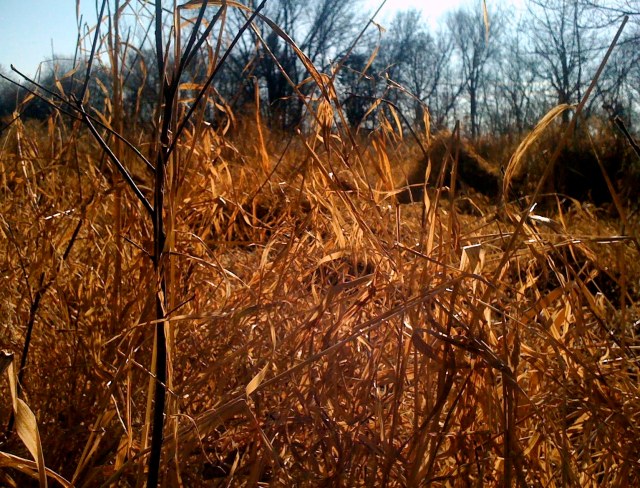
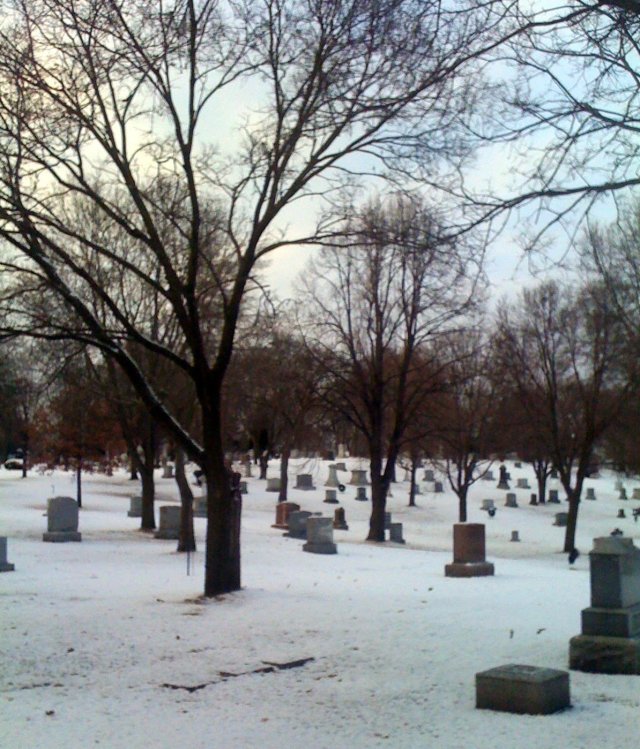
… past Lakewood Cemetery.

My “Lemondrop Grandpa”, my grandfather Orville, is buried here. Also Paul Wellstone and Hubert Humphrey.
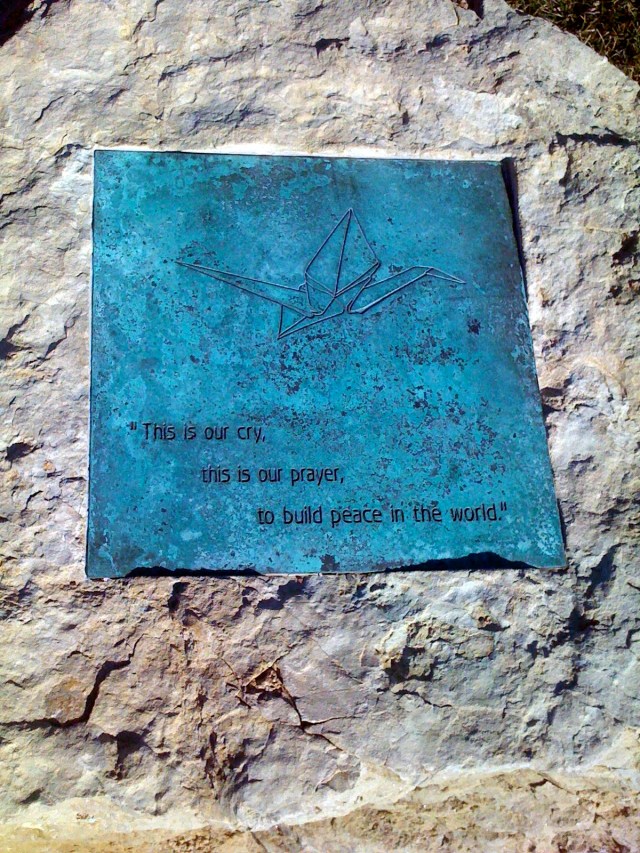
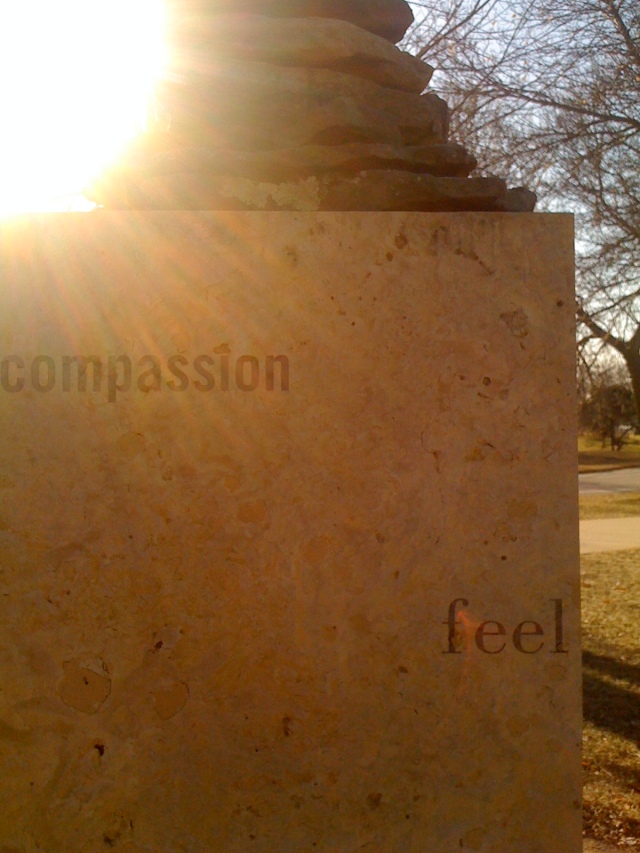
And then I run home, through the Peace Garden.
This Blogger Space always gives me inspiration.  And then I sit down and I write.
Wanna show off your digs? Participate in Blogger Space! Send a photo of your space, a blurb about why you write where you do, and a link to your blog to divorcedpauline@aol.com.