“So Shines A Good Deed In A Weary World”

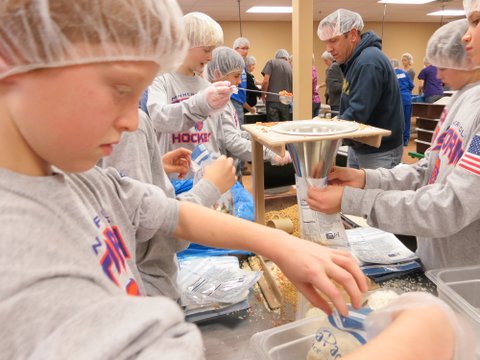
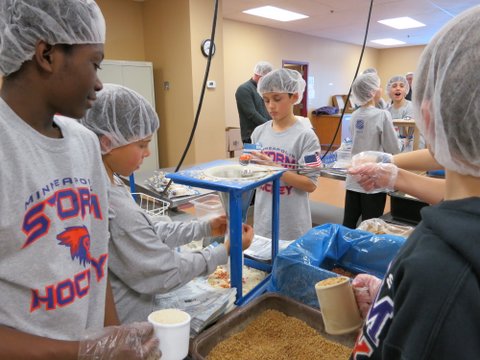
Packing meals to be sent to Haiti.

I spent the last few hours of a waning 2012 with my son Simon’s hockey team.  Not on the ice, but instead in the nondescript, suburban warehouse where his Squirt hockey team was volunteering for a service project.  In just a couple of hours, Simon and his teammates (and the dozens of other volunteers who were there that afternoon) packed more than 5,000 packets of meals for children in Haiti.

It was a small act, but it will have a tangible impact on the lives of some others, kids we don’t know and will never meet.  On the way home, with the radio droning on about Congress and the looming fiscal cliff, Simon talked about what he had learned that afternoon about malnutrition and hunger.   “Don’t you think that was a good time?” he asked.  “I feel good about doing something to help out.”

It reminded me of one of my favorite lines from the movie Willy Wonka & The Chocolate Factory.

“So shines a good deed in a weary world. ”  ~ Willy Wonka

In looking up the quote, I realized that it in fact a reference to a line from the Merchant of Venice.

“How far that little candle throws its beams! So shines a good deed in a naughty world.”  ~ William Shakespeare

I don’t usually make New Year’s resolutions.  I figure if something is important enough to take action, I should just do it regardless of the time of year.  But this New Year’s Eve volunteer experience with my son, while brief, makes me think that I should make a resolution for 2013.  This year, I will be on the lookout for opportunities to do good deeds, both small and big, at home and abroad, acknowledged and unacknowledged.   In 2013, I resolve to see how far a little candle can throw its beams.

storm 2

10 More Things to Do With Your Kids on Human Rights Day!

Last year for Human Rights Day, I wrote a post for World Moms Blog on 10 Things To Do With Your Kids on Human Rights Day.  The date of December 10 was chosen to honor the United Nations General Assembly‘s adoption on 10 December 1948 of the Universal Declaration of Human Rights (UDHR), the first global statement of international human rights principles.  But ten things are not enough, so here are a few more ideas for simple and meaningful activities to do with your kids on Human Rights Day (December 10) 2012.

Screen shot 2012-12-07 at 1.31.52 PM

1.  Make a one minute video showing what “It’s About Ability!” means to you, whether in the world at large or to you personally. The deadline for the It’s About Ability youth video contest on children with disabilities is December 15, 2012.  But even if you don’t enter the contest or make a video, you and your kids can learn about and discuss the rights of children with disabilities by reading the “Thoughts for inspiration” in the contest guidelines and this simple explanation of the Convention on the Rights of Persons with Disabilities (which also includes more ideas for things you can do to change attitudes and rules so that children who have disabilities can go to school, play and take part in activities that every child wants to do.)  The Learning Guide to the Convention of the Rights of Persons with Disabilities, designed to empower kids ages 12-18 to advocate for the rights of persons with disabilities, can be found here.

2.  Make a World Wishes Dove with your family.  Cut feathers from white paper or colored construction paper.  Have everyone in the family decorate and write their wish for the world on a feather.    Cut out the body of a dove or other bird and glue all the feathers on it.  Once decorated, your bird will be a beautiful and hopeful expression of your family’s hopes for our world.

Template for a doveImage Source
Template for a dove
Image Source

Thankful turkey

(Note: this project was inspired by the Thankful Turkey at my daughter’s school.  You can read more about that here.)

3.  Learn about the challenges that children living in poverty face have overcome to succeed in school.  Play the United Way‘s PASS THE GRADE  game.  In honor of the first  Giving Tuesday on November 27th, The Greater Twin Cities United Way launched a fun, educational online game called PASS THE GRADE.  (My friend ThirdEyeMom wrote about PASS THE GRADE; read her post here.)

4.  Watch some UNICEF Cartoons for Child’s Rights together.  Cartoons for Children’s Rights is a UNICEF broadcast initiative that aims to inform people around the world about children’s rights. The effort has forged partnerships with many well-known animation studios that have developed more than 80 half-minute public service announcements based on the articles of the Convention on the Rights of the Child. Each PSA illustrates a right described in the global rights treaty, such as ‘Freedom from Child Labour’ or ‘Protection from Neglect’. All the spots are non-verbal, in order to get the rights message across to everyone, regardless of language. The spots have aired on more than 2,000 television stations globally.  Links to the top 10 can be found here.

5.  Do an anti-bullying activity together like Sticks and Stones from Teach Peace Now.   Ask your child what think about the saying  “Sticks and stones can break my bones, but names can really hurt me.” Have they heard another version of this saying? Which is truer?  Have they ever had someone say something to them that hurt their feelings. Has someone ever hurt them physically or tried to scare them or one of their friends? Have they ever hurt someone by something they said or did? You can give a personal example of a time you were a victim or a witness to bullying or hurt someone’s feelings. You can also read a book about bullying like This is Our HouseHey, Little Ant, Mr. Lincoln’s WaySay Something, or Simon’s Hook.

Give each child some light gray paper “stones.” Have your kids write a behavior that could hurt someone or make them feel bad such as calling someone a name, or tripping someone. Younger children can draw a picture.  Have them wrinkle up the “stone” and then try to smooth it out. Explain that once someone has been hurt, it is never forgotten. You cannot remove the hurt. The wrinkles will always be there.

Hang stones on wall to create a wall of intolerance or sit in a circle and pile the rocks up in the middle. Ask the kids to think about ways to prevent these bad things from happening. You can make a list together of ideas.

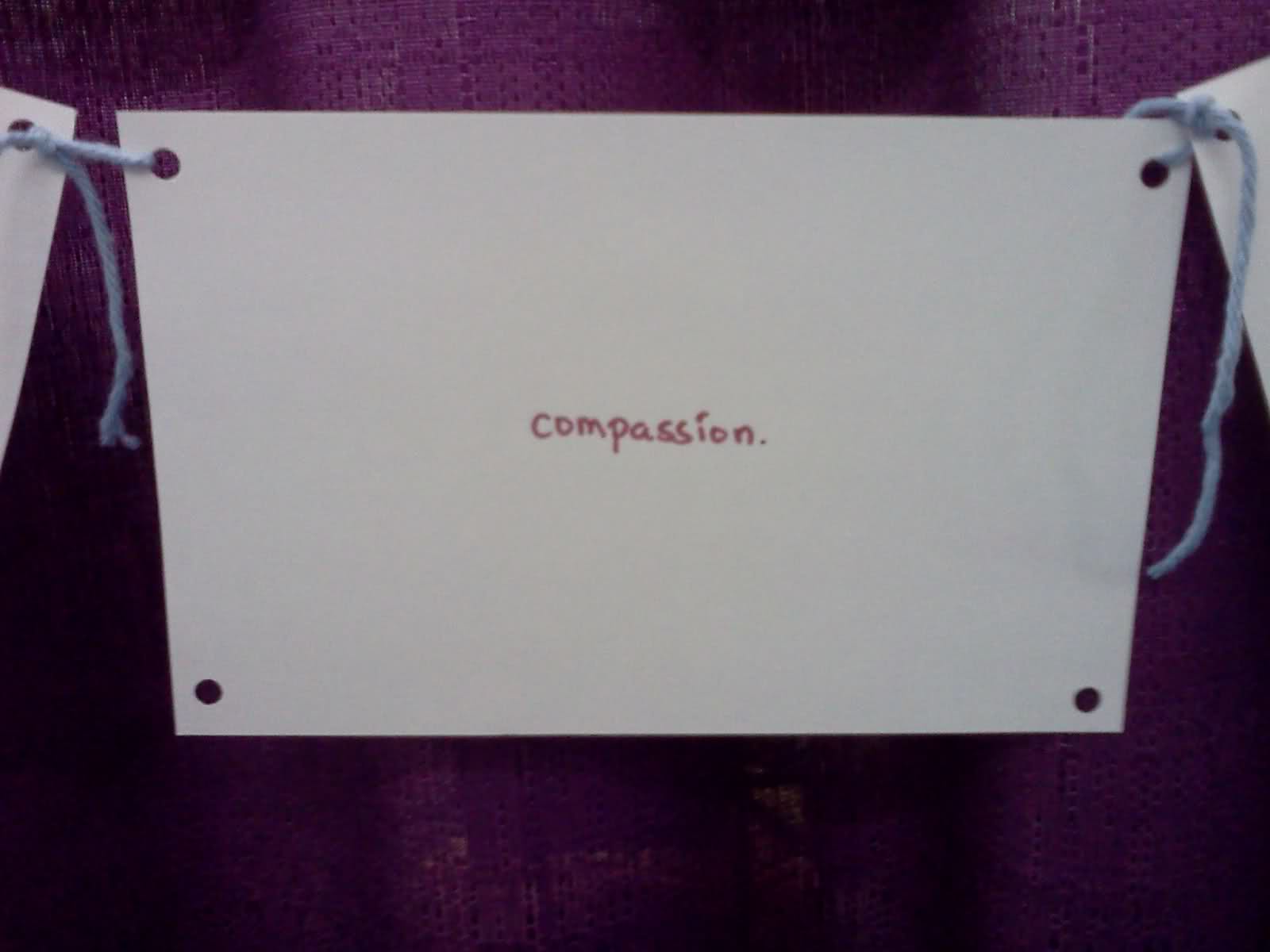
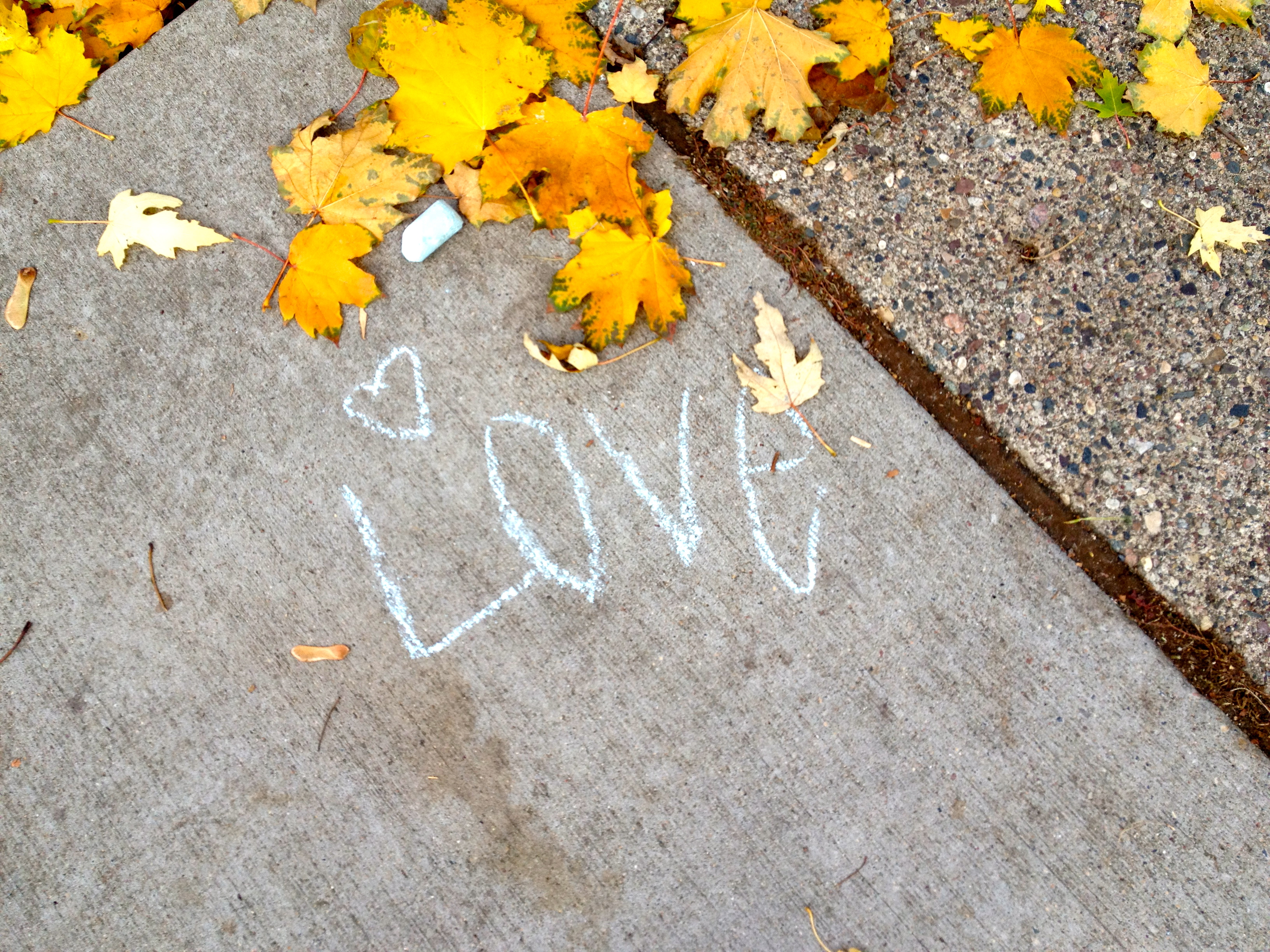
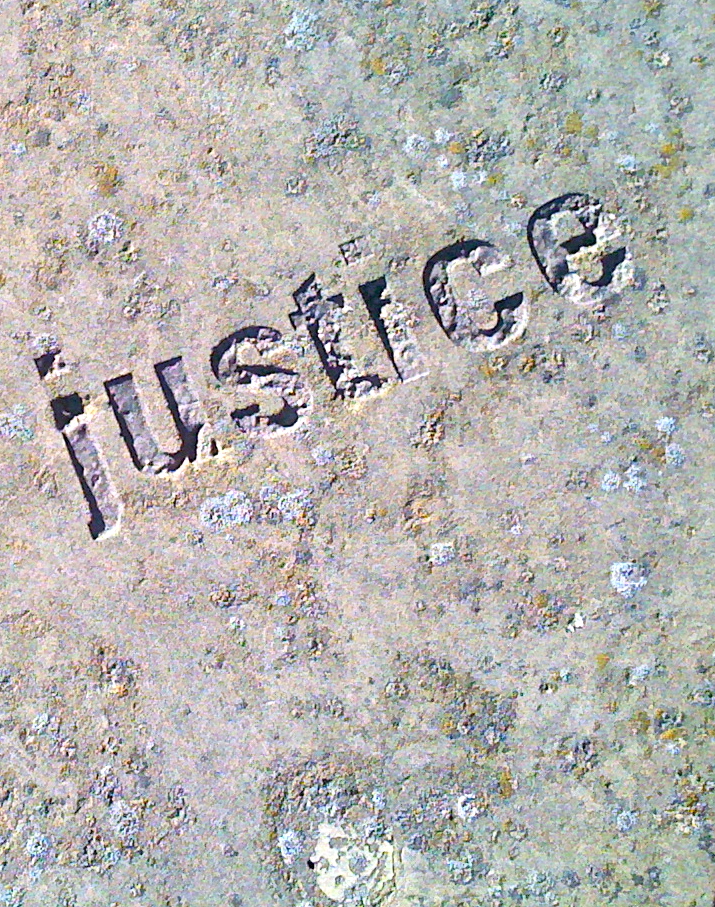
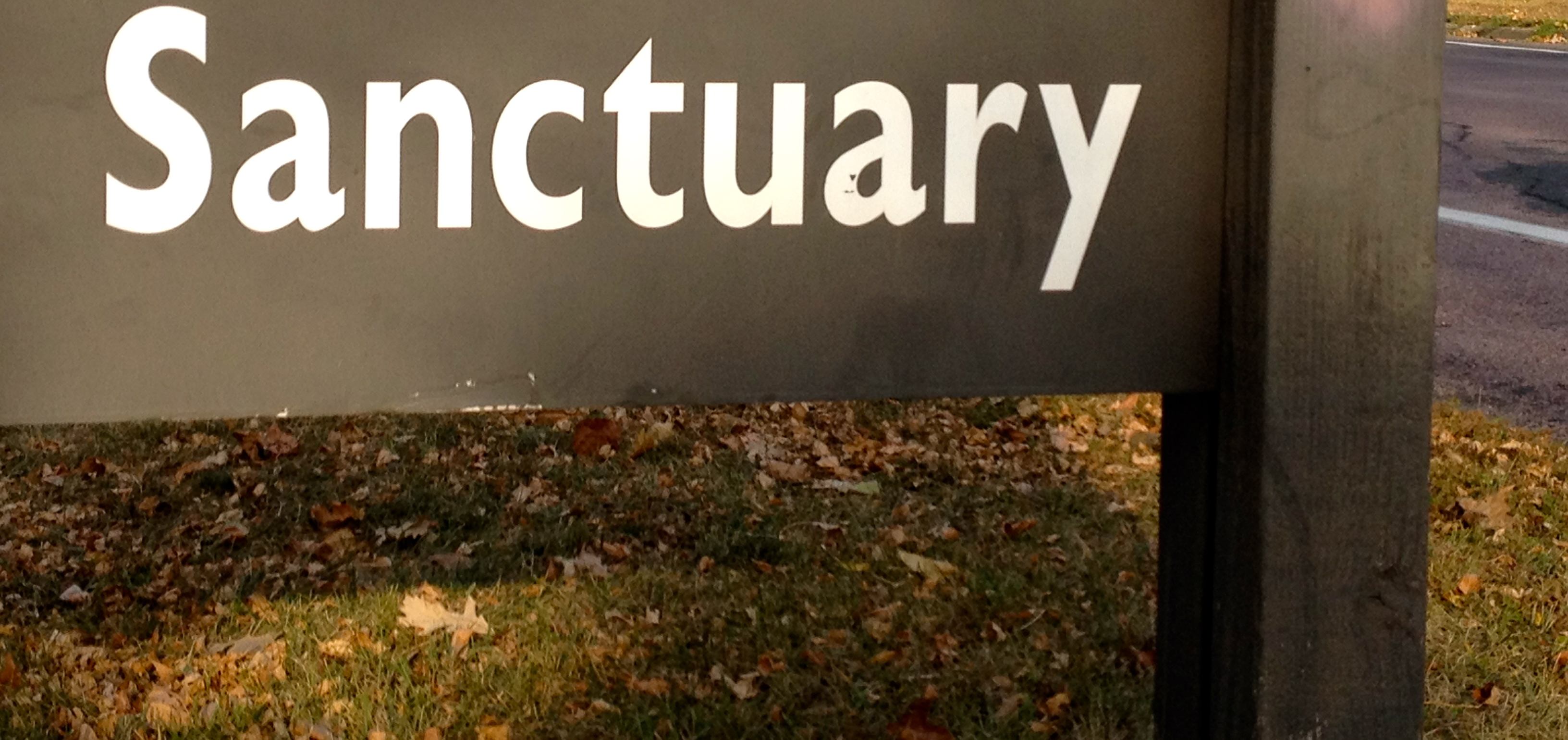
6.  Go on a hunt for the human rights words around you.  Human rights is not about complicated concepts; human rights is about the core values that everyone needs to live fully in this world.  In talking about human rights with my own kids, I realized that I needed to start with the basic building blocks of language: words. Read more about how, once I realized that, I started to see human rights words all around me in HUMAN RIGHTS: Speaking The Language.

Love

7.  Start a tradition of doing a family service project on Human Rights Day.   There are many opportunities to volunteer, such as preparing and serving meals at a local homeless shelter.  The Lappin family has done this for two years in a row now in their community in Washington state.
Lappins
Dad Nathan describes it as “Such a humbling and at the same time rewarding experience. Feels really good to concretely help others and appreciate what we have as well. Our kids did a great job helping and participating, and interacting with the kids we were hosting.”
Lappins2
Even if your family isn’t able to volunteer in an established project, you can still do something as a family to address the economic and social rights in your community.  For example, put together care packages with warm socks or mittens, a water bottle, individually wrapped snacks (and maybe even decorate a card to stick inside) and offer them to homeless men and women who you may encounter during the day.  Or have your kids decorate a few grocery bags and fill them with non-perishable food items, then bring your kids with you when you drop them off at the food shelf.
Most importantly, spend some time talking with your kids about your family’s service experience.  Talk about what you did and why you did it. Ask your kids, “How did it feel?” and “What did you learn from doing this project.”
8.  Play a game that helps kids understand human rights.  Blind Trust (from ABC – Teaching Human Rights):  In pairs, have one child blindfold the other and have the sighted member of the pair lead the “blind” one about for a few minutes. Make sure the leading child is not abusing the power to lead, since the idea is to nurture trust, not to destroy it. The “leader” of the pair should try to provide as wide a variety of experiences as possible, such as hav- ing the “blind” partner feel things with his or her feet or fingers, leading with vocal directions or even playing a game. After a few minutes have the children reverse the roles and repeat the process so that the “leader” is now the led, and the “blind” partner is now the sighted one.

Once the activity is over, allow the children to talk about what happened. Discuss how they felt – not just as “blind” partners but their feelings of responsibility as “leaders” too. This can lead not only to a greater awareness of what life is like for people with sight (or hearing) disabilities, but to a discussion of the importance of trust in the whole community. This can lead in turn to a discussion of world society, how it works and how it can fail to work too.  (teaches about Universal Declaration of Human Rights article 28; Convention on the Rights of the Child articles 3, 23)

9.  Ask the question “What Does a Child Need?”  Have your child lie down on a large piece of paper and trace their outline on the paper.  Ask your child(ren) to name this paper child. Discuss and decide on the mental, physical, spiritual and character qualities they want this ideal child to have as an adult (e.g. good health, sense of humour, kindness) and write these qualities inside the outline. They might also make symbols on or around the child to represent these ideal qualities (e.g. books to represent education). Talk about what human and material resources the child will need to achieve these qualities (e.g. if the child is to be healthy, it will need food and health care); write them down on the paper outside of the outline.  You can also read a simplified version of the Convention on the Rights of the Child.  When children hear an article that guarantees a child each of the needs they have listed, they can write the number of the articles next to that item. Circle any needs identified but not covered by the Convention.

10.  Check out the Amnesty International You Tube channel.  Amnesty has uploaded more than 500 short videos on a wide variety of global human rights issues. Many videos are in multiple languages, including Spanish and Arabic.  (Given the subject matter, many are more suitable for older kids and teenagers than younger kids. Be sure to preview for anything that might be upsetting to your own children.)

The Price of Silence – A music video that brings together 16 of the worlds top musicians—some of whom have fled oppressive regimes—in a rousing musical plea to guarantee human rights for all.

Wyclef Jean sings One Love in this slideshow about Children’s Rights

 ADDITIONAL RESOURCES:  You’re on your way to a great Human Rights Day!  If you are a classroom teacher or homeschooling your kids (or if you just want to dig deeper), you can find tons more ideas through the following resources:

MY 2013 HUMAN RIGHTS DAY POST HUMAN RIGHTS DAY ACTIVITIES TO DO WITH YOUR KIDS

MY 2014 HUMAN RIGHTS DAY POST HUMAN RIGHTS DAY ACTIVITIES FOR YOU & YOUR KIDS

ABC – Teaching Human Rights – practical activities in English, French, Russian, Arabic, Chinese, and Spanish

The Advocates for Human Rights’ Discover Human Rights Institute – human rights education lesson plans and curriculum

Human Rights Here and Now  – human rights lesson plans and resources

Raising Children With Roots, Rights and Responsibilities – activities for preschool and young elementary children

UNRIC’s Human Rights Education website –  great source for multimedia on human rights!

The Thankful Turkey

It is Thanksgiving Day here in the United States.  This uniquely American holiday is supposed to remind us of all that we have to be thankful for, both as individuals and as a nation, but I fear that this sometimes gets lost in our collective national appetite for overindulgence (we don’t stop eating until we feel remorse) and entertainment (Macy’s Parade, football, holiday TV specials).  That we carry out these traditions in the company of our closest friends and family members is important and perhaps even the saving grace of the day, but have we lost the true spirit of Thanksgiving?

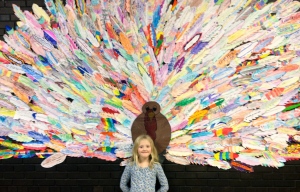
I was at my daughter’s school last week for Turkey Bingo. At this event, 25 lucky families won a turkey.  We did not, although we came within a B11 of winning.   As we were leaving, she grabbed my hand and said, “I want to show you something.” She led me out into the hall to a giant, colorful turkey on the wall.  She explained that each of the students had written what they were thankful for on a feather.

The thoughts expressed on the feathers give a picture of the typical things for which the average American kid is thankful.  I saw feathers that said things like:

“I am thankful for friends and family.”  “I am thankful for my mom.” “I am thankful for my sisters.”

“I am thankful for my grandma and grandpa.” “I’m thankful for my daddy.”

Other feathers said things like:

“I’m thankful for my cat” and “I am thankful for my xBox.”

I noticed a couple of feathers, though, that said things like:

“I’m thankful to be here”  and “I am thankful for America.”

“I am thankful to live in a place with no war.”

My daughter goes to a school that has a large number of English Language Learner students.  Many came to this country as refugees from Somalia or other countries in East Africa, but she also has friends who came to this country as refugees from Tibet or were adopted from orphanages in China.  There are also kids at her school from Central and South America.

Sometimes we forget that the Pilgrims were refugees.  In England, they were persecuted on account of their religious beliefs.  They took the tremendous risk of coming to this new land in order to be free to practice their own religion.  And giving thanks for their freedom was a big part of the first Thanksgiving.

As I looked at that turkey on the wall of my daughter’s school, I had a moment of inspiration. When all of those individual feathers, childishly and colorfully decorated, are put together, you get a lovely image.  But you also get much more.  When all of those truthful and thankful thoughts are put together, you feel the true spirit of Thanksgiving.

And that is the inspiration and the spirit in which I hope to celebrate this holiday.

Happy Thanksgiving to you and yours, from me and (one of) mine!

HUMAN RIGHTS: Speaking the Language

I’m over at World Moms Blog with this post today.  Check it out!

Sometimes I have trouble finding the words to talk to my kids about the violence that hear about in the news, the injustices that they see in our own community.  As a human rights lawyer, it is my job is to document and expose human rights abuses. But I have always struggled with how to communicate to my kids what human rights are and why they should care about them.

Recently, however, I was preparing for a project that involved interviewing children about their experiences.  Experts advise that interviewers use simple language when speaking with children about difficult topics.  “Simple language” means avoiding big words, of  course, but it also means using simple, direct sentences.  Straight-forward grammar – subject and predicate in sentences; basic speech parts – nouns and verbs and adjectives.  I suddenly realized what I was doing wrong in talking about human rights with my kids. Rather than explaining complicated concepts, what I needed to do was break it down to the core values that everyone needs to live fully in this world. I needed to start with the basic building blocks of language: words.

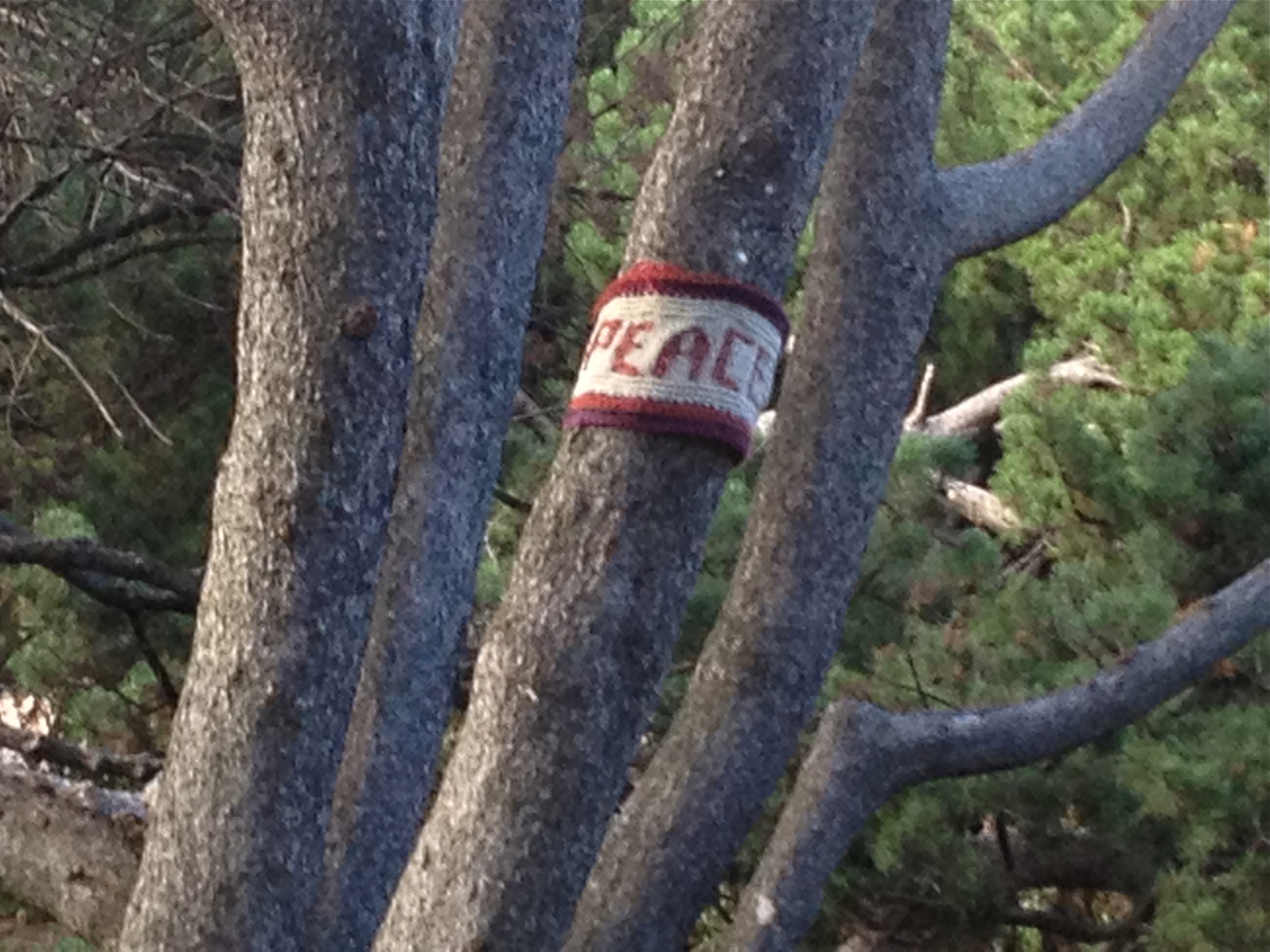
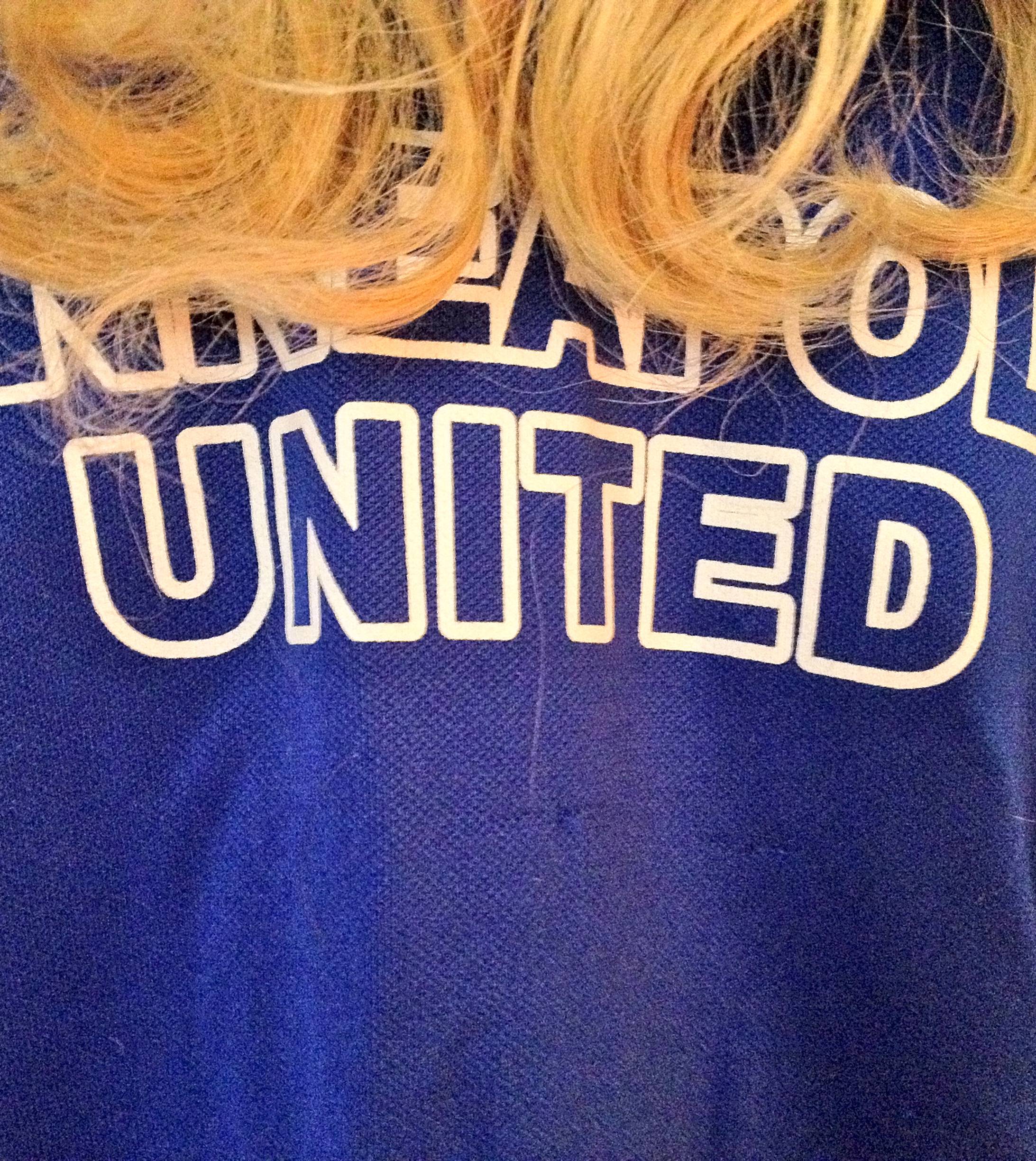
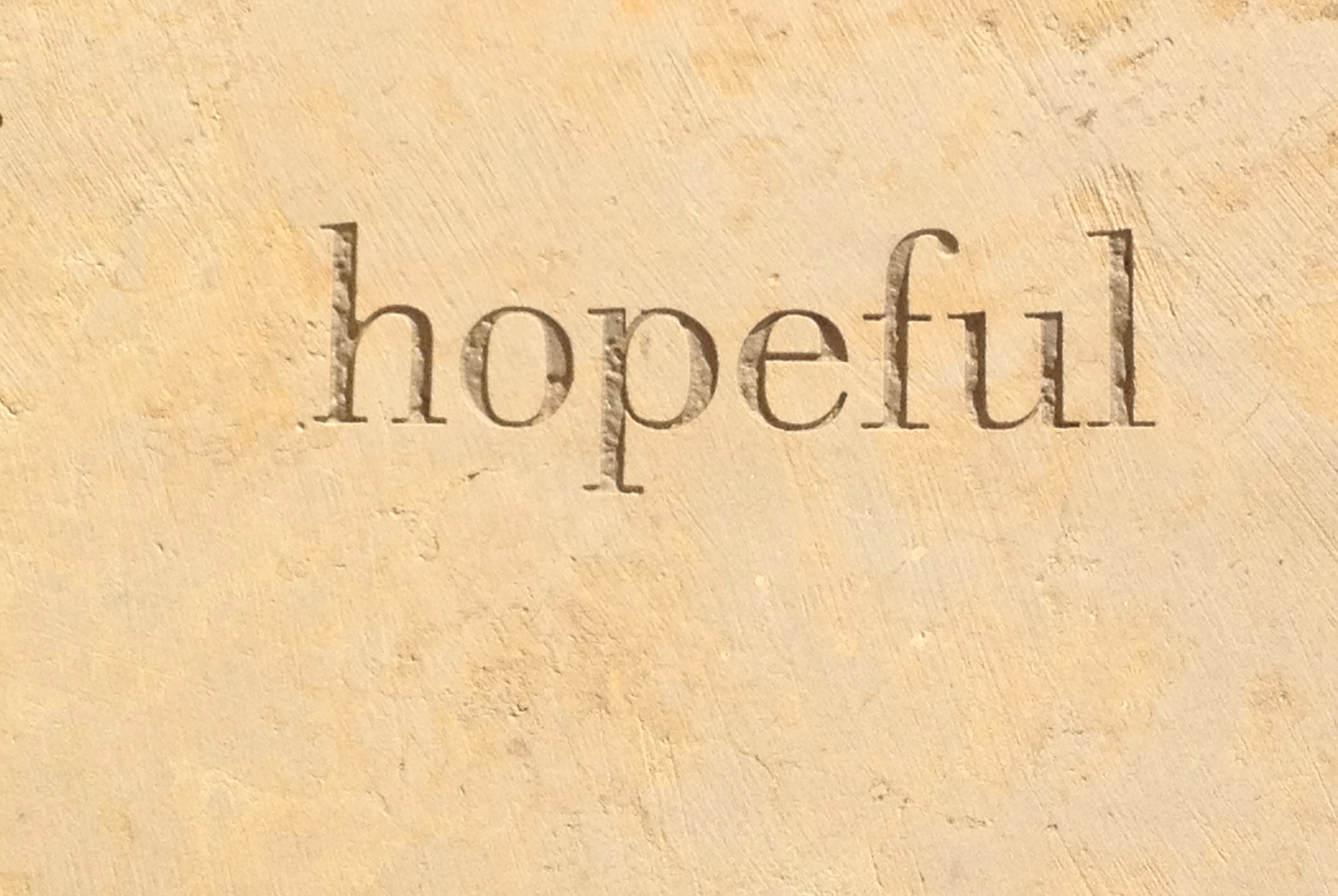
Once I realized this, I started to see human rights words all around me!  Words like:

and

and

Verbs like

and


and

and

Nouns were all around me!

and

and

and

I saw adjectives, too!

and

I started pointing out these words to my daughter, who is seven. Just last week, she was running past the table in the entryway where we put our mail.  Suddenly, she came to a screeching halt in front of the stamps.

“Look, mommy,” she said.  “The stamps are speaking the language of human rights!”

My daughter was exactly right.  The stamps said: equality, justice, freedom, liberty.  Powerful words that convey basic human rights concepts.

What human rights words do you see around you? Take a picture and post them on the World Moms Blog facebook page.

We can’t wait to see the human rights words in your community!

Weekly Photo Challenge: A Parable of Renewal

I practiced asylum law for the first seven years of my career, representing refugees who were fleeing persecution and human rights abuses in their home countries and seeking safety in the U.S.  These are people who are not easy to forget and whose stories shouldn’t be forgotten.  Many of their stories – the details of their lives, their losses, their dreams – have stayed with me over the years.  The remarkable thing about the refugees I have known is not only their ability to survive incomprehensible losses, but also the strength and hope and determination they have to remake their lives in an entirely new country.  To learn new skills, speak new languages, adapt to new cultures.  To me, the refugee experience symbolizes this week’s Photo Challenge theme:  Renewal

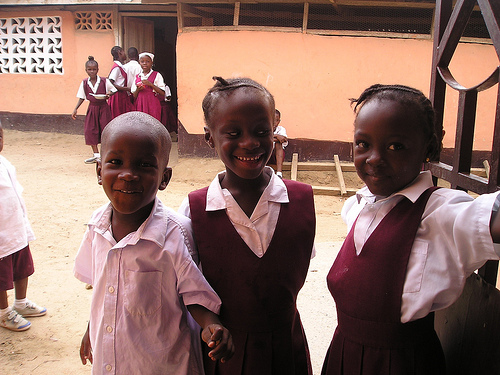
 The picture above was taken in Buduburam Refugee Settlement in Ghana, which I visited three times between 2007 and 2010. Buduburam was home for 20 years to more than 30,000 Liberians who fled the bloody conflict in their West African country.  Officially closed this year, Buduburam was a small, bustling Liberian city in the countryside outside of Accra.  Life was hard on the camp, where refugees even had to pay for water to drink and for access to the latrines. To improve their opportunities, many of the refugees at Buduburam enrolled in skills training courses; the photo shows some of classes offered by the New Liberian Women Organization (macrame being one of them, as you can also tell by the colorful plant hangers).  Even in a time of limbo, the refugees at Buduburam were striving for renewal. Those refugees who could afford it sent their children to school as education offers a chance for a new life.

I still hold many former asylum clients in my heart. I’d like to share the story of one refugee family I represented.  For me, it is a parable of renewal.

 James and Julia (not their real names) had been politically active in their native Kenya. Julia, in particular, had been very active in speaking out against an oppressive government.  They had a young son, who I’ll call William, who had huge, solemn eyes.  When the police came to their house to arrest Julia, a police dog bit William on the head. You could still see the jagged scar on his scalp more than a year later when, having left everything they owned behind to escape Kenya, they were seeking legal assistance with their asylum claim in the U.S.  

 In police custody, Julia had been brutally beaten.  She was also repeatedly raped in custody, including with objects such as the muzzle of a rifle and a Coke bottle.  This testimony was critical to the success of their asylum case, so we had worked with Julia to prepare her to tell her full story, with as much accuracy as possible and as many details as she could remember.  “Just tell the truth about as much as you can remember of those weeks,” I urged. We all knew it would be painful.

 Julia testified about her experiences in a straightforward manner and in excruciating detail, but with such poise and dignity that both the asylum officer and I were in tears. Asylum officers are specially trained federal officials who make decisions about asylum cases based on a written application and an in-person interview.  During my time practicing asylum law, I rarely saw an asylum officer actually cry during an asylum interview. 

 I remember well how James sat next to her, utterly still. Not touching her, not looking at her, but supporting her as she spoke. Anguish is the only word that could possibly describe the look on his face as he listened to her testimony.  I had to look away. Even in my role as their attorney, a role which requires a special intimacy, I felt the need to give their family some small space of privacy as they recalled those terrible days.

 Years later, after they got their citizenship, James and Julia had a party to say thank you to all of the people who had helped them. In addition to their attorneys, there were people from their church and other members of the Kenyan community. They now lived in a big, new house out in the suburbs. Julia was close to graduation from nursing school. William, who I hadn’t seen since he was three, was now in middle school.  He was a straight-A student and talented musician who had just gotten braces.  They had another child, too – a daughter born here in America. She was wearing a pink tutu.

It had taken a lot of hard work for James and Julia to get to where they were.  They had experienced many challenges and frustrations with adapting to life in this strange, new country.  But they persisted and, through sheer effort and determination and a bit of creativity, slowly but steadily they moved forward, finding healing for themselves and building a new life for their family.   It wasn’t easy, but James and Julia had managed to make something new out of nothing. 

Mind The Gap: Would You Bring Your Child(ren) To Work?

The current Weekly Writing Challenge got me thinking about children in one of the most adult-oriented of all places – the workplace.  Yes, I admit that I have brought each of my three children to work with me at various times, usually because of an unlucky confluence of sickness and pressing work deadlines.  It certainly isn’t my first choice, but in my experience it has worked out fine for short periods of time.  (Unless you count the unfortunate incident when my co-worker Peder accidentally got his finger chomped by my oldest son, who was teething.  New baby teeth are razor sharp. Peder claims that he saw stars, just like in the cartoons.)

But whether or not to bring children to work is an issue that many working mothers have grappled with at one time or other.  It is, in fact, the issue that has made European Parliament Member Licia Ronzulli so popular with moms like me. The photo above, taken in September 2010, of Ms. Ronzulli at work with her baby has made her a cause célèbre for working mothers around the world. 

Although she doesn’t bring her daughter to the European Parliament regularly, there are other photos of Ms. Ronzulli and her daughter Vittoria.  During a vote on the Eurozone debt crisis on February 15, 2012, reporters snapped several photos of Vittoria with her mom at the European Parliament.

Now two years old, Vittoria was back in Strausborg – and the European media – just this week. I think that the reasons that these photos resonate so much with moms here in America is that they symbolize so perfectly the work-family balance that all of us working moms struggle with every day. Ms. Ronzulli’s employer, the European Parliament, has rules that allow women to take their baby with them to work. Unfortunately, this is just not an option for most working moms. So we share the photos on Facebook and hope for a day when working mothers have better support. 

Support such as adequate parenting leave, for example, is important.  But Ms. Ronzulli herself was entitled to a parenting leave, but chose to take only 1 month of it.  She makes the point that it is about personal choice.  In 2010, she told The Guardian “It’s a very personal choice. A woman should be free to choose to come back after 48 hours. But if she wants to stay at home for six months, or a year, we should create the conditions to make that possible,” she said.   

I think that Ms. Ronzulli is right. I think that we should create the conditions to make it possible for a woman to choose the best thing for both her family and her career.  Sometimes, that might mean bringing the kids to work with her.  (And yes, I think this goes for dads as well.)

So what do YOU think?


INTERNATIONAL DAY OF THE GIRL: Kanchi’s Story

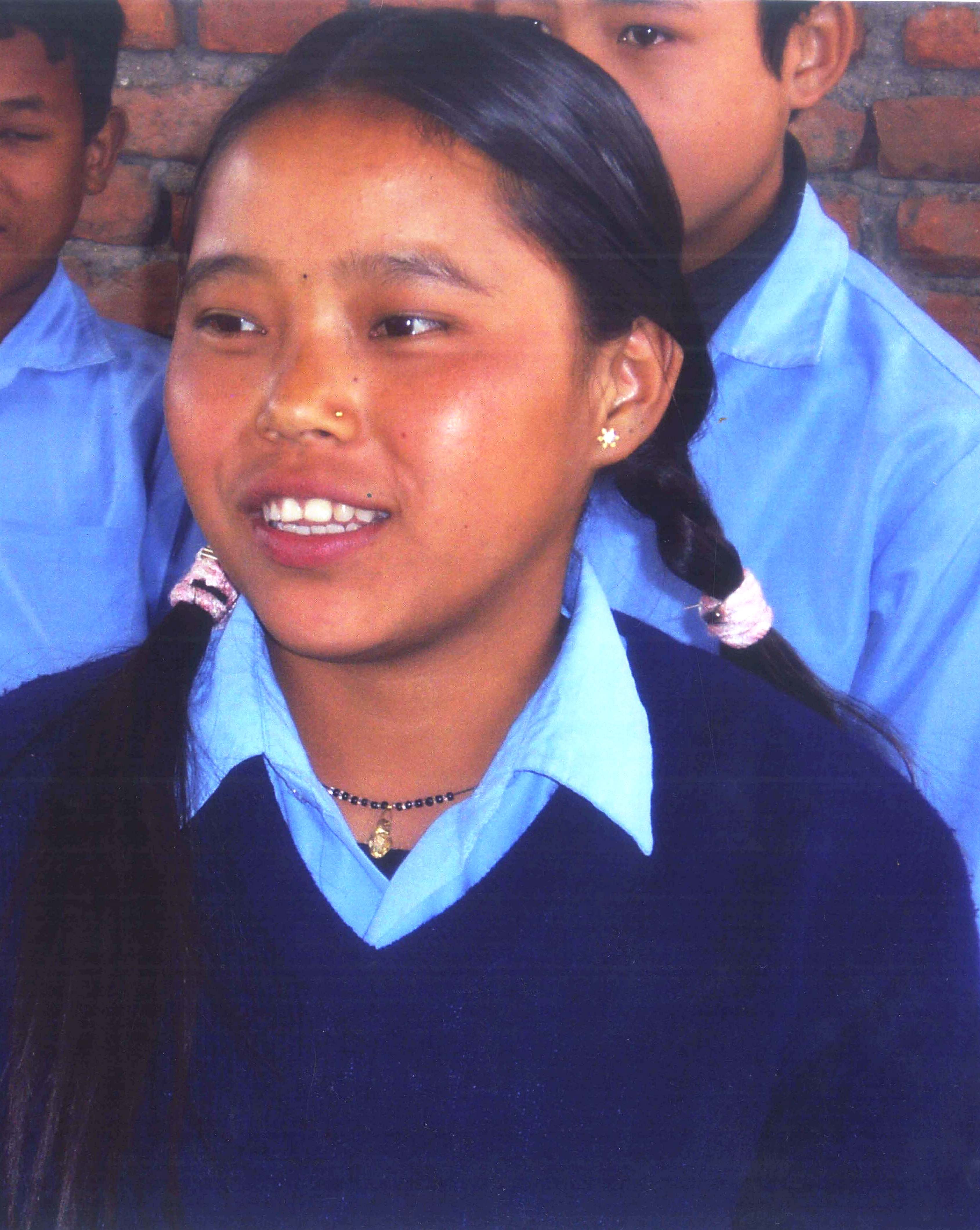
Every morning when I come into work, I am greeted by the smiling face of a young girl. Her hair is pulled neatly back into two braids, glossy black against her pink hairbands.  Her eyes, dark and alert, shine at me – I swear I can see them twinkle.

She wears the blue uniform of her school, the Sankhu-Palubari Community School in rural Nepal.  The Advocates for Human Rights supports the school to provide the right to education to the most disadvantaged kids in the area and to prevent them from becoming involved in child labor.  Photographs from the school hang on the walls of our office, reminders to us of the lives that we impact with our human rights work.

Even though I see her every day, until last month I had never met this cheerful young girl, a girl whose smile – even in a photo – comes from her core, seems to light her entire being. Until last month, I did not know that her name was Kanchi.  And I had never heard her incredible story.

*****

In 1999, Kanchi was six years old.  She lived with her family in a village in the Kathmandu Valley.  Her parents were poor farmers; they had only a little land and some cattle and they struggled to feed their family.  Kanchi was the youngest of six sisters.  She and her sisters (and also her  brother) had to help their parents in the fields and with household chores.  Kanchi’s job was also to take the cattle to the forest to graze.   Kanchi did not go to school.   There were many children in Nepal that did not go to school at that time, but girls, like Kanchi, were more likely than boys to work rather than go to school – particularly in rural areas like the Suntole district where she lived.

Kanchi was a very smart and determined little girl.  She wanted to go to school.   So when she heard that a new school was opening in the Sankhu-Palubari community – a school for kids who were not able to go to school because they couldn’t pay or were discriminated against – she was very excited.  She rushed off to tell her parents.  But her parents, who had never themselves been educated, were not as excited as Kanchi.  Why should they let her go to school?  Who would help feed the family? Why should they send her to school if she was only going to get married in a few years anyway?

Kanchi says that she cried for a month and begged her parents to let her go to school.  One day, teachers from the new school came to visit Kanchi’s parents to talk to them about the school. The teachers explained that it would help THEM if Kanchi could read and write.  They explained why it was important for all children to go to school, even girls.  They told them that all children – even the poorest, the lowest-caste, members of indigenous groups – had a right to education.

Kanchi’s older sisters, who had never had the opportunity to go to school, took her side. Instead getting an education, they had all married young and were working in the fields.  Kanchi’s sisters argued that Kanchi should go to school, take this opportunity for a life that would be different from theirs.  Finally, their parents agreed to let Kanchi go to school.

Kanchi started at the Sankhu-Palubari Community School in 1999, one of 39  students in the first kindergarten class.  To get to school, Kanchi had to walk one and a half hours each way.  There were many other obstacles along the way, too.  At various times, her parents wanted her to stop school and help them with farming.  But she stayed in school and worked hard. She told her parents,  “I want to do something different from the others.”

Kanchi liked her teachers and felt supported by them.  She felt that the best thing about the school was the teaching environment.  She stayed in school and was one of only two girls in the first class to graduate from 8th grade.  She continued on to high school and completed 12th grade at  Siddhartha College of Banepa in 2012.  The first in her family to go to school, Kanchi is also the first girl from the Sankhu-Palubari Community School to graduate from 12th grade.

I met Kanchi for the first time in September.  Almost exactly 13 years after this brave little girl started kindergarten, she is a lovely young woman who is preparing for her university entrance exams.  She plans to study agriculture  starting in January.   Her parents are proud of her and they are happy now – she has chosen the family profession – but Kanchi is interested in learning more about organic farming so she can bring techniques back to her village.  “I want to live a healthy life and give a healthy life to others,” she says.

Sitting in the principal’s office at Sankhu-Palubari Community School, I asked her what the school meant to her.  Kanchi said, “I gained from this school my life.  If I hadn’t learned to read and write, I would be a housewife.”  When asked about her sisters, she told me that they had made sure to send their own children to school.

In her free time, Kanchi likes to sing and dance and make handicrafts to decorate her room.  She likes to play with her sisters’ children.  She has a smile that lights the whole world.  She told me her nickname, Himshila.  She smiled when she told me it means “mountain snow, strong rock”.  Strong rock.  That seems just about right.

*****

October 11, 2012 is the first International Day of the Girl Child.  The United Nations has designated this day to promote the rights of girls, highlight gender inequalities and the challenges girls face, and address discrimination and abuse suffered by girls around the globe.  In many ways, the story of Kanchi and her sisters reflects the experience of girls in many countries throughout the world.  All over the world, girls are denied equal access to education, forced into child labor, married off at a young age, pressured to drop out of school because of their gender.

There are many good reasons to ensure access to education for girls like Kanchi, however. Educating girls is one of the strongest ways to improve gender equality.  It is also one the best ways to reduce poverty and promote economic growth and development.

“Investing in girls is smart,” says World Bank President, Robert Zoellick. “It is central to boosting development, breaking the cycle of intergenerational poverty, and allowing girls, and then women—50 percent of the world’s population—to lead better, fairer and more productive lives.”

The International Day of the Girl is a day to recommit ourselves to ensuring that girls like Kanchi have the chance to live their lives to their fullest possible potential.  To redouble our efforts to promote the rights of girls wherever they live in the world.   This first International Day of the Girl is also a day to honor girls like Kanchi.  A day to take the story of her success in one tiny corner of Nepal and shout it out, an inspiration for girls all around the world.  Girls like Kanchi with the strength, the bravery, the determination to change the world, but who  just need the opportunity.

Originally published on The Advocates Post.

NEPAL: Visiting the Sankhu-Palubari Community School

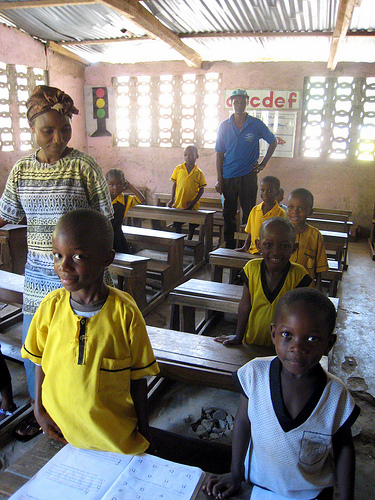
Some students walk – up to 2 hours each way – to the Sankhu-Palubari Community School to access their right to education.

I’ve been in Nepal for the past ten days with a team of staff and volunteers.  We are here to visit the Sankhu-Palubari Community School (SPCS) in the rural Kathmandu Valley.  The Advocates for Human Rights, the organization I work for, has supported the school since it was founded in 1999 to prevent child labor, encourage gender parity in education, and improve the lives and well-being of the most disadvantaged children in the area.  The school in Palubari village is only about 40 km outside of Kathmandu, but the peaceful, green valley in which it is nestled feels worlds away. The drive out is nerve-wracking (in the terrible Kathmandu traffic), then bone-jarring (on the bumpy, rutted roads). But the sight of these bright, alert children makes it all worthwhile.

In the United States, where education is both compulsory and free, we often forget that the right to education is not meaningfully available in many parts of the world – especially for girls.  The UN estimates that there were more than 67 million primary school-age and 73 million lower secondary school-age children out of school worldwide in 2009.  In addition, an estimated 793 million adults lack basic literacy skills. The majority of them are women.

Most of the students’ families work in agriculture.  They are farmers with little or no money to spare on school fees, uniforms and supplies.   Frequently, the adults in the family are illiterate. Many of them are from marginalized groups such as the Tamang. An indigenous group with their own culture and language, the Tamang students must learn Nepali as well as English when they come to school.  A pre-K program was added in 2011 to provide pre-literacy eduction to better prepare the students for school.

This week, The Advocates’ team has been conducting a site visit which includes interviewing students in grades 5 through 10 about their experiences at the school and their plans for the future.  It has been a treat to interview these kids and learn more about their lives, their hopes, their dreams for the future.

We’ve been inspired to hear from so many of the girls about their commitment to getting a good education. Since the school’s founding in 1999, the teachers have conducted outreach to parents and worked hard to encourage female students to attend and stay in school in spite of societal pressure to get married, work in the fields or enter domestic work.
Their efforts have definitely paid off.  While girls worldwide generally are less likely to access, remain in, or achieve in school, 52% of the students in K-8th grades at the school this year are girls. And a girl is at the top of the class in every single grade at SPCS.
Students had so much to tell us about their hopes and dreams for the future.  Some wanted to be doctors and nurses. Some wanted to be teachers. Some even wanted to be professional football (soccer) players! (Football is very popular here in Nepal, especially among boys. The Nepali national football championship is coincidentally going on right now in Kathmandu.  The national police team has won for the past three years.)  This student demonstrated for me his prowess at left forward.
The Sankhu-Palubari Community School may be a small school in a remote valley, but it is a place where the human right to education is alive and well, providing a better future for these children.  The impact that they have on their community, their country and – hopefully, the world – will be thrilling to watch.
Pre-K students enjoying their noodles at lunch.
7th graders in one of my English conversation practice small groups.
THIS POST WAS ORIGINALLY PUBLISHED IN THEADVOCATESPOST.
PHOTO CREDITS:  Robin Phillips, Jennifer Prestholdt and Laura Sandall
Jennifer Prestholdt is the Deputy Director of The Advocates for Human Rights

The Other Greek Crisis: Xenophobia and Mass Detention

Landing at Elefthérios Venizélos in Athens, you can’t miss the sprawling blue and gold IKEA near the airport.  While tourists arriving  in Greece may recognize the siren call of cheap and trendy furniture, they are not likely to notice that there are also detention centers in Athens.  The brand-new Amygdaleza migrant detention center was opened in April in western Athens, shortly before the election. There are plans to build many more detention camps – and quickly.  Greek police reported this week that they have arrested thousands and temporarily detained more than 17,000 migrants, mostly from Asia and Africa, since August 4, 2012.

I traveled to Greece for the first time in May.  I was there briefly and only as a tourist. I stayed in tourist areas, encountering very few Greeks who didn’t work in the tourism industry. Perhaps this is an occupational hazard, but I can’t help but look for human rights violations – even when I’m on vacation.   So I listened carefully when my brother, who had been living in Greece for some months, mentioned that recently the government had started arresting, detaining and deporting migrants.  In fact, the first 56 migrants arrived at the new Amygdaleza migrant detention center on April 29 – only a week before the national election. Undocumented migration had become a major issue in the May 6 election, with several parties pledging to crack down on migrants. Based largely on this issue, the far-right Golden Dawn party gained seats in Parliament for the first time.

While Greece may be idyllic for the foreigners who are tourists, many migrants and asylum seekers have a very different experience.

Since the early 2000s, Greece has been a major entry point to the west and Europe for migrants and asylum seekers from Asia and Africa.  Many of them cross the border with Turkey, which up until August was fairly porous.  By some estimates, a million immigrants live in Greece, which has a population of barely 11 million.  Add to this demographic change the deepening economic crisis and rising social tension and you get a volatile situation in which undocumented migrants and asylum seekers have become the targets of xenophobia.  According to a July 2012 report from Human Rights Watch, “Xenophobic violence has reached alarming proportions in Greece, particularly in the capital city of Athens.”

None of this was apparent to me when I was a tourist in Athens in May.  Even the economic crisis in Greece was surprisingly – shockingly, in fact – invisible.  I tried asking a couple of people about it.  People seemed annoyed with the politicians, but unconcerned that Greece would leave the Euro zone.   The waitress at the take-out place where I got my Greek salad just rolled her eyes when I asked about it.  “Try a FIX Hellas,” she said, proffering a pale Greek beer in a clear plastic cup.  “You can walk around with it.”  So I walked around Plaka like I was on Bourbon Street, thinking about the ironic name of my beverage. Lots of people were shopping.  The Barbie store was doing a particularly brisk business.

Later, I walked over to the Parliament.  Even though it was the middle of a workday, it was as still as a tomb.  I started to understand the Greek frustration with politicians.

I followed the news on the “other Greek crisis” after my return.  In early August, there was a mass crackdown on “irregular migrants”.  Greek authorities deployed 4,500 police around Athens to arrest and detain more than 7,000 migrants in less than 72 hours.    In another example of ironic naming, the Greek authorities called the operation Zeus Xenios after the Greek god of  hospitality and guests.  The Greek office of the United Nations High Commissioner for Human Rights expressed concern that legitimate refugees and genuine asylum seekers could be among those who are summarily deported, but the round-ups have continued.  On September 5, Greek police reported that 17,000 migrants have been temporarily detained in these round-ups, with 2,144 of them arrested. One of the concerns is that the ongoing sweeps target suspected migrants based on little more than their physical appearance; the proportion of temporarily detained to arrest numbers seem to bear that out.  In addition to the problem of arbitrarily detaining migrants, visits to some of the migrant detention centers have documented inhuman and degrading conditions. 

Of course Greece has the right to control migration, to set and enforce their country’s immigration laws.  But Greek authorities must comply with their international and European human rights obligations.  Above all, they should not arrest, detain, and deport foreigners based on appearance or ethnicity – in contrast to the the welcome received by an American tourist like me.  The left-wing main opposition Syriza party has been critical of the crackdown and claims that the migration issue is being used to divert attention from the more difficult and unpopular issues of the economic crisis and the spending cuts that the EU and IMF require in exchange for assistance out of the economic quagmire.  From my limited observation of the situation in Greece, I have to agree.

Hockey Moms

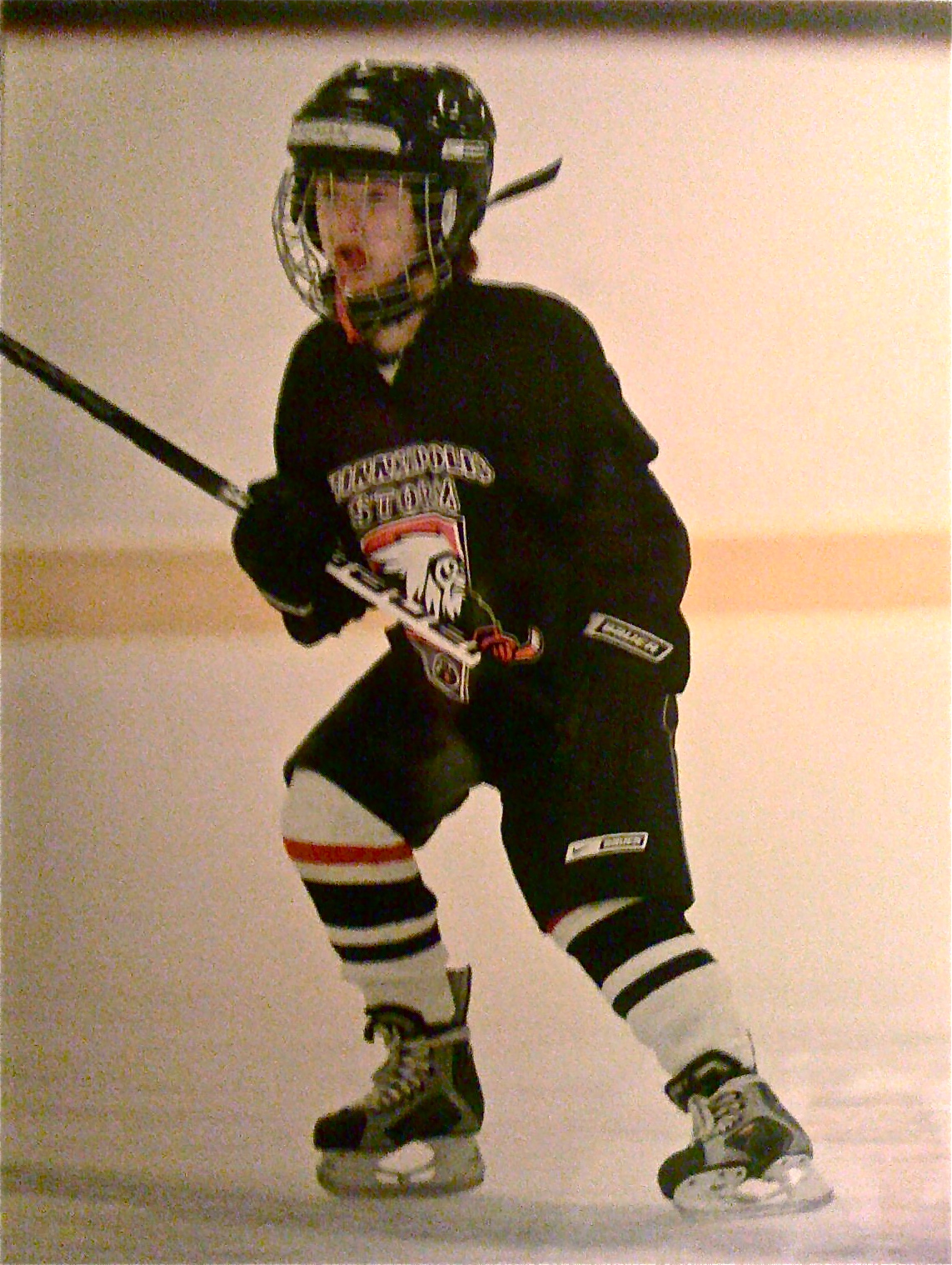
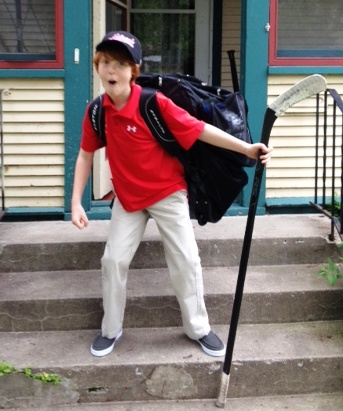
My 10 year old son comes out of the ice arena, swaggering despite the heavy hockey bag that he carries like a giant backpack. His hockey stick and waterbottle he wields before him like a rod and staff.  I’m sitting on a picnic table in the sun and, yes, I am facebooking on my iPhone. His cheeks are flushed, his bright ginger hair is damp-dark with sweat.  He has an announcement to make.

“I’ve got everyone but one kid on my team to be in favor of same-sex marriage.  AND two of the coaches.”

He beams at me. I can feel my jaw as it drops.

I’ll be the first to admit that I’m a terrible hockey mom.  I hate almost everything about the sport.  I’ve got two sons who play, so I did put a decent amount of effort into learning the basic rules and terminology.  I know what a “hat trick” is; I understand what it means when the refs call “icing” (and even the circumstances under which you would want to ice the puck).  But hockey is like an onion – and not just because the pungent smell of the hockey gear makes your eyes water. As you peel back the layers of hockey, you find kids shunted into the penalty box for obscure rules and quotes from Herb Brooks’  Miracle on Ice speech.

My biggest problem is that I grew up in the Deep South, so my natural impulse when winter strikes is to hibernate.  The whole concept of driving – in the cold – to sit – in the cold – to watch a sport played – on ice, in the cold – boggles my mind.  People always talk about the crazy ice times, but that has not been our experience so far. Checking is not allowed yet, and fighting is against the rules. Besides the expense, though, my biggest annoyance has been the hockey moms.

Let me be clear – I LIKE the hockey moms on my sons’ teams.  They are all urban Minneapolis moms like me who yell “Good job!” and “Nice try!” and “Better luck next time!”  My only problem with them is that they look more stylish than me in their cold weather attire, as I tend to focus more on function over style when it comes to winter.  It is the other teams’ hockey moms that bug me when, dressed from head to toe in team gear, they are yelling things like “Take him out!” and “Kill him!” or  applauding a player who sneaks in an illegal check. I see them almost always wrapped in team logo polarfleece blankets with one or more little shivering siblings clinging to them, each with their own garishly custom spray-painted cap that says “I don’t have a life! My brother plays hockey.”

Going inside to watch hockey on a cold winter day is one thing.  Going inside to watch hockey on a beautiful summer day is completely inconceivable to me.  But here in Minnesota, hockey is a year round sport.  Serious players play AAA from April to September and, unlike the regular season, players are not required to play where they live.  There are kids on my 10 year old’s team from throughout the Twin Cities Metro and  (more of the onion that is hockey culture) some kids who travel here for the weekend practices and games from Wisconsin (which isn’t so crazy) and Florida and Texas (which is absolutely nuts!)

But my two sons are way, way into hockey.  They LOVE this sport!  I respect that, so I suck it up and wash their stinky gear and drive them to the rink.

From Mini-Mites up until last winter, I went into the locker room when I took my boys to hockey – even though I have been banned from years from tying their skates because I “don’t do it right.”  I stopped when my oldest son moved up to PeeWees  – after the unfortunate incident when I burst into the locker room, my 6 year old daughter (with her pink jacket and sparkle ballet flats) in tow, only to find a gaggle of 12 year-olds in their underwear listening to loud music and talking trash.   “Mom!” my son hissed, “I’m good.”

I accidentally wandered into the locker room once this summer.  I was only there a moment, but I heard at least 6 of the 10 year old Squirts claim credit for the same goal.  Who needs that level of testosterone in their lives?

Given my locker room abdication, I was completely floored to hear that the hockey team was having a discussion about same-sex marriage. Here is the story, from the perspective of my 10 year old:  “One kid brought it up. He said it was gross, a man with a man or a woman with a woman.”  I said,

 “ARE YOU CRAZY?  That’s their choice who they love. It doesn’t affect you. Why does it matter to you? No one can tell you who to love.”

That launched the discussion which later led to the purported locker room conversions.  It is a timely discussion in Minnesota, where there is a proposed constitutional amendment on the November ballot:  “Shall the Minnesota Constitution be amended to provide that only a union of one man and one woman shall be valid or recognized as marriage in Minnesota?”   VOTE NO signs have sprouted throughout our neighborhood; they line the roads on the way to the hockey rink.

To be clear, there is already a Minnesota state law defining marriage as between one man and one woman.  Most of the lesbian and gay couples that we know have to go down to Iowa or another state that recognizes same-sex marriage if they want to get married.  But a law can be changed, hence the purported necessity of the proposed constitutional amendment.

Simon had been late getting to practice (my fault – more evidence for the Worst Hockey Mom title). A coach came in to hurry along the stragglers and Simon asked, “You’re voting no on the marriage amendment, right?”  “I don’t know yet,” he admitted.  Simon laid out his arguments again, to which the coach said, “You make a good point.  I think I probably will vote No.  Now get out on the ice.”

My son can be like a dog with a bone, so he brought it up again at the next practice.  This time he was on time and so when he brought it up in the locker room when everyone was there.  One kid, a player who Simon describes as a “tough guy” got really upset when the other kid described same-sex marriage as “gross”.  He stood up, half his gear on, and said,
“That’s my family you are talking about! I have two moms and they are married.  It hurts my feelings when you say that my family is gross!”
Well, that sure got the team’s attention. According to Simon, he was too emotional to say much more but Simon was able to pick up where he left off.
See?  He’s got two moms.  So what? Why should his family be treated any differently than yours?

Turns out that my 10 year old son is way smarter than I am.  It is all about having the conversation.  According to Minnesotans United for Families, sixty-seven percent of people with gay and lesbian friends VOTE NO if we talk to them about marriage.

This means that the single most important action you can take to defeat this hurtful amendment is to start conversations about the freedom to marry with your friends, family, and the people you see every day.

So maybe it is time that I reassess my thinking on hockey.  Maybe I should admit that I don’t know a thing about those other hockey moms. Maybe I should spend a little less time blogging during hockey practice

or running laps before hockey games while the other moms sit around and talk.

Maybe it is time that I dispense with my arrogance, overcome my disdain.  Maybe I need to step outside of my comfort zone and start engaging other parents in conversation.

I know there are at least a couple of hockey moms in the ice arena who would probably appreciate it if their marriage were legally recognized in the state of Minnesota.