Me and Rosa Parks on the Ellis Island Ferry

My oldest son is studying the life of Rosa Parks in his 6th grade history class.  “I actually met Ms. Rosa Parks once,” I say.  He’s already halfway up the stairs, heading back to the sanctuary of his room. “Did I ever tell you about that?”  On the cusp of his teens, he has no interest in being trapped by a pontificating mother.  “Yes,” he replies.  He pauses, half-turned towards me, left leg on a higher step, poised for flight.  I see my opening and I take it.

***

In 1986, my grandfather Orville Prestholdt was recognized with an Ellis Island Medal of Honor for his contributions as a “Norwegian activist”.  I was a sophomore in college and I took a Metro North train down to New York to meet my grandparents the night before for the gala event.   The honorees were staying at a fancy hotel, one those midtown landmarks that is long on history but short on space in the guestrooms.  As I entered the lobby, I walked straight into the sonic boom of Lee Iaccoca (chair of the Statue of Liberty-Ellis Island Foundation, honorary medal recipient).  If I remember correctly, I next walked straight into the back of Donald Trump (Scottish-German).  Fortunately, “The Donald” was engaged in animated conversation with Mr. Iacocca and didn’t notice my faux pas.

Established in 1986 by the National Ethnic Coalition of Organizations, the Ellis Island Medals of Honor “pay tribute to the ancestry groups that comprise America’s unique cultural mosaic”.   Walter Cronkite (Dutch), Jacqueline Kennedy Onassis (French-Irish), Joe DiMaggio (Italian) – the Ellis Island medalists were a veritable Who’s Who of American immigration.  Of course, this was back in the Reagan era when Americans still celebrated the fact that we are a nation of immigrants.   The 80 inaugural Ellis Island Award winners had been selected from more than 15,000 nominations following the controversy over the Medals of Liberty. Announced in the spring of 1986, the Medals of Liberty had honored 12 naturalized citizens, including  Bob Hope (English), I.M. Pei (Chinese), Irving Berlin (Russian) and Elie Wiesel (Romanian).   Numerous ethnic groups had objected that they were not represented among the winners of the Medals of Liberty, however, and had threatened protests during the “Liberty Weekend” (July 4, 1986) award festivities.  So the Ellis Island Medals were created more or less as a compromise.

That’s when they went looking for the lesser-knowns with more obscure national origins.  People  like my grandfather, who had changed his name from Olaf to Orville when he immigrated from Norway in order to “be more American”.  My grandfather had charted a successful political career in the Sons of Norway, from lodge president to International Board of Directors.  He got his Ellis Island Medal for his “contributions in preserving  Norwegian- American culture”.  Too late for “Liberty Weekend”, the Ellis Island awards were to be presented on the actual 100th anniversary of the dedication of the Statue of Liberty in late October of 1986.  That date fell on a Monday, but I figured it was worth skipping one day of classes to be a small part of history.

Having finally located my grandparents among the honorees at the reception, we headed to the elevator to go up to their room to drop off my bag and change for dinner.  Muhammad Ali (African-American) was in the elevator with some family members; they held the elevator door for us.  Mr. Ali tapped me on the shoulder and, when I turned, began performing a magic trick with a polka-dot silk scarf.  At the time, I didn’t know that he had Parkinson’s.  Or maybe I had heard he had Parkinson’s, but I didn’t really know what that meant.  In any event, I watched in horror as the man – who had been such an icon in the 70s when I was a kid – struggled, with trembling hands, to slowly stuff the scarf into a fake plastic thumb.  That’s how I found out how they do that disappearing scarf trick.  No kidding – Muhammad Ali!  The fake plastic thumb was several shades different from the color of his skin and looked dangerously close to falling off his real thumb, but he was focused like a laser on making that scarf disappear.  I remembered playing chase at recess on the playground at Magnolia Woods Elementary School.  The one who was  “it” would yell,  “Float like a butterfly, sting like a bee! I am the mighty Muhammed Ali!”  As “The Greatest” slowly performed his magic trick for me, I watched the single, crystalline drop of drool that hung suspended from the corner of his mouth.   I thought for sure I was going to cry.

My grandfather handled the whole thing much better than I did.  Maybe he was just feeling pretty good after a couple of highballs and a chat with Victor Borge (Danish), but he clapped his hands when the scarf finally disappeared and chortled with glee. “Woo-hee-hoo-hoo!!!”  He may have danced a little jig in that elevator, too – he was that kind of guy. But I can’t be sure because I had gotten really good at ignoring him when he did that kind of thing in public.  At 19, I saw only the weaknesses, the frailties, the embarrassments of my elders in that elevator.  Now I see that I missed the courage, the determination, the encouragement, the shared joy in the accomplishment of a difficult task.

That night, as I lay in my narrow rollaway bed listening to my grandparents snore a few feet away from me, I thought about who I might meet the next day.  I hoped to see  John Denver (German) and Cesar Chavez (Mexican).  Maybe also Gregory Peck (English) and Andy Williams (Welsh).  Bob Hope was going to be there, too, as his wife Dolores (Irish-Italian) was receiving an award.  But the person I most wanted to meet was Ms. Rosa Parks (African-American).

Rosa Parks had been a larger than life figure for me growing up in the post-Jim Crow South.  The East Baton Rouge Parish school system underwent court-ordered desegregation when I was in high school, so I had some sense of the courage it must have taken her to do what she did.  I thought she was an American hero.

The awards ceremony was to take place on Ellis Island, so in the morning we were all bussed down to Battery Park and the chartered ferry.  Most people stayed up on deck for the short ferry ride, cameras at the ready to take photos of the Statue of Liberty.  About halfway through the ride, I went inside to look around.  And there she was!  A tiny, birdlike woman with large glasses sitting alone on a bench by the window.  In my mind’s eye, she is wearing a hat, coat and gloves but I can’t be sure I haven’t borrowed that memory from other images.  She sat prim and erect, her hands folded on her purse in her lap, looking straight ahead. It is exactly how I always pictured her on the bus. I walked over and asked, “Can I sit here?”  She looked up at me and nodded briefly and I sat down.  Then my courage failed me.  I couldn’t think of what to say next.  As we approached the Statue of Liberty, she turned for a better view out the window so, of course, I did, too.  “She’s smaller than she looks in pictures,” remarked Rosa Parks to me. Or maybe just to herself, but I smiled and nodded anyway.  Then we approached Ellis Island and her family came to collect her.  I went back up on deck to look for my grandparents.

***

“Maybe a famous person like Rosa Parks didn’t really want to talk to you.  You were a stranger,” my son speculates.

 “Maybe,” I say.  “But I wasn’t thinking about that. I was just sitting there, trying to think of what to say to her and how I was wasting my one chance to talk to her.  It was like I was frozen.  I never did say anything else to her, other than ‘Can I sit here’?”

“So what would you have wanted to ask her on the ferry?”  my son wonders.

“Well, I guess I would have asked what it was like to ride that bus.”

Twenty-five years later, I realize that Rosa Parks was probably asked some variation of that question nearly every day of her long and beautiful life.  She was probably asked it more times than she could count.  Asked and answered; you can google it.

“I don’t recall that I felt anything great about it,” Ms. Parks remembered in an interview with the Montgomery Advertiser. “It didn’t feel like a victory, actually. There still had to be a great deal to do.”

This conversation with my son made me realize that I didn’t need to ask her anything that one time I met her.  I didn’t waste my one chance to talk to Ms. Rosa Parks.  It was enough to be able  to sit quietly in her presence for a few minutes. An African-American and a Norwegian-American, sitting side by side on the ferry and gazing together at the Statue of Liberty.
The Importance of Educating Girls


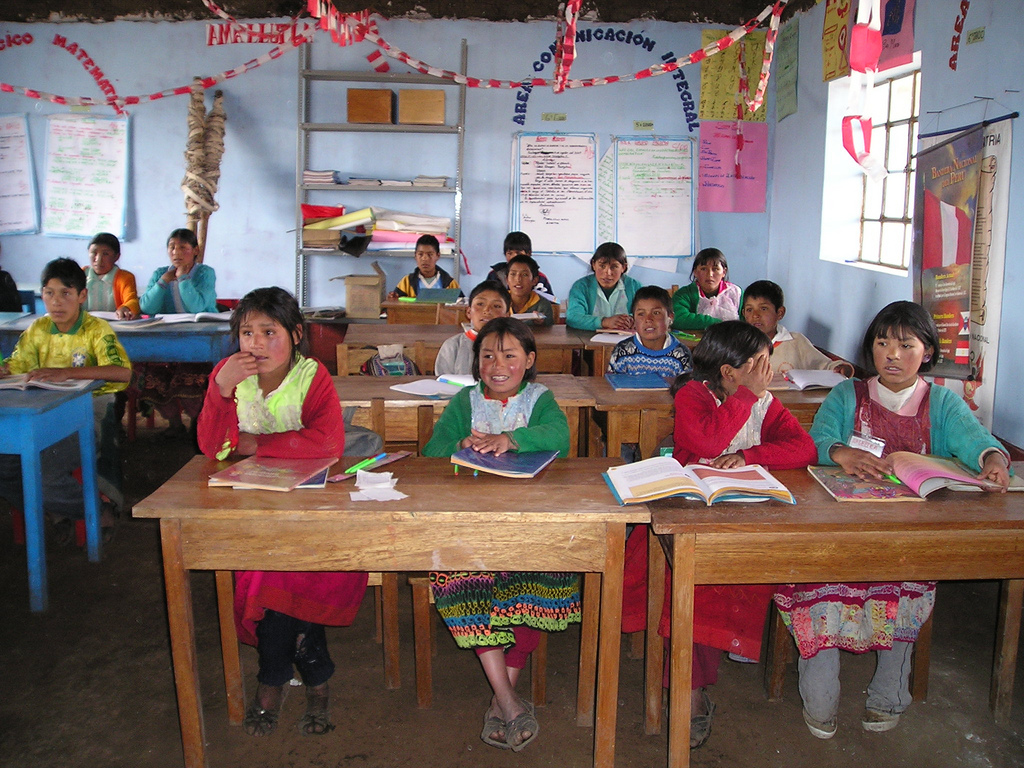
Fifth grade class in Chuchoquesera, Peru

When I visited the classroom pictured above in the Peruvian highlands back in 2004, I noticed that slightly more than half of the students were girls. I remarked on this fact to the human rights activist who was giving us the tour of this Quechua-speaking indigenous community.  He smiled sadly and said,
“Yes, but this is fifth grade.  In sixth grade, children go to a lower secondary school that is farther away.  Most of the girls won’t go.  It takes too long to walk there and they are needed to help at home, so the parents won’t let them go.  Besides, most of them will be married soon.”
Unfortunately, this is a situation of gross inequality for girls that is repeated in communities throughout the world.

In the United States, where education is both compulsory and free, we often forget that the right to education is not meaningfully available in many parts of the world – especially for girls.  The UN estimates that there were more than 67 million primary school-age and 73 million lower secondary school-age children out of school worldwide in 2009.  In addition, an estimated 793 million adults lack basic literacy skills. The majority of them are women.

Since then, I have visited classrooms and asked questions about girls’ access to education in countries on several continents.  This is a photo I took at Buduburam Refugee Settlement in Ghana.

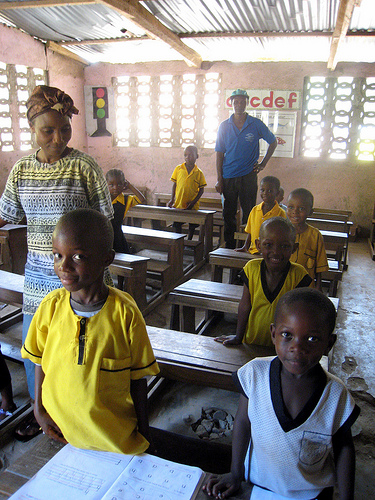
Kindergarten class, Buduburam Refugee Settlement, Ghana

Boys far outnumbered girls in this classroom, illustrating another of the problems for girls in accessing education.  When resources are scarce, parents will often choose to spend the money on school fees for their sons rather than their daughters.

There are many good reasons to ensure access to education for girls, however. Educating girls is one of the strongest ways to improve gender equality.  It is also one the best ways to promote economic growth and development.

“Investing in girls is smart,” says World Bank President, Robert Zoellick. “It is central to boosting development, breaking the cycle of intergenerational poverty, and allowing girls, and then women—50 percent of the world’s population—to lead better, fairer and more productive lives.”

Ensuring equal access to education for all girls by 2015 is part of the United Nations’ Millennium Development Goals, making this issue a major focus of work by the United Nations (for more info, check out the UN Girls’ Education Initiative site), the World Bank and many international non-governmental organizations.   October 11  has been designated as the International Day of the Girl Child to draw attention to the topic.
Nepal
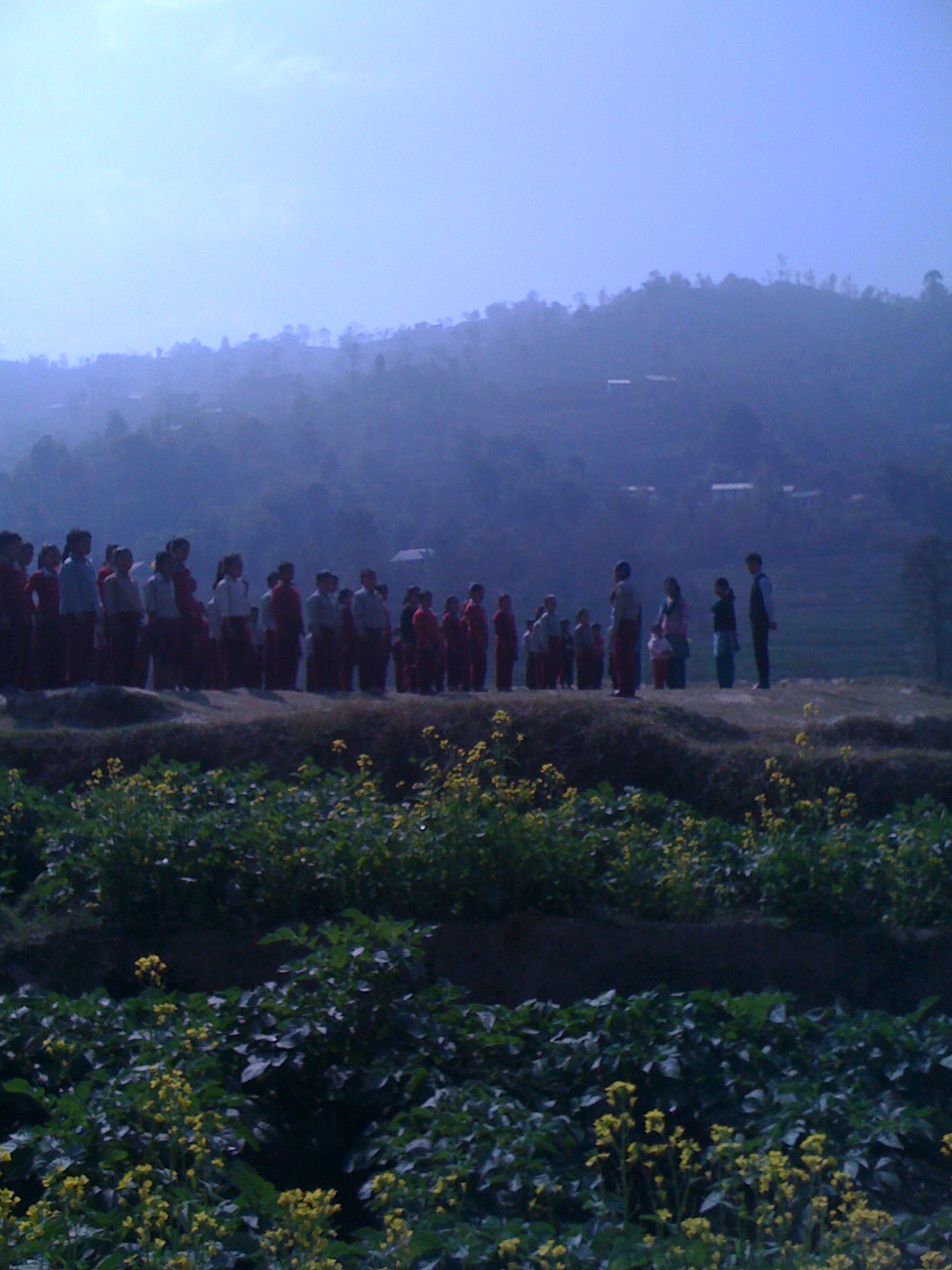
On a much smaller scale, the Sankhu-Palubari Community School in Nepal is doing its part to encourage gender parity in education and  increase literacy rates.  The school works in partnership with The Advocates for Human Rights (the non-profit where I work) to prevent child labor and improve the lives and well-being of the neediest children in this community in the Kathmandu Valley. I travel there regularly to monitor progress at the school.
 cropped-spcs-program1.jpg
 For several years, the school has successfully met goals for gender parity among students in both the primary and lower secondary grades. For the 2011-2012 school year, 147 of the 283 students in pre-school through eighth grade are girls. Additionally, and perhaps more significantly, 15 of the 31 students in ninth and tenth grade are young women.
Pre-K student at Sankhu-Palubari Community School, Nepal

Most of the students’ families work in agriculture.  They are farmers with little or no money to spare on school fees, uniforms and supplies.   Many of them are from disadvantaged groups such as the Tamang and Newari.  Indigenous group with their own cultures and languages, the indigenous students must learn Nepali as well as English when they come to school.  Frequently, the adults in the family are illiterate.
 

 9th Grade students at SPCS

How has the teaching staff managed this success at keeping girls in school?  Since the school’s founding in 1999, the teachers have conducted outreach to parents and worked hard to encourage female students to attend and stay in school in spite of societal pressure to get married or enter domestic work. It took more than 10 years, but their efforts have paid off.  While girls worldwide generally are less likely to access, remain in, or achieve in school, 52% of the students in K-8th grades at the Sankhu-Palubari Community School this year are girls. And a girl is at the top of the class in most of the grades at SPCS.

The impact of the school both on the individual students and on the community over the past 12 years has been profound.  When I was there in March of 2011, we interviewed approximately 60% of the parents of SPCS students.  It was clear to me that parents value the education that their children are receiving and, seeing the value, have ensured that the younger siblings are also enrolled in school rather than put to work.  Twelve years ago, there were many students in the area out of school but now most are attending school. I could also see the physical benefits that the students derived from attending school when they stood next to their parents.  Even the 5th grade girls towered over their parents, illustrating the simple cause-and-effect of adequate nutrition, wellness checkups, and not having to work in the fields from a very young age.

The Sankhu-Palubari Community School may be a small school in a remote valley, but it is a place where the human right to education is alive and well, providing a better future for these children.  In particular, the effect that these girls have on their community, their country and – hopefully, the world – will be thrilling to watch.


This post was originally written for World Moms Blog.
Photo credit for photo to Dulce Foster

My Blogger Space

This week I participated in Blogger Space, a series devoted to showcasing the spaces where bloggers choose to write. Blogger Space is the brilliant creation of divorcedpauline.  This Blogger Space profile is posted on her blog perilsofdivorcedpauline. She’s a great writer and her blog is definitely worth checking out.  I’m so flattered by her kind intro – “whip-smart” may be one of the best compliments I have ever received!

Jennifer Prestholdt’s Blogger Space

Jennifer Prestholdt is a human rights lawyer and fellow Open Salon blogger. I first became aware of her when her funny, whip-smart  “Raising Boys Not to Be Total Jerks” post went viral and garnered the wrath of internet trolls who accused her of actually damaging her sons for teaching them to be respect women. I was as impressed by her humorous, nuanced writing as by her grace under fire from crazed commenters. Check out her many versatile Blogger Spaces and inspirations for blogging below.

Let’s begin with the understanding that I don’t actually have a Blogger Space. I have a husband, three children, a full-time job, an old cat. What I don’t have is a dedicated place for blogging. Once upon a time, I had a home office but I gave that up when our third child was born. Now I battle her Barbies (and the occasional Darth Vader) for space for my laptop.

Not only do I not have a physical Blogger Space, I also don’t have much time to blog. So I write in the corners of my life, wherever I can find a few spare moments. This often means blogging at hockey rinks during my sons’ practices.

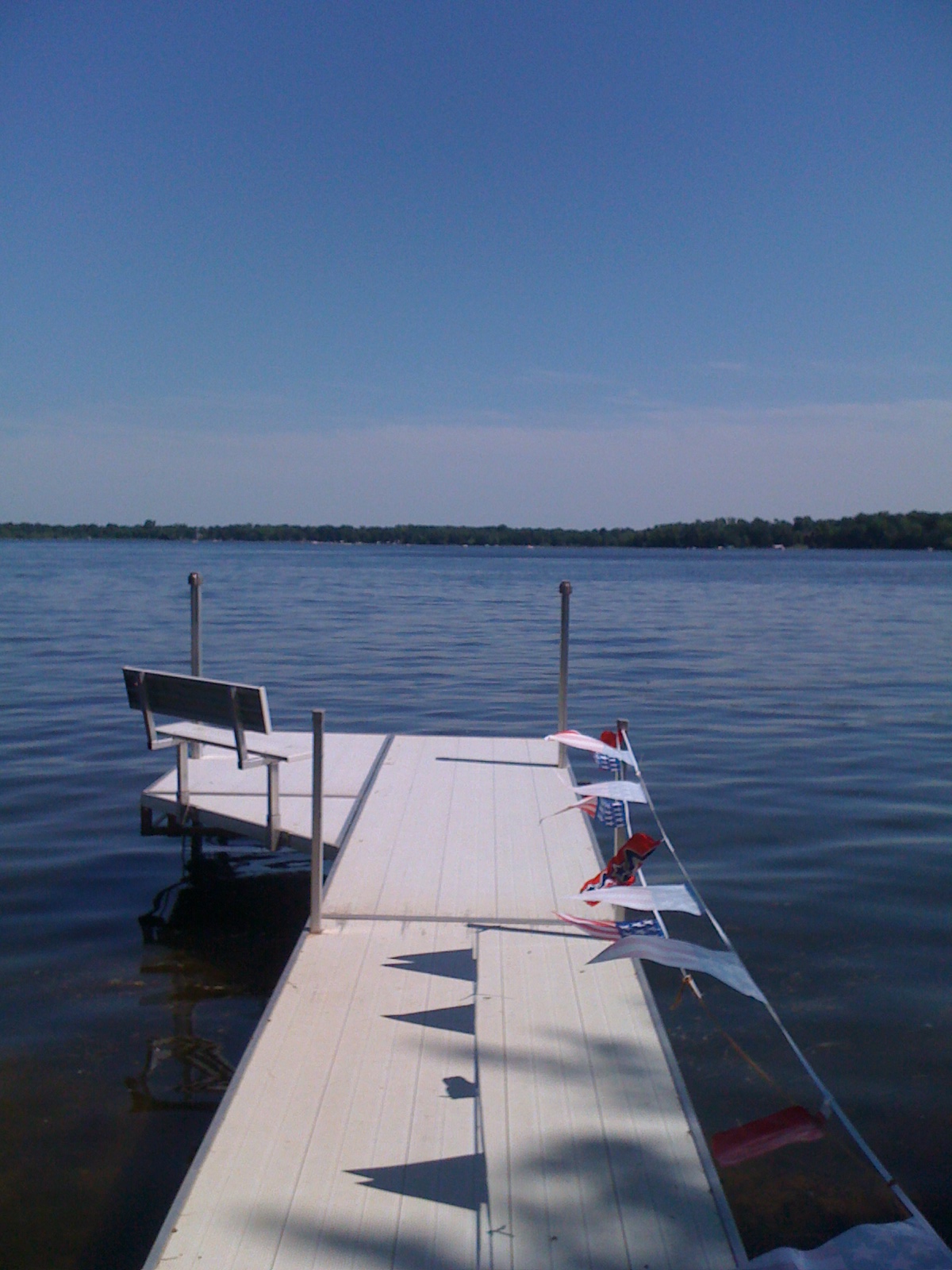
In the summer, I may blog on the dock at the cabin while I’m “watching” the kids swim.

I travel a lot for work, so more than one post has been written on a transatlantic flight.

I have only been blogging for a year, but so far I have found myself blogging in:

NEPAL

INDIA

GENEVA, SWITZERLAND

Mostly, though, I write on the run – literally. I do some of my best thinking when I am running. Often I can work out almost all of the details of a piece so that it actually takes only a short time to type it up on my laptop.

I like to think of it as “rlogging”.

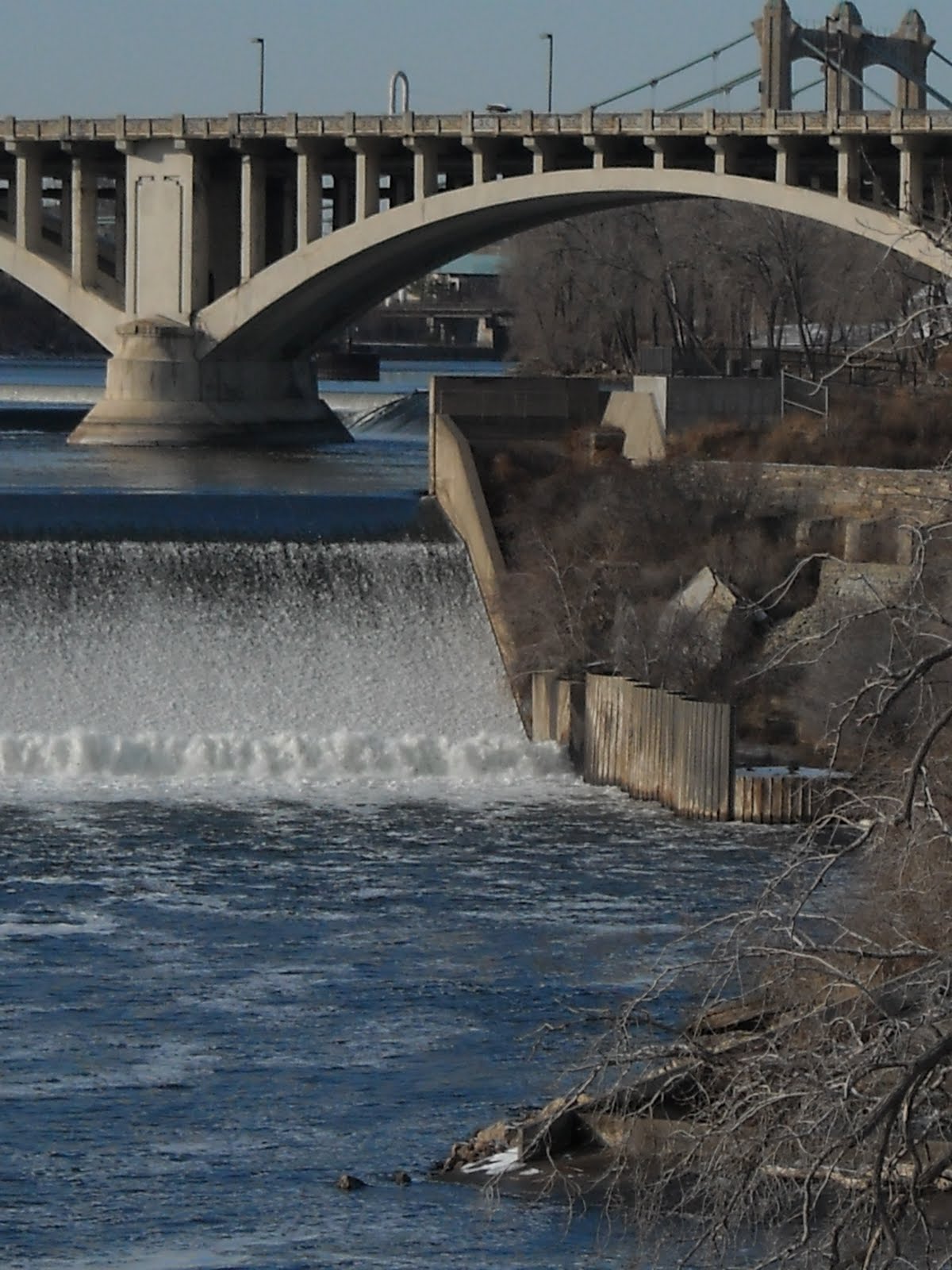
I am fortunate enough to live in Minneapolis, a city that was purposefully laid out so that no child would have to walk more than six blocks to a park. There are miles and miles of biking and running paths.  I often blog while running along the Mississippi River …

…and across the Stone Arch Bridge back into downtown.

Sometimes, I “rlog” along Minnehaha Creek, where we catch tadpoles in the summer.

But here is a peek at my very favorite Blogger Space.

My favorite rlogging route goes …

…through the Lyndale Park Rose Garden, the second oldest public rose garden in the U.S….

… along the shore of Lake Harriet. Although we are in the city, I have seen both foxes and bald eagles near this spot on the southeast corner. My grandparents Olaf and Lillian walked around this lake in their courting days, barely catching the last streetcar back to downtown.

I think about things as I follow in their footsteps.

I run past the Lake Harriet Bandshell. In the summer of 1961,my parents first met here. On a blind date.

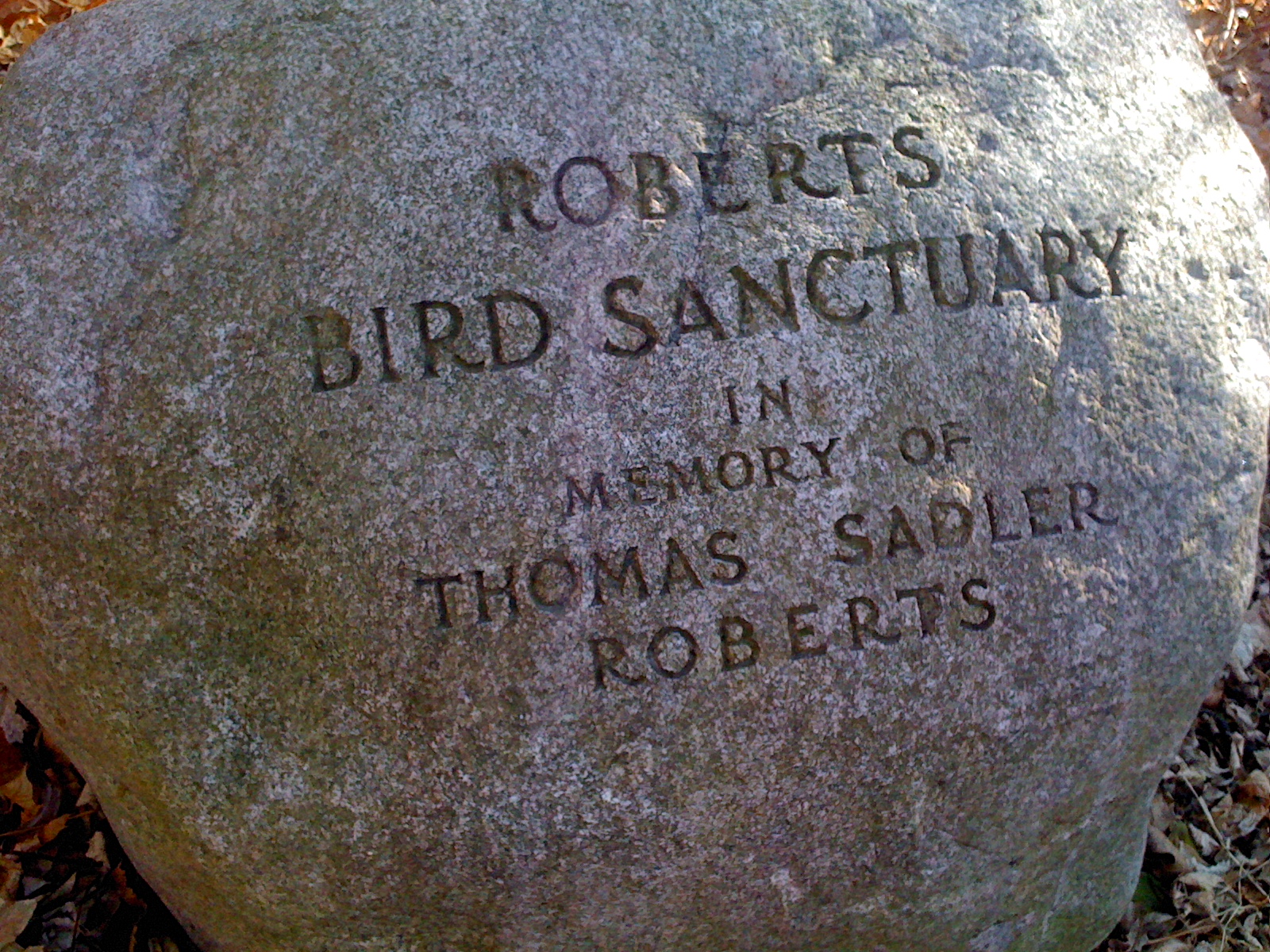
Through the Roberts Bird Sanctuary …

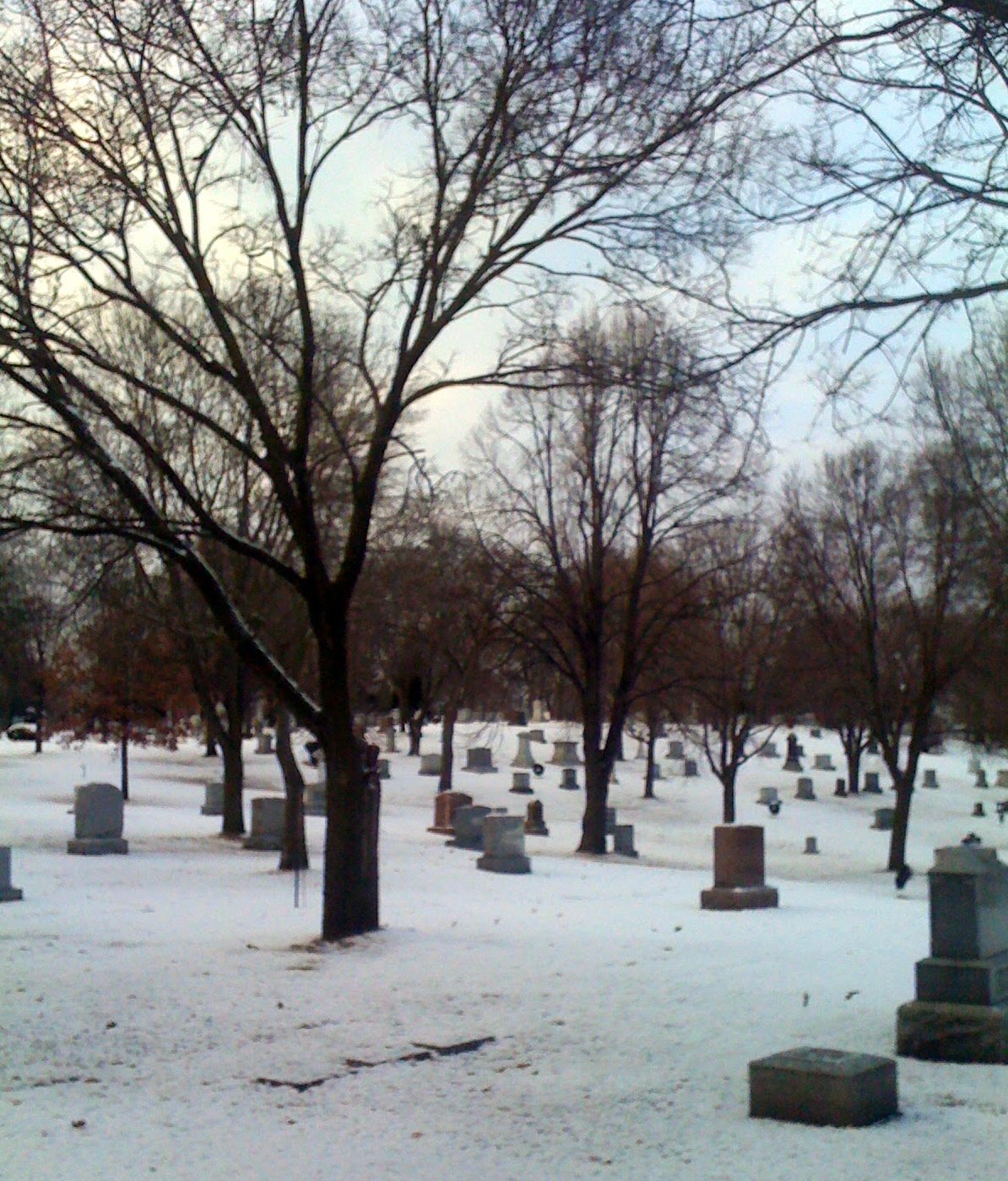
… past Lakewood Cemetery.

My “Lemondrop Grandpa”, my grandfather Orville, is buried here. Also Paul Wellstone and Hubert Humphrey.

And then I run home, through the Peace Garden.

This Blogger Space always gives me inspiration.  And then I sit down and I write.

Wanna show off your digs? Participate in Blogger Space! Send a photo of your space, a blurb about why you write where you do, and a link to your blog to divorcedpauline@aol.com.

Becoming a Human Rights Warrior

Happy New Year!  It’s been one year since I started my Human Rights Warrior blog.  Here is a post I wrote recently for Open Salon on The New Year’s Resolution I Kept.  It pretty much sums up the way I feel about my first year of blogging.  Now, onwards into 2012!

It all began, as so many things do, with a misunderstanding. I was putting my son Simon to bed one night when he said,

“Mommy … What’s it like to be a human rights warrior?”

“But sweetie, I’m not a human rights warrior. I’m a human rights lawyer.”

He waited a couple of seconds – this kid has an uncanny sense of comedic timing – before wrinkling up his little nose and saying skeptically,

“What’s a LAWYER?”

I’ll never know what kind of weapons he thought I was secretly carrying in my briefcase because my description of my actual job put him right to sleep. But this bedtime exchange got me thinking.  For more than 15 years, I’ve worked with survivors of human rights abuses.  My job is to document and bring to light stories of unbearable loss from every corner of the world.  I have observed the absolute worst aspects of human nature, the dark side in each of us that we would rather not acknowledge.

You might think that this would make me pessimistic about the world in general and Homo sapiens in particular, but the impact has been quite the opposite.  It has been my privilege to bear witness to the very best characteristics of humanity – our capacity to overcome adversity, to hope, to forgive.  I’ve heard inspiring acts of courage; seen the precious gift of faith.

While I have many stories from my experiences in human rights work, I realized – after this one comment from a very small person – that most of them had never been shared with anybody. Stories of human rights abuses don’t exactly lend themselves to pleasant cocktail party conversation.  How do you convey the complex political and social conditions that lead to human rights abuses, honor the victims, and avoid grossing people out with the horrible details – all in a two-minute elevator speech? And how do you even stop talking about injustice once you start?

So how was I going to figure out a way to talk about it with my kids?

That “Human Rights Warrior” discussion took place more than five years ago.  This is my son Simon today.

What did I do about my conundrum for four long years?  Exactly nothing. But I didn’t stop thinking about it.   As a parent, I am challenged to distill my experiences into something that Simon – along with his older brother and his younger sister – can understand and profit from. I kept turning it around in my head like it was my mental Rubic’s cube, impossible to put down but incredibly hard to solve.

I don’t believe in New Year’s resolutions.  If something is important enough to do, you should make the promise to yourself to do it whether it is May Day or Halloween or January 1.  But with my long history of  inertia on this topic, I needed more motivation.  In 2011, I resolved, I will think more intentionally about what I’ve learned from my work in human rights and I will take action t0 pass these lessons along to my kids.

A  friend had suggested writing about my experiences as a way of processing them. So on New Year’s Day 2011, I started writing my thoughts down.  Randomly at first, in one of my kids’ old wide-rule spiral notebooks, which I had misplaced by January 3. I moved to writing on my laptop and jotting notes on my iPhone.  When I reached the point where I felt I had some stuff that was good enough to share, I started a blog.  My sweet husband gave me a domain name for my birthday: Human Rights Warrior.

I don’t consider myself much of a blogger, much less a writer.  I write only at the outermost corners of my life, on the UB313 of my solar system.  Often I find myself writing in odd places, like the hockey rink when one of my boys has practice.

It doesn’t really matter, though, because now I’m thinking about it all the time.  Writing down my thoughts has forced me to focus on making the connections between the experiences I’ve had in human rights and things in their lives.  My neurons are firing like a toddler with DHA omega-3 enriched milk in her sippy cup. Putting it in words crystallizes both the good and the bad, making it easier for me to talk about them with my kids.

It has also brought back so many memories.  I didn’t realize how many people I still hold in my heart. Ma Fatu, who lost her own family in the Liberian conflict but made a new family with orphaned young people in Buduburam Refugee Settlement.  My former asylum client, bravely recounting her gang-rape by Kenyan police as her husband sat beside her in agonized silence.  A couple in Peru, who after being released from more than 10 years of unlawful detention, recounted their story while holding their newborn infant daughter, who never left their arms.   These are people who will never be nominated for a Nobel Peace Prize, but I feel that I am honoring them for their strength and courage when I tell my my children about them.

Are  my kids listening?  Not really.  Maybe.  Who knows?  Like the healthy lunches I send with them to school, my job is just to pack the lunchbox not to force it down their throats.

Last week, though, as he was going to bed, Simon said to me, “Mom, can you tell me some stories about your work?”  I could. So I did.

I kept my New Year’s resolution in 2011.  I am a Human Rights Warrior.


Why American Moms are Cheering for Licia Ronzulli

Photos of European Parliament Member Licia Ronzulli with her daughter keep popping up on my Facebook news feed and Pintrest.  My friends are mostly moms, so I speculate that they had an emotional reaction when they first saw the photo of MEP Ronszulli with her baby.  I know that I did.  I cheered and teared up a little, almost simultaneously.   Then I stopped and asked myself, “Why?”

The photo of Ms. Ronzulli at work with her baby is not a new – it was taken in September 2010.   While this photo caused a splash in Europe in 2010, it took  a while for it to catch on here.  That’s about right – as a country, the US is generally well behind Europe in terms of policies that support mothers.

Although she doesn’t bring her daughter to the European Parliament regularly, there are other photos of Ms. Ronzulli and the  now-toddler  Vittoria.  During a vote on the Eurozone debt crisis on February 15, 2012, reporters snapped several photos of Vittoria with her mom at the European Parliament.

The media coverage I have seen has focused on the cutesy (“awwwwwww”) or “hilarious” aspects of the photos.  That’s too bad. I think the media missed the opportunity to talk about WHY American moms like me are cheering for Ms. Ronzulli.

Here are a few reasons:

1)  Ms. Ronzulli’s employer, the European Parliament, has rules that allow women to take their baby with them to work.  Most American women do not have that option.
2)  The photos perfectly symbolize the work-family balance that all of us working moms struggle with every day.   The fact that, according to media reports, the photo of Ms. Ronzulli with her infant was taken during a vote on proposals to improve women’s employment rights makes it all the more poignant.
3)  Ms. Ronzulli is showing the world that childbirth does not automatically flip the offswitch on our female brains.  Women continue to be productive  employees even after they become mothers.  The Daily Mail, which ran the February 2012 photo in an article titled “Does my vote count, mummy?”,  describes the 36-year old Ronzulli as seeming “in complete control in spite of having her baby on her lap throughout.”  Why is this such a surprise?  I know that I, for one, have become better at multitasking and more efficient at doing my work since I had my first child.
4) In the 2010 photo, it appears that Ms. Ronzulli is choosing to keep her 7 week old infant with her as much as possible.  In my experience, that’s important for babies who are still so little.  Yet 6 weeks is the typical maternity leave in the U.S.  That doesn’t mean that it is paid leave, however. The U.S. is also one of only a handful of countries with no national law mandating paid time off for new parents.
5) Ms. Ronzulli was entitled to a parenting leave, but chose to take only 1 month of it.  She makes the point that it is about personal choice.  In 2010, she told The Guardian “It’s a very personal choice. A woman should be free to choose to come back after 48 hours. But if she wants to stay at home for six months, or a year, we should create the conditions to make that possible,” she said.   Amen, sister!
6) She looks GOOD!  I know I never looked that good 7 weeks after labor and delivery, but many of my friends very quickly looked like their pre-baby selves again.   I certainly didn’t look my best when I was the sleep-deprived parent of a toddler, but the world didn’t end.  Moms like a little reminder now and then that a having a baby doesn’t slam the door on our ability to look and feel good.  Sometimes it sure feels like that, but really it’s just a temporary setback.
7) Ms. Ronzulli probably didn’t have to nurse baby Vittoria sitting on a toilet in the ladies room.  That’s something I had to do at some point or other with all three of my babies here in America.

So thank you, Licia Ronzulli, for giving us American moms something to cheer for today and a reminder of what we need to continue to work towards tomorrow!

Honoring The Defenders

I wrote this post for Bloggers Unite.

On Human Rights Day 2011, we pay tribute to all human rights defenders.  What is a human rights defender?  The UN Declaration on Human Rights Defenders describes them as people who act to address any human right (or rights) issue, anywhere in the world, on behalf of individuals or groups.  Human rights defenders can be individuals acting in their professional capacity or volunteering their time to work with an association or group.  If you add it all up, there are thousands – maybe millions – of human rights defenders in the world.  Each of us that takes action to promote and protect human rights is a defender.

As a human rights defender working in the United States, I have the freedom to work without fear of reprisal. For many defenders around the world, however, this is not the case.  Because of they act for human rights, human rights defenders are often targeted for human rights violations, including executions, torture, beatings, arbitrary arrest, trial without due process, detention, death threats, harassment and discrimination.  They face restrictions on their freedom of movement, expression, association, and assembly. In addition to targeting human rights defenders themselves and the organizations through which they work, the human rights violations frequently target members of defenders’ families.   Women human rights defenders confront risks that are gender specific.

What happens to human rights defenders when the targeting gets to be too much? For more than seven years, I represented human rights defenders who were fleeing persecution and seeking asylum in the U.S.   Though I may not have seen them for years, I often think about my former clients.  On this Human Rights Day, I am thinking about James and Julia (not their real names). James and Julia were human rights defenders in their native Kenya, speaking out against an oppressive government.  They had a little boy who I’ll call William.  When the police came to their house to arrest Julia, a police dog had bitten William on the head.  You could still see the wound a year later when, having left everything they owned behind to escape Kenya, they were seeking legal assistance with their asylum claim in the U.S.

In police custody, Julia had been brutally and repeatedly raped.  Julia testified about her experiences in a straightforward manner and in excruciating detail, but with such poise and dignity that both the asylum officer and I were in tears.  It is one of the very  few times that have I seen an asylum officer (specially trained federal officials who make decisions about asylum cases based on a written application and an in-person interview) actually cry during an an asylum interview.  I remember well how James sat next to her, utterly still. Anguish is the only word that could possibly describe the look on his face as he listened to her testimony.

Years later, after they got their citizenship, James and Julia had a party to say thank you to all of the people who had helped them.  In addition to their attorneys, there were people from their church and other members of the Kenyan community. They now lived in a big, new house out in the suburbs. Julia was close to graduation from nursing school  William, who I hadn’t seen since he was three, was now in middle school.  He was a straight-A student and talented musician who had just gotten braces.  They had had another child, too – a daughter born here in America.

The ending is not always this happy for all human rights defenders.  That is why, this Human Rights Day, we all need to honor the work of human rights defenders and promote human rights both at home and in other countries.  One way to honor the work of the defenders is to be a defender yourself – take action.  The UN is asking you to Make a wish for human rights today!

To learn more about protecting human rights defenders:

http://www.ohchr.org/EN/Issues/SRHRDefenders/Pages/SRHRDefendersIndex.aspx

http://www.protectionline.org/-Home-.html

http://www.fidh.org/-Human-Rights-Defenders,180-

10 Things To Do With Your Kids on Human Rights Day!

This is a post that I wrote for World Moms Blog.  Originally published here.

Make your own human rights tapestry!

Human Rights Day is December 10! The date was chosen to honor the United Nations General Assembly‘s adoption on 10 December 1948 of the Universal Declaration of Human Rights (UDHR), the first global statement of international human rights principles.  Here are some ideas for simple yet meaningful ways for your family to celebrate the rights and responsibilities that we all share as human beings.

1.  Learn about the Universal Declaration of Human Rights. Check out the UDHR plain language version  or the Amnesty International UK book We Are All Born Free (15 of the illustrated pages of the book can be found on The Guardian’s website if you want to look at them online or print them out). You can also watch  a short video together and talk about it with your kids. My kids loved this animated video version of the UDHR even back when they couldn’t understand what the words meant. For a more historical view, check out The Story of Human Rights.

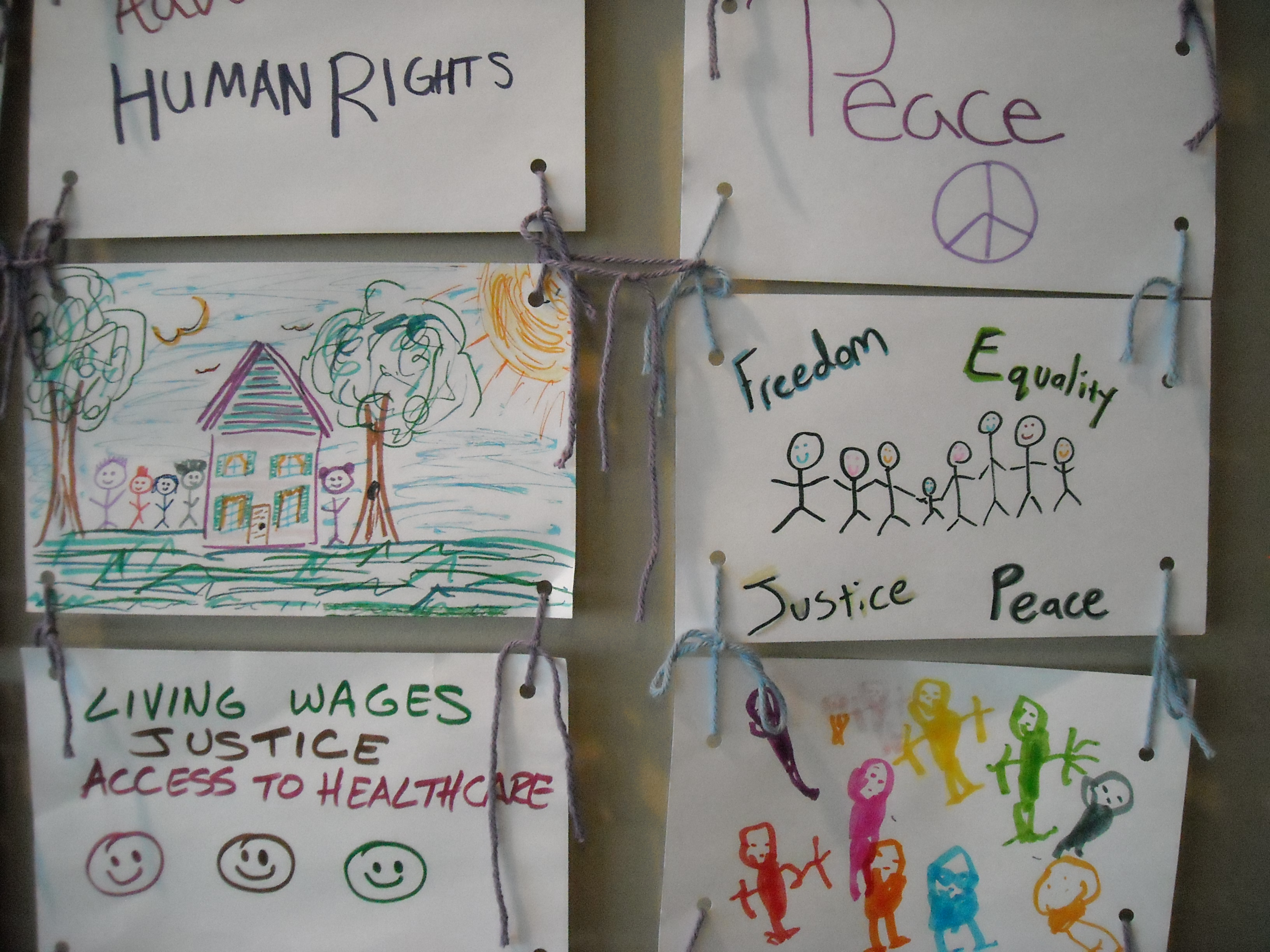
2.  Exercise your right to freedom of expression! Draw pictures together of the rights and freedoms that are important to you. You can make your own family “Human Rights Tapestry” by drawing on index cards and using a hole punch to make holes in each corner.  Use yarn to tie together the cards to make a tapestry. (See the picture above of the Human Rights Tapestry conceived of by Chanida Phaengdara Potter and created by visitors to The Advocates for Human Rights‘ booth at the Minnesota State Fair.) You can alsomake posters or collages together.  Help your kids write a poem or story about human rights.  Older kids can even make a video!

3.  Listen to some human rights music with your kids. Here are a few suggestions, but you might also want to check out the folk music songbook Rise Up Singing.  The book contains the chords and lyrics for more than the 1200 songs on a wide variety of social justice issues.

  • The Rainbow Connection – Kermit the Frog  Someday we’ll find it!
  • If I Had a Hammer – Pete Seeger   Really, anything by Pete Seeger.  Pete is my own personal antidote to Barney.
  • Free to Be You and Me   – Marlo Thomas & Friends     In my opinion, one of the best things about being a kid in the 70s.
  • The Preamble – Schoolhouse Rock      Did you know that the U.S. Constitution is one of the first documents to establish universal principles of human rights?
  • Star Wars Main Title/Rebel Blockade Runner – John Williams   People say Star Wars was a Western set in space, but I see it as a movie about the fight for human rights against the Empire.

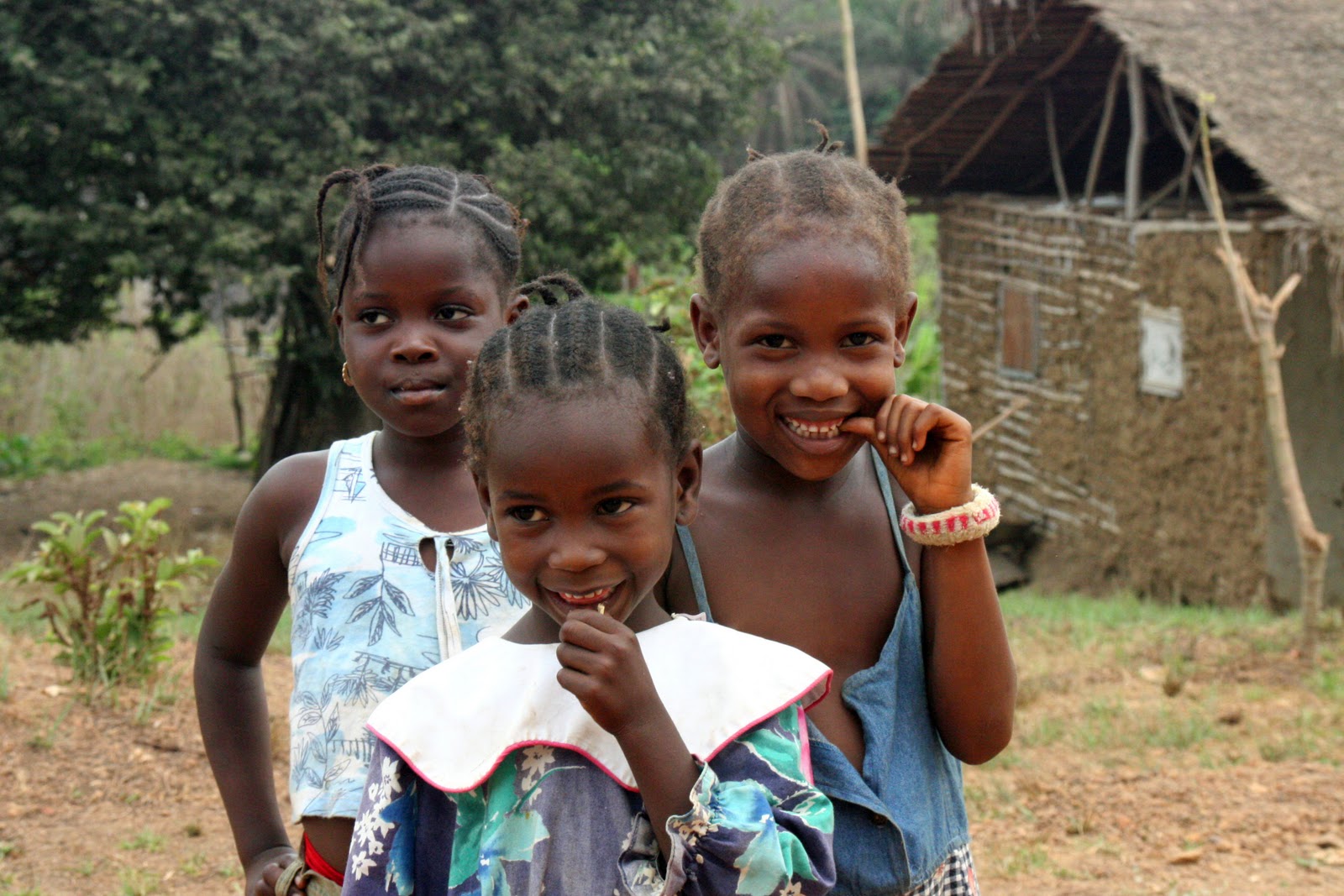
4.  Same and Different.  I started doing this activity in my childrens’ classrooms and really learned a lot from the kids about tolerance and respect.  Show your kids a photo and have them point out what they see in the picture that is the same in their lives and what is different.  Here’s an example but more can be found on my blog post Same and Different:

photo by Dulce Foster

The kids’ responses:  ”I like that bracelet.”  ”I sometimes wear my hair in braids, too.” “They have dark skin and I have white skin.”  ”We have different trees here, like conifers.”  ”We have snow here right now.”  ”Is that corn growing behind them?  Because I LOVE to eat corn, too.”  ”Is that a house? It’s not like my house.”  ”You couldn’t live in that house in Minnesota.  You would get too cold.”

5.  Let your kids use their screen time to learn about human rights!  Play games and quizzes on the UN cyberschoolbus.  Check out these free, downloadable video games:

  • Against All Odds  Experience life as a refugee, for ages 7+.
  • Stop Disasters!  Learn how to respond to different humanitarian disasters.
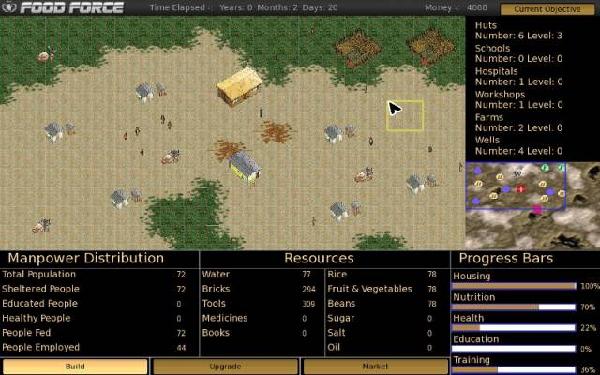
  • Food Force   Gamers ages 8-16 undertake 6 virtual missions to stop world hunger. Download the game in English, French, Norwegian, Portuguese, Korean, etc. (I’ll be testing newly launched Food Force 2  with my 12 year old gamer son. Something tells me he’s going to kick my butt at saving the world!)

Photo from Food Force 2

6.  Talk to someone you know who is from another country.  Where are they from?  What was their life like there?  What language did they speak?  Did they go to school? What do they miss?  What do they like about their new country?

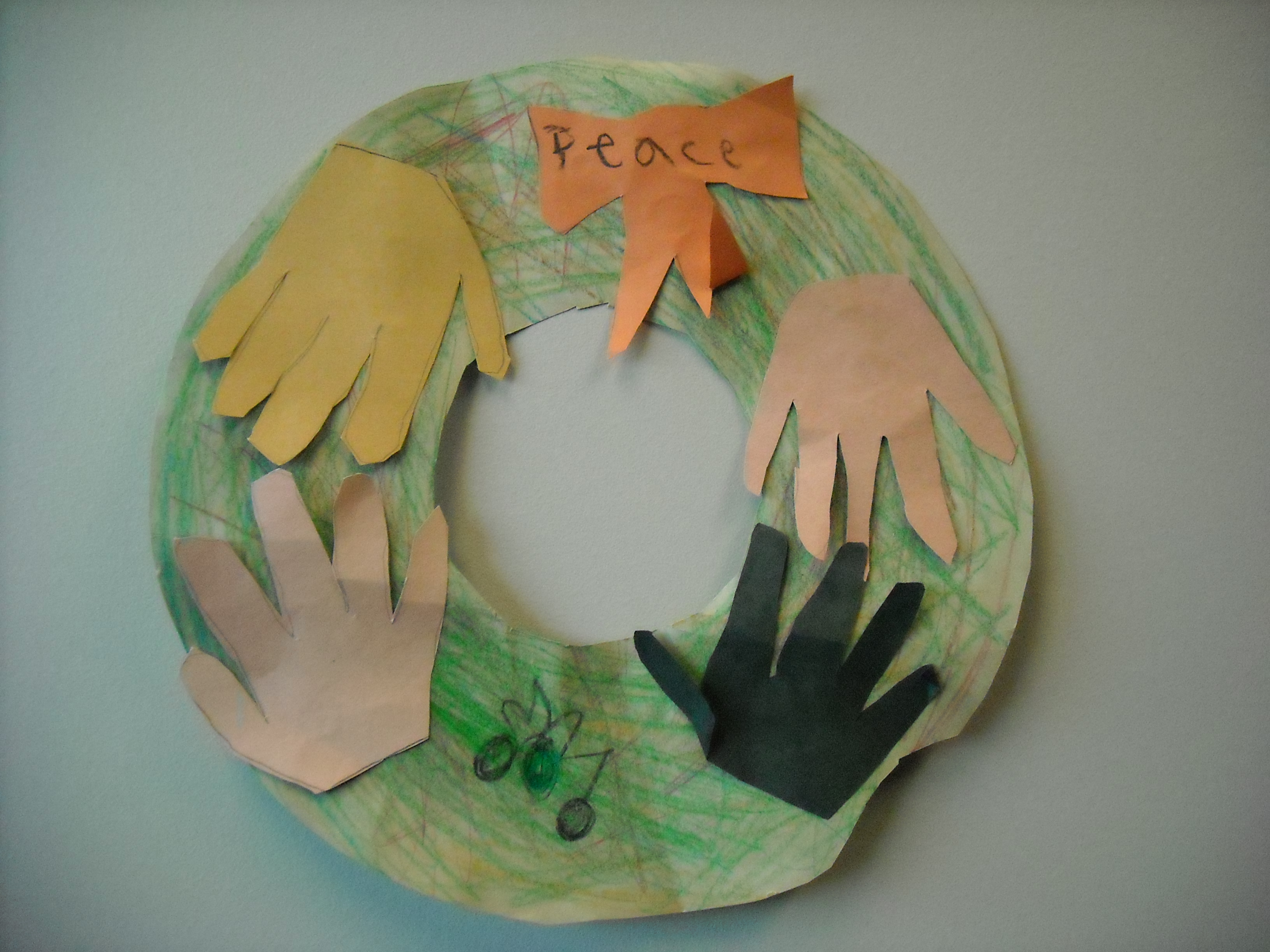
7.  Make a Helping Hands Wreath to symbolize the responsibility we all have to help each other.  Trace your hands on different color construction paper.  Cut out the hand shapes and glue or staple them on a paper plate to make a wreath.

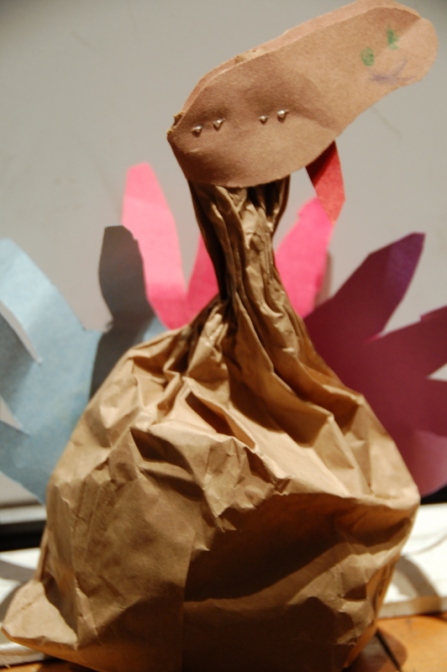
8.  Act out a skit with puppets.  You can use any puppets or even make your own paper bag or sock puppets.  This skit is from RAISING CHILDREN WITH ROOTS, RIGHTS, & RESPONSIBILITIES , but you can also write your own skit, using a problem that your children have had to deal with themselves.

  • Example skit: Puppet 1: Hi everybody, my name is Jan.Puppet 2: Hi, everybody! I’m Sam, and I’m building a bridge. (Puppet is working with blocks.) Jan: Hey, Sam, I need those blocks for the airport I’m building. (Jan takes some blocks.) Sam: Hey! Don’t do that! You’re taking away my right to play!  (Puppets tussle over a block.)
  • Discussion:  What do you think Jan could have done differently? Has anyone ever interfered with your play?  How did that make you feel?
  • “Can you do a different ending to the story?” Choose children to act out the play again with the puppets, but coach them in some respectful ways to play together to share, take turns, or use other solutions they think of themselves.
  • “I know you can act very respectfully and responsibly toward each other. In fact, I’ve seen ________________________ (give examples of a time when acted responsibly).

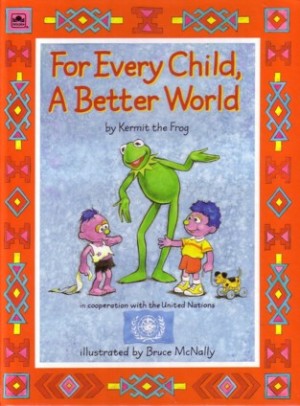
9.  Read a book about human rights.   There are so many, but for young children, I like  Horton Hears a Who by Dr. Seuss, The Giving Tree by Shel Silverstein,  Giving Hand, For Every Child, A Better World by Kermit the Frog. (Yes, I have a thing for Kermit.)

Photo from Wiki Muppets

Older kids may enjoy books more like The Hunger Games and Diary of Anne Frank.  For more ideas for books for teens and tweens, see the Discover Human Rights Institute resources, especially the Peace and Justice booklist and the  Equality and Tolerance booklist.

10.  Take action!  Teach your kids that they really can make a difference in the world.  Collect food and bring it to a local foodshelf.  Write a letter or sign a petition on behalf of a prisoner of conscience. Volunteer to help serve a meal at a homeless shelter.  Raise money from friends or neighbors for UNICEF or another organization working on human rights. (Remember to Trick-or-Treat for UNICEF next Halloween.)  Check out additional service learning ideas for kids in grades K-12 at 160 Ways To Help The World

ADDITIONAL RESOURCES:  You’re on your way to a great Human Rights Day!  If you are a classroom teacher or homeschooling your kids (or if you just want to dig deeper), you can find tons more ideas through the following resources:

 MY 2012 HUMAN RIGHTS DAY POST 10 MORE THINGS TO DO WITH YOUR KIDS ON HUMAN RIGHTS DAY!

MY 2013 HUMAN RIGHTS DAY POST HUMAN RIGHTS DAY ACTIVITIES TO DO WITH YOUR KIDS

MY 2014 HUMAN RIGHTS DAY POST HUMAN RIGHTS DAY ACTIVITIES FOR YOU & YOUR KIDS

ABC – Teaching Human Rights – practical activities in English, French, Russian, Arabic, Chinese, and Spanish

The Advocates for Human Rights’ Discover Human Rights Institute – human rights education lesson plans and curriculum

Human Rights Here and Now  – human rights lesson plans and resources

Raising Children With Roots, Rights and Responsibilities – activities for preschool and young elementary children

The Sharing Table

I first heard about “The Sharing Table” when my son came home from kindergarten and exclaimed, “No snack for me today!  I had three hot dogs – plus my home lunch.” I pictured the Oscar Wienermobile pulling up at his school, tossing hot dogs like Mardi Gras beads.  “Where did you get three hot dogs?” “The Sharing Table, of course.”

The concept is simple.  If there is something in your school lunch that you don’t like, you leave it on the table.  If there is something in the school lunch that you want more of, or – if you are like my children –  you would like to supplement to your home lunch, well, you can just help yourself.  I couldn’t find any official Minneapolis Public Schools food policy, so I quizzed the kids.

Me:  “So, how did you find out about The Sharing Table?”

  • Oldest son (age 12):  “Duh!  It is right next to the Allergy Aware Table. You can’t miss it.” (This one has a peanut allergy.)
  • Youngest son (age 9):  “I didn’t really know about it, but then I think the Lunchroom Teacher told us at some point. The Lunchroom Teacher is kind of mean. If you forget your lunch, you go to The Sharing Table.”
  • Daughter (age 6 1/2):  “It’s right there! Kids put their grapes there.  I like it when I can get the ‘mandrigan’ oranges.  Sometimes I take something and put it in my lunchbox for a snack later.”

All three agreed that the only real rules were that the items on the Sharing Table had to be from the school lunch, i.e. pre-packaged. Sometimes the pre-packaged school lunches bum me out.  When I was growing up in Louisiana, the lunches were not pre-packaged.  They were made in the cafeteria kitchen by large African-American women who always seemed to be stirring giant stainless steel pots and having a grand old time.  The East Baton Rouge Parish schools offered up jambalaya, shrimp creole, crawfish etouffee, cornbread, buttery rolls, yams, succotash, John Marzetti casserole, iced spice cake – for only 90 cents a lunch. My high school cafeteria had both a “hot lunch” side and a gumbo/salad bar/milkshake side.

Those East Baton Rouge Parish school lunches were some of the best in the world.  The melamine compartment lunch trays (which I recall as being pastel green, orange, yellow, and blue) came back to the kitchen clean as a whistle – except when greens were served.  Nobody  EVER touched the greens.  The greens remained on the trays in the perfect ice cream scooper-formed mounds in which they were served.   The rumor was that the greens were actually grass and, in fact, there was some circumstantial evidence to support the hypothesis.   Not only did they look exactly like grass, but I myself observed over years – at Magnolia Woods Elementary, at Wildwood Elementary, at Glasgow Middle Magnet – that greens were always on the menu THE DAY AFTER the janitors mowed.  At Baton Rouge Magnet High, where students came from all over the parish, we did an informal survey and discovered that this was happening in all the school cafeterias.  Harbinger of the locovore movement? Or just coincidence?  You be the judge.  All I know is that nobody EVER touched the greens.

One greens day when I was a sophomore in high school, I brought my lunch tray back to the kitchen.  My tray was clean, except for the greens.  On the conveyor belt, there was a long line of trays with ice cream scoop mounds of greens waiting to be dumped.  The cafeteria lady who was spraying down the trays looked me in the eye and said,

“Y’all is wasting perfectly good greens. Y’all must not know what it’s like not having enough to eat.”

Y’all, in case you don’t know, can be used both in the singular as well as the plural.  I understood exactly what she was saying that day – she meant both.  The only possible response to this was, “Yes, ma’am.”

By which I meant, “I’m sorry.”

Last year 65% of kids in grades K-8 qualified for free and reduced lunch.  I think The Sharing Table is a fine way to make sure that all of these kids get enough to eat.  At my kids’ schools they also have R.O.T., where the kids have to sort the remains of their lunches into recycling, organics, and trash.  I think that’s a good idea, too.

This Thanksgiving I am thankful for the many blessings in my life: for my family, my health, the opportunity to do good work.  I rediscovered my love of writing this year and I’m grateful for that, too.  I’m thankful to that long-ago Baton Rouge High School lunchlady.  And I’m also thankful for The Sharing Table.  My children are learning lessons at school that are not in any curriculum.  They are learning a lifestyle of avoiding waste and paying attention to what happens to their garbage.  They are learning, by giving and taking equally, that if you have more than you need, you should share it.  If you need more than you have, you can take it without questions or shame.  It’s not political, it’s just about being together in a community.  Today I am thankful that I am not alone in raising these children to be good citizens of their community.

Throwdown* Crawfish Etouffe

1 lb. crawfish tail meat (can also use shrimp or catfish)

2-3 teaspoons Tony Cacherie’s Creole seasoning (if you don’t have that, use 2 tsp. salt, 2 tsp. garlic powder and 1/2 tsp. cayenne)

1/2 stick of butter

1 medium yellow onion, chopped

2 bunches scallions (green onions), chopped

2 stalks celery, chopped

2 cloves garlic, minced

1 can Rotel Tomatoes (diced tomatoes with green chiles)

1 can Campell’s Cream of Mushroom soup (the TRUE secret of Cajun cooking!)

Mix seasoning with crawfish and put in refrigerator for 30 minutes.

Over medium-high heat, melt the butter in a heavy pot.  Add the chopped onions, celery and garlic and saute until the yellow onion is translucent.  Add the seasoned crawfish and mix real good.  After about a minue, add the can of soup (no water) and stir.  Then add the Rotel tomatoes and mix.  Lower the heat, cover the pot, and cook the rice.  Stir the etoufee often and simmer over low heat for 20 minutes.  Season to taste with more Tony’s.

*The lazy version

JOHN MARZETTI CASSEROLE

Not my recipe, but I ate a whole lot of it and make it for my family now.  I do wonder how a dish from Ohio became such a mainstay on the EBRP public school lunch menu. Here is the source for this version of the recipe.

3 tbsp. olive oil

1 large onion, chopped

¾ lb. mushrooms, cleaned and sliced

2 lbs. lean ground beef

3 ½ cups tomato sauce

1 ½ lbs. cheddar cheese, shredded

1 lb. elbow macaroni, cooked and drained

In skillet, saute onion in oil until limp, about 3 minutes. Add mushrooms and fry until juices are released, about 5 minutes. Add beef and cook, stirring, breaking up clumps, until no longer red. Remove from heat and mix in tomato sauce and all but 1 cup of cheese. Transfer to greased 9- by 13-inch baking dish and add macaroni. Toss gently to mix. Scatter remaining cheese on top. Bake, uncovered, in 350-degree oven until browned and bubbling (35 to 40 minutes). Serves 10 to 12.

How To Live To 101

My Grandpa Olaf at 99

When people asked him his secret to living past 100, my Grandpa Olaf  had a standard response:  “Don’t die!”  But truth be told, he had more going for him than just his sense of humor and hardy Norwegian genes.  My grandpa actually DID have a secrets, rules he lived by that help explain his long and good life.

My Grandpa Olaf – who would have turned 104 this week – was born in 1907 and died in his sleep right before Christmas 2008.    My middle son cried even more than I did when we got the news.  I’m so thankful that my children knew him well, the man with the Winnie-the-Pooh voice. The man full of joie de vivre who taught me to ride a bike and twirled me on the dance floor at my wedding.  The loving man who made the doll bed that my daughter’s Americal Girls “sleep” in today.

The amazing thing is that, not only did my Grandpa Olaf live to be 101, but he was still going so strong.  When he was 99, my mom had to ask him to (please!) stop travelling .  He did –  internationally, at least – but he still got a huge kick out of showing people his ID with the 1907 birthdate.  He did not get much of a kick, however, out of the fact that after he turned 100,  the box marked “1907”  disappeared as a birthdate choice on most online forms.  That made him mad.

Some secrets are just not meant to be kept and I’m sure my Grandpa Olaf wouldn’t mind me sharing a few of his.  So here goes:

Two almonds a day keep cancer away.  From the time of my earliest memories, he had a big jar of raw almonds in the kitchen.  When I stayed with my grandparents, he made me eat them, too.  Turns out tat there is ongoing research on the phytochemicals in almonds which may have potential health benefits, including preventing cancer.  In any event, almonds are cholesterol-free, a good source of dietary fiber, and high in monounsaturated fat (which lowers LDL cholesterol).

Show up!!!  This was the guy who never missed a graduation – or any other important event in our lives, for that matter.  He even bore witness to my brief stage career, which ended after a single performance of Alice in Wonderland in 5th grade at Wildwood Elementary School in Baton Rouge, La. (Guess who played Alice? Guess who memorized everyone else’s lines and said them for them – sotto voce –  if they missed their cue? Afterwards, Grandpa Olaf said to me, “Well, Jen, you really gave it your all!”)  As I grow older, I realize more and more how important it is to show up for the important events.  My regrets definitely center more on things that I have not done and weddings I have missed than things that I have done.

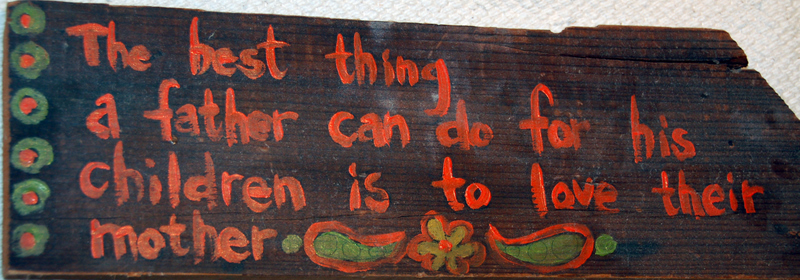
Appreciate your spouse.  Husband, wife, life partner, whatever. “The best thing a father can do for his children is to love their mother.” My grandpa made this sign for my dad, who later gave it to my husband.

Never stop learning.    He had a tough childhood in a poor,  immigrant family.  The kind where your Norwegian mama makes you take castor oil but you have to line your holey shoes with cardboard.  He had to drop out of school to work and never made it past about sixth grade.   But he valued education above all else, and sent his daughters to the best schools he could.  He was so proud of my mother, the first in her family to get a PhD.  As an adult, he chose to learn through experience.  Between the ages of 65 and 99 – and particularly after age 80 – he traveled the world.  (If you have a bucket list – Grandpa Olaf says to prioritize the Galapagos Islands.)

Make the effort to connect with people.  My grandpa was a pretty social guy, one who believed strongly in getting out there and talking with people. He also liked to help and volunteered his skills with a number of nonprofits, fixing things for seniors and building community theater sets.   He lived for the last decade or so of his life at the Holladay Park Plaza in Portland, Oregon; people there called him “The Mayor”.

Fight for what’s right.  A union member for nearly 70 years, my grandpa used to tell me stories about having to wear flannel pjs under his wafer-thin airplane mechanic uniform in the Minnesota sub-zero winter cold.  He was part of the fight for every benefit and workplace protection, from insulated uniforms and hearing protection to paid vacation to safety regulations.  He was really, really proud of that.

My daughter chatting with my Grandpa Olaf

Spend time with children.  I fondly remember my grandfather  reading the Brer Rabbit stories to me and my brother, but he also spun us wild yarns about a character of his own invention –  Redpants Cookie.  From what I remember of this young, maroon-chaps-wearing cowboy, he always returned safely home from his adventures to find a glass of milk and a plate of cookies.  (If I ever write a children’s book, this is it, so don’t go stealing my Redpants Cookie!)  What I didn’t realize until his memorial service was that, in addition to me, my brother, and our cousins, he had been Grandpa to his second wife’s grandchildren as well.

Talk about things, don’t bottle them up inside.  My grandfather was an airplane mechanic in the Pacific during World War II.  He saw a lot of stuff, but what really troubled him was taking the returning POWs  off the planes.  Like most of his generation, he didn’t talk about it for years.  In his 90s, however, he would recount in vivid detail the helpless and  emaciated bodies of these human rights victims. “I should have talked about this years ago,” he told me. ” I shouldn’t have kept it inside for so long.”

Don’t postpone joy.  After my grandmother died, he went on an Elderhostel trip to Russia; my step-grandmother was on the same trip.  When they returned, they decided to get married.  They had only known each other for about a month, but at their age (he was 80, she was 70) – they figured, why wait?  They were married for 21 years.

"Father of Waters" statue, complete with the toe to rub for good luck and the stairs my grandpa used to run up when delivering papers

Seek your luck.   As a boy in the late 1910s, he delivered papers in City Hall in Minneapolis.  His job required that he run, carrying a heavy bag of newspapers, up many flights of stairs to the offices.  There is a large marble sculpture, called “Father of Waters” after the nearby Mississippi River. According to legend, rubbing his big toe brings good luck.  My Grandpa Olaf paused every day on his paper route to rub the big toe of the “Father of Waters”.  Later in life, we visited the statue together.  This week, on the 104th anniversary of his birth, I went by myself to City Hall and I rubbed that marble toe.  I thought of my grandpa and all that he taught and me.  And all he continues to teach me.

Celebrating Grandpa Olaf's 100th birthday!

Le Respect

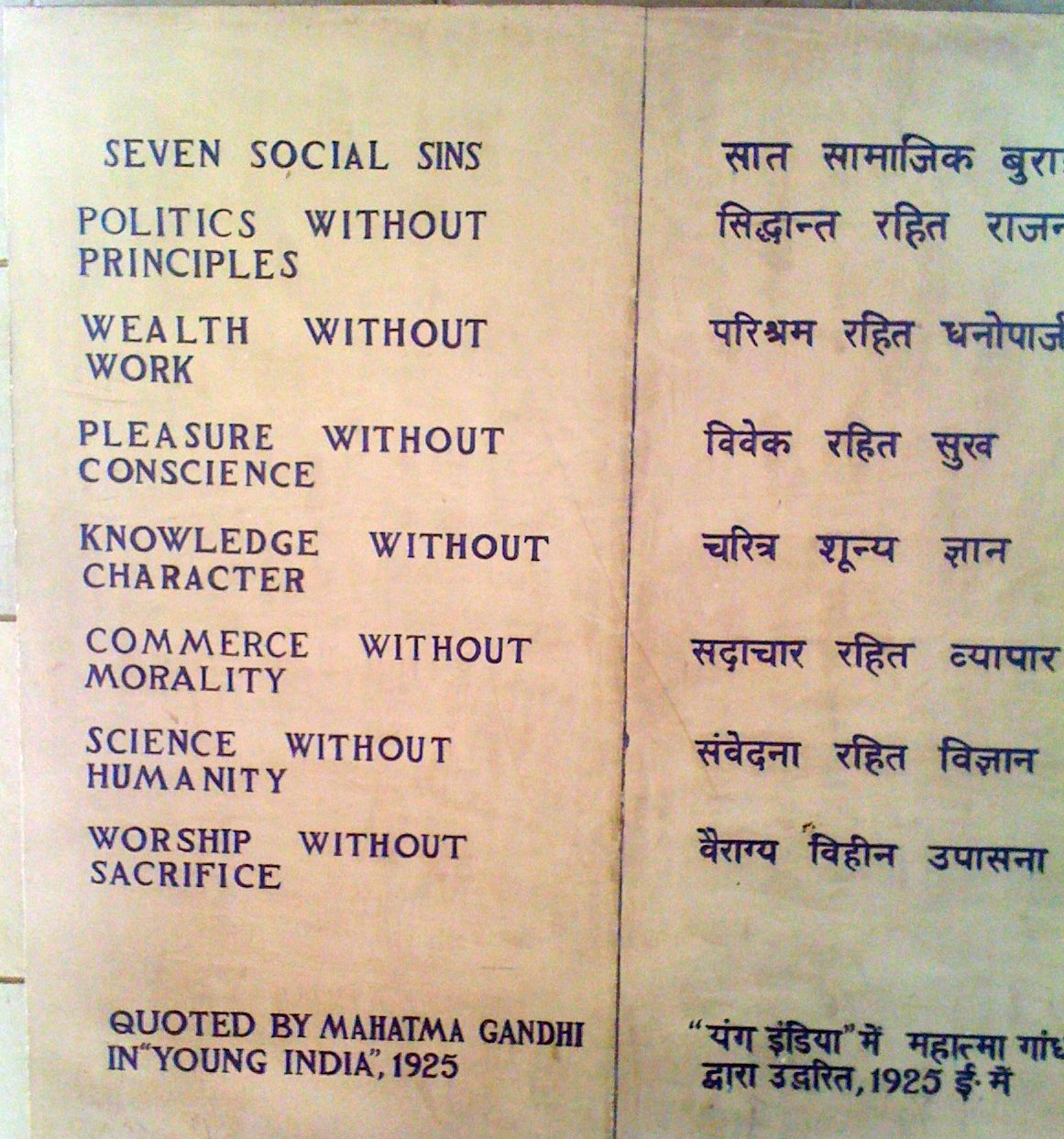
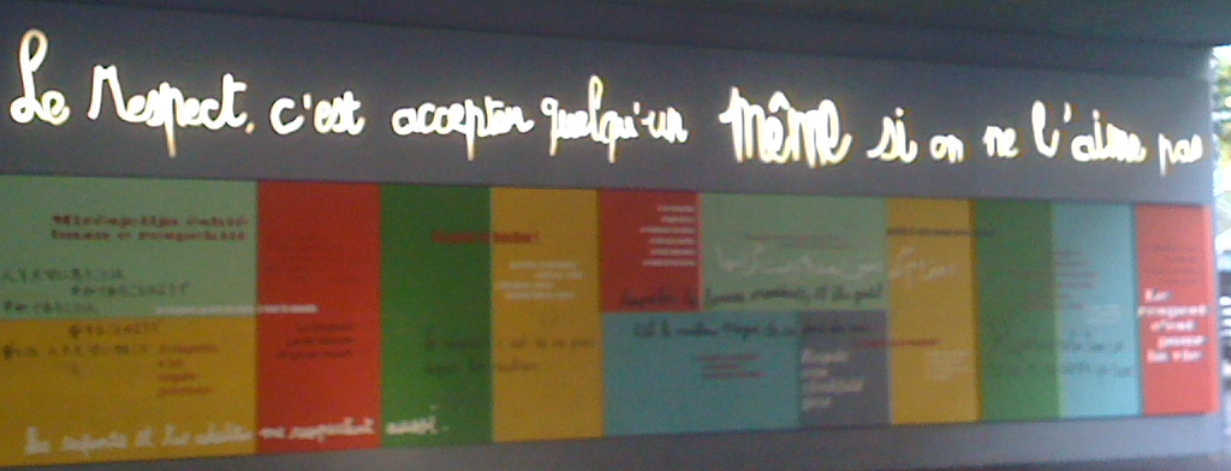
I was in Geneva last week and happened upon this bit of public art on my way to the tram.  “Le respect, c’est accepter quelqu’un même si on ne l’aime pas”. Translated loosely: “Respect is accepting someone even if you don’t like him.”

This was displayed on the wall of a school in the Pâquis neighborhood of Geneva (which you may recall is in the francophone part of la Suisse/Switzerland).  I lived in les Pâquis twice when I was in law school and have stayed there several times since when I have had work to do at the United Nations.

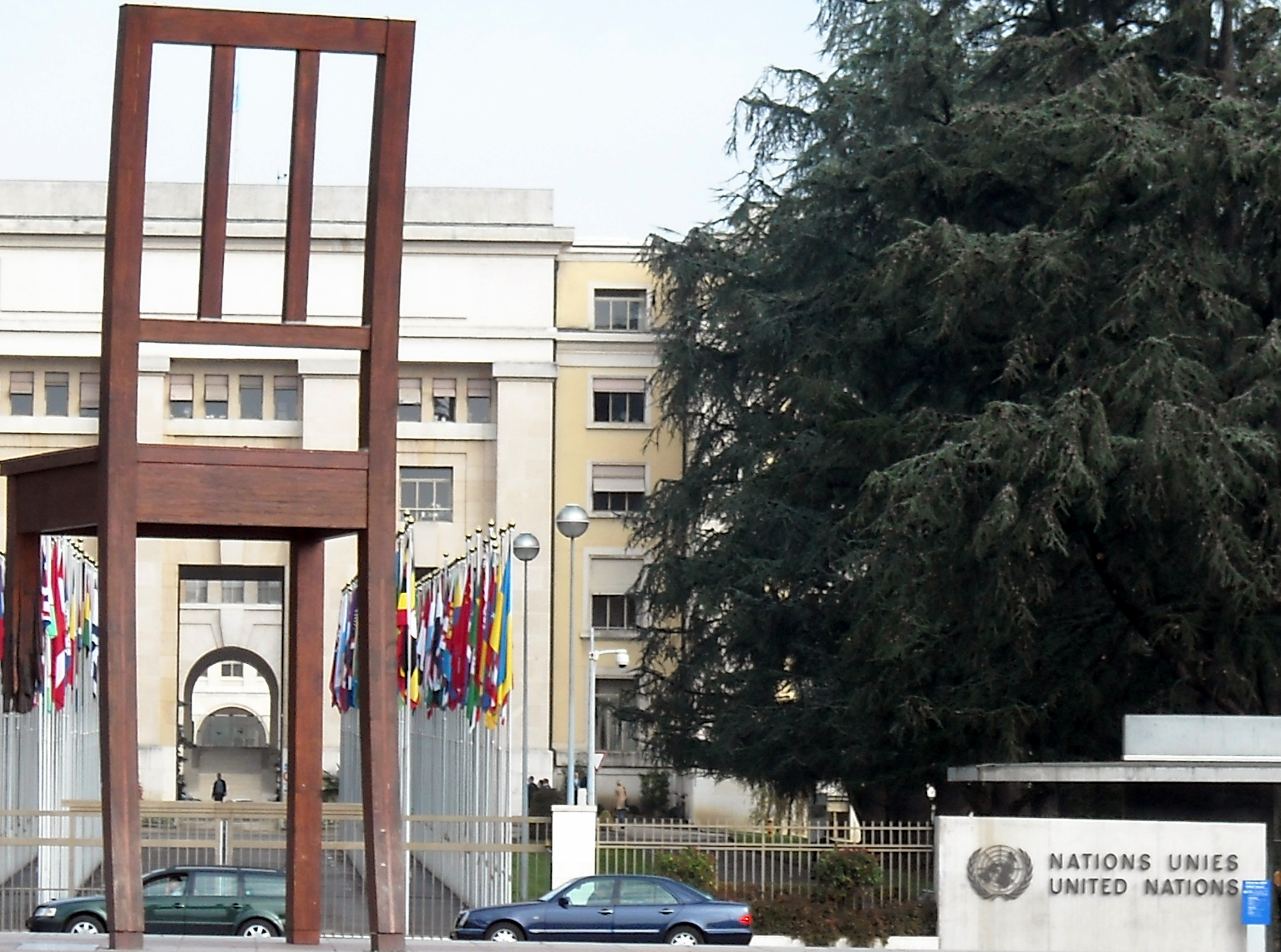
Palais des Nations, the former home of the League of Nations. The three-legged chair sculpture honors the victims of landmines worldwide.

In all my experiences in the neighborhood, however, I had failed to discover:

1) Tea Room la Vouivre (The Wyvern Tea Room) where Cary Grant’s sweet smirk is reflected in gilded mirrors as you enjoy your pain au chocolat and sip your cafe au lait from a Maoist pug dog cup;

2) Buvettes des Bains, the nude-beach-by-summer turns out to be (quelle surprise!) the best-fondue-place-in-the-world-by-winter;

3) the fabulous second hand shops (!!!!), where you can find vintage French dresses, designer Italian shoes, and hand-knit baby hats for 2 Swiss francs (this really deserves a separate post); and

4) the meaning of the word respect.

The school and the artwork is easy to find – it’s on Rue de la Navigation, just past the Melting Pot Ethiopian/Eritrean restaurant (which, in theory, also serves crêpes, although not the night I ate there).   On the other side of the mural, the sidewalk actually passes right through an elementary school playground.  Not a responsible adult in sight during recess, I almost got hit by a dodgeball and, sadly, couldn’t help pondering the stark contrast with the locked doors and color-coded alerts at my own children’s American schools.

There is a second mural as well:  Pour avoir des amis il faut les respecter.”    “To have friends you have to respect them.”   Both of these sayings make sense to me, but that wasn’t the real lightbulb moment for me.

The word respect, as the pictures of these walls illustrate, is both a noun and a verb.  According to the Random House Dictionary, Le respect – the noun – means “esteem for or a sense of the worth or excellence of a person, a personal quality or ability, or something considered as a manifestation of a personal quality or ability.”  Respecter, the verb, means “to hold in esteem or honor” or ““to show regard or consideration for.”   French dictionaries add a slightly different twist: “Le respect est une attitude qui consiste à ne porter atteinte à autrui.”  In other words, an attitude of not harming others.

The lightbulb moment I had on Rue de la Navigation, as I dodged balls on the place de jeux d l’école de Pâquis-Centre, was this:  respect requires both the noun and the verb.  You need the essential, positive, affirming elements of the subject/object (the noun). And you need to take action (the verb), including the action of NOT doing something harmful.

As the sign below says, much smaller and not in neon:

“The respect is a precious gift.”