Universal Children’s Day Photo Essay

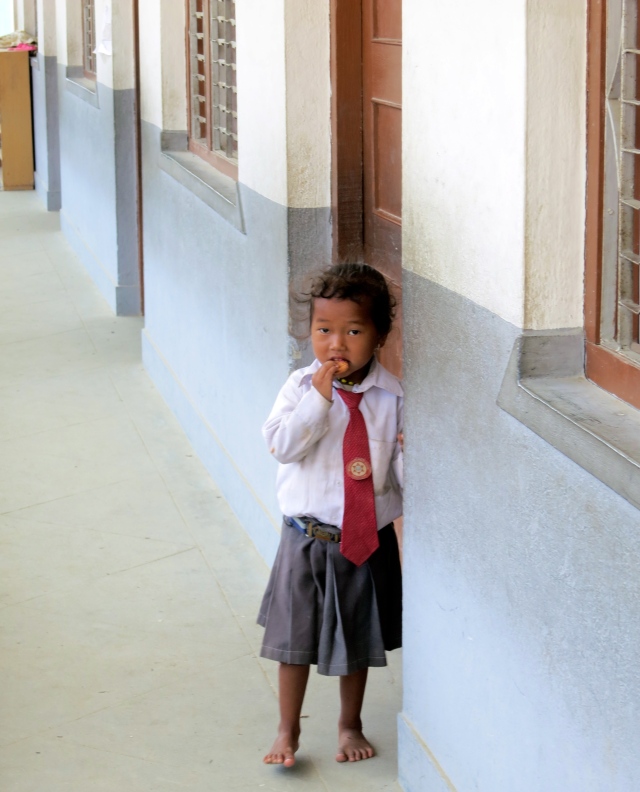
Nepal
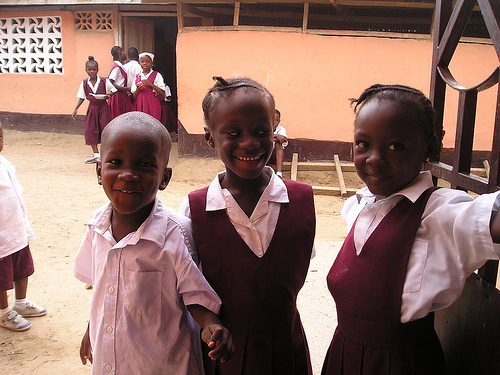
Children in Nepal

Today, November 20,  is Universal Children’s Day!  In 1954, the United Nations General Assembly established Universal Children’s Day to encourage all countries to take action to actively promote the welfare of the world’s children.   On November 20, 1959 the United Nations adopted the Declaration of the Rights of the Child.

Thirty years later, on November 20, 1989, the United Nations adopted the Convention on the Rights of the Child.  The Convention on the Rights of the Child is the first legally binding international instrument to incorporate the full range of human rightscivil, cultural, economic, political and social rights.  The Convention on the Rights of the Child has been acceded to or ratified by 193 countries –  more countries than any other international treaty.

One of the objectives of Universal Children’s Day is to raise awareness about the Convention on the Rights of the Child.  The Convention sets out the basic human rights that every child should have to develop to their fullest human potential, regardless of  where they live in the world. The four core principles of the Convention are non-discrimination; promoting the best interests of the child; the right to life, survival and development; and respect for the views of the child.  The Conventionalso protects children’s rights by setting standards that governments should provide in the areas of health care, education, and legal, civil and social services.

In honor of Universal Children’s Day 2013, I’m sharing a few of the rights guaranteed by the Convention along with photos of children I have taken around the world.

Article 1: “A child means every human being below the age of 18 years.”

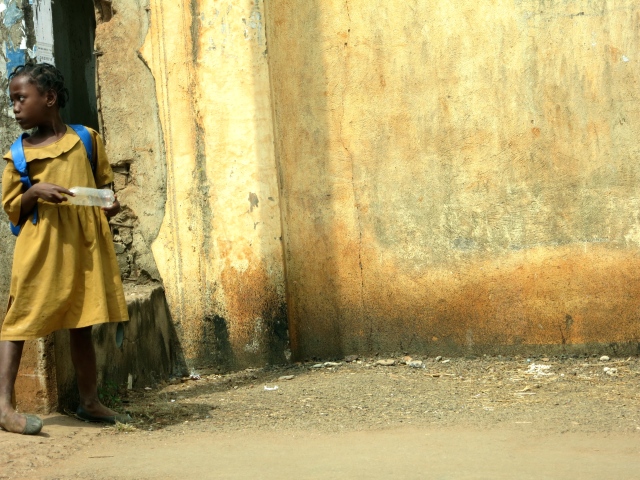
Yaounde, Cameroun
A child in Cameroon

Article 2:  Children must be treated “ … without discrimination of any kind, irrespective of … race, colour, sex, language, religion, political or other opinion, national, ethnic or social origin, property, disability, birth or other status.” 

A child in Zanzibar

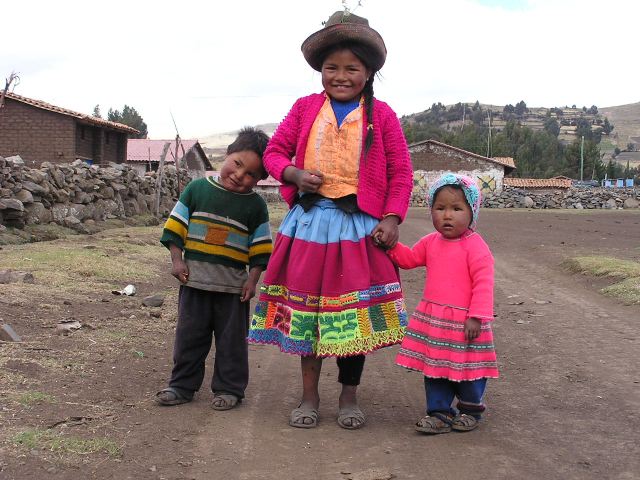
Article 3: “In all actions concerning children … the best interests of the child shall be a primary consideration.”

Peru
Children in Peru

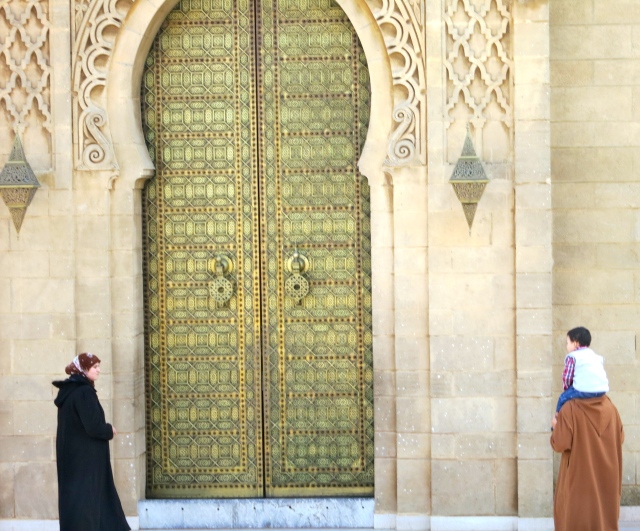
Articles 5 & 18: State signatories must “… respect the … rights and duties of parents … [and recognize that] both parents have common responsibilities for the upbringing … of the child.”

A family in Morocco
A family in Morocco

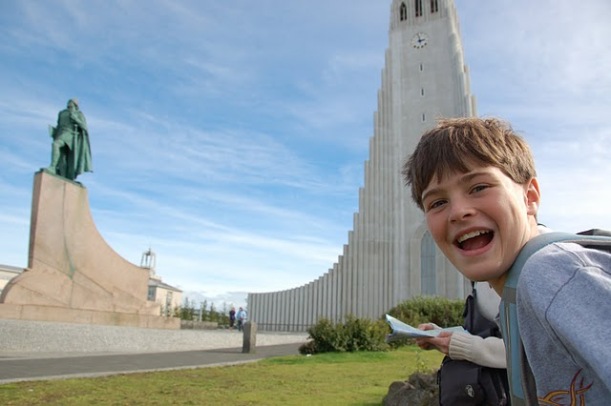
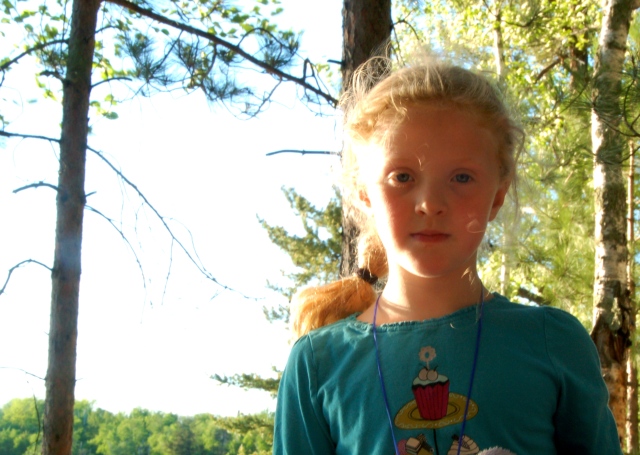
Articles 12-14: “… the child who is capable of forming his or her own views [has] the right to express those views [and] the right to freedom of … thought, conscience and religion.”

A child in Iceland

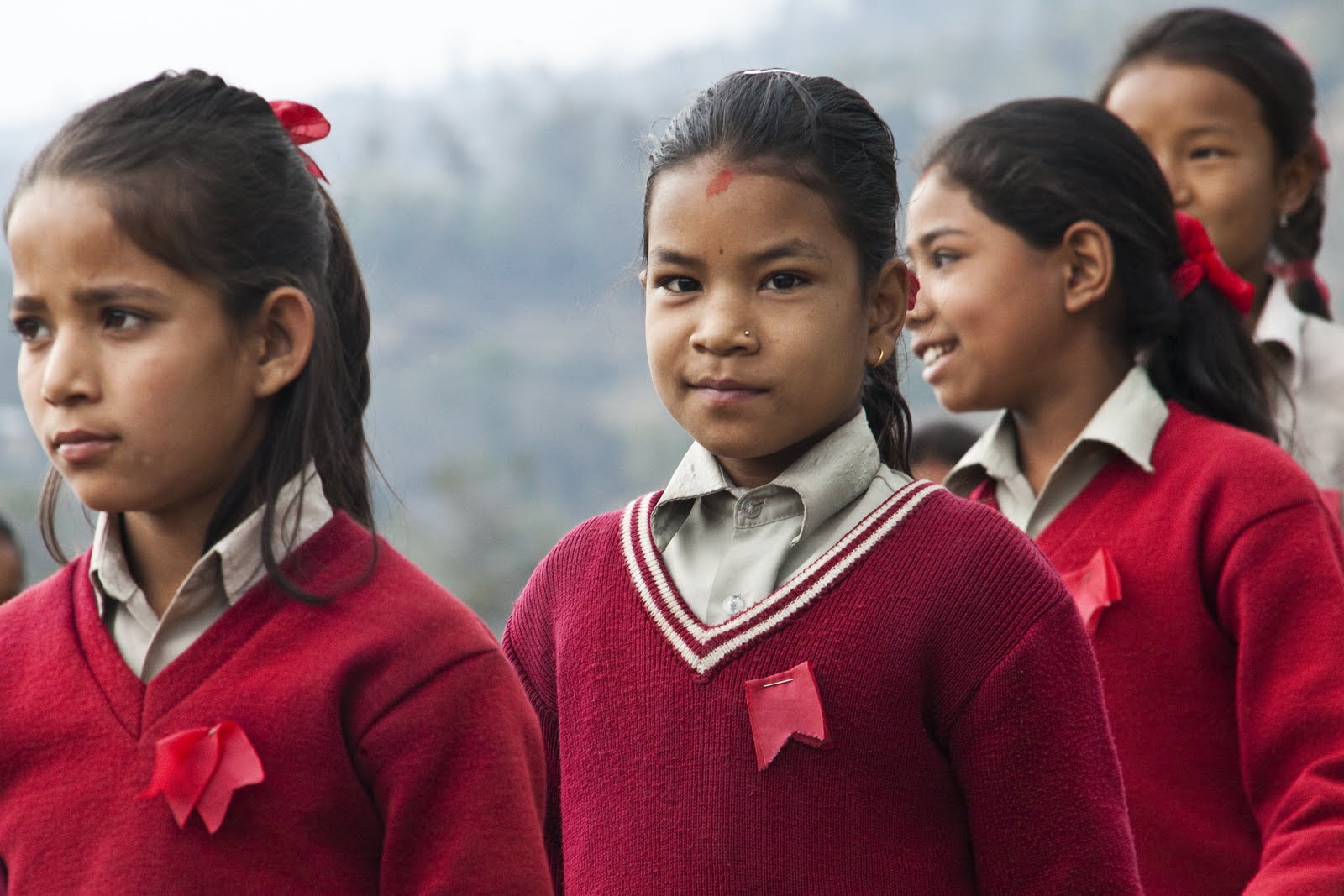
Article 19: Children must be protected from “… injury or abuse … including sexual abuse, while in the care of parents … or any other person….”

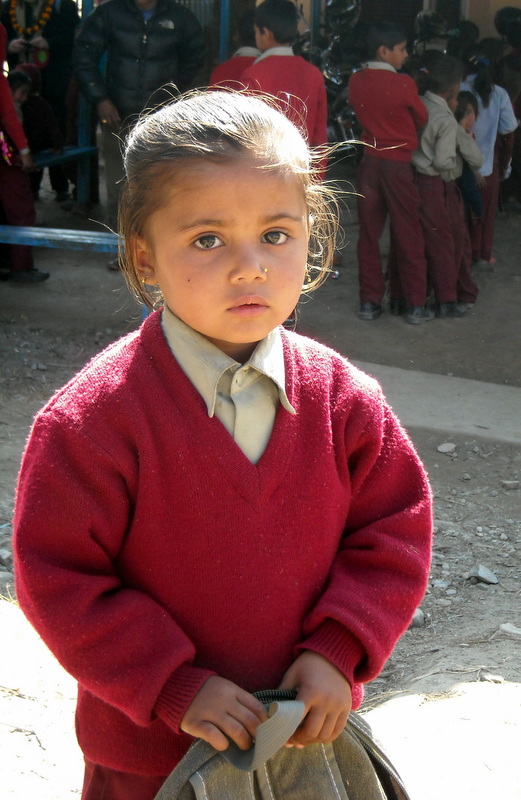
A child in Nepal
A child in Nepal

Article 22: “… a child who is seeking refugee status or who is … a refugee … [shall] receive appropriate protection and humanitarian assistance ….”

Buduburam, Ghana
Children in Buduburam Refugee Settlement in Ghana
 

Article 23: The State recognizes “… the right of the disabled child to special care” and the right to “… enjoy a full and decent life in conditions which ensure dignity ….”

IMG_1800

Article 24: All children have the right to “the highest attainable standard of health … [including access to] primary health care … nutritious foods and clean drinking-water.” 

Children in Norway

Article 27:  Every child has “the right to a standard of living adequate for [her/his] physical, mental, spiritual, moral and social development.”

A child in the USA
A child in the USA

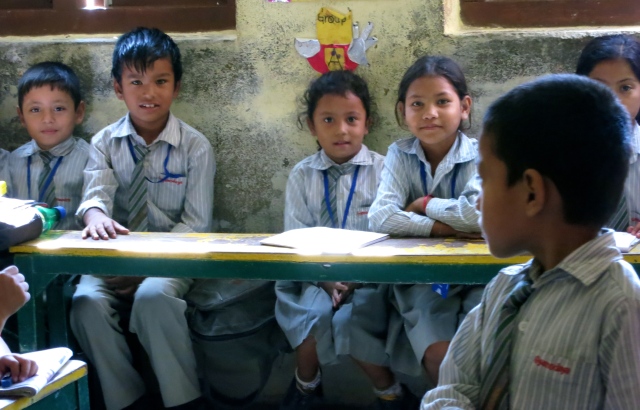
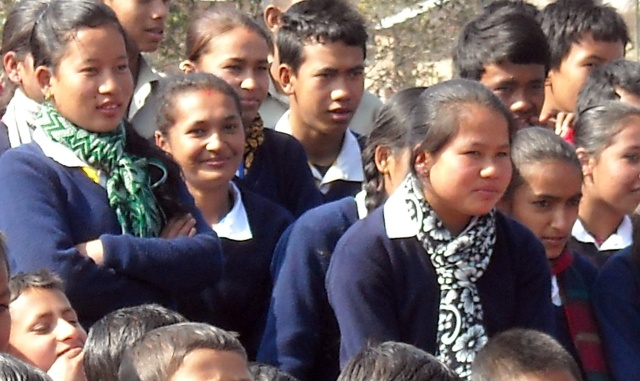
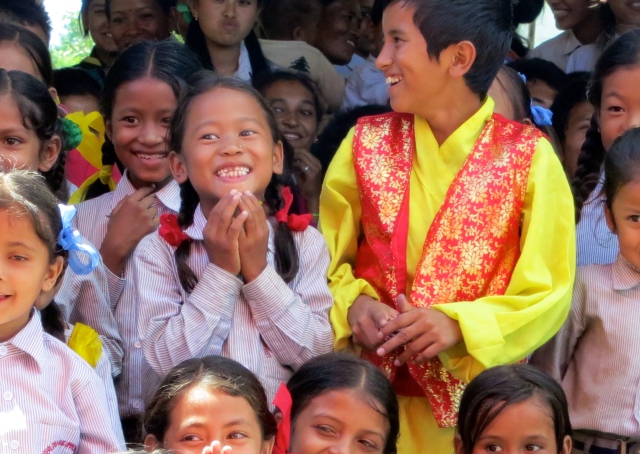
Articles 28 & 29:  State signatories must “recognize the right of a child to education…[that develops] the child’s personality, talents, mental and physical abilities.” 

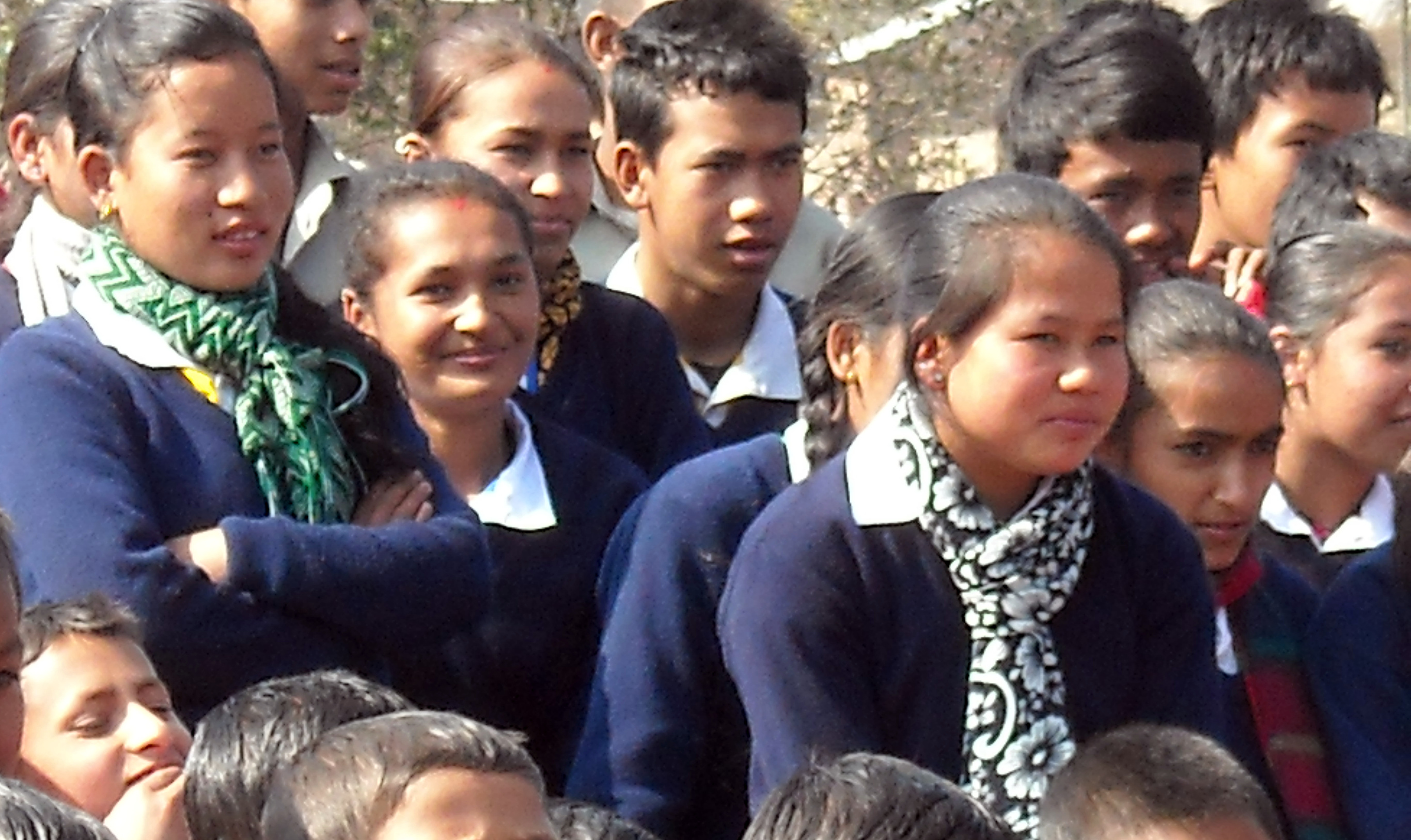
Children in  Nepal
Children in Nepal

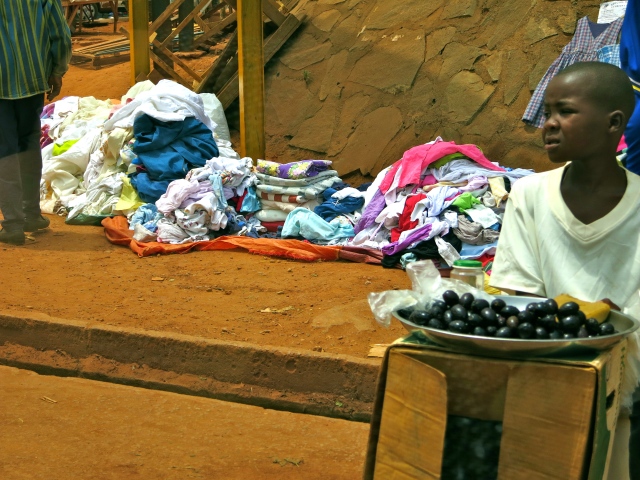
Articles 32 & 36:   Children must be “protected from economic exploitation … and from [hazardous] work [and] all other forms of exploitation. 

A child in Cameroon
A child in Cameroon

These are just some of the rights set forth in the Convention.  You can read the full text of the Convention on the Rights of the Child here.  

So on Universal Children’s Day 2013 (and every  other day), remember to:

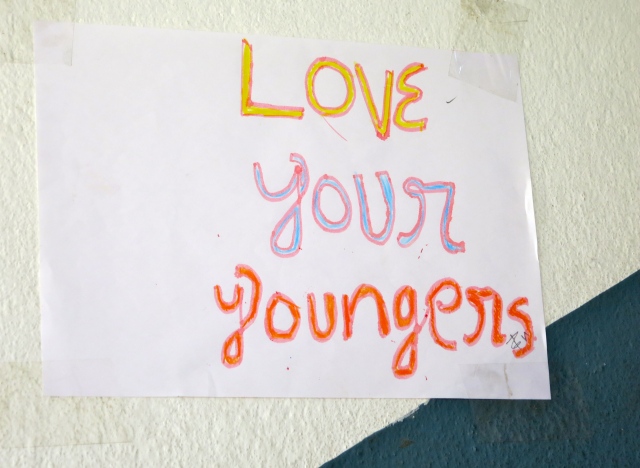
Love your youngers!  (Sign posted on the wall of a school in Nepal.)

“U Have To Struggle More”: A Poem for International Day of the Girl

Kanchi Photo - Young

Last year on the International Day of the Girl, I wrote about a girl named Kanchi and her determination to overcome all obstacles and obtain an education in rural Nepal.  The first in her family to go to school, Kanchi is now studying horticulture in university. She also writes poetry in her spare time and asked me to share the following poem that she wrote about her life.

It is a poem that seems particularly fitting on this,  the second  International Day of the Girl.

When I was born in small hut,

i’d be a heavy load,

i’d be a heavy load,

Anyhow i have to accept all the things

which were asked by father & mother

because i’m a daughter,

because i’m a daughter.

Father& Mother always used to say

that i don’t have any right to read & write

because 1 day i have to leave birth place

& i have to be someone’s wife,

i have to be someone’s wife.

They says that i cannot do anything in my life because

my life is like an egg which can

Creak at anytime if it falls,

Which never be join back,

which never be join back.

They say that to do household work,

that’s my big property &

during the time of my marriage

when i get more dowry,

during the time of my marriage

when i get more dowry.

These heart pinches words

collided in my ear,

my heart nearly go to burst,

,my heart nearly go to burst.

At that time my 1 heart says

that u have to leave this selfish world.

But another heart says that don’t get tired

to achieve goal u have to struggle more,

u have to struggle more.

INTERNATIONAL DAY OF THE GIRL:  KANCHI’S STORY

Originally published October 11, 2012 on The Advocates Post.

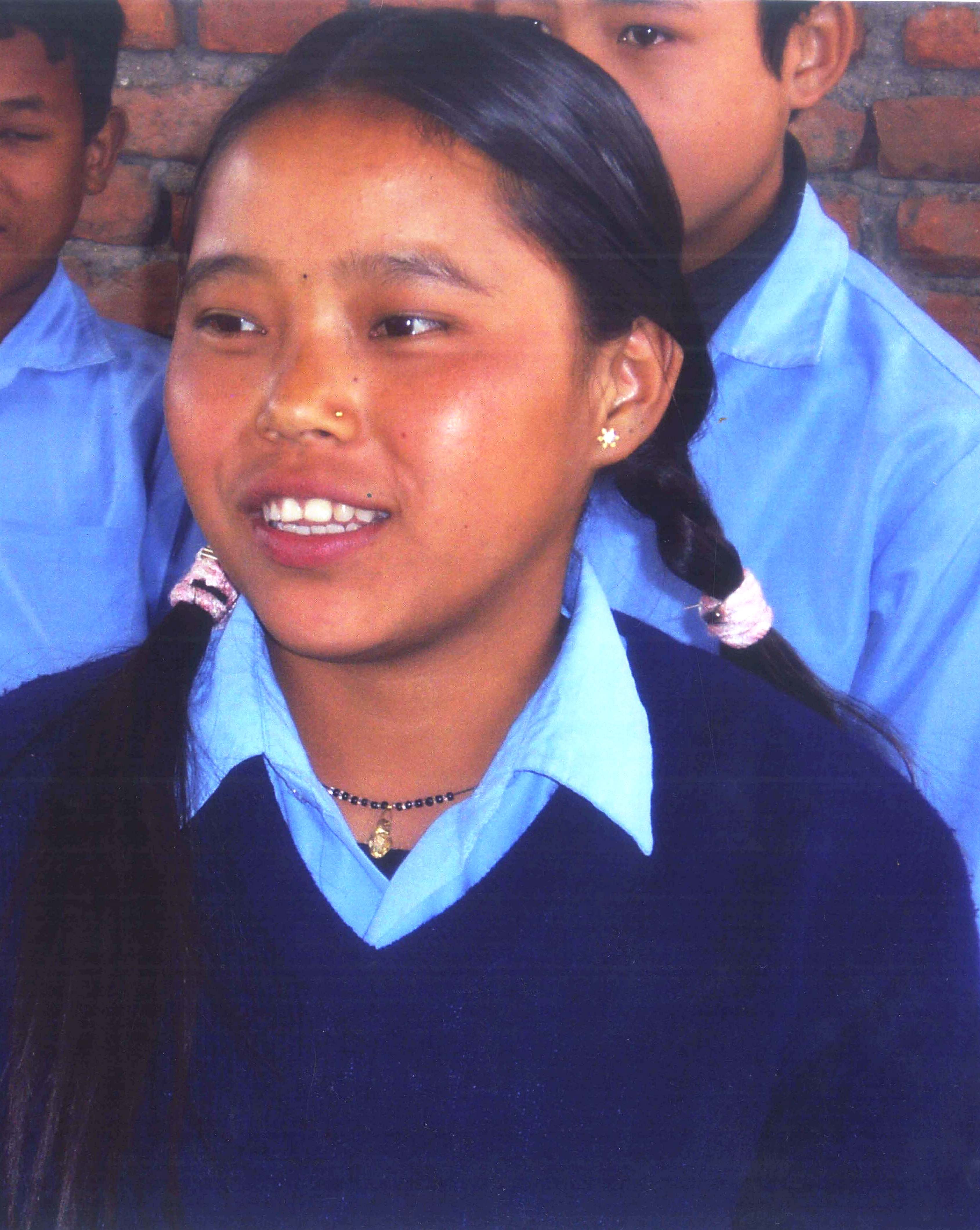
Every morning when I come into work, I am greeted by the smiling face of a young girl. Her hair is pulled neatly back into two braids, glossy black against her pink hairbands.  Her eyes, dark and alert, shine at me – I swear I can see them twinkle.

She wears the blue uniform of her school, the Sankhu-Palubari Community School in rural Nepal.  The Advocates for Human Rights supports the school to provide the right to education to the most disadvantaged kids in the area and to prevent them from becoming involved in child labor.  Photographs from the school hang on the walls of our office, reminders to us of the lives that we impact with our human rights work.

Even though I see her every day, until last month I had never met this cheerful young girl, a girl whose smile – even in a photo – comes from her core, seems to light her entire being. Until last month, I did not know that her name was Kanchi.  And I had never heard her incredible story.

*****

In 1999, Kanchi was six years old.  She lived with her family in a village in the Kathmandu Valley.  Her parents were poor farmers; they had only a little land and some cattle and they struggled to feed their family.  Kanchi was the youngest of six sisters.  She and her sisters (and also her  brother) had to help their parents in the fields and with household chores.  Kanchi’s job was also to take the cattle to the forest to graze.   Kanchi did not go to school.   There were many children in Nepal that did not go to school at that time, but girls, like Kanchi, were more likely than boys to work rather than go to school – particularly in rural areas like the Suntole district where she lived.

Kanchi was a very smart and determined little girl.  She wanted to go to school.   So when she heard that a new school was opening in the Sankhu-Palubari community – a school for kids who were not able to go to school because they couldn’t pay or were discriminated against – she was very excited.  She rushed off to tell her parents.  But her parents, who had never themselves been educated, were not as excited as Kanchi.  Why should they let her go to school?  Who would help feed the family? Why should they send her to school if she was only going to get married in a few years anyway?

Kanchi says that she cried for a month and begged her parents to let her go to school.  One day, teachers from the new school came to visit Kanchi’s parents to talk to them about the school. The teachers explained that it would help THEM if Kanchi could read and write.  They explained why it was important for all children to go to school, even girls.  They told them that all children – even the poorest, the lowest-caste, members of indigenous groups – had a right to education.

Kanchi’s older sisters, who had never had the opportunity to go to school, took her side. Instead getting an education, they had all married young and were working in the fields.  Kanchi’s sisters argued that Kanchi should go to school, take this opportunity for a life that would be different from theirs.  Finally, their parents agreed to let Kanchi go to school.

Kanchi started at the Sankhu-Palubari Community School in 1999, one of 39  students in the first kindergarten class.  To get to school, Kanchi had to walk one and a half hours each way.  There were many other obstacles along the way, too.  At various times, her parents wanted her to stop school and help them with farming.  But she stayed in school and worked hard. She told her parents,  “I want to do something different from the others.”

Kanchi liked her teachers and felt supported by them.  She felt that the best thing about the school was the teaching environment.  She stayed in school and was one of only two girls in the first class to graduate from 8th grade.  She continued on to high school and completed 12th grade at  Siddhartha College of Banepa in 2012.  The first in her family to go to school, Kanchi is also the first girl from the Sankhu-Palubari Community School to graduate from 12th grade.

I met Kanchi for the first time in September.  Almost exactly 13 years after this brave little girl started kindergarten, she is a lovely young woman who is preparing for her university entrance exams.  She plans to study agriculture  starting in January.   Her parents are proud of her and they are happy now – she has chosen the family profession – but Kanchi is interested in learning more about organic farming so she can bring techniques back to her village.  “I want to live a healthy life and give a healthy life to others,” she says.

Sitting in the principal’s office at Sankhu-Palubari Community School, I asked her what the school meant to her.  Kanchi said, “I gained from this school my life.  If I hadn’t learned to read and write, I would be a housewife.”  When asked about her sisters, she told me that they had made sure to send their own children to school.

In her free time, Kanchi likes to sing and dance and make handicrafts to decorate her room.  She likes to play with her sisters’ children.  She has a smile that lights the whole world.  She told me her nickname, Himshila.  She smiled when she told me it means “mountain snow, strong rock”.  Strong rock.  That seems just about right.

*****

October 11, 2012 is the first International Day of the Girl Child.  The United Nations has designated this day to promote the rights of girls, highlight gender inequalities and the challenges girls face, and address discrimination and abuse suffered by girls around the globe.  In many ways, the story of Kanchi and her sisters reflects the experience of girls in many countries throughout the world.  All over the world, girls are denied equal access to education, forced into child labor, married off at a young age, pressured to drop out of school because of their gender.

There are many good reasons to ensure access to education for girls like Kanchi, however. Educating girls is one of the strongest ways to improve gender equality.  It is also one the best ways to reduce poverty and promote economic growth and development.

“Investing in girls is smart,” says World Bank President, Robert Zoellick. “It is central to boosting development, breaking the cycle of intergenerational poverty, and allowing girls, and then women—50 percent of the world’s population—to lead better, fairer and more productive lives.”

The International Day of the Girl is a day to recommit ourselves to ensuring that girls like Kanchi have the chance to live their lives to their fullest possible potential.  To redouble our efforts to promote the rights of girls wherever they live in the world.   This first International Day of the Girl is also a day to honor girls like Kanchi.  A day to take the story of her success in one tiny corner of Nepal and shout it out, an inspiration for girls all around the world.  Girls like Kanchi with the strength, the bravery, the determination to change the world, but who  just need the opportunity.

Back to School

I haven’t been able to do much blogging this summer.  This photo may help explain why:

photo(1)

Today is the first day of school for my kids.  We had a great summer, but – clearly –  it is time for them to go back to to school!  Hopefully it also means that I will have a little more time to myself to think and write and post to The Human Rights Warrior.

In the meantime, here is a repost on The Importance of Educating Girls that I originally wrote for World Moms Blog in 2012.  The first day of school always makes me so thankful that my children, especially my daughter, are able to access their right to education.

The Importance of Educating Girls

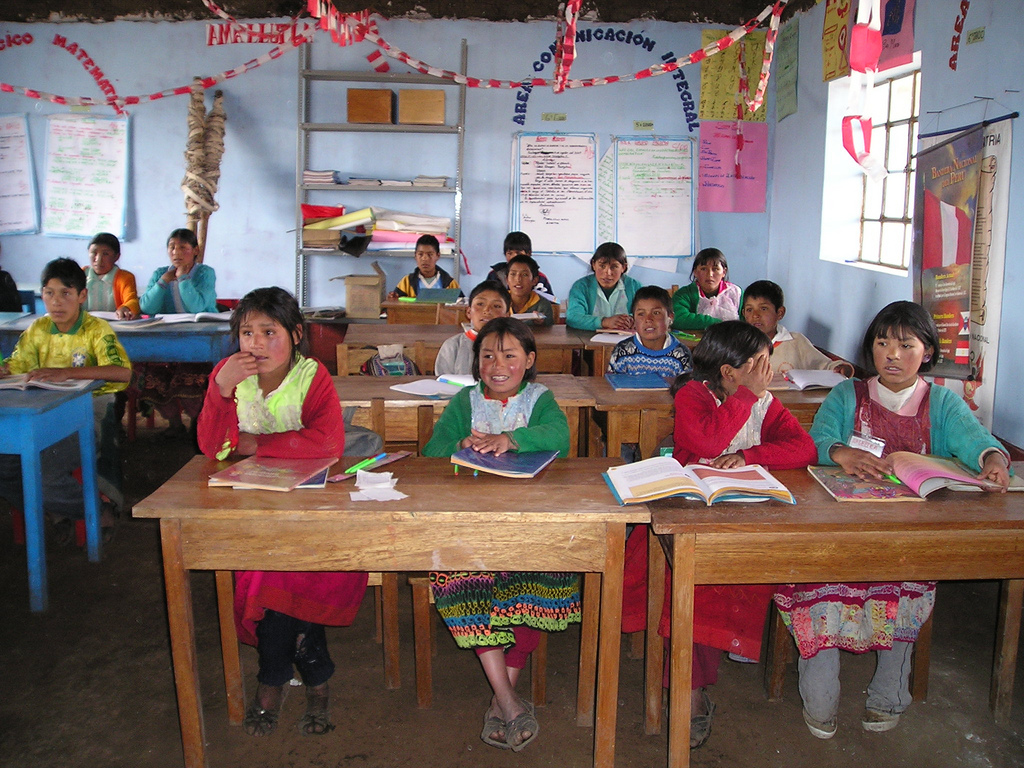
Fifth grade class in Chuchoquesera, Peru

When I visited the classroom pictured above in the Peruvian highlands back in 2004, I noticed that slightly more than half of the students were girls. I remarked on this fact to the human rights activist who was giving us the tour of this Quechua-speaking indigenous community.  He smiled sadly and said, “Yes, but this is fifth grade.  In sixth grade, children go to a lower secondary school that is farther away.  Most of the girls won’t go.  It takes too long to walk there and they are needed to help at home, so the parents won’t let them go.  Besides, most of them will be married soon.” Unfortunately, this is a situation that is repeated throughout the world

In the United States, where education is both compulsory and free, we often forget that the right to education is not meaningfully available in many parts of the world – especially for girls.  The UN estimates that there were more than 67 million primary school-age and 73 million lower secondary school-age children out of school worldwide in 2009.  In addition, an estimated 793 million adults lack basic literacy skills. The majority of them are women.

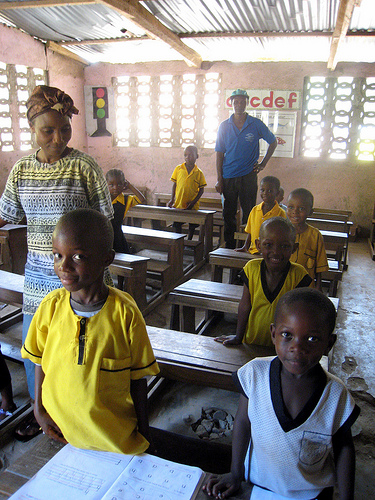
Since then, I have visited classrooms and asked questions about girls’ access to education in countries on several continents.  This is a photo I took at Buduburam Refugee Settlement in Ghana.

Kindergarten class, Buduburam Refugee Settlement, Ghana

Boys far outnumbered girls in this classroom, illustrating one of the problems for girls in accessing education.  When resources are scarce, parents will often choose to spend the money on school fees for their sons rather than their daughters.

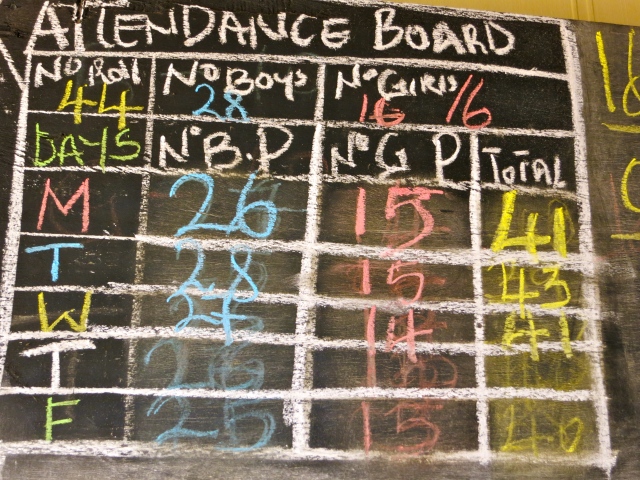
Boys also outnumbered girls at this school that I visited outside of Yaounde, Cameroon.

IMG_0327

Attendance Board in primary grade class in a school outside of Yaounde, Cameroon

There are many good reasons to ensure access to education for girls, however. Educating girls is one of the strongest ways to improve gender equality.  It is also one the best ways to promote economic growth and development.

“Investing in girls is smart,” says World Bank President, Robert Zoellick. “It is central to boosting development, breaking the cycle of intergenerational poverty, and allowing girls, and then women—50 percent of the world’s population—to lead better, fairer and more productive lives.”

Ensuring equal access to education for all girls by 2015 is part of the United Nations’ Millennium Development Goals, making this issue a major focus of work by the United Nations (for more info, check out the UN Girls’ Education Initiative site), the World Bank and many international non-governmental organizations.   October 11 has been designated as the International Day of the Girl Child to draw attention to the topic.
 
 
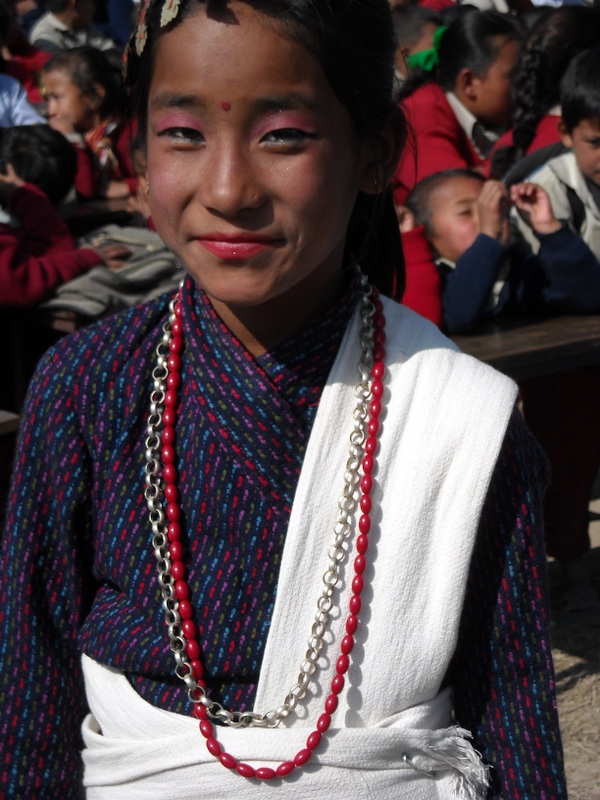
Fourth grade student at Sankhu-Palubari Community School wearing Newari traditional dress
 
On a much smaller scale, the Sankhu-Palubari Community School in Nepal is doing its part to encourage gender parity in education and  increase literacy rates.  The school works in partnership with The Advocates for Human Rights (the non-profit where I work) to prevent child labor and improve the lives and well-being of the neediest children in this community in the Kathmandu Valley. I travelled there in January for our annual monitoring visit.
 
Pre-K student at Sankhu-Palubari Community School, Nepal

This year, the school has successfully met goals for gender parity among students in both the primary and lower secondary grades. For the 2011-2012 school year, 147 of the 283 students in pre-school through eighth grade are girls. Additionally, and perhaps more significantly, 15 of the 31 students in ninth and tenth grade are young women.
 
9th Grade students at SPCS
 
Most of the students’ families work in agriculture.  They are farmers with little or no money to spare on school fees, uniforms and supplies.   Many of them are from disadvantaged groups such as the Tamang and Newari.  Indigenous group with their own cultures and languages, the indigenous students must learn Nepali as well as English when they come to school.  Frequently, the adults in the family are illiterate.
 
How has the teaching staff managed this success at keeping girls in school?  Since the school’s founding in 1999, the teachers have conducted outreach to parents and worked hard to encourage female students to attend and stay in school in spite of societal pressure to get married or enter domestic work. It took more than 10 years, but their efforts have paid off.  While girls worldwide generally are less likely to access, remain in, or achieve in school, 52% of the students in K-8th grades at the Sankhu-Palubari Community School this year are girls. And a girl is at the top of the class in most of the grades at SPCS.
 
The impact of the school both on the individual students and on the community over the past 12 years has been profound.  When I was there in March of 2011, we interviewed approximately 60% of the parents of SPCS students.  It was clear to me that parents value the education that their children are receiving and, seeing the value, have ensured that the younger siblings are also enrolled in school rather than put to work.  Twelve years ago, there were many students in the area out of school but now most are attending school. I could also see the physical benefits that the students derived from attending school when they stood next to their parents.  Even the 5th grade girls towered over their parents, illustrating the simple cause-and-effect of adequate nutrition, wellness checkups, and not having to work in the fields from a very young age.
 
The Sankhu-Palubari Community School may be a small school in a remote valley, but it is a place where the human right to education is alive and well, providing a better future for these children.  In particular, the effect that these girls have on their community, their country and – hopefully, the world – will be thrilling to watch.
 
I’ll be heading back to Nepal to visit the Sankhu-Palubari Community School in just a few weeks. Stay tuned!
 
Yaounde, Cameroon
Pre-K classroom at a school near Yaounde, Cameroon
 

Petites Bonnes: Child Domestic Labor in Morocco

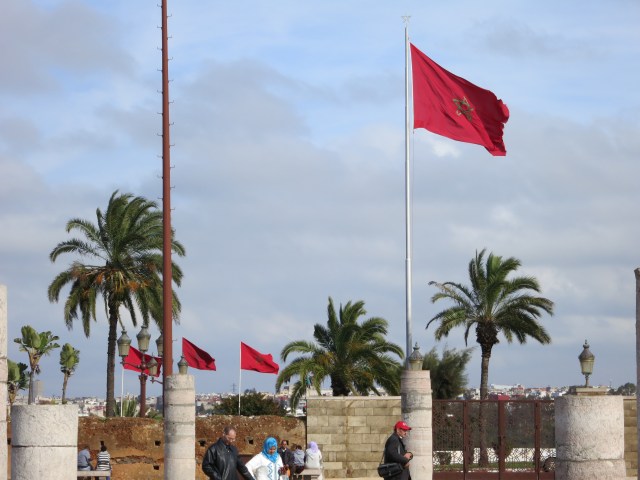
Today, on the World Day Against Child Labour, I am sharing this post that I wrote for World Moms Blog. Moroccan flag

While millions of tourists visit Morocco every year, very few are aware of  a hidden human rights abuse that is occurring behind closed doors in Morocco’s cities.   Morocco has one of the worst child domestic labor problems in North Africa.  The International Labour Organization (ILO) has estimated that between 66,000 and 88,000 children between the ages of 7 and 15 – 70% of whom are under age 12 –  are working as domestic servants in Morocco.

These children work long hours for little pay and often suffer physical and other forms of abuse. Because domestic work is “women’s work” in Morocco, the virtually all of these child domestic workers are girls. In Morocco (a country with a French colonial history), these child domestic workers are called petites bonnes or “little maids”.

I had the opportunity to learn more about the petites bonnes issue during a recent trip to Morocco.  The United States Department of Labor’s Bureau of International Labor Affairs describes the problem like this:

Young girls are sent to work as live-in domestic servants, often before they reach age 10. Parents sell their daughters or receive payment of wages in exchange for their daughters’ service. These petites bonnes (little maids) often face conditions of involuntary servitude, including long hours without breaks; physical, verbal and sexual abuse; withheld wages and even restrictions on their movement. Frequently, they are sent from rural villages to more urban areas, and find it difficult to make their way home. Most petites bonnes are denied an education, and illiteracy rates are high among this population.

The Difficult Life of a Petite Bonne

The situation of petites bonnes in Morocco results from a combination of poverty, gender inequality and lack of access to education.   Girls – some as young as my own  8-year-old daughter – are sent to work as petites bonnes to generate income to support their families.  They come from poor rural areas to work in cities such as Casablanca, Rabat, Marrakech, Tangiers, Agadir, and Fes.  Intermediaries generally broker the arrangement, receiving a fee from the employer. Petites bonnes interviewed by Human Rights Watch reported that their employers frequently beat and verbally abused them, denied them the chance to go to school, and sometimes even refused to provide them with adequate food and sleeping facilities.

In a strange city, separated from their families and often speaking a Berber language instead of the Arabic spoken by a majority of Moroccans, many petites bonnes are extremely isolated and vulnerable.  The isolation, along with the privacy of the homes, increases the chance of sexual abuse by male members of their employers’ household.  In fact, several studies have found that many unwed young mothers in shelters in Morocco were petites bonnes when they became pregnant.

The difficult life of a petite bonne sometimes ends tragically.  The widely reported story of little Khadija, an 11-year-old petite bonne who was beaten to death by her employer in July 2011, raised calls for the government to take action on the issue.  In January 2013, a 17 year old petite bonne in Casablanca attempted suicide by jumping from the fourth floor of her employers’ home.  Amateur video of the suicide attempt circulated on the internet shocked Moroccans.  Most recently, on March 24, 2013, a young domestic worker was taken to the hospital in Agadir with third degree burns on multiple parts of her body.  Only 14 years old, she died from the injuries allegedly inflicted by her employers, prompting a UN representative in Morocco to decry child domestic labor by girls as “one of the worst forms of child exploitation” and call on the government to take action.  Yet thousands of petites bonnes in Morocco continue to suffer in silence.

Gaps in Legal Protection

According to NGOs working to help petites bonnes in Morocco, part of the problem relates to gaps in and difficulties with implementation of Moroccan laws.   While Moroccan law prohibits employment of children under the age of 15,  Morocco’s Labor Code does not apply to domestic work.  Therefore, the Labor Codes’ protections for workers regarding hours worked (44 hours per week) and pay (2,333 dirhams or approximately $261 per month) do not apply. Human Rights Watch has documented that petites bonnes work long hours, often seven days a week.  They earn an average of 545 dirhams (approximately $61) per month, but some earn as little as 100 dirhans (approximately $11).

In addition, Morocco ratified the Convention on the Rights of the Child (CRC) in 1993 and the ILO Convention No 182 on the Worst Forms of Child Labor.  Both international treaties prohibit economic exploitation and employment of children in work that is likely to be hazardous, interfere with their education, or harm their health, safety or development.  Unfortunately, neither have been implemented in a way that provides adequate protection to the petites bonnes.

Some Progress

There is some indication that things are starting to change in Morocco.  The government and international human rights organizations report that the number of girls working as petites bonnes is declining.  This is due in part to the fact that public awareness about the problems faced by petites bonnes has been raised because of increased media attention to the issue and public education campaigns undertaken by the Moroccan government, NGOs, and United Nations agencies.   The Moroccan government has also taken steps to increase school enrollment and this has helped reduce the number of children engaged in child labor.

Yet still more needs to be done.  Since 2006, the government has been working on a draft law on domestic work that would for the first time establish a legal framework to better protect petites bonnes, secure rights such as a weekly day of rest and annual leave, and impose sanctions on employers.  The Moroccan government has said that the draft Law on Domestic Workers is one of its priorities, but the bill has not yet been considered and passed by Parliament.

Take Action on June 12 – World Day Against Child Labour!

The problem of child domestic workers is not unique to Morocco.  In fact, there are an estimated 15.5 million child domestic workers worldwide.  The widespread use of children as domestic servants is one of the most hidden forms of child labor.  The exploitation of children, particularly girl domestic workers like petites bonnes, is a serious violation of children’s rights.  It perpetuates inequality and inter-generational poverty, and deprives girls of their right to education, health, participation and protection.  It also prevents children from acquiring the life skills and education necessary to improve their future.

To draw attention to the issue of child labor, the United Nations has recognized June 12 as the World Day Against Child Labour.  In 2013, the focus is on child domestic workers like the petites bonnes of Morocco.  On the 2013 World Day Against Child Labour, the international community is calling for legislative and policy reforms to ensure the elimination of child labor in domestic work and the provision of decent work conditions and appropriate protection to young workers in domestic work who have reached the legal working age.  In Morocco, the government should:

•    Strictly enforce the minimum age of 15 for all employment (including domestic work) and ensure that all children (particularly girls) enjoy the right to free and compulsory basic education;

•    Adopt a domestic worker law that ensures compliance with the 2011 ILO Convention 189 on decent work for domestic workers

•    Create an effective system for identifying, removing and rehabilitating child domestic workers from illegal or abusive employment; and

•    Criminally prosecute individuals responsible for violence or other criminal offenses against child domestic workers.

In addition, the World Day Against Child Labour provides the opportunity for all of us to take action to build the worldwide movement against child labor.

Take Action to end child labor.  Learn what you can do to inform yourself and raise awareness in your community.  The ILO’s SCREAM (Supporting Children’s Rights through Education, the Arts and Media) programme has factsheets, presentations, postcards, poems, and more. The SCREAM education pack is available in multiple languages.

Join the 12to12 to End Child Labour community.  Learn more about the issue and join the 12to12 Community Portal, which provides a common platform for experience and knowledge sharing on research, activities and events  related to the World Day Against Child Labour.

Find out what kids and teens can do to help.  The ILO’s Youth in Action against Child Labour campaign has ideas, information,  videos and other resources to help young people take action to end child labor.

Make a pinwheel with your kids.  The pinwheel has become the symbol of the international fight against child labor.  The pinwheel campaign to raise awareness about child labor began in Brazil in 2004. The five blades of the pinwheel represent the different continents of the world and the wind that makes the pinwheel spin is the will to act and to pass on the message until all countries take adequate measures to end child labor. Download a kit to make a pinwheel to keep the movement going!


INTERNATIONAL DAY OF THE GIRL: Kanchi’s Story

Every morning when I come into work, I am greeted by the smiling face of a young girl. Her hair is pulled neatly back into two braids, glossy black against her pink hairbands.  Her eyes, dark and alert, shine at me – I swear I can see them twinkle.

She wears the blue uniform of her school, the Sankhu-Palubari Community School in rural Nepal.  The Advocates for Human Rights supports the school to provide the right to education to the most disadvantaged kids in the area and to prevent them from becoming involved in child labor.  Photographs from the school hang on the walls of our office, reminders to us of the lives that we impact with our human rights work.

Even though I see her every day, until last month I had never met this cheerful young girl, a girl whose smile – even in a photo – comes from her core, seems to light her entire being. Until last month, I did not know that her name was Kanchi.  And I had never heard her incredible story.

*****

In 1999, Kanchi was six years old.  She lived with her family in a village in the Kathmandu Valley.  Her parents were poor farmers; they had only a little land and some cattle and they struggled to feed their family.  Kanchi was the youngest of six sisters.  She and her sisters (and also her  brother) had to help their parents in the fields and with household chores.  Kanchi’s job was also to take the cattle to the forest to graze.   Kanchi did not go to school.   There were many children in Nepal that did not go to school at that time, but girls, like Kanchi, were more likely than boys to work rather than go to school – particularly in rural areas like the Suntole district where she lived.

Kanchi was a very smart and determined little girl.  She wanted to go to school.   So when she heard that a new school was opening in the Sankhu-Palubari community – a school for kids who were not able to go to school because they couldn’t pay or were discriminated against – she was very excited.  She rushed off to tell her parents.  But her parents, who had never themselves been educated, were not as excited as Kanchi.  Why should they let her go to school?  Who would help feed the family? Why should they send her to school if she was only going to get married in a few years anyway?

Kanchi says that she cried for a month and begged her parents to let her go to school.  One day, teachers from the new school came to visit Kanchi’s parents to talk to them about the school. The teachers explained that it would help THEM if Kanchi could read and write.  They explained why it was important for all children to go to school, even girls.  They told them that all children – even the poorest, the lowest-caste, members of indigenous groups – had a right to education.

Kanchi’s older sisters, who had never had the opportunity to go to school, took her side. Instead getting an education, they had all married young and were working in the fields.  Kanchi’s sisters argued that Kanchi should go to school, take this opportunity for a life that would be different from theirs.  Finally, their parents agreed to let Kanchi go to school.

Kanchi started at the Sankhu-Palubari Community School in 1999, one of 39  students in the first kindergarten class.  To get to school, Kanchi had to walk one and a half hours each way.  There were many other obstacles along the way, too.  At various times, her parents wanted her to stop school and help them with farming.  But she stayed in school and worked hard. She told her parents,  “I want to do something different from the others.”

Kanchi liked her teachers and felt supported by them.  She felt that the best thing about the school was the teaching environment.  She stayed in school and was one of only two girls in the first class to graduate from 8th grade.  She continued on to high school and completed 12th grade at  Siddhartha College of Banepa in 2012.  The first in her family to go to school, Kanchi is also the first girl from the Sankhu-Palubari Community School to graduate from 12th grade.

I met Kanchi for the first time in September.  Almost exactly 13 years after this brave little girl started kindergarten, she is a lovely young woman who is preparing for her university entrance exams.  She plans to study agriculture  starting in January.   Her parents are proud of her and they are happy now – she has chosen the family profession – but Kanchi is interested in learning more about organic farming so she can bring techniques back to her village.  “I want to live a healthy life and give a healthy life to others,” she says.

Sitting in the principal’s office at Sankhu-Palubari Community School, I asked her what the school meant to her.  Kanchi said, “I gained from this school my life.  If I hadn’t learned to read and write, I would be a housewife.”  When asked about her sisters, she told me that they had made sure to send their own children to school.

In her free time, Kanchi likes to sing and dance and make handicrafts to decorate her room.  She likes to play with her sisters’ children.  She has a smile that lights the whole world.  She told me her nickname, Himshila.  She smiled when she told me it means “mountain snow, strong rock”.  Strong rock.  That seems just about right.

*****

October 11, 2012 is the first International Day of the Girl Child.  The United Nations has designated this day to promote the rights of girls, highlight gender inequalities and the challenges girls face, and address discrimination and abuse suffered by girls around the globe.  In many ways, the story of Kanchi and her sisters reflects the experience of girls in many countries throughout the world.  All over the world, girls are denied equal access to education, forced into child labor, married off at a young age, pressured to drop out of school because of their gender.

There are many good reasons to ensure access to education for girls like Kanchi, however. Educating girls is one of the strongest ways to improve gender equality.  It is also one the best ways to reduce poverty and promote economic growth and development.

“Investing in girls is smart,” says World Bank President, Robert Zoellick. “It is central to boosting development, breaking the cycle of intergenerational poverty, and allowing girls, and then women—50 percent of the world’s population—to lead better, fairer and more productive lives.”

The International Day of the Girl is a day to recommit ourselves to ensuring that girls like Kanchi have the chance to live their lives to their fullest possible potential.  To redouble our efforts to promote the rights of girls wherever they live in the world.   This first International Day of the Girl is also a day to honor girls like Kanchi.  A day to take the story of her success in one tiny corner of Nepal and shout it out, an inspiration for girls all around the world.  Girls like Kanchi with the strength, the bravery, the determination to change the world, but who  just need the opportunity.
Originally published on The Advocates Post.

The Importance of Educating Girls


Fifth grade class in Chuchoquesera, Peru

When I visited the classroom pictured above in the Peruvian highlands back in 2004, I noticed that slightly more than half of the students were girls. I remarked on this fact to the human rights activist who was giving us the tour of this Quechua-speaking indigenous community.  He smiled sadly and said,

“Yes, but this is fifth grade.  In sixth grade, children go to a lower secondary school that is farther away.  Most of the girls won’t go.  It takes too long to walk there and they are needed to help at home, so the parents won’t let them go.  Besides, most of them will be married soon.”

Unfortunately, this is a situation of gross inequality for girls that is repeated in communities throughout the world.

In the United States, where education is both compulsory and free, we often forget that the right to education is not meaningfully available in many parts of the world – especially for girls.  The UN estimates that there were more than 67 million primary school-age and 73 million lower secondary school-age children out of school worldwide in 2009.  In addition, an estimated 793 million adults lack basic literacy skills. The majority of them are women.

Since then, I have visited classrooms and asked questions about girls’ access to education in countries on several continents.  This is a photo I took at Buduburam Refugee Settlement in Ghana.

Kindergarten class, Buduburam Refugee Settlement, Ghana

Boys far outnumbered girls in this classroom, illustrating another of the problems for girls in accessing education.  When resources are scarce, parents will often choose to spend the money on school fees for their sons rather than their daughters.

There are many good reasons to ensure access to education for girls, however. Educating girls is one of the strongest ways to improve gender equality.  It is also one the best ways to promote economic growth and development.

“Investing in girls is smart,” says World Bank President, Robert Zoellick. “It is central to boosting development, breaking the cycle of intergenerational poverty, and allowing girls, and then women—50 percent of the world’s population—to lead better, fairer and more productive lives.”

Ensuring equal access to education for all girls by 2015 is part of the United Nations’ Millennium Development Goals, making this issue a major focus of work by the United Nations (for more info, check out the UN Girls’ Education Initiative site), the World Bank and many international non-governmental organizations.   October 11  has been designated as the International Day of the Girl Child to draw attention to the topic.
Nepal
On a much smaller scale, the Sankhu-Palubari Community School in Nepal is doing its part to encourage gender parity in education and  increase literacy rates.  The school works in partnership with The Advocates for Human Rights (the non-profit where I work) to prevent child labor and improve the lives and well-being of the neediest children in this community in the Kathmandu Valley. I travel there regularly to monitor progress at the school.
 cropped-spcs-program1.jpg
 For several years, the school has successfully met goals for gender parity among students in both the primary and lower secondary grades. For the 2011-2012 school year, 147 of the 283 students in pre-school through eighth grade are girls. Additionally, and perhaps more significantly, 15 of the 31 students in ninth and tenth grade are young women.
Pre-K student at Sankhu-Palubari Community School, Nepal

Most of the students’ families work in agriculture.  They are farmers with little or no money to spare on school fees, uniforms and supplies.   Many of them are from disadvantaged groups such as the Tamang and Newari.  Indigenous group with their own cultures and languages, the indigenous students must learn Nepali as well as English when they come to school.  Frequently, the adults in the family are illiterate.
 

 9th Grade students at SPCS

How has the teaching staff managed this success at keeping girls in school?  Since the school’s founding in 1999, the teachers have conducted outreach to parents and worked hard to encourage female students to attend and stay in school in spite of societal pressure to get married or enter domestic work. It took more than 10 years, but their efforts have paid off.  While girls worldwide generally are less likely to access, remain in, or achieve in school, 52% of the students in K-8th grades at the Sankhu-Palubari Community School this year are girls. And a girl is at the top of the class in most of the grades at SPCS.

The impact of the school both on the individual students and on the community over the past 12 years has been profound.  When I was there in March of 2011, we interviewed approximately 60% of the parents of SPCS students.  It was clear to me that parents value the education that their children are receiving and, seeing the value, have ensured that the younger siblings are also enrolled in school rather than put to work.  Twelve years ago, there were many students in the area out of school but now most are attending school. I could also see the physical benefits that the students derived from attending school when they stood next to their parents.  Even the 5th grade girls towered over their parents, illustrating the simple cause-and-effect of adequate nutrition, wellness checkups, and not having to work in the fields from a very young age.

The Sankhu-Palubari Community School may be a small school in a remote valley, but it is a place where the human right to education is alive and well, providing a better future for these children.  In particular, the effect that these girls have on their community, their country and – hopefully, the world – will be thrilling to watch.


This post was originally written for World Moms Blog.
Photo credit for photo to Dulce Foster

The Right to Education

Photo by Dulce Foster
As my own daughter headed back to school, I found myself thinking about another group of girls at a school halfway around the world.  Unlike my three kids, who are driven to their well-appointed classrooms on the first day because they have too many school supplies to carry, the kids at the Sankhu-Palubari Community School (SPCS) in Nepal do their work on rickety desks in cramped classrooms.  These kids in pre-K through 10th grade walk to school – some an hour each way – six days a week because this school provides the opportunity to realize their human right to education.
 In the United States, where education is both compulsory and free, we often forget that the right to education is not meaningfully available in many parts of the world – especially for girls.  The UN estimates that there were more than 67 million primary school-age and 73 million lower secondary school-age children out of school worldwide in 2009.  In addition, an estimated 793 million adults lack basic literacy skills. The majority of them are women.
Sankhu-Palubari Community School
Photo by Dulce Foster
     Overwhelming as those numbers are, there are pinpricks of light that give me hope that they will someday change.  I saw one when I visited Nepal for the first time in March 2011.  Opened inSeptember 1999, the Sankhu-Palubari Community School is a partnership between The Advocates for Human Rights, Hoste Hainse (a Nepali NGO), the local School Management Committee, and the dedicated teaching staff.  The school now enrolls more than300 students in grades pre-K-9, and also provides scholarships for graduates who continue on to 10th grade.
The goals of the Sankhu-Palubari Community School Project are to prevent child labor, encourage gender parity in education, increase literacy rates, and improve the lives and well-being of the neediest children in the area.   This year, the school has successfully met goals for gender parity among students in both the primary and lower secondary grades. For the 2011-2012 school year, 147 of the 283 students in pre-school through eighth grade are girls. Additionally, and perhaps more significantly, 15 of the 31 students in ninth and tenth grade are young women.
Since the school’s founding in 1999, the teachers have conducted outreach to parents and worked hard to encourage female students to attend and stay in school in spite of societal pressure to get married or enter domestic work. Their efforts have paid off.  While girls worldwide generally are less likely to access, remain in, or achieve in school, 52% of the students in K-8th grades at the Sankhu-Palubari Community School this year are girls. And a girl is at the top of the class in most of the grades at SPCS.
     Most of the students’ families work in agriculture.  They are farmers with little or no money to spare on school fees, uniforms and supplies.   Many of them are from disadvantaged groups such as the Tamang.  An indigenous group with their own culture and language, the Tamang students must learn Nepali as well as English when they come to school.  Frequently, the adults in the family are illiterate.
8th Grade Class
Photo by Dulce Foster
The impact of the school both on the individual students and on the community over the past 12 years has been profound.  As part of our evaluation and monitoring process, our team interviewed approximately 60% of the parents of students atthe school in March.  It was clear to me that parents value the education that their children are receiving and, seeing the value, have ensured that the younger siblings are also enrolled in school rather than put to work.  Twelve year sago, there were many students in the area out of school but now most are attending school. I could also see the physical benefits that the students derived from attending school when they stood next to their parents.  Even the 5th grade girls towered over their parents, illustrating the simple cause-and-effect of adequate nutrition, wellness checkups, and not having to work in the fields from a very young age.
      Challenges certainly remain, particularly as the cost of operating the school continues to rise. But so far two classes of students who started at the school in kindergarten have graduated from the 10th grade; they all received either high distinction or first division on their School Leaving Certificate examinations.
Morning Assembly
Photo by Dulce Foster
The Sankhu-Palubari Community School may be a small school in a remote valley, but it is a place where the human right to education is alive and well, providing a better future for these children.  In particular, the effect that these girls have on their community, their country and – hopefully, the world – will be thrilling to watch.