Nightmare for Nigeria’s School Girls

On the night of April 14, dozens of armed men showed up at the dormitory of the Government Girls Secondary school in Chibok in northeastern Nigeria.  Dressed in Nigerian military uniforms, they told the girls that they were there to take them to safety and herded the girls into trucks and onto motorcycles.  At first, the girls believed them. But when the men started shooting their guns into the air and shouting, “Allahu Akbar,”  they realized that the men were militants from Boko Haram and that they were in serious danger.

Forty-three girls managed to escape by running away or jumping out of the trucks. But as many as 234 school girls between the ages of 12 and 17 were kidnapped, disappearing into the night without a trace. (Update 5/4/14: it is now believed that as many at 276 girls were abducted.) Two weeks later, their parents still have no idea where they are. And yesterday, village elders from Chibok told reporters that they had received information that the abducted girls were taken across the borders to Chad and Cameroon and sold as brides to Islamist militants for 2,000 naira (about $12).

While unconfirmed, these reports are a chilling reminder of the threat of sexual violence faced by women and girls in conflict zones. 

The girls who were abducted were targeted simply because they were exercising their right to go to school, out of the ordinary for a girl in Nigeria. Access to basic education for girls has remained low, particularly in the northern region which has the  lowest girl child enrollment in Nigeria —in 2008 the net enrollment rate for girls into secondary school was only 22 percent.  The girls (who were both Christian and Muslim) at the Government Girls Secondary School in Chibok must each have been determined to get an education in spite of tremendous odds.  The fact that these girls were also risking violence to be in school illustrates how important the right to education was to each of them.

How could this happen? And why?
Boko Haram is a violent insurgent group that has killed thousands of people since 2009, purportedly in an attempt to establish an Islamist state in northern Nigeria. Although the Nigerian government has issued a state of emergency in three northern states, attacks on villages in northern Nigeria have displaced more than 470,000 people—mostly women and children, according to the UN High Commissioner for RefugeesSince early 2014, Boko Haram’s attacks have been increasingly violent, targeting remote villages, markets, hospitals, and schools.  Boko Haramis responsible for at least 1500 deaths so far in 2014.

Boko Haram also has a history of taking hostages as “slaves.” In May 2013, Boko Haram leader Abubakar Sheku released a video saying that Boko Haram had taken women and children, including teenage girls, as hostages as part of its latest campaign. These hostages would be treated as “slaves,” he said.  This has raised concern among the family members of those abducted that “Boko Haram is adhering to the ancient Islamic belief that women captured during war are slaves with whom their ‘masters’ can have sex.  Regardless of alleged rationale, enslavement, imprisonment, forced labor, rape and sexual slavery are all serious violations of international law.  They are defined by the Rome Statute of the International Criminal Court as crimes against humanity.

The group has repeatedly attacked schools in northern Nigeria. Boko Haram means “Western education is forbidden”  in the Hausa language. Boko Haram has set schools on fire and detonated bombs at university campus churches. In early February, armed gunmen abducted 20 female students at Goverment Girls Science College in the village of Konduga. On February 24, 2014, members of Boko Haram attacked and killed more than 40 male students at Federal Government College in Buni Yadi village and abducted an unknown number of female students. After these attacks, many schools in northeastern Nigeria were closed. The school where the abductions took place was closed as well, but local education officials decided to briefly reopen the Chibok school to allow the girls to take their exams.  

The mass kidnapping  in April was unprecedented and shocking. Even more shocking – after more than two weeks, the Nigerian government has done very little to find and rescue the girls.

The lack of government response has provoked outrage in Nigeria. On Wednesday, several hundred participated in a “million-woman protest march” in Abuja, Nigeria’s capital to demand that more resources be put toward finding and securing the kidnapped girls. The protesters in Nigeria are joined on Twitter with a growing movement under the hashtags #BringBackOurGirls, #BringBackOurDaughters and #234Girls. There is also a Change.org petition to Nigeria’s President Goodluck Jonathan asking him to do more to save the abducted girls and ensure that schools in Nigeria are safe.

One man, whose daughter was abducted along with his two nieces, said his wife has hardly slept since the attack. She lies awake at night “thinking about our daughter”.  As the mother of a young school girl myself, I feel deeply for her. The continuing tragedy of these young Nigerian school girls is every parent’s worst nightmare.

It’s time for world to wake up to the escalating violence in Nigeria, as well as the Nigerian government’s lack of response.
Originally published on The Advocates Post.

Get Ready For International Happiness Day!

Nepal
Happiness in Nepal

Wondering why there are so many videos of people singing Pharrell Williams’   “Happy”  going viral this week?  Here’s the answer:

March 20 is the second annual International Day of Happiness!

The United Nations General Assembly passed a resolution in 2012 recognizing March 20 as a day to acknowledge that “the pursuit of happiness is a fundamental human goal” and recognize “the need for a more inclusive, equitable and balanced approach to economic growth that promotes sustainable development, poverty eradication, happiness and the well-being of all peoples”. This year, the United Nations Foundation and Pharrell Williams are teaming up to encourage people to support the United Nations’ efforts  to create a happier world for people everywhere.

Some people are already asking why in the world we need a day to celebrate happiness.  What could an international day and a celebrity singing an upbeat song possibly do to make an impact on serious global problems?

Personally, however, I am looking forward to International Happiness Day.  The way I see it, we already have more than enough aspects of our human nature to divide us.  When people focus on what makes us different – our religion, our ethnicity, our skin color –  it  often leads to violence and conflict. Lives are shattered in big ways and small.  But every human has a very basic need, not to mention a strong desire, for something very simple.  We all want to be happy. We all want to see that our children and the others who who we care about have the opportunity that they deserve to be happy.

Our human capacity to feel happiness is a basic characteristic that we all share, regardless of our differences. 

In my line of work, I deal with a lot of human unhappiness.  So I think about these things all the time.  You would expect that it would make me cynical about people in general  – and particularly about something like an international day of happiness, complete with a celebrity  and an upbeat hit song.

But I strongly believe that our human capacity for happiness is a strength, and one that should be nurtured and celebrated in the midst of all that is dark and dangerous and painful in our world.

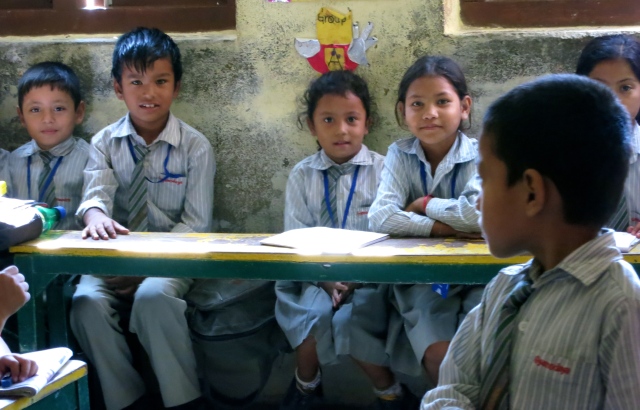
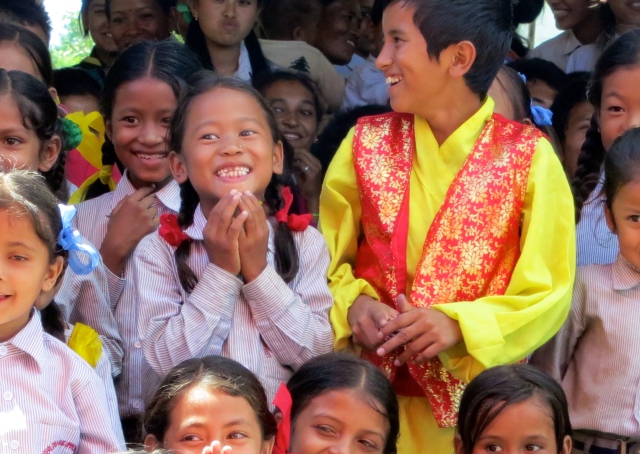
I took the photo above the last time I was in Nepal.  I keep it as my screensaver to remind me every day of the simple fact that we humans all have the potential to experience intense joy.  It makes me believe that our human capacity for happiness must one day trump our human proclivity to hurt each one another.  And this photo reminds me every day that everyone – every single person, regardless of who they are or where they live in world – should have the opportunity to feel happiness in the way that these kids in Nepal were so clearly feeling it.

International Happy Day is also a call to action.  It is a reminder that there is more that each of us can do to ensure that everyone is able to live their lives to their fullest human potential  in safety, dignity, freedom, and equality.   For all of us, these are the basic human prerequisites to happiness.  We need to keep moving towards the concept that none of us can be truly happy, until all of us have an equally fair shot at being happy.

There are a few things in this world that are truly global: One of them is that people want to be happy. Thursday, March 20 is the International Day of Happiness, and the United Nations Foundation and Grammy Award-winning musician Pharrell Williams have teamed up to encourage people to take action to support the UN and to create a happier world for people everywhere. – See more at: http://unfoundationblog.org/international-day-of-happiness-2014/#sthash.CuzHI1xW.dpuf
hursday, March 20 is the International Day of Happiness, and the United Nations Foundation and Grammy Award-winning musician Pharrell Williams have teamed up to encourage people to take action to support the UN and to create a happier world for people everywhere. – See more at: http://unfoundationblog.org/international-day-of-happiness-2014/#sthash.CuzHI1xW.dpufhttp://youtu.be/8bhfu1KnKjM

So go ahead and celebrate International Happiness Day.  In the United States, you don’t even have to wait until March 20.  Thanks to the international time difference, #Happy Day starts in just a few hours.   (And #HappyDay is already going strong on Twitter!) You can catch it all on the website 24 Hours of Happiness.com   Since March 10, people around the world have been posting YouTube videos of themselves “demonstrating their happiness” to Pharrell William’s track with the hashtag #HAPPYDAY and submitting it to the website.   On March 20th, Pharrell will spotlight the best submissions at noon in each time zone.

Here is the first one – from New Zealand!

See additional ways to participate here.   And whatever else you do on March 20, be sure to have a

International Women’s Day 2014

20140308-200557.jpg

I have a complicated relationship with International Women’s Day (IWD).  On the one hand, it vexes me greatly that we have only one day a year – designated by the United Nations General Assembly in 1977 as March 8 – to celebrate the many contributions of women around the world.  On the other hand, we still need to focus attention on the fact that women, who make up half of the world’s population, still face almost incomprehensible inequality in societies throughout the world.  Not just inequality, but inexcusable pain and violence.

One in three women in the world still experience violence (including rape and marital rape, spousal abuse, and child abuse) in their lifetime.  The numbers are closer to one in four in the West – numbers that are still shockingly high.

Even before birth, preference for male children leads to feticide and infanticide in many parts of the world. Millions of girls and women around the world face obstacles to education, access to health, freedom of choice in marriage and divorce, land ownership and political participation. Even in the West, women continue to face inequality, including professional obstacles.

The UN theme for IWD 2014 is “equality for women is progress for all”.  And there is no question that that statement is true.  As UN Secretary-General Ban Ki-moon said in a statement for IWD 2014:

“Countries with more gender equality have better economic growth. Companies with more women leaders perform better. Peace agreements that include women are more durable. Parliaments with more women enact more legislation on key social issues such as health, education, anti-discrimination and child support. The evidence is clear: equality for women means progress for all.”

IWD means different things to different people around the world.  For some, it is a day to celebrate the strength of personal relationships with mothers, grandmothers, daughters and friends.  Some choose to celebrate the overall contributions of women; in 2014, I noticed a particular interest in celebrating the “bad ass” women in our collective history (which I do applaud).  For others, it is the opportunity to highlight all that still remains to be done.

For me, IWD is all these things.  It is also about wanting a world where my daughter and my sons are treated equally without thought or legal requirement.  It is about teaching them that this is what they – both boys and girl – should expect in their future. But it is also about celebrating the strong community of women that has brought us this far.

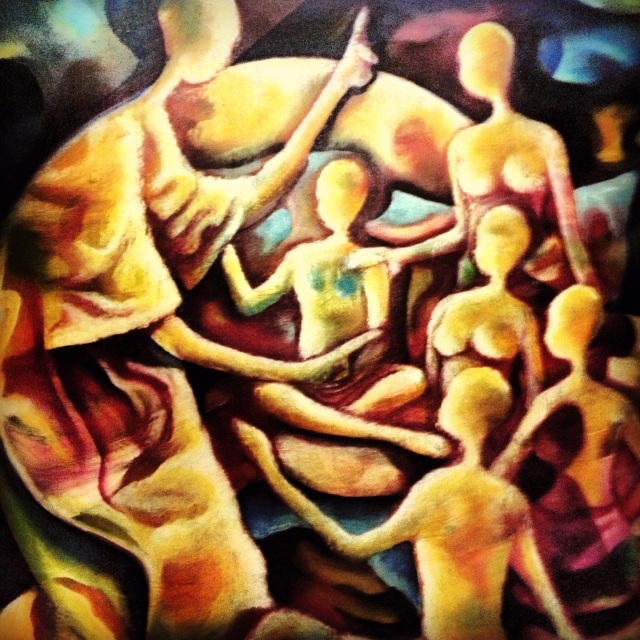
I took this photo of a painting that hung in the stairwell of a hotel I stayed in last year in Yaounde.  It was dark in the stairwell, but I paused every time I passed it.  The painting appeared original, but there was no name given to it.  No artist was listed.   But for me, it captures the spirit of International Women’s Day.  We still have a ways to go, but we are together in this effort.  We learn from each other and we support each other.  Here is my perspective on International Women’s Day 2014:

It may take us time, but when women work together, nothing can stop us.


The Meaning of Mandela

Mandela memorial painted on a building in Capetown, South Africa
Mandela memorial painted on a building in Cape Town, South Africa

When Nelson Mandela died last week, I was struck by the somewhat impersonal nature of the “continuous live” media coverage.  In the United States, I heard interviews with reactions from world leaders, I saw billboards with quotes from Oprah Winfrey and Maya Angelou about what Mandela meant to them.  We now, apparently, memorialize our greatest heroes in memes, soundbites on photos which we share and share again.    But what I really wanted to know was this:

“What are the people of South Africa feeling right now? How are they mourning the loss of the father of their nation?”

As it turns out,  my brother Jeremy is in Cape Town, South Africa.  He started sending back photos of the makeshift memorials that were springing up around the city. Touching tributes, both large and small, that showed the genuine love and respect felt for this man.   Jeremy is a professor of African history, so I asked him to share his thoughts about Nelson Mandela along with his photos.  

Rocked our World
Madiba You Rocked Our World

The Meaning of Mandela

by Jeremy Prestholdt

I arrived in South Africa a few hours after Nelson Mandela’s passing. The nation had only just begun mourning, but the way in which the former president had touched the lives of all South Africans was plain. From Soweto to Sandton, Cape Town, and Qunu, the outpouring of grief and appreciation was unlike anything I’d seen. While I knew that Mandela was revered, the deep respect for him that I’ve witnessed over the past days suggests that he was far more than a popular leader: he personified the myriad aspirations of South Africans.

Nobel Peace Prize
Nobel Peace Prize

As a professor of African history I often tell Mandela’s story. For decades Mandela was vilified as a terrorist. After he traveled to Algeria for military training, many in South Africa called for his execution. Rather than hanging Mandela, the Apartheid government tried to make him irrelevant by condemning him to a life of hard labor. During his nearly three decades in prison he became an icon in the struggle against white minority rule in Africa.

Mandela’s release from prison in 1990 was a watershed in the fight against Apartheid. Yet, it was his adroitness in navigating the path to national freedom that cemented his place in the hearts of all South Africans. Unlike most political leaders, Mandela had an extraordinary ability to balance justice with reconciliation. By drawing on this skill he accomplished what many deemed impossible: he steered a deeply divided and unequal society towards peace and greater freedom. For this Mandela earned universal appreciation as well as the title Tata (father of the nation), a word now on everyone’s lips in South Africa. It’s this deep appreciation for the father of the nation that is so evident here.

Mandela Flag

Though I’ve recounted Mandela’s history many times, joining South Africans during this period of mourning and remembrance has made me rethink the conclusion to the story that I will tell in future. The new ending will not be Mandela’s presidency or his death. Rather, it will be a reflection on what Mandela means to us now. South Africans–and mourners around the world–have demonstrated that, perhaps more than any other figure of our time, Mandela represents our collective aspirations for freedom, justice, and equality. In this he is more than a South African icon. He is a global symbol of human possibility.

Cards

All photo credits to Jeremy Prestholdt

Thank you so much, Jeremy, for writing this guest post!

Long Walk to Freedom

20131206-105208.jpg

“No one is born hating another person because of the color of his skin, or his background, or his religion. People must learn to hate, and if they can learn to hate, they can be taught to love, for love comes more naturally to the human heart than its opposite…

Man’s goodness is a flame that can be hidden but never explained.”

 (From Long Walk to Freedom, 1995)

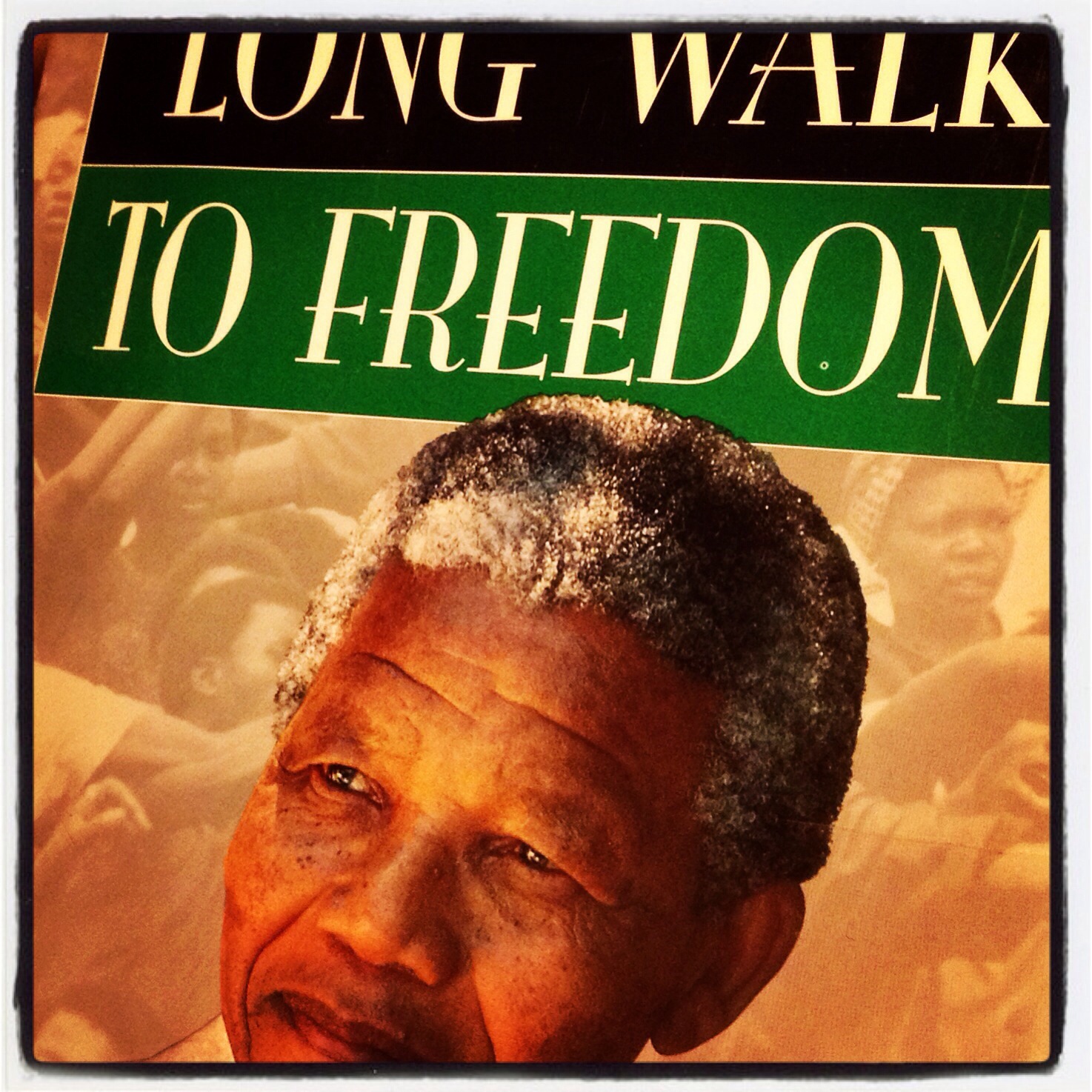
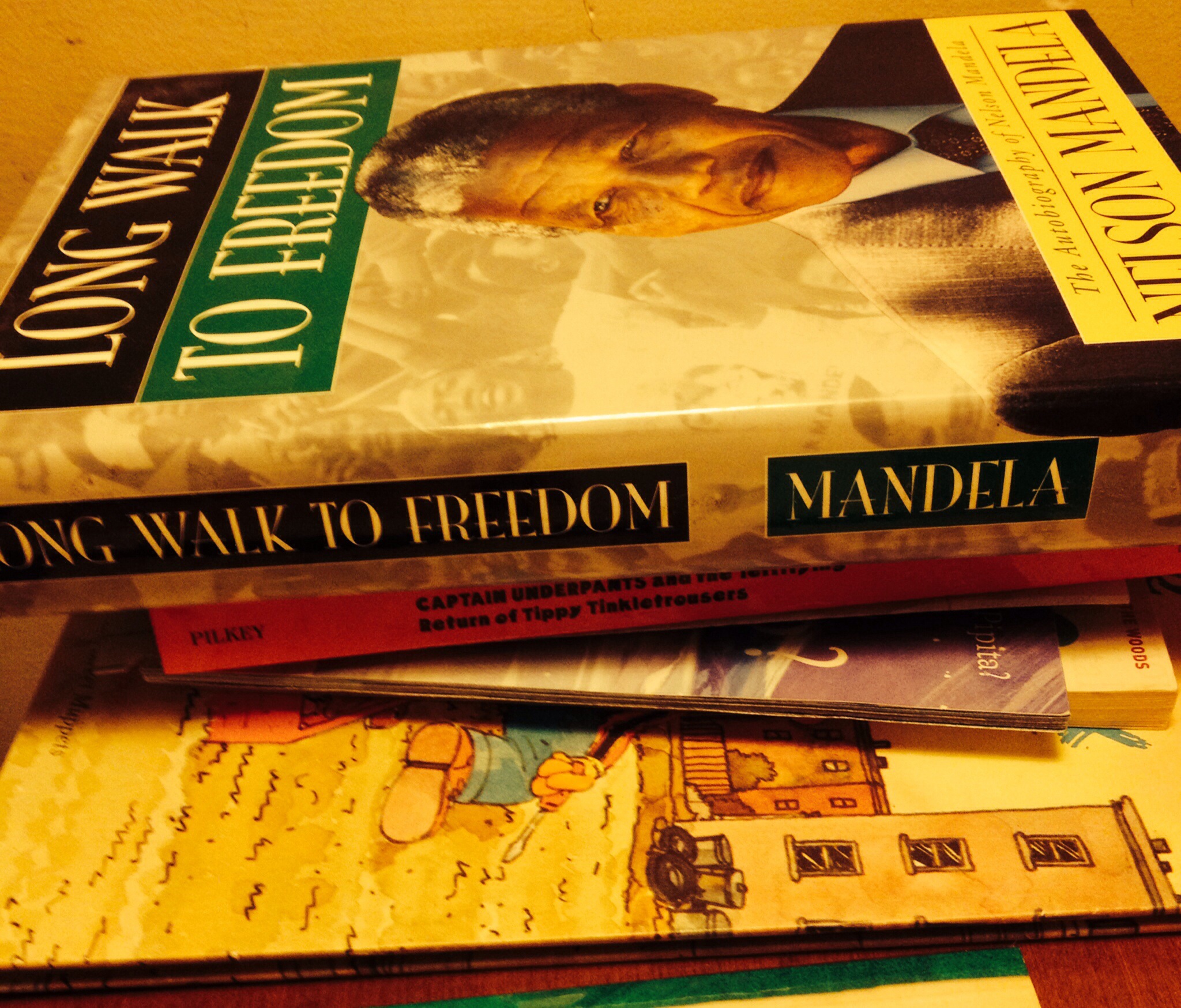
For many years, I have kept a copy of Nelson Mandela’s autobiography Long Walk to Freedom on my bedside table.  I don’t keep it there because I am in the process of reading it (I have read it twice), but because I keep the words of this great human rights hero in my heart.   I like waking up in the morning and knowing that it  is there.   Sometimes I just lay there and look at the title on the binding for a few seconds.  It helps me remember the good in this world.

Long Walk to Freedom was published in 1995, just a few years after Nelson Mandela was released from his nearly three decades of imprisonment on Robben Island and Pollsmoor Prison for leading the ANC.    I was in law school at the time.  I think that when  I first read it, I was especially looking for information from his early years about how and why he became a human rights warrior.  (Yes, Nelson Mandela was a lawyer, too.)   I love that as a child, he was called  “Rolihlahla” , which means “pulling the branch of a tree ” (i.e. “troublemaker”).

Here are a few of the things that he wrote in the book that rang true for me.

“I had no epiphany, no singular revelation, no moment of truth, but a steady accumulation of a thousand slights, a thousand indignities and a thousand unremembered moments produced in me an anger, a rebelliousness, a desire to fight the system that imprisoned my people. There was no particular day on which I said, Henceforth I will devote myself to the liberation of my people; instead, I simply found myself doing so, and could not do otherwise.”

and

“I have never cared very much for personal prizes. A person does not become a freedom fighter in the hope of winning awards.”

and

“I am fundamentally an optimist. Whether that comes from nature or nurture, I cannot say. Part of being optimistic is keeping one’s head pointed toward the sun, one’s feet moving forward. There were many dark moments when my faith in humanity was sorely tested, but I would not and could not give myself up to despair. That way lays defeat and death.”

Tonight, when I heard the news that Nelson Mandela had died, I was not surprised.   Nelson Mandela was 95 years old and had been ill for a long time.  His human body had become a painful prison from which his soul deserved freedom.    I remembered that he had written about freedom in his autobiography.  I don’t know which parts of  Long Walk to Freedom were written clandestinely on Robben Island and which were written after his release, but long-term detention must have had an impact on his views of freedom.  When Nelson Mandela talked about freedom, it was not limited to his own person.  Rather, for Nelson Mandela, freedom was inextricably linked to the freedom of other human beings.

“For to be free is not merely to cast off one’s chains, but to live in a way that respects and enhances the freedom of others.”

and

“Freedom is indivisible; the chains on any one of my people were the chains on all of them, the chains on all of my people were the chains on me.”

Freedom from imprisonment was not the end of the story for Nelson Mandela.  It was only the beginning of his work in leading South Africa towards a new, post-apartheid era.  What he says about leadership  in Long Walk to Freedom is also instructive.

“A leader. . .is like a shepherd. He stays behind the flock, letting the most nimble go out ahead, whereupon the others follow, not realizing that all along they are being directed from behind.”

and

“A Nation should not be judged by how it treats its highest citizens, but it’s lowest ones”

When Nelson Mandela wrote his autobiography, he still had many years left in his long life and many miles yet to walk.

“I can rest only for a moment, for with freedom come responsibilities, and I dare not linger, for my long walk is not yet ended.”

Your long walk is ended now and the world is a better place because of it.    Rest well, Rolihlahla!  I will keep your words in my heart and –  on my bedside table.

  While I understand that a movie based on the autobiography has just been released, I hope that others will take the time to read Long Walk to Freedom.   Nothing can inspire admiration of this great human rights leader than the words written by Nelson Mandela himself.

20131206-105223.jpg


Universal Children’s Day Photo Essay

Nepal
Children in Nepal

Today, November 20,  is Universal Children’s Day!  In 1954, the United Nations General Assembly established Universal Children’s Day to encourage all countries to take action to actively promote the welfare of the world’s children.   On November 20, 1959 the United Nations adopted the Declaration of the Rights of the Child.

Thirty years later, on November 20, 1989, the United Nations adopted the Convention on the Rights of the Child.  The Convention on the Rights of the Child is the first legally binding international instrument to incorporate the full range of human rightscivil, cultural, economic, political and social rights.  The Convention on the Rights of the Child has been acceded to or ratified by 193 countries –  more countries than any other international treaty.

One of the objectives of Universal Children’s Day is to raise awareness about the Convention on the Rights of the Child.  The Convention sets out the basic human rights that every child should have to develop to their fullest human potential, regardless of  where they live in the world. The four core principles of the Convention are non-discrimination; promoting the best interests of the child; the right to life, survival and development; and respect for the views of the child.  The Conventionalso protects children’s rights by setting standards that governments should provide in the areas of health care, education, and legal, civil and social services.

In honor of Universal Children’s Day 2013, I’m sharing a few of the rights guaranteed by the Convention along with photos of children I have taken around the world.

Article 1: “A child means every human being below the age of 18 years.”

Yaounde, Cameroun
A child in Cameroon

Article 2:  Children must be treated “ … without discrimination of any kind, irrespective of … race, colour, sex, language, religion, political or other opinion, national, ethnic or social origin, property, disability, birth or other status.” 

A child in Zanzibar

Article 3: “In all actions concerning children … the best interests of the child shall be a primary consideration.”

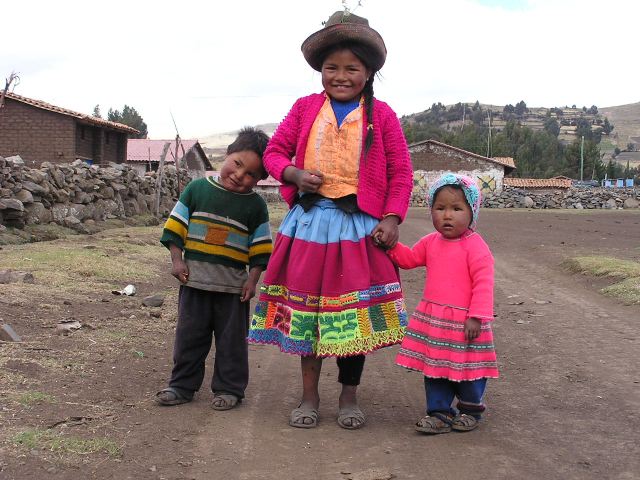
Peru
Children in Peru

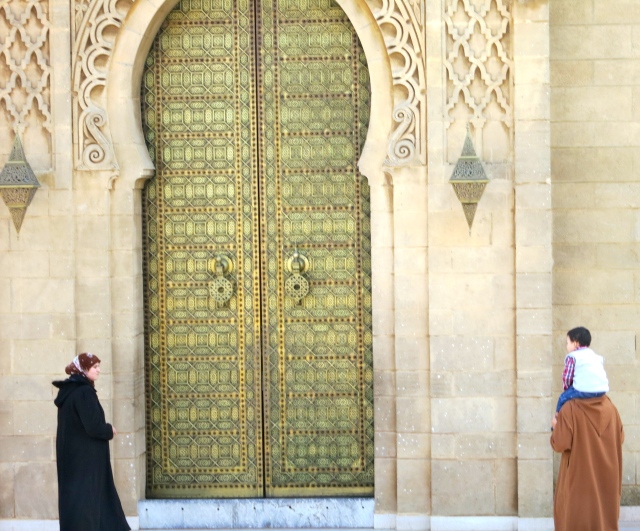
Articles 5 & 18: State signatories must “… respect the … rights and duties of parents … [and recognize that] both parents have common responsibilities for the upbringing … of the child.”

A family in Morocco
A family in Morocco

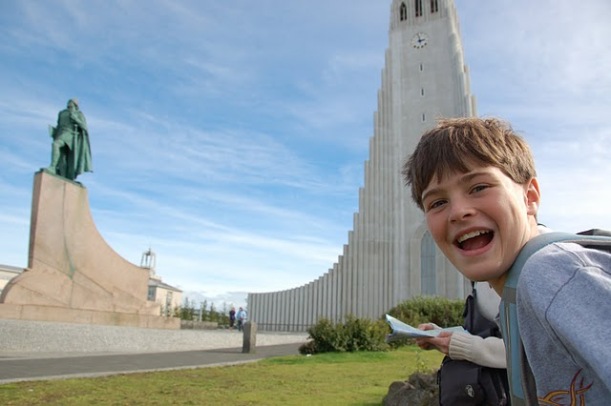
Articles 12-14: “… the child who is capable of forming his or her own views [has] the right to express those views [and] the right to freedom of … thought, conscience and religion.”

A child in Iceland

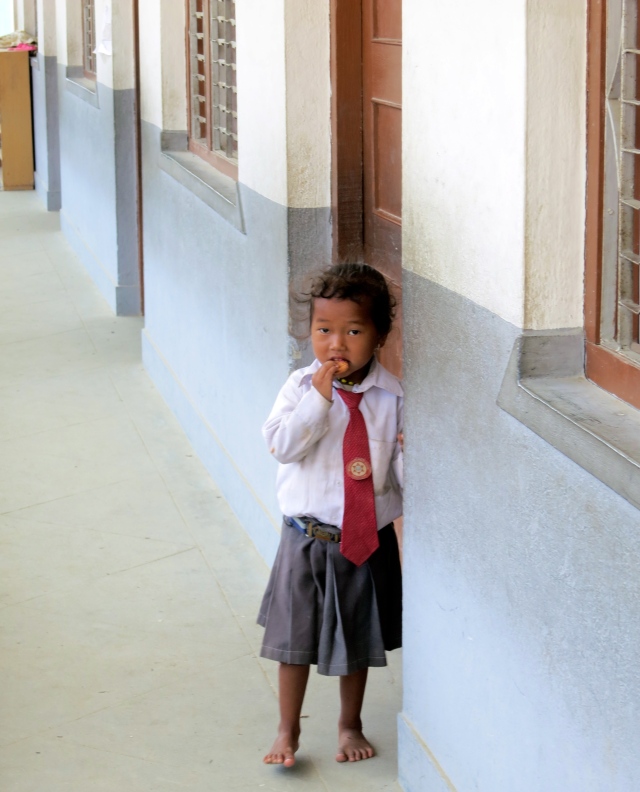
Article 19: Children must be protected from “… injury or abuse … including sexual abuse, while in the care of parents … or any other person….”

A child in Nepal
A child in Nepal

Article 22: “… a child who is seeking refugee status or who is … a refugee … [shall] receive appropriate protection and humanitarian assistance ….”

Buduburam, Ghana
Children in Buduburam Refugee Settlement in Ghana
 

Article 23: The State recognizes “… the right of the disabled child to special care” and the right to “… enjoy a full and decent life in conditions which ensure dignity ….”

IMG_1800

Article 24: All children have the right to “the highest attainable standard of health … [including access to] primary health care … nutritious foods and clean drinking-water.” 

Children in Norway

Article 27:  Every child has “the right to a standard of living adequate for [her/his] physical, mental, spiritual, moral and social development.”

A child in the USA
A child in the USA

Articles 28 & 29:  State signatories must “recognize the right of a child to education…[that develops] the child’s personality, talents, mental and physical abilities.” 

Children in  Nepal
Children in Nepal

Articles 32 & 36:   Children must be “protected from economic exploitation … and from [hazardous] work [and] all other forms of exploitation. 

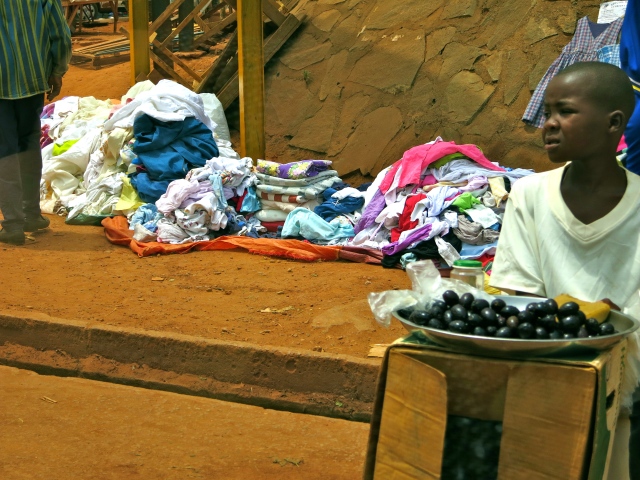
A child in Cameroon
A child in Cameroon

These are just some of the rights set forth in the Convention.  You can read the full text of the Convention on the Rights of the Child here.  

So on Universal Children’s Day 2013 (and every  other day), remember to:

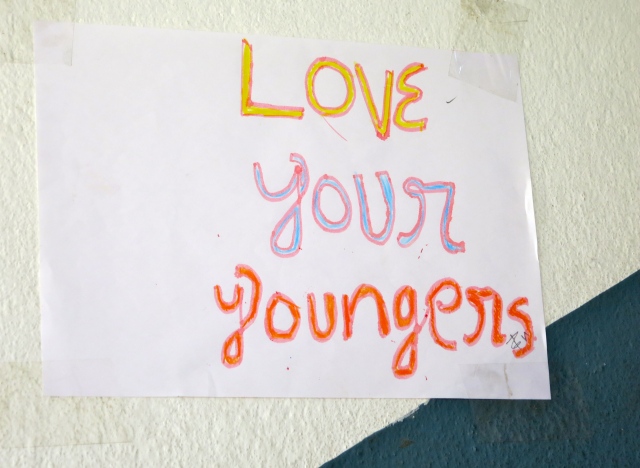
Love your youngers!  (Sign posted on the wall of a school in Nepal.)

Love Is The Law: The DOMA Decision and Binational Same-Sex Marriage

20130626-152500.jpgLike so many, I was excited to hear of the decision by the United States Supreme Court to strike down the Defense of Marriage Act this morning. This decision in United States v. Windsor, along with the end result of the Prop 8 decision, was what I had definitely hoped for, mostly expected but slightly feared would not happen. Historical and far-reaching as these decisions are, however, the first thing I thought of was the tremendous impact it will have on the lives of tens of thousands of LGBT Americans who are married to non-US citizens. Today’s ruling that Section 3 of DOMA, which prohibited the federal government from conferring benefits to married same-sex couples, is unconstitutional sets the stage for a major change in family-based immigration – the cornerstone of US immigration policy. Today, the Supreme Court opened the door for US citizens to be able for the first time to apply for permanent resident visas for their same-sex spouses.

When I heard the decision this morning, what flashed through my head were the faces of all of the LGBT persons in binational same-sex relationships who have consulted with me over the years about their legal options – for staying together and avoiding separation by deportation. When I first started practicing back in 1996, I had to tell them that their options were limited. I remember helping “George” seek and obtain asylum based on his LGBT status. “George” had fled his country in Central Africa. He met blond-haired, blue-eyed “Larry” when they were both doing volunteer work at a community center. Larry encouraged George to seek legal assistance. Asylum was the only  option, but I knew they deserved more.  Larry came to every interview with George, holding his hand as George talked about the persecution that he had experienced in his home country due to his refusal to hide his sexuality. Tears in his own eyes as he listened silently to George’s account of violence and stigmatization, Larry would hand George tissues, make him take calming deep breaths or take a drink of water. Help him go on with saying what had to be told. George was granted asylum, allowing him to stay permanently in the US. By that time, he had a job and he and Larry had moved in together. It has been more than 10 years since I last saw George and Larry, but I wouldn’t be surprised to hear that they had tied the knot.

But same-sex marriage wasn’t an option in the US back in 1996. Or 2001, for that matter, when “Hans” and his husband “Rick” asked for advice. Hans was Dutch and Rick was from the Caribbean (Jamaica, I think). They met while working in the US and married in Amsterdam after the Dutch government legalized same-sex marriage. But Rick’s US work authorization ended and he could no longer stay legally with Hans in the US, even though they were legally married and Hans still had authorization to be here . In the end, Hans chose to transfer to a job back to The Netherlands so that Rick could legally immigrate and they could be together.

When Massachusetts and other US states started legalizing same-sex marriage, I heard from others frustrated by the lack of equality between the way same-sex and traditional marriages are treated in US immigration policy. “Dan” told me that he and his partner “Ernesto”, a professor and a Mexican national, had been commuting between Mexico City and Minneapolis for years but now hoped that they could marry and live together permanently. Unfortunately, I had to tell them that the federal government would not recognize their marriage for immigration purposes.”We love each other, we are committed to each other, we want to get married. Why won’t my country allow us to be together?” Dan fumed.

In practice, the Obama administration has for the past two years refrained from carrying out deportations of immigrants in same-sex marriages, but without providing a legal status that is comparable to the permanent resident (“green card”) status that US citizens in traditional marriages are eligible to apply for for their spouses.

The Supreme Court’s decision today changes everything for people like Dan and Ernesto, Hans and Rick, George and Larry, and all of the other LGBTQ Americans who love nationals of other countries.  I truly, truly rejoice for them and for our country. While some procedural changes will have to take place before the implementation in practice of today’s decision, June 26 should be a day remembered and celebrated by all of us who believes in the right of EVERY family to be together.

“The federal statute is invalid, for no legitimate purpose overcomes the purpose and effect to disparage and injure those whom the State, by its marriage laws, sought to protect in personhood and dignity. By seeking to displace this protection and treating those persons as living in marriages less respected than others, the federal statute is in violation of the Fifth Amendment.” ~ Justice Anthony M. Kennedy

For more information about the process for applying for permanent resident status for same-sex spouses, see Immigration Equality’s FAQ and The Doma Project’s FAQ.

UPDATED:  On July 29, 2013 – just two days after the US Supreme Court struck down Section 3 of DOMA –  gay couple in Florida received the first approval of a same-sex marriage-based permanent resident petition.  Wow, that was fast!  Congratulations to Julian Marsh and Traian Popov! And kudos to the US Immigration & Customs Enforcement Service for implementing the  decision so quickly.

Petites Bonnes: Child Domestic Labor in Morocco

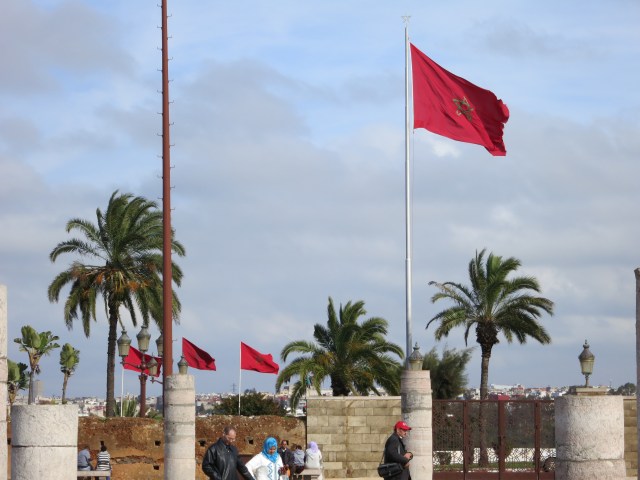
Today, on the World Day Against Child Labour, I am sharing this post that I wrote for World Moms Blog. Moroccan flag

While millions of tourists visit Morocco every year, very few are aware of  a hidden human rights abuse that is occurring behind closed doors in Morocco’s cities.   Morocco has one of the worst child domestic labor problems in North Africa.  The International Labour Organization (ILO) has estimated that between 66,000 and 88,000 children between the ages of 7 and 15 – 70% of whom are under age 12 –  are working as domestic servants in Morocco.

These children work long hours for little pay and often suffer physical and other forms of abuse. Because domestic work is “women’s work” in Morocco, the virtually all of these child domestic workers are girls. In Morocco (a country with a French colonial history), these child domestic workers are called petites bonnes or “little maids”.

I had the opportunity to learn more about the petites bonnes issue during a recent trip to Morocco.  The United States Department of Labor’s Bureau of International Labor Affairs describes the problem like this:

Young girls are sent to work as live-in domestic servants, often before they reach age 10. Parents sell their daughters or receive payment of wages in exchange for their daughters’ service. These petites bonnes (little maids) often face conditions of involuntary servitude, including long hours without breaks; physical, verbal and sexual abuse; withheld wages and even restrictions on their movement. Frequently, they are sent from rural villages to more urban areas, and find it difficult to make their way home. Most petites bonnes are denied an education, and illiteracy rates are high among this population.

The Difficult Life of a Petite Bonne

The situation of petites bonnes in Morocco results from a combination of poverty, gender inequality and lack of access to education.   Girls – some as young as my own  8-year-old daughter – are sent to work as petites bonnes to generate income to support their families.  They come from poor rural areas to work in cities such as Casablanca, Rabat, Marrakech, Tangiers, Agadir, and Fes.  Intermediaries generally broker the arrangement, receiving a fee from the employer. Petites bonnes interviewed by Human Rights Watch reported that their employers frequently beat and verbally abused them, denied them the chance to go to school, and sometimes even refused to provide them with adequate food and sleeping facilities.

In a strange city, separated from their families and often speaking a Berber language instead of the Arabic spoken by a majority of Moroccans, many petites bonnes are extremely isolated and vulnerable.  The isolation, along with the privacy of the homes, increases the chance of sexual abuse by male members of their employers’ household.  In fact, several studies have found that many unwed young mothers in shelters in Morocco were petites bonnes when they became pregnant.

The difficult life of a petite bonne sometimes ends tragically.  The widely reported story of little Khadija, an 11-year-old petite bonne who was beaten to death by her employer in July 2011, raised calls for the government to take action on the issue.  In January 2013, a 17 year old petite bonne in Casablanca attempted suicide by jumping from the fourth floor of her employers’ home.  Amateur video of the suicide attempt circulated on the internet shocked Moroccans.  Most recently, on March 24, 2013, a young domestic worker was taken to the hospital in Agadir with third degree burns on multiple parts of her body.  Only 14 years old, she died from the injuries allegedly inflicted by her employers, prompting a UN representative in Morocco to decry child domestic labor by girls as “one of the worst forms of child exploitation” and call on the government to take action.  Yet thousands of petites bonnes in Morocco continue to suffer in silence.

Gaps in Legal Protection

According to NGOs working to help petites bonnes in Morocco, part of the problem relates to gaps in and difficulties with implementation of Moroccan laws.   While Moroccan law prohibits employment of children under the age of 15,  Morocco’s Labor Code does not apply to domestic work.  Therefore, the Labor Codes’ protections for workers regarding hours worked (44 hours per week) and pay (2,333 dirhams or approximately $261 per month) do not apply. Human Rights Watch has documented that petites bonnes work long hours, often seven days a week.  They earn an average of 545 dirhams (approximately $61) per month, but some earn as little as 100 dirhans (approximately $11).

In addition, Morocco ratified the Convention on the Rights of the Child (CRC) in 1993 and the ILO Convention No 182 on the Worst Forms of Child Labor.  Both international treaties prohibit economic exploitation and employment of children in work that is likely to be hazardous, interfere with their education, or harm their health, safety or development.  Unfortunately, neither have been implemented in a way that provides adequate protection to the petites bonnes.

Some Progress

There is some indication that things are starting to change in Morocco.  The government and international human rights organizations report that the number of girls working as petites bonnes is declining.  This is due in part to the fact that public awareness about the problems faced by petites bonnes has been raised because of increased media attention to the issue and public education campaigns undertaken by the Moroccan government, NGOs, and United Nations agencies.   The Moroccan government has also taken steps to increase school enrollment and this has helped reduce the number of children engaged in child labor.

Yet still more needs to be done.  Since 2006, the government has been working on a draft law on domestic work that would for the first time establish a legal framework to better protect petites bonnes, secure rights such as a weekly day of rest and annual leave, and impose sanctions on employers.  The Moroccan government has said that the draft Law on Domestic Workers is one of its priorities, but the bill has not yet been considered and passed by Parliament.

Take Action on June 12 – World Day Against Child Labour!

The problem of child domestic workers is not unique to Morocco.  In fact, there are an estimated 15.5 million child domestic workers worldwide.  The widespread use of children as domestic servants is one of the most hidden forms of child labor.  The exploitation of children, particularly girl domestic workers like petites bonnes, is a serious violation of children’s rights.  It perpetuates inequality and inter-generational poverty, and deprives girls of their right to education, health, participation and protection.  It also prevents children from acquiring the life skills and education necessary to improve their future.

To draw attention to the issue of child labor, the United Nations has recognized June 12 as the World Day Against Child Labour.  In 2013, the focus is on child domestic workers like the petites bonnes of Morocco.  On the 2013 World Day Against Child Labour, the international community is calling for legislative and policy reforms to ensure the elimination of child labor in domestic work and the provision of decent work conditions and appropriate protection to young workers in domestic work who have reached the legal working age.  In Morocco, the government should:

•    Strictly enforce the minimum age of 15 for all employment (including domestic work) and ensure that all children (particularly girls) enjoy the right to free and compulsory basic education;

•    Adopt a domestic worker law that ensures compliance with the 2011 ILO Convention 189 on decent work for domestic workers

•    Create an effective system for identifying, removing and rehabilitating child domestic workers from illegal or abusive employment; and

•    Criminally prosecute individuals responsible for violence or other criminal offenses against child domestic workers.

In addition, the World Day Against Child Labour provides the opportunity for all of us to take action to build the worldwide movement against child labor.

Take Action to end child labor.  Learn what you can do to inform yourself and raise awareness in your community.  The ILO’s SCREAM (Supporting Children’s Rights through Education, the Arts and Media) programme has factsheets, presentations, postcards, poems, and more. The SCREAM education pack is available in multiple languages.

Join the 12to12 to End Child Labour community.  Learn more about the issue and join the 12to12 Community Portal, which provides a common platform for experience and knowledge sharing on research, activities and events  related to the World Day Against Child Labour.

Find out what kids and teens can do to help.  The ILO’s Youth in Action against Child Labour campaign has ideas, information,  videos and other resources to help young people take action to end child labor.

Make a pinwheel with your kids.  The pinwheel has become the symbol of the international fight against child labor.  The pinwheel campaign to raise awareness about child labor began in Brazil in 2004. The five blades of the pinwheel represent the different continents of the world and the wind that makes the pinwheel spin is the will to act and to pass on the message until all countries take adequate measures to end child labor. Download a kit to make a pinwheel to keep the movement going!


Marriage Equality, Through the Eyes of a 10-Year-Old

20130328-160336.jpg

With the Supreme Court hearing arguments in two cases related to same-sex marriage, much has been written – and said and thought – this week about marriage equality in the United States. No matter how these particular nine justices rule (and there is speculation that, unlike the Warren Court which in 1967 issued a sweeping ruling on the unconstitutionality of state bans on interracial marriage, this court might actually punt), I am convinced that it is only a matter of time before same-sex marriage is a recognized as a right in this country.

This week, I re-read Hockey Moms, a post I wrote last summer about my 10-year-old son and his discussions with his hockey team about marriage equality. It was a lesson to me at the time about the importance of engaging people in the conversation about same-sex marriage. In re-reading it, however, I am struck by how much forward movement there has been in just the past six months. Not only was the proposed amendment (which would have defined marriage as between one man and one woman in the Minnesota state constitution) that Simon was lobbying against defeated last November, but it was defeated handily. In fact, it went down in flames. Even my 98 year-old grandmother voted NO! In a huge reversal, this year there is a real chance that our Minnesota state legislature will pass legislation legalizing same-sex marriage. The number of states with same-sex marriage jumped on election day in November when three states – Maryland, Maine and Washington – legalized same-sex marriage through popular vote. Recently, it seems like politicians have been “coming out” in favor of marriage equality on a daily basis.

The momentum in favor of same-sex marriage appears to be increasingly rapidly and there are signs that the trend will not be reversed. I asked my 13-year-old what he thought about the recent ABC/Washington Post poll that found that 81% of Americans aged 18-29 supported legal same-sex marriage, he said, “Well ,that makes sense. Although I am disappointed in the 20%. At my school, there are only two kids who oppose same-sex marriage.” They didn’t poll Americans under the age of 18, but anecdotally at least, support for marriage equality may be even higher among his peer group.

My kids are part of a generation which, although it doesn’t have an official name yet, is already saying, “Of course same-sex marriage should be legal. Why was this even an issue?” They have grown up with favorite teachers, beloved camp counselors, trusted neighbors, friends and classmates who are openly LGBT. They go to school and church with kids from families with parents who are in same-sex relationships, some but not all legally sanctioned by state law. Men kissing men, men kissing women, women kissing women – my kids don’t care. Frankly, it is disgusting to them when ANY adults kiss!

I’m sharing an excerpt from Hockey Moms to illustrate my kids’ perspective on marriage equality, a peek into the future.

***

My 10-year-old son comes out of the ice arena, swaggering despite the heavy hockey bag that he carries like a giant backpack. His hockey stick and water bottle he wields before him like a rod and staff. I’m sitting on a picnic table in the sun and, yes, I am facebooking on my iPhone. His cheeks are flushed, his bright ginger hair is damp-dark with sweat. He has an announcement to make.

“I’ve got everyone but one kid on my team to be in favor of same-sex marriage.

AND two of the coaches.”

He beams at me. I can feel my jaw as it drops.

I’ll be the first to admit that I’m a terrible hockey mom. I hate almost everything about the sport. I’ve got two sons who play, so I did put a decent amount of effort into learning the basic rules and terminology. My biggest problem is that I grew up in the Deep South, so my natural impulse when winter strikes is to hibernate. The whole concept of driving (in the cold) to sit (in the cold) to watch a sport played (on ice, in the cold) boggles my mind.

Going inside to watch hockey on a cold winter day is one thing. Going inside to watch hockey on a beautiful summer day is completely inconceivable to me. But here in Minnesota, hockey is a year round sport. Serious players play AAA from March to September and, unlike the regular season, players are not required to play where they live. There are kids on my 10-year-old’s team from throughout the Twin Cities Metro and even some kids who travel here for the weekend practices and tournaments from as far away as Florida and Texas.

But my two sons are way, way into hockey. They LOVE this sport! I respect that, so I suck it up and wash their stinky gear and drive them to the rink.

Until last winter, I went into the locker room when I took my boys to hockey – even though I have been banned from years from tying their skates because I (quote, unquote) “don’t do it right.” When my oldest son moved up to PeeWees, however, there was an unfortunate incident. I burst into the locker room, my 6-year-old daughter (wearing a pink jacket and sparkle ballet flats) in tow, only to find a gaggle of 12 year-olds in their underwear listening to loud music and talking trash. “Mom!” my son hissed. “I’m good.”

Given my locker room banishment, I was completely floored to hear that the hockey team was having a discussion about same-sex marriage while putting on their pads and breezers. Here is the story, from the perspective of my 10 year old: “One kid brought it up. He said it was gross, a man with a man or a woman with a woman.” So I said,

“ARE YOU CRAZY? That’s their choice who they love. It doesn’t affect you. Why does it matter to you? No one can tell you who to love.”

That launched the discussion which later led to the purported locker room conversions. It is a timely discussion in Minnesota, where there is a proposed constitutional amendment on the November ballot: “Shall the Minnesota Constitution be amended to provide that only a union of one man and one woman shall be valid or recognized as marriage in Minnesota?” VOTE NO signs have sprouted throughout our neighborhood; they line the roads on the way to the hockey rink.

Simon had been late getting to practice (my fault – more evidence for the Worst Hockey Mom title). A coach came in to hurry along the stragglers and Simon asked, “You’re voting NO on the marriage amendment, right?” “I don’t know yet,” he admitted. Simon laid out his arguments again, to which the coach responded, “You make a good point. I think I probably will vote No. Now get out on the ice.”

My son can be like a dog with a bone, so he brought it up again at the next practice. This time he was on time, so when he brought it up in the locker room, everyone on the team was there. One kid, a player who Simon describes as a “tough guy” got really upset when the other kid described same-sex marriage as “gross”. He stood up, half his gear on, and said,

“That’s my family you are talking about! I have two moms and they are married. It hurts my feelings when you say that my family is gross!”

Well, that sure got the team’s attention. According to Simon, he was too emotional to say much more but Simon was able to pick up where he left off.

See? He’s got two moms. So what? Why should his family be treated any differently than yours?

***

The US Supreme Court justices, who appear to be gnashing their teeth about the appropriate timing of a ruling on marriage equality, could benefit from the point of view of my 10 year-old.

People are just people; we are all equal. People love each other and benefit from loving, committed relationships.

We should all be able to marry who we love. Families should all be treated the same.

Marriage equality, through the eyes of a 10-year-old, is just not complicated.

Love

As the United States Supreme Court considers cases related marriage equality, you can read more – including the Top 100 Marriage Equality Blogs – here.

A Mother In A Refugee Camp

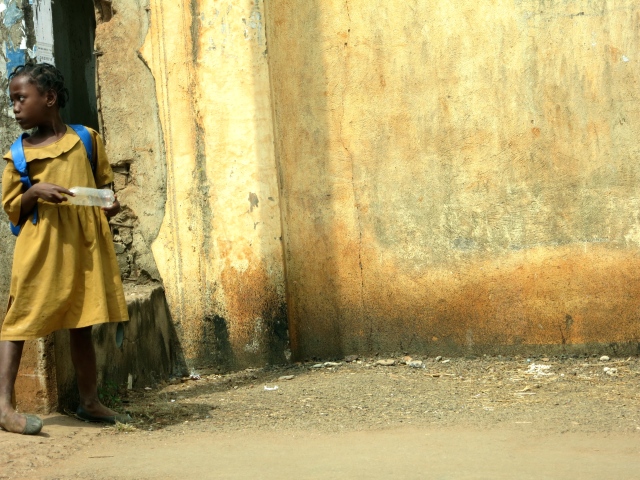
Photo by my colleague Rosalyn Park, taken during our trip to Sierra Leone in 2004

Nelson Mandela read Chinua Achebe when he was in prison and reportedly described him as a writer “in whose company the prison walls fell down.”  I read Chinua Achebe’s Things Fall Apart in college, three decades after it was written, required reading on a syllabus that only included one African author.  I read his other books later, as well as some of his essays.  The obituaries describe him as an African Literary Titan and a “towering man of letters”.  True words, but he was more than that.  Much has and will be written about Chinua Achebe as the writer that wrested writing about Africa – that vast and varied Africa, as if one writer could ever represent it – back from the West.

There is one poem by Chinua Achebe that has stayed with me for many years, not because it captures the global themes of colonialism or tradition v. Western values, but because it captures so perfectly the small moments of heartbreak and love that I myself have seen in the refugee camps I have visited in Sierra Leone and Ghana.  That Chinua Achebe could capture the small moments of human connection along with the global themes was a mark of his genius.  Upon reading the news of Chinua Achebe’s passing today, I read A Mother In A Refugee Camp again.  I share it now, my own way of  saying thank you, “like putting flowers on a tiny grave”.

A Mother In A Refugee Camp

No Madonna and Child could touch
Her tenderness for a son
She soon would have to forget. . . .
The air was heavy with odors of diarrhea,
Of unwashed children with washed-out ribs
And dried-up bottoms waddling in labored steps
Behind blown-empty bellies. Other mothers there
Had long ceased to care, but not this one:
She held a ghost-smile between her teeth,
And in her eyes the memory
Of a mother’s pride. . . . She had bathed him
And rubbed him down with bare palms.
She took from their bundle of possessions
A broken comb and combed
The rust-colored hair left on his skull
And then—humming in her eyes—began carefully to part it.
In their former life this was perhaps
A little daily act of no consequence
Before his breakfast and school; now she did it
Like putting flowers on a tiny grave.

—Chinua Achebe

16 November 1930 – 22 March 2013